After the Blackout: The Art and Science of the Unforgettable Encore
The Unwritten Contract
The final chord hangs in the air, thick and electric. Then, darkness. A collective, instinctive roar floods the void, a sound not of demand, but of hope. This is the sacred pause, the transactional space between the show that was and the memory it is about to become. The encore is not merely a custom; it’s an unwritten contract between artist and audience, a promise that the story isn’t quite over. For event producers and show designers, this final chapter is the most critical piece of narrative architecture to get right. It’s the last impression, the emotional crescendo that will echo long after the seats are empty.
For decades, the formula was simple: a blackout, a thunderous wave of applause, and the band’s return for “one more song.” But in the modern era of immersive event technology, the canvas for the encore has expanded dramatically. It’s no longer just about what happens on the stage, but what happens in the entire volume of the arena, the festival field, or the stadium. The craft has evolved from simple choreography to a complex interplay of psychology, technology, and sensory design.
The Psychology of the Final Moment
At its core, the encore manipulates tension and release on a mass scale. The blackout is a manufactured moment of loss, a false ending that makes the inevitable return feel like a gift. The cheering is the audience holding up their end of the bargain, pouring energy back into the space. When the lights return, that energy is reciprocated. It’s a powerful feedback loop.
The genius of a great encore is its ability to re-contextualize the entire show, to frame it with a final, definitive statement.
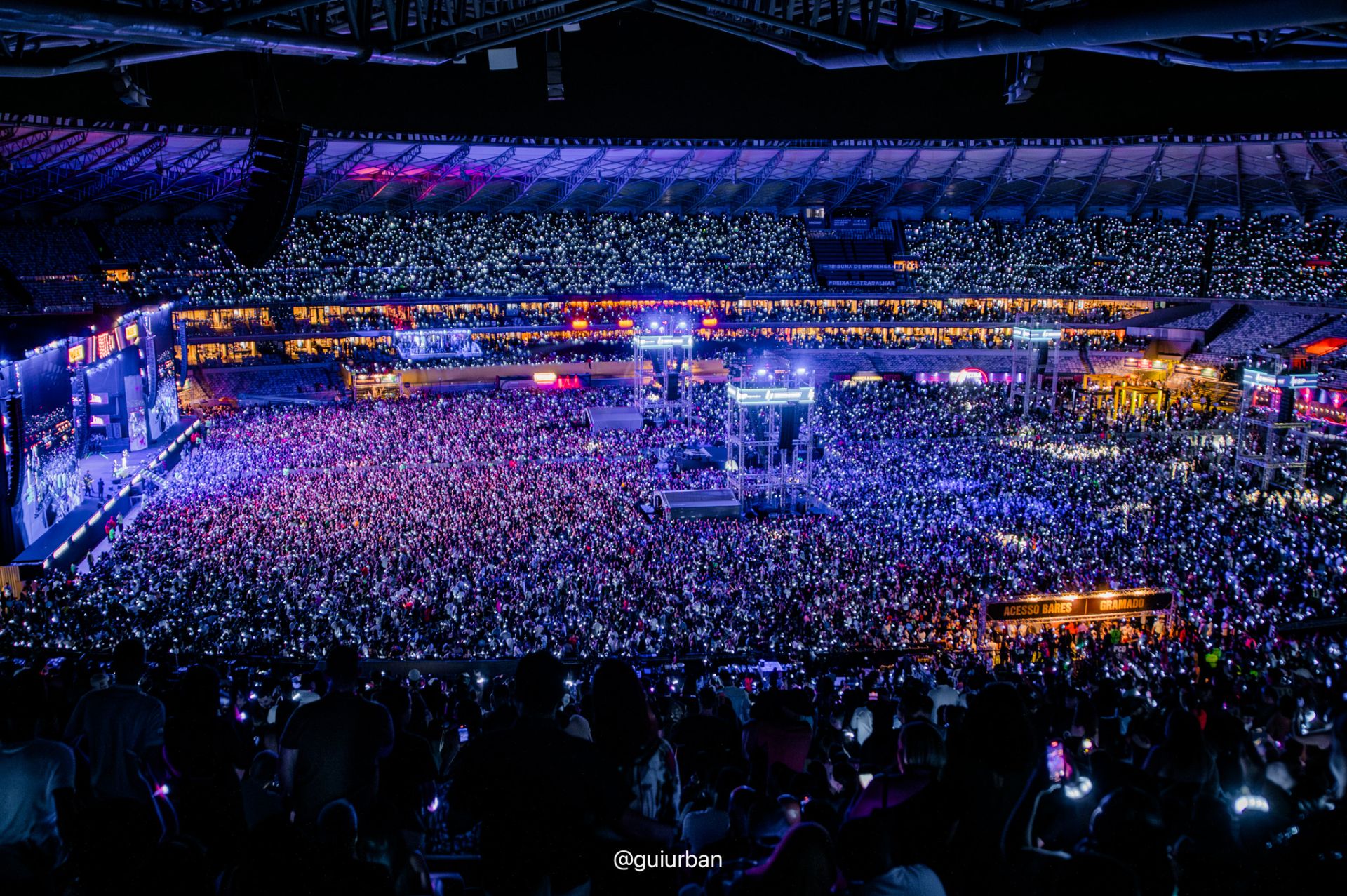
This final statement can take many forms. It might be the raw, stripped-down acoustic number that brings a 50,000-seat stadium down to the intimacy of a campfire. Or it might be the explosive, pyrotechnic-heavy anthem that provides a final, cathartic release. The choice is a narrative one. What is the last feeling you want the audience to carry with them? For a global superstar like Maluma, performing for a 54,000-strong hometown crowd in Medellín, the encore is a moment of shared victory and national pride. For a trailblazer like Wizkid, selling out three consecutive nights at the O2, it’s a confirmation of a cultural movement’s arrival.
Painting with Light, Sound, and Synchronicity
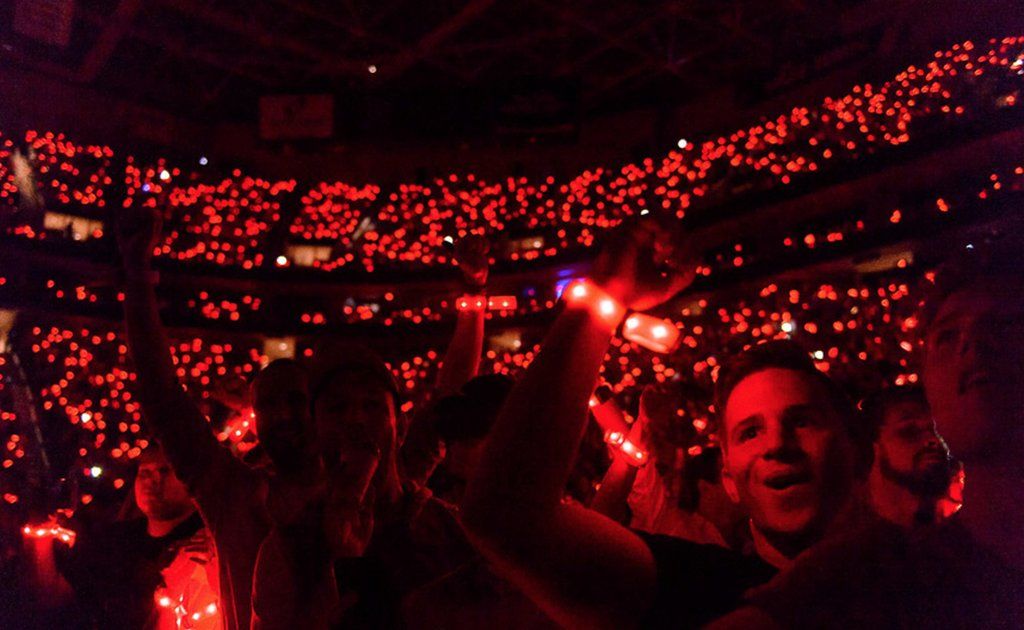
This is where the modern toolkit offers unprecedented creative opportunities. The most profound shift in encore design has been the ability to literally light up the audience, to turn a sea of passive spectators into an active, living part of the final spectacle. This is the world that Xylobands pioneered, born from a moment of inspiration at a Coldplay show and now a staple of high-craft productions globally.
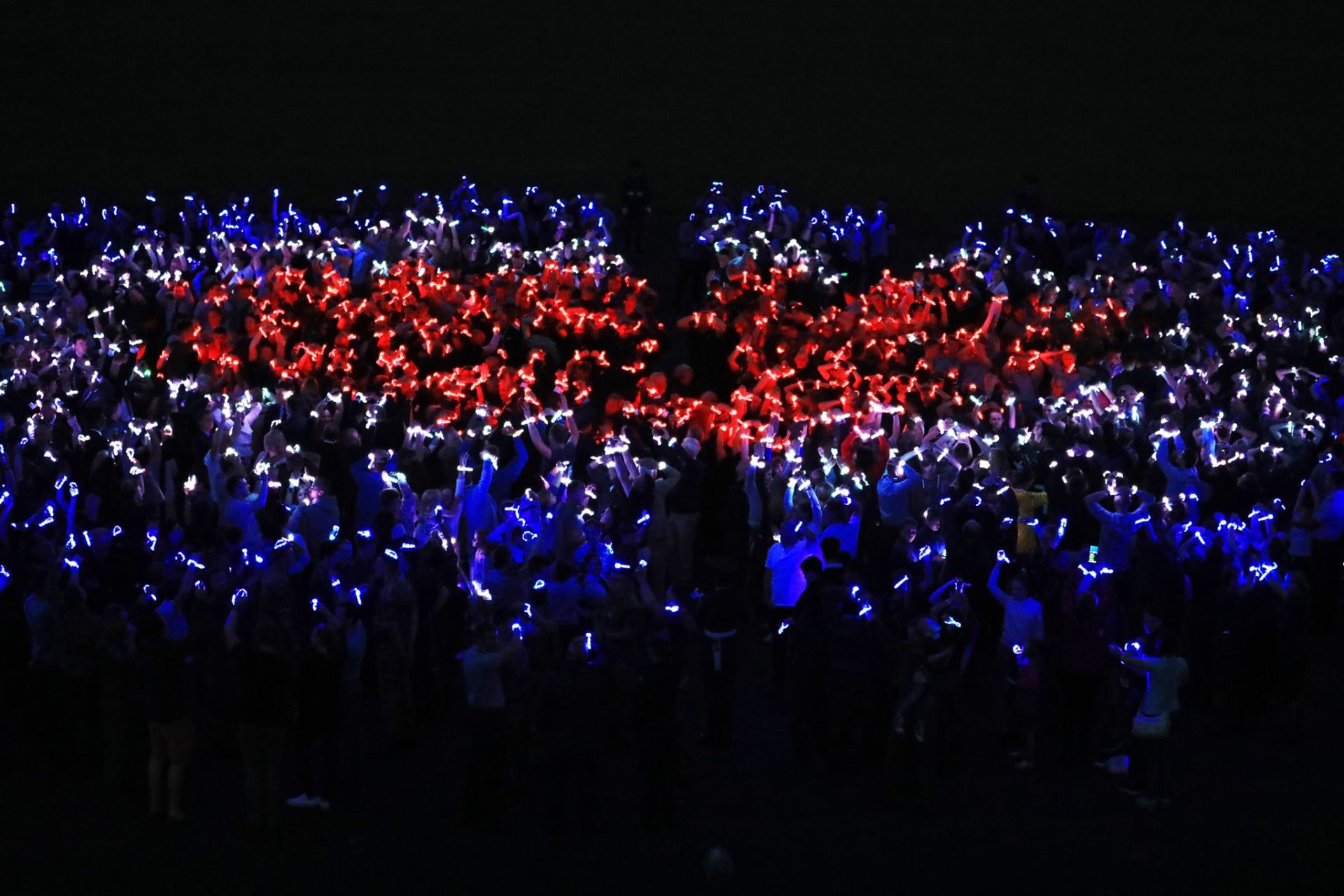
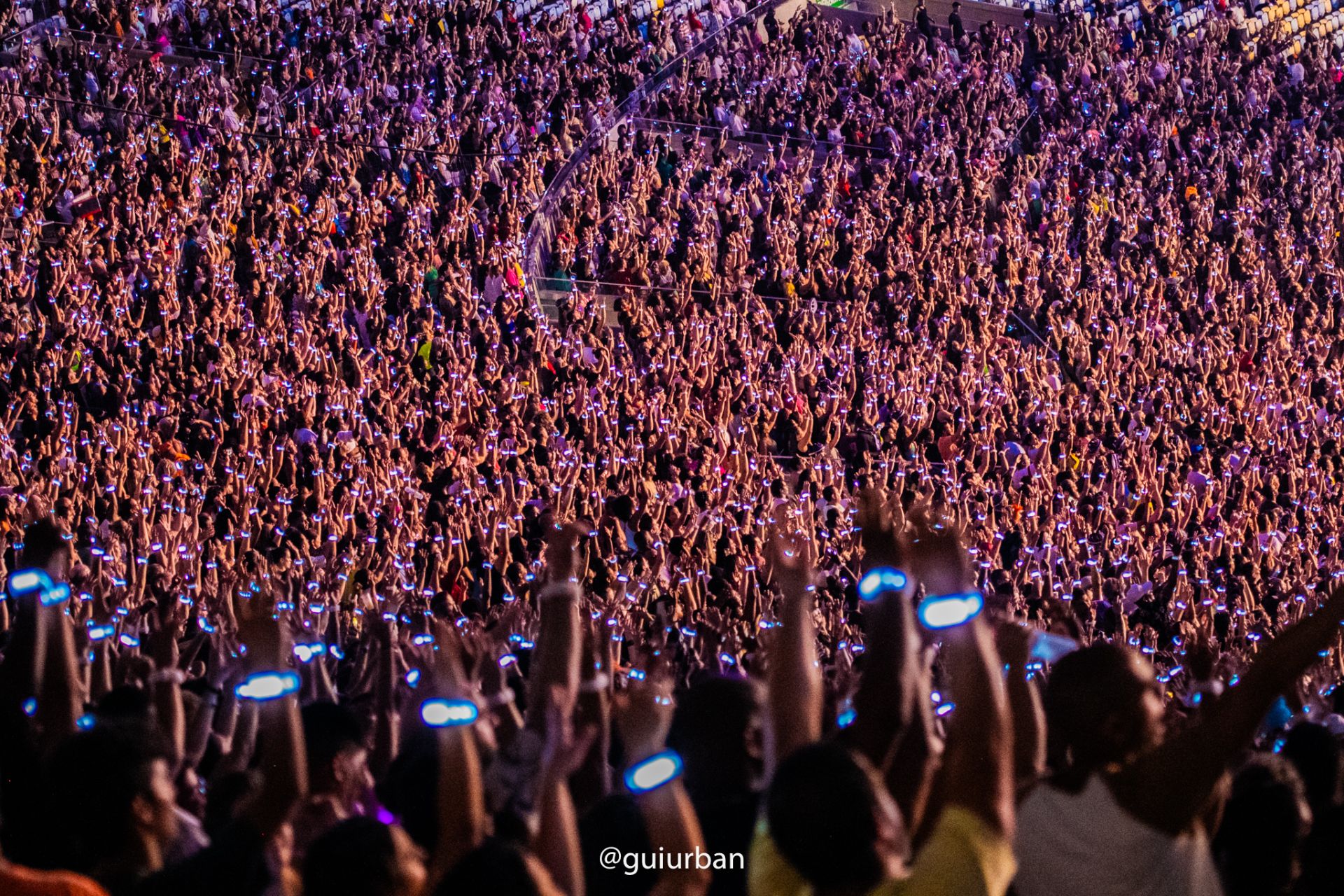
Imagine the traditional blackout. The arena vanishes into pure sound. Then, instead of the stage lights coming up, 50,000 points of light suddenly appear on the wrists of every single person in the venue. The architecture of the room dissolves, replaced by a sentient, breathing constellation of color. The audience is no longer just watching the show; they are the show. This is the power of wearable LED technology.
The Crowd as the Canvas
Using radio controlled LED wristbands, a lighting designer is no longer confined to the static grid of a truss. The entire audience becomes a dynamic, three-dimensional video wall. This opens up a new grammar for storytelling in the final moments of a performance.
- The Slow Burn: Begin with a single, gentle color pulsing in time with a ballad. As the song builds, the pulses can grow faster, brighter, and more complex, mirroring the emotional arc of the music.
- The Shockwave: After the blackout, trigger an instantaneous flash of brilliant white light across every wristband simultaneously. It’s a visual stun grenade, a shared gasp that electrifies the entire space before the final song even begins.
- The Sectional Dialogue: The technology allows for precise control, turning different sections of the crowd into different colors. You can create waves of light that ripple from the stage to the back of the arena, or have sections answering each other in a visual call-and-response, amplifying the sense of a unified whole. This creates stunning LED crowd experiences, perfect for broadcast and live enjoyment.
These are not just lighting effects; they are tools of connection. When thousands of people are united by a single, synchronized visual event, it deepens the feeling of collective effervescence. The "me" of the individual dissolves into the "we" of the crowd. It’s a technique that has been used to elevate everything from the iconic Coldplay Xylobands moments to headline sets at electronic music events like Primer Music Festival, creating immersive events that feel personal and monumental at the same time.
The Lasting Echo
Ultimately, the encore is the final deposit in the audience’s memory bank. It’s the story they will tell on the way home. Did it end with a whisper or a bang? Was it a moment of quiet connection or explosive, shared joy? By integrating the audience directly into the technical and visual fabric of the show, designers can ensure that the final moment is not just an act of observation, but an act of participation.
Whether it’s with custom LED wristbands for a global tour, LED lanyards at a corporate event, or even dazzling LED orbs floating across a venue, the principle remains the same. The encore is an opportunity to make the audience the final hero of the story. By turning the crowd into a canvas, we don’t just create a light show; we engineer a deeply human connection, a final, unified beat that echoes far beyond the blackout.