The Art of Immersion: Advanced Lighting Design for Modern Stadium & Arena Tours
The Challenge of Scale
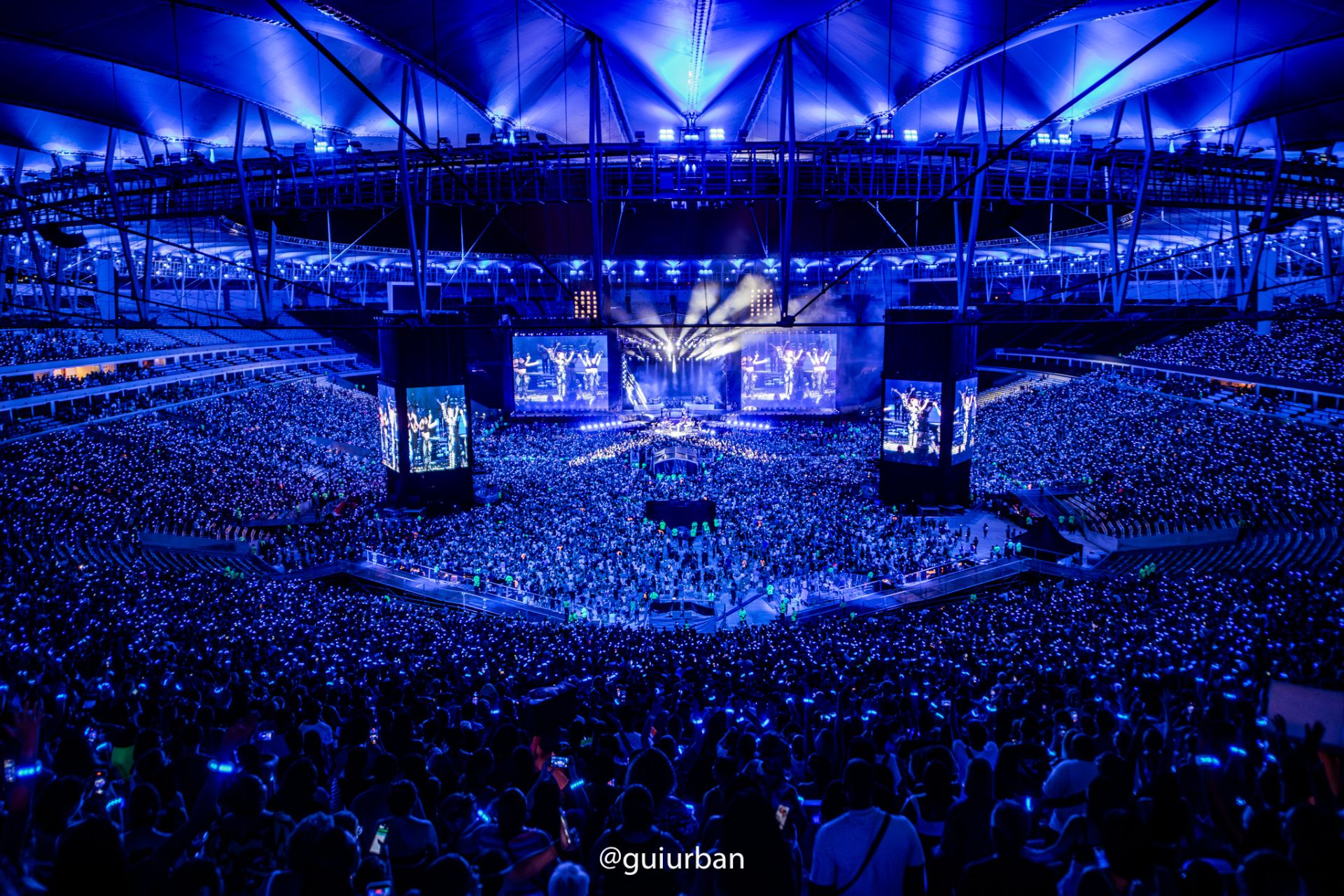
An arena is not a stadium. While this statement is obvious, the creative and technical implications are profound. An arena, holding 15,000 to 20,000 people, is a controlled environment. The architecture itself—the enclosed bowl, the defined ceiling—provides a natural canvas. A stadium, seating 50,000 or more, is an entirely different beast. It’s a cavern of steel and sky, where light dissipates into the night and the sense of intimacy is the first casualty of scale.
Modern lighting design for large-scale tours doesn’t just grapple with this; it conquers it. The goal is no longer just to illuminate the artist. It is to build a temporary universe, night after night, that feels just as personal for the fan in the last row as it does for the one at the barrier. This requires a multi-layered approach, where every element—from the key light on the performer to the synchronized pulse of 50,000 LED wristbands—works in concert.
The Three Pillars of Modern Tour Lighting
Designing for today’s largest venues rests on three foundational pillars: Architectural Integration, Audience Immersion, and Camera-Ready Composition.
1. Architectural Integration: Working With the Room
Every venue has its own character and constraints. The most effective lighting designs don’t fight the architecture; they incorporate it. In a stadium, this means using the vast vertical space. Towering LED screens, delay towers doubling as lighting positions, and fixtures rigged high on the roof structure all serve to draw the eye upward, making the production feel as immense as the space it occupies.
In an arena, the focus shifts to creating depth and texture in a more compressed space. The grid offers a predictable canvas, but the best designs use it to create unique geometric forms, playing with angles and elevations to make the stage feel larger and more dynamic. It’s about creating a visual world that feels bespoke to the environment, not just a touring rig dropped into a black box.
2. Audience Immersion: The Human Canvas
The greatest challenge of scale is the potential for a disconnected audience. The people in the upper tiers can feel like spectators watching a distant spectacle rather than participants in a shared experience. This is where wearable LED technology becomes a game-changer.
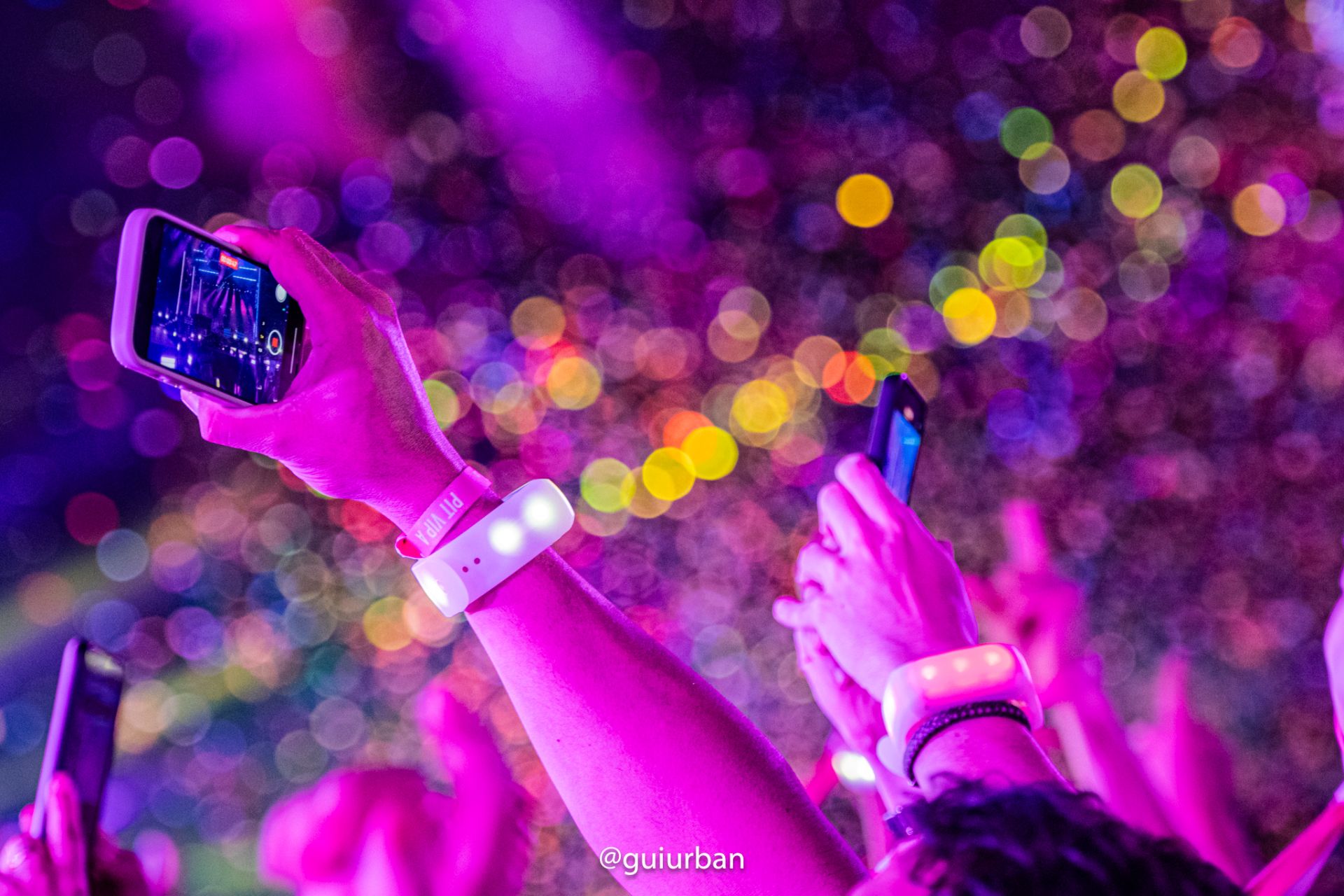
By making the audience part of the light show, you dissolve the distance between the stage and the seats. When 50,000 people light up in perfect sync—like at Maluma’s historic Medellín concert—the stadium is no longer a collection of individuals. It becomes a single, living organism, a human canvas pulsating with the energy of the performance. This is the core of modern LED crowd experiences.
For a lighting designer, the crowd is no longer a passive observer. They are a dynamic, interactive element of the show itself. This transforms the design process from a one-way broadcast into a two-way conversation.
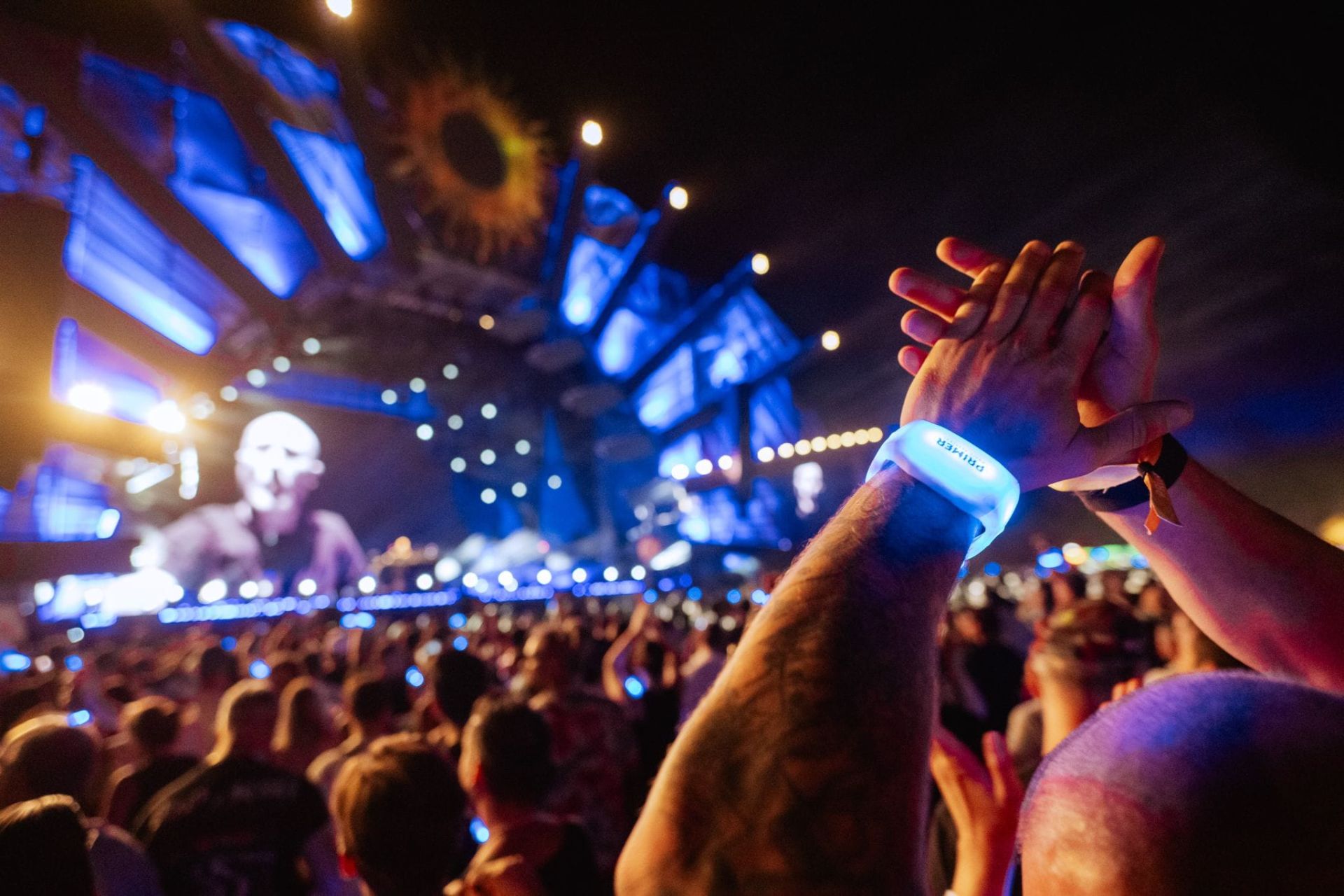
Products like Xylobands allow designers to paint with light on a massive scale, creating waves of color that sweep across the venue, isolating sections for dramatic effect, or strobing the entire stadium in a moment of peak energy. This technology provides a powerful tool to extend the visual narrative of the show directly into the hands of every fan, creating an unparalleled sense of unity and immersion.
3. Camera-Ready Composition: Designing for Two Audiences
Every major tour today is also a broadcast event. From official live streams, like Maluma’s on Amazon, to the sea of smartphones capturing every moment, the show is consumed by two audiences: the one in the room and the one watching on a screen. A successful design serves both.
This requires a deep understanding of how cameras perceive light, color, and contrast. What looks spectacular to the human eye can appear blown-out or muddy on camera. Designers must constantly balance the intensity needed to fill a stadium with the nuance required for a clean broadcast feed. This involves careful fixture selection, precise color temperature control, and a focus on creating balanced, well-defined visual frames.
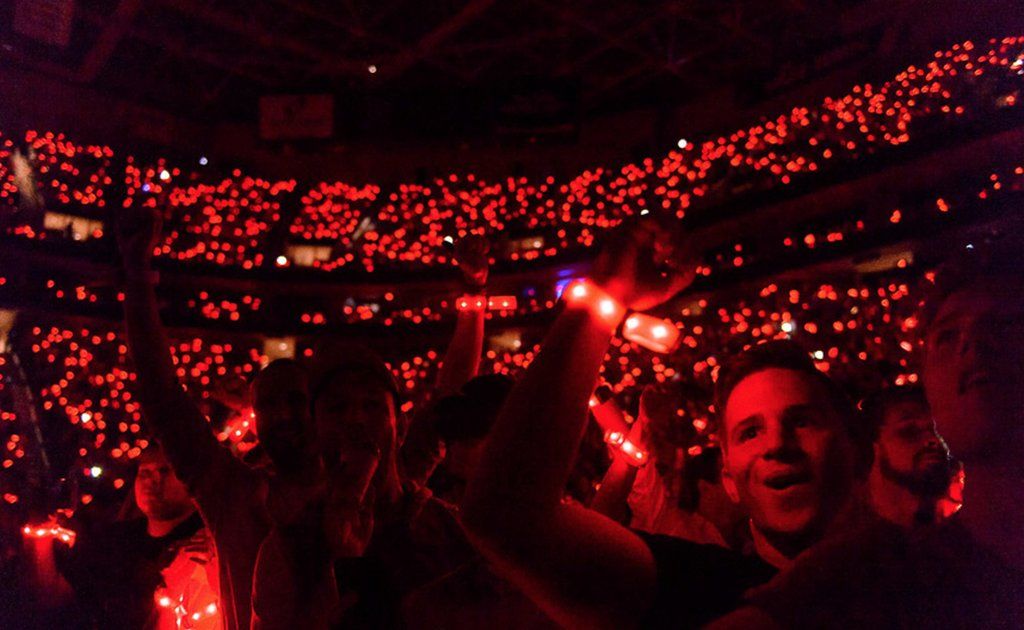
This is also where audience lighting plays a critical dual role. Synchronized concert wristbands don’t just create an immersive environment for the live attendees; they provide a stunning, dynamic backdrop for the cameras. Instead of a dark, anonymous void, the cameras see a vibrant, animated crowd, adding depth, energy, and a massive sense of scale to the broadcast. We saw this in action at events like Formula One’s 75th-anniversary celebration, where custom LED lanyards helped turn the entire arena into a dynamic part of the TV show.
The Symphony of Technology
Bringing these principles to life requires a sophisticated and reliable technological backbone. Modern tours are a symphony of different lighting protocols—DMX, Art-Net, and radio frequency (RF) control for wearables—all working in flawless harmony.
For the lighting designer, the console is their conductor’s podium. From here, they orchestrate every element, from the follow spot on the lead singer to the RF signal triggering 30,000 radio controlled LED wristbands. The system must be robust, responsive, and capable of executing complex cues with zero failure. As tours cross the globe, from London’s O2 Arena for Wizkid’s tour to festivals in Greece, this reliability is non-negotiable.
Ultimately, the art of lighting at this scale is a study in contrasts. It’s about making a massive space feel intimate. It’s about balancing the needs of the human eye with the demands of the camera lens. And most importantly, it’s about using technology not just to create a spectacle, but to foster a genuine human connection between an artist and their audience, no matter how vast the distance.