The Sync and the Story: Mastering the Artist-Director-Tech Triangle
The Birth of an Idea
Every unforgettable live spectacle begins not with a flash of light or a roar from the crowd, but with a conversation. It’s a delicate, high-stakes dialogue between the artist, the creative director, and the technical artisans tasked with turning ambitious visions into tangible reality. This triangle of collaboration is the unseen engine behind the world’s most iconic tours and events. The artist holds the core creative impulse, the story they need to tell. The creative director acts as the architect, drafting the blueprint for the sensory experience. And the technical partner? They are the engineers and physicists, grounding the dream in the practical, solvable realities of technology and logistics.
From Vision to Vocabulary
The initial stages of this collaboration are about translation. An artist might describe a desired feeling—intimacy, euphoria, tension, release. A creative director translates that feeling into a visual and auditory language: color palettes, lighting cues, stage movements, and moments of audience interaction. The challenge lies in creating a shared vocabulary. When an artist says, “I want the room to feel like a galaxy of stars,” it’s the technical team’s job to ask the right questions. Are those stars static or moving? Are they a cool white or a warm gold? Do they pulse with the bassline or swell with the vocal?
This is where deep, experience-driven dialogue becomes critical. It’s not about presenting a catalog of off-the-shelf effects. It’s about co-creation, using technology as a new set of brushes to paint the picture the artist has in their mind. This process demands trust and a willingness to explore the "what if." What if the light doesn’t just come from the stage, but from every single person in the audience? This was the foundational question that led to the creation of Xylobands, born from the desire to make the crowd an integral part of Coldplay's "Fix You."
Choreographing the Crowd: The Human Element
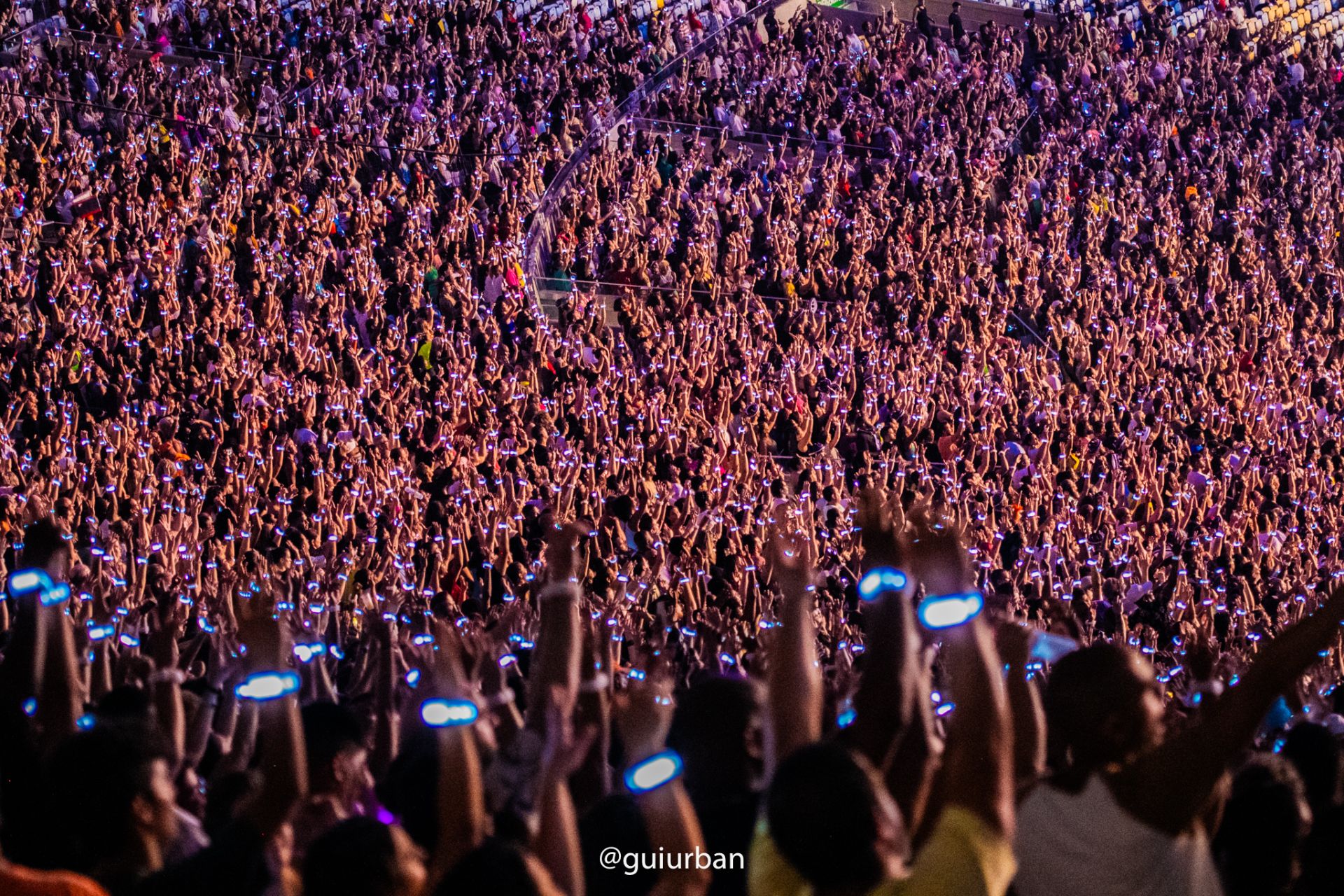
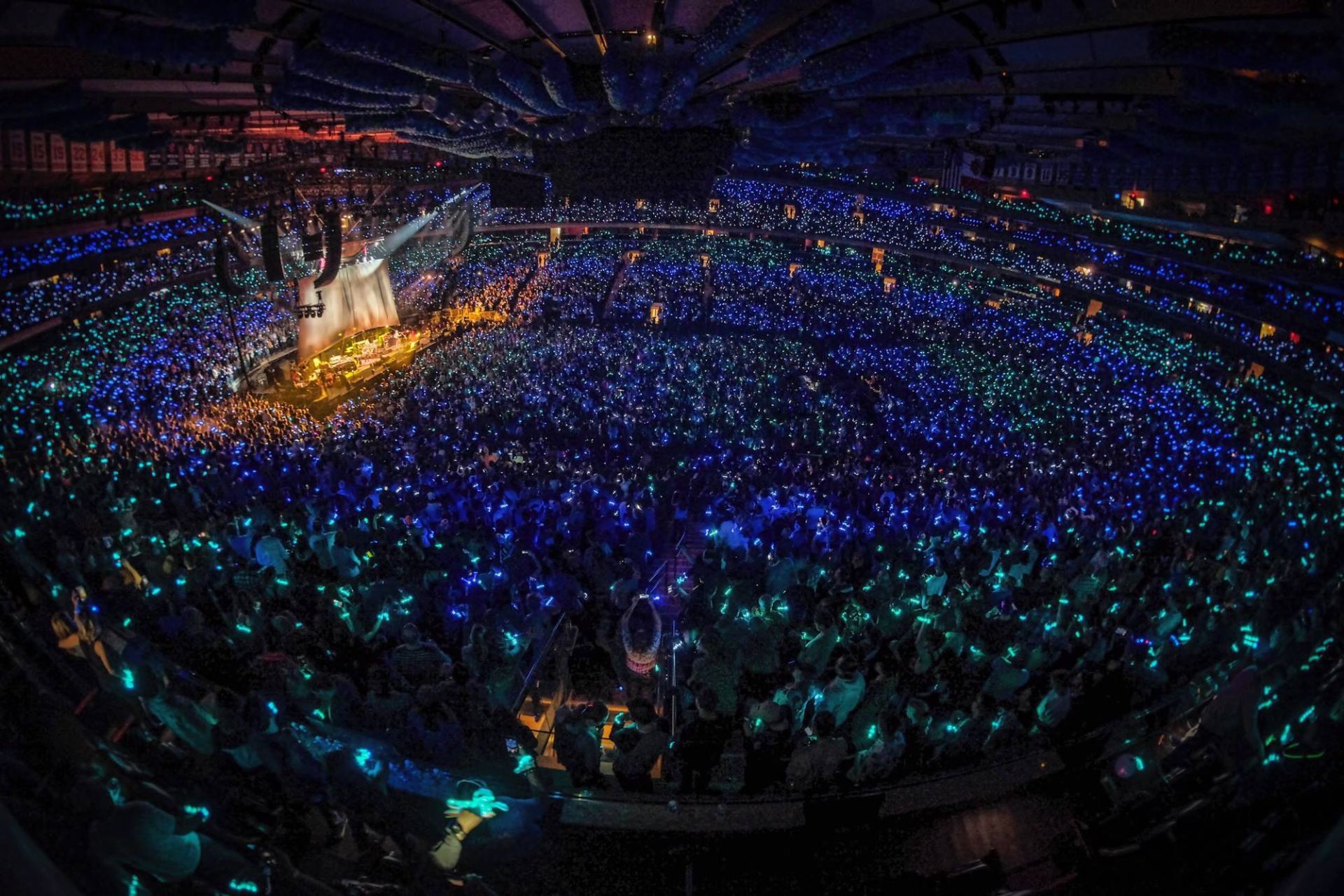
Today, that conversation has evolved. With tools like radio-controlled LED wristbands and other forms of wearable LED technology, the audience is no longer a passive observer; they are the canvas. For a tour manager, this introduces a new layer of logistical and creative complexity. The deployment of tens of thousands of devices becomes part of the show’s choreography.
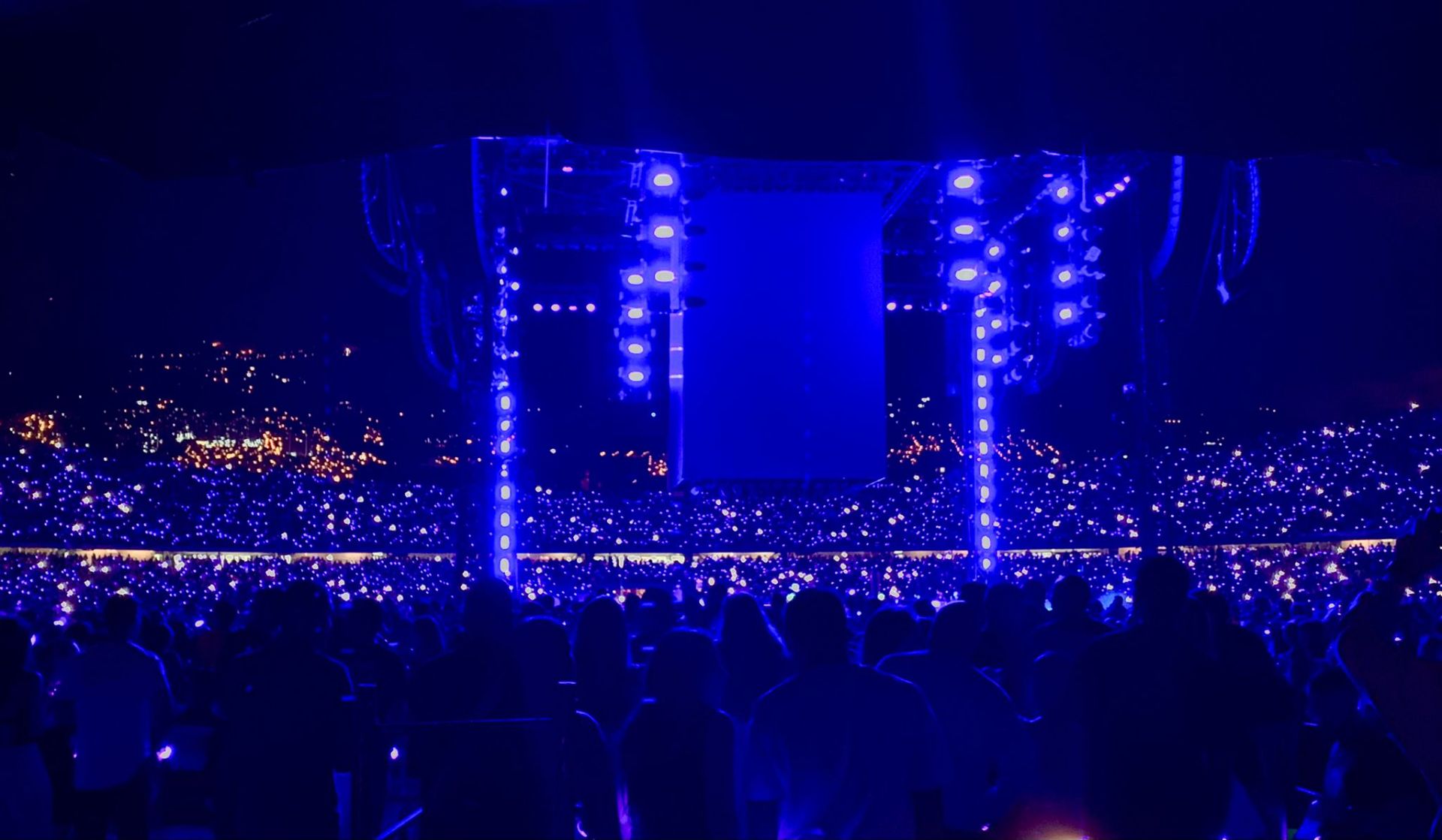
Consider the logistical feat behind Maluma’s historic Medellín En El Mapa concert. Illuminating a crowd of 54,000 people, while simultaneously ensuring a flawless live stream to 240 countries, requires a level of planning that borders on military precision. Or take the Formula 1 75th Anniversary event, where custom LED pendants were distributed based on seating sections to create specific, branded visual effects for the broadcast. This wasn’t just about handing out a piece of tech; it was a deliberate, pre-planned design element executed on a massive scale. The success of these immersive events hinges on the seamless integration of the creative vision with the on-the-ground operational plan.
The Three Pillars of Successful Collaboration:
- Shared Language: All parties must move beyond their specialized jargon to build a common understanding of the creative goals and technical constraints.
- Radical Trust: Artists and creative directors must trust their technical partners to not only execute but also to innovate and offer new possibilities. Technical teams must trust the creative vision, even when it pushes the boundaries of what’s been done before.
- Meticulous Planning: The tour manager is the guardian of the plan. From battery life and signal range to distribution logistics and recycling plans, every detail must be anticipated and solved long before the doors open.
The Unseen Artistry of Execution
The final, and perhaps most critical, phase of the collaboration is the execution. The world’s best creative concept is meaningless if it fails on the night. The tour manager, production manager, and the technical team on the ground become the custodians of the artist’s promise to the audience. This is where experience matters most. It’s the calm in the face of inevitable challenges, the encyclopedic knowledge of radio frequencies in a packed stadium, and the muscle memory that comes from deploying millions of devices in hundreds of venues worldwide.
"The most powerful moments in a show often feel effortless, spontaneous. But that effortlessness is the result of thousands of hours of planning, testing, and relentless refinement. It is the product of a disciplined, trusting collaboration."
From the high-energy beats of PRIMER Music Festival to the historic three-night sellout for Wizkid at The O2, the goal is always the same: to erase the line between the performer and the audience. By transforming the crowd into a dynamic, living part of the show, this collaborative triangle creates a singular, shared experience. It’s a testament to the power of a unified vision, where the artist’s story is not just told, but felt—by everyone, all at once, in a brilliant symphony of light.