Beyond the Eureka Moment: The Discipline of Constant Innovation
The Myth of the Single Spark
Innovation is rarely a lightning strike. The popular narrative—a lone genius, a sudden flash of insight, a world forever changed—is a powerful story, but it’s a fiction. The legendary “eureka moment” is not an end point; it is the firing of a starting pistol. The real work, the work that forges industries and redefines what’s possible, is what happens next. It’s the unglamorous, disciplined, and relentless process of refinement. It’s a culture of perpetual research and development.
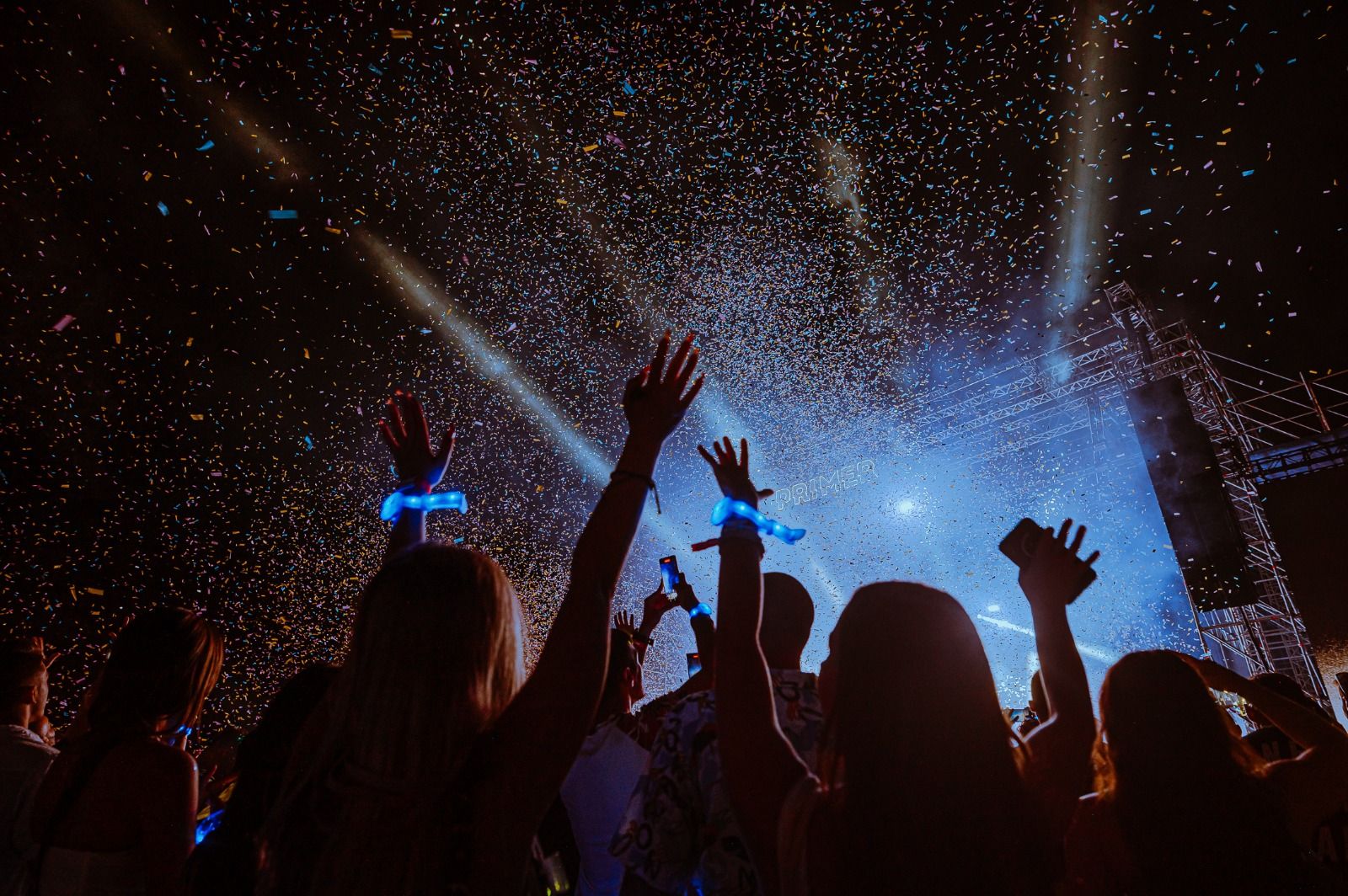
The origin of Xylobands is now a piece of industry lore: our founder, Jason Regler, watching Coldplay at Glastonbury, inspired by the lyrics of "Fix You" to imagine the crowd as a unified canvas of light. That was the spark. But it was the decade-plus of constant, iterative development that followed which transformed that spark into the global standard for LED crowd experiences. The journey from that initial concept to deploying millions of units of wearable LED technology across more than 70 countries is a story of disciplined innovation.
The Fallacy of the Finished Product
In the world of immersive event technology, there is no such thing as a “finished” product. The landscape of live events is in a permanent state of flux. Every new tour, festival, or broadcast presents a unique set of challenges and creative ambitions. A product that was state-of-the-art for a stadium tour last year might not meet the specific broadcast requirements of a client like ITV this year, or the intricate, multi-brand logistics needed for a high-profile celebration like the Formula One 75th anniversary event.
This dynamic environment is the primary driver of our R&D philosophy. We don’t see our products—from the original Coldplay Xylo Band to our latest generation of radio controlled LED wristbands and LED Orbs—as static objects. We see them as living systems, constantly evolving to meet the next creative challenge. This mindset forces us to abandon the comfort of a finished design and embrace a state of perpetual prototyping.
The Engines of Evolution: Drivers of R&D
Our R&D is not conducted in a vacuum. It’s a collaborative process fueled by direct feedback from the most demanding creative and technical minds in the industry. These inputs are the catalyst for every new feature, hardware revision, and software update.
The Artist’s Vision
When an artist like Maluma decides to stage a historic hometown concert for 54,000 fans, streamed live to 240 countries, the technical requirements for the show’s lighting and effects are immense. The artist’s vision is the ultimate benchmark. Their desire to create a unique, unforgettable spectacle pushes our technology to its limits, demanding greater range, more nuanced control, and seamless integration with the wider production. These creative demands are the genesis of our most significant technological leaps.
The Venue’s Demands
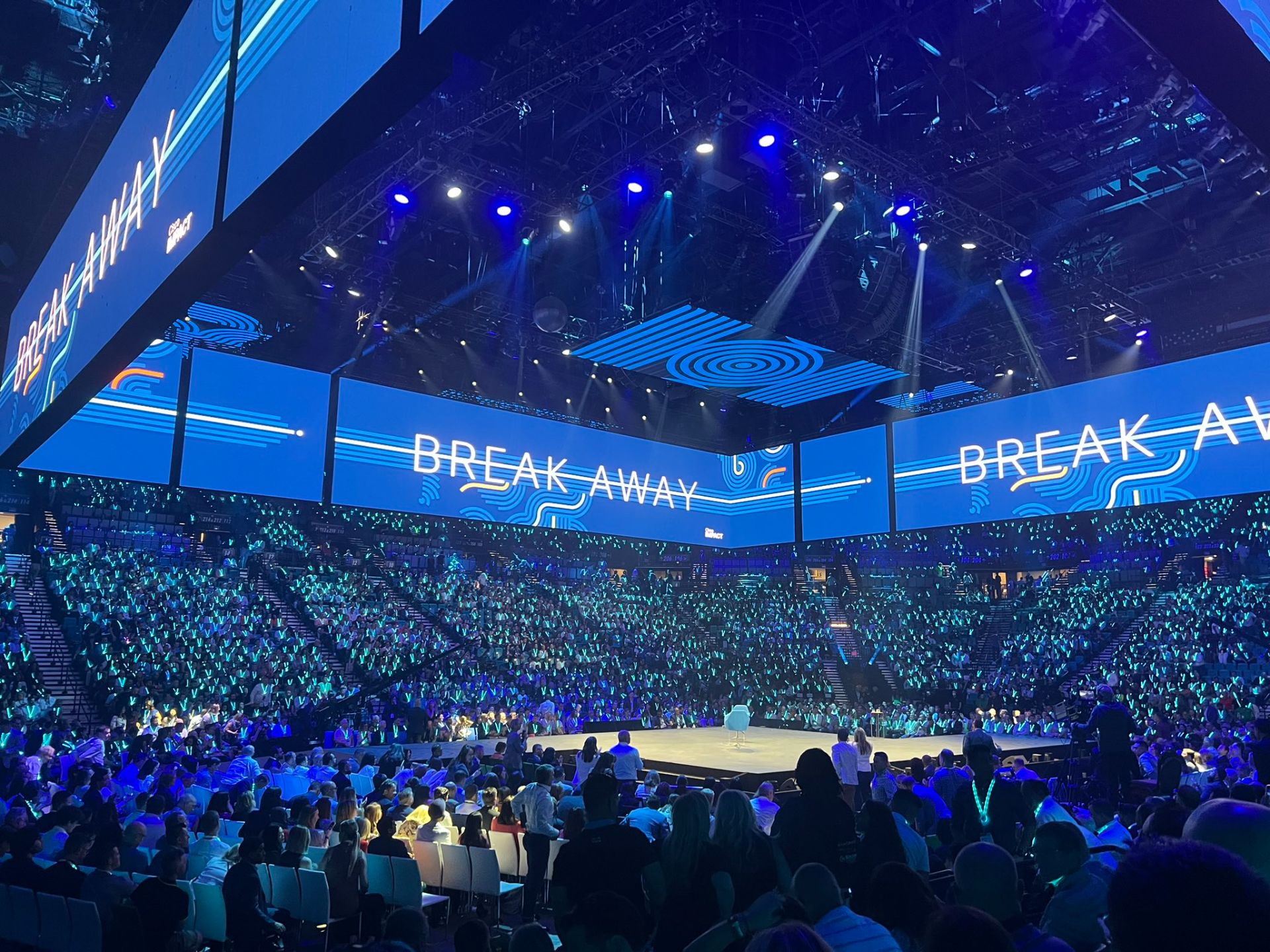
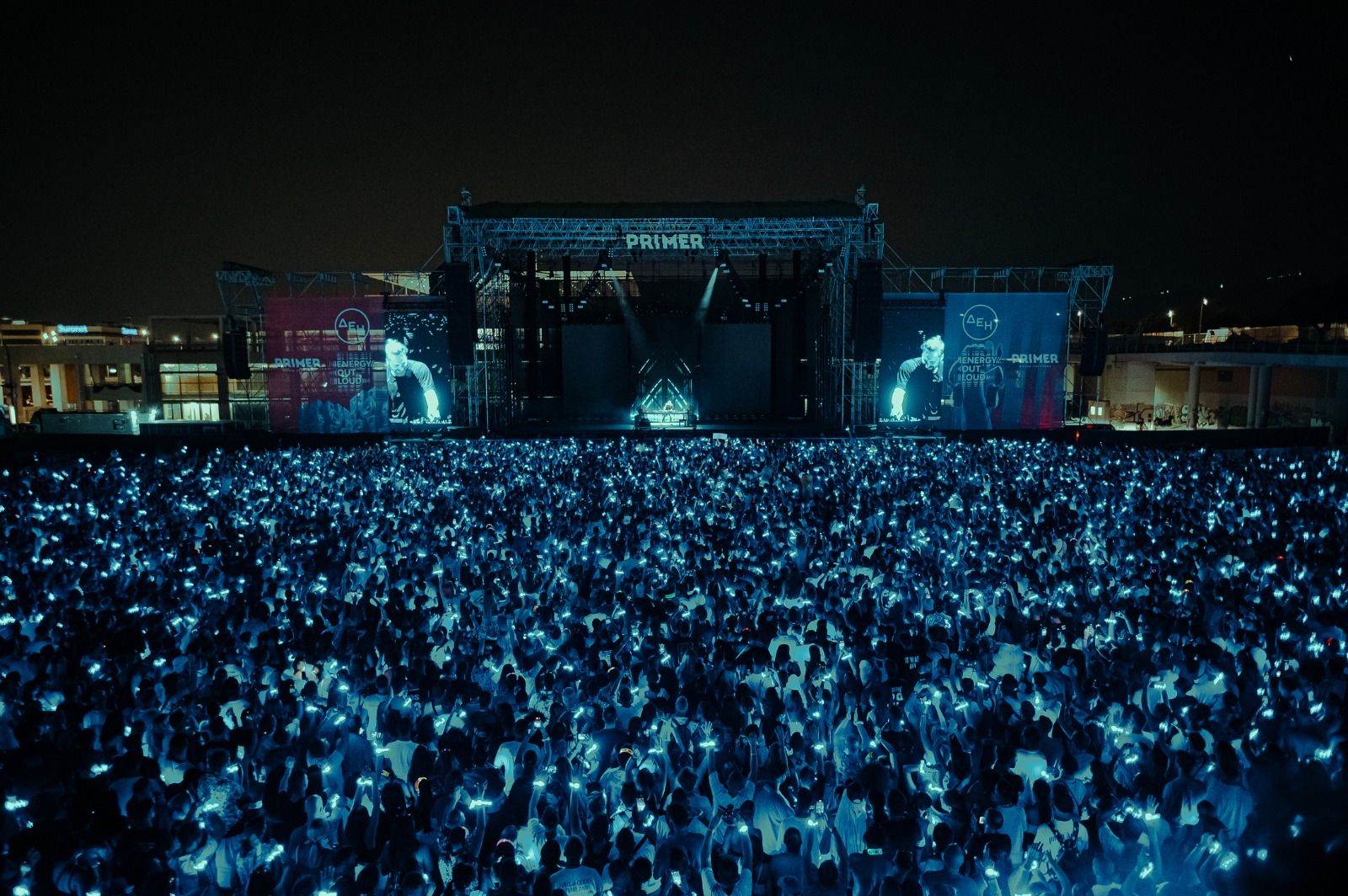
The physics of a space dictate the technology required to transform it. Engineering powerful and reliable LED experiences for an open-air electronic music festival like Primer in Greece, with its sprawling crowds and potential for RF interference, is a different challenge than lighting up the vertical architecture of a modern arena for a sports franchise like the New York Knicks. Whether we are designing festival wristbands for tens of thousands or sophisticated corporate event activations in a bespoke setting, the environment itself is a critical variable that informs our hardware and software development.
The Production’s Complexity
Modern live events are complex logistical operations. Our systems must not only perform flawlessly but also integrate seamlessly into the workflow of a global touring production. This means our R&D extends beyond the LED bands themselves to the entire ecosystem: the flight cases they travel in, the deployment strategies used by our distro teams, and the intuitive design of our control software for the lighting director. Every element is refined to minimize friction and maximize reliability under extreme pressure.
The Iterative Loop: A Glimpse Inside the Process
True innovation is a disciplined cycle of feedback, prototyping, and rigorous testing. It’s a commitment to solving problems before they arise and seeing every challenge as an opportunity for improvement.
Feedback as a Mandate
Our technicians and event staff are our most valuable source of R&D intelligence. They are on the ground, seeing firsthand how the equipment performs under real-world conditions. Their feedback—on everything from battery-tab design to transmitter setup—is not just encouraged; it is a mandatory part of our process. This direct line from the front lines to the engineering team ensures our evolution is grounded in practical reality, not theoretical assumptions.
Beyond the Wristband: System-Level Thinking
To innovate in this space is to think at the system level. A single LED bracelet is a marvel of miniaturization, but its true power is unlocked as part of a network. Our R&D encompasses the entire platform: the powerful transmitters that can command an entire stadium, the sophisticated software that allows for intricate programming, and the potential for future data integration. We are not just creating LED wearables; we are building the nervous system for the sentient crowd, a platform for creating breathtaking moments of shared experience.
The Unending Pursuit
The relentless pace of the live entertainment industry means our work is never done. Every successful event, every piece of client feedback, and every new technological possibility opens another door, revealing another path for improvement. This philosophy of constant, disciplined innovation is what allows us to not just participate in the world of immersive events, but to actively build its future.
The goal is not to perfect a single product, because no such thing exists. The goal is to perfect the process of innovation itself—to build a perpetual engine of refinement that can meet any challenge and empower any creative vision. That is the discipline required to move beyond the eureka moment and into the real work of shaping the future of live experiences.