Beyond the Final Whistle: The New Playbook for Immersive Sports Entertainment
Beyond the Final Whistle: The New Playbook for Immersive Sports Entertainment
The stadium is a modern Colosseum. The drama, the loyalty, the raw athletic prowess—it’s a potent formula that has captivated audiences for centuries. But in an age of on-demand content and infinite distraction, the 90-minute game is no longer the only product. The modern sports fan craves more; they seek an immersive spectacle, a story to step into, a collective experience that justifies the journey, the ticket price, and the undivided attention. The new frontier of sports entertainment isn’t just about the game—it's about choreographing unforgettable moments that extend far beyond the final whistle.
From the high-octane pageantry of the Super Bowl halftime show to the electric opening ceremonies of global tournaments like the Davis Cup, event producers are rewriting the playbook. They are transforming passive spectators into an active part of the show, using every tool at their disposal to build atmosphere, drive narrative, and create moments of collective euphoria. The goal is to create an environment so compelling that the memory of the experience lasts longer than the result of the match.
The Architecture of Atmosphere
Building this level of immersion starts long before the players take the field. It begins with a fundamental shift in thinking: the crowd is not just an audience; it is the final, critical piece of the production design. The seats, stands, and bowls of a stadium are a vast, dynamic canvas waiting to be painted with light and energy. This is where wearable LED technology becomes a game-changer.
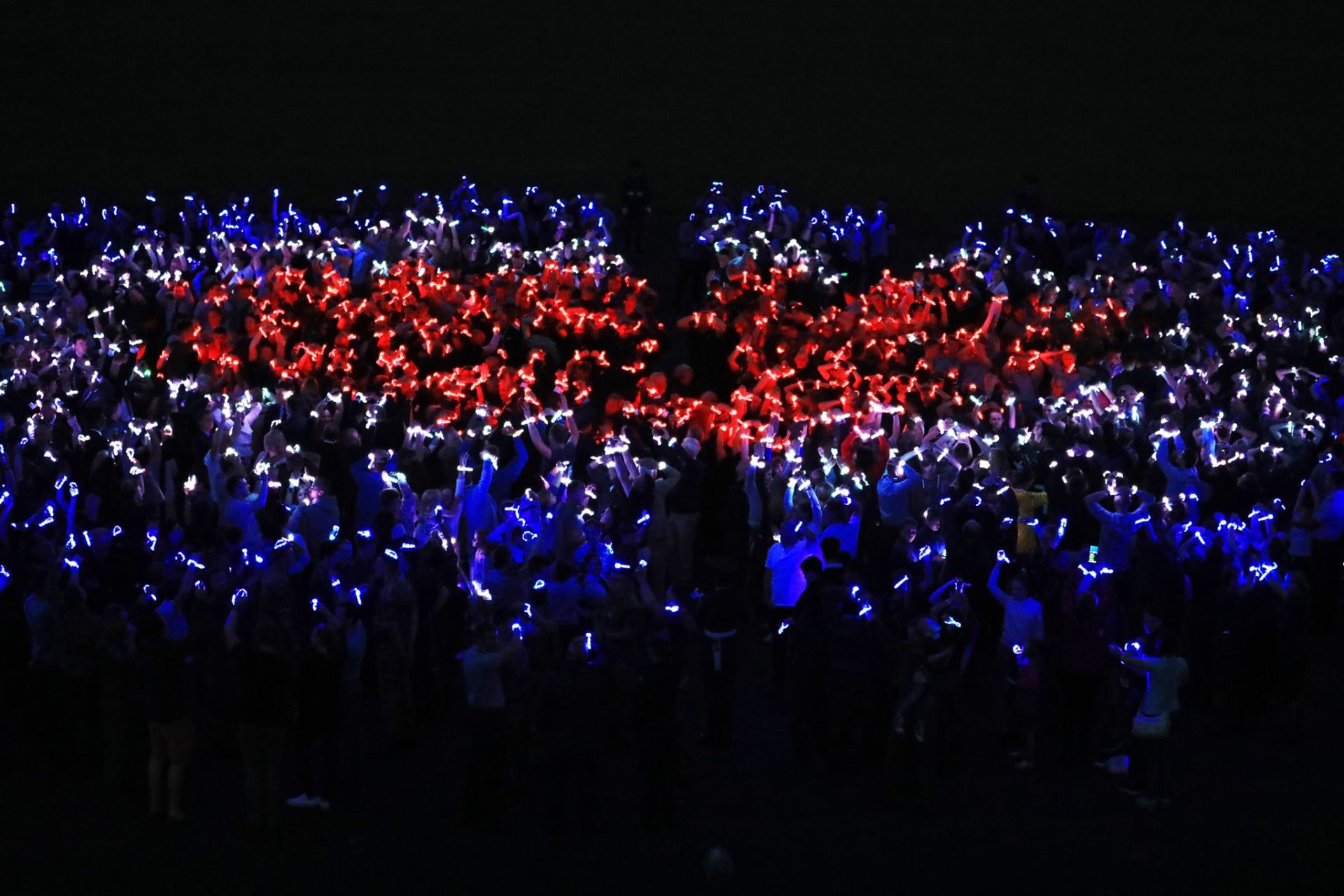
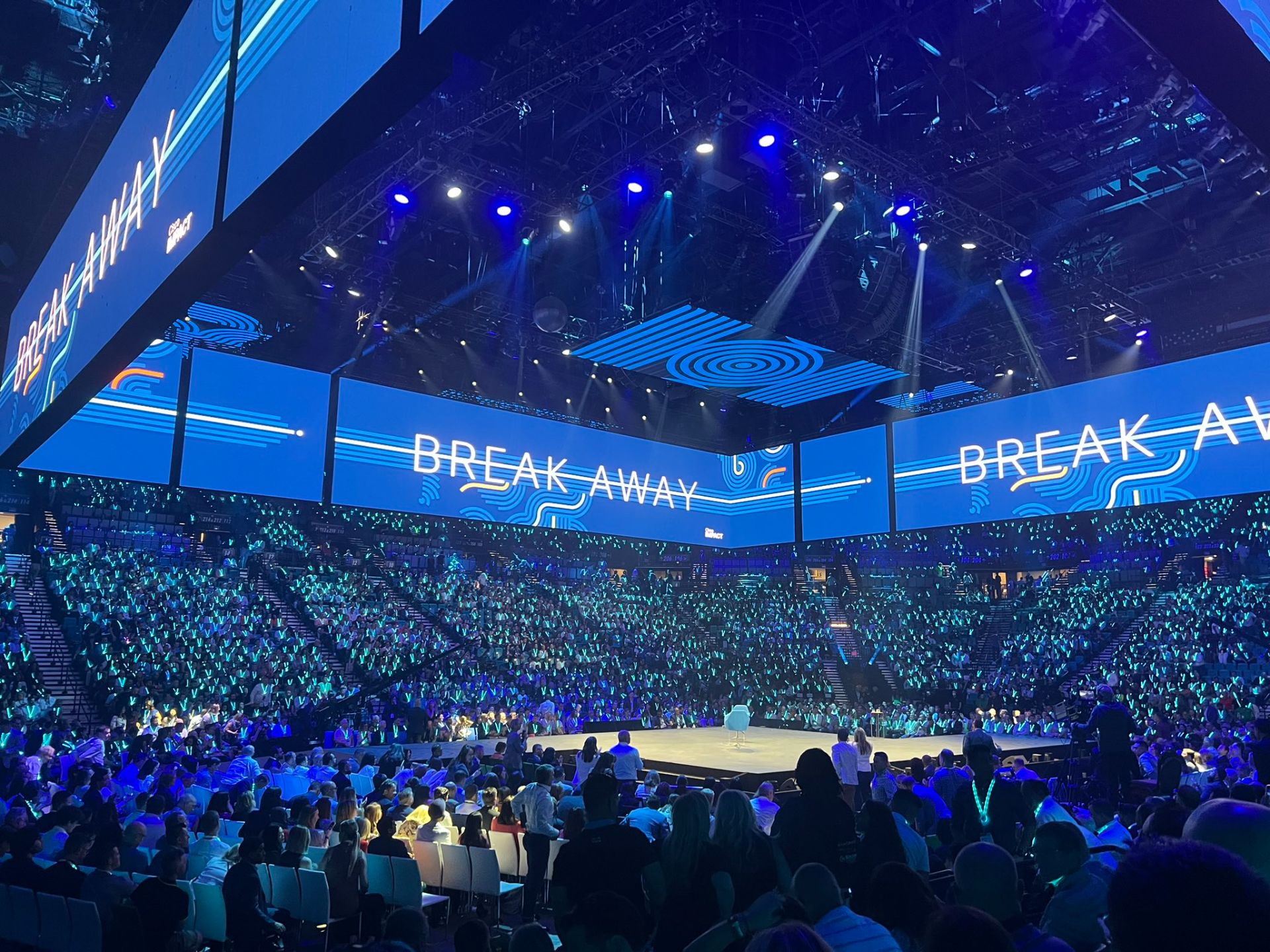
Imagine a basketball arena during the pre-game show. The house lights dim, and suddenly, 20,000 fans are illuminated in the home team’s colours, pulsing in sync with a heart-pounding track. As the star player’s name is announced, a wave of light ripples through the stands, tracing their path to the court. This isn’t just a light show; it’s a carefully choreographed piece of storytelling. It unifies the crowd, builds anticipation to a fever pitch, and visually reinforces the emotional connection between the fans and the team. It transforms thousands of individuals into a single, electric entity.
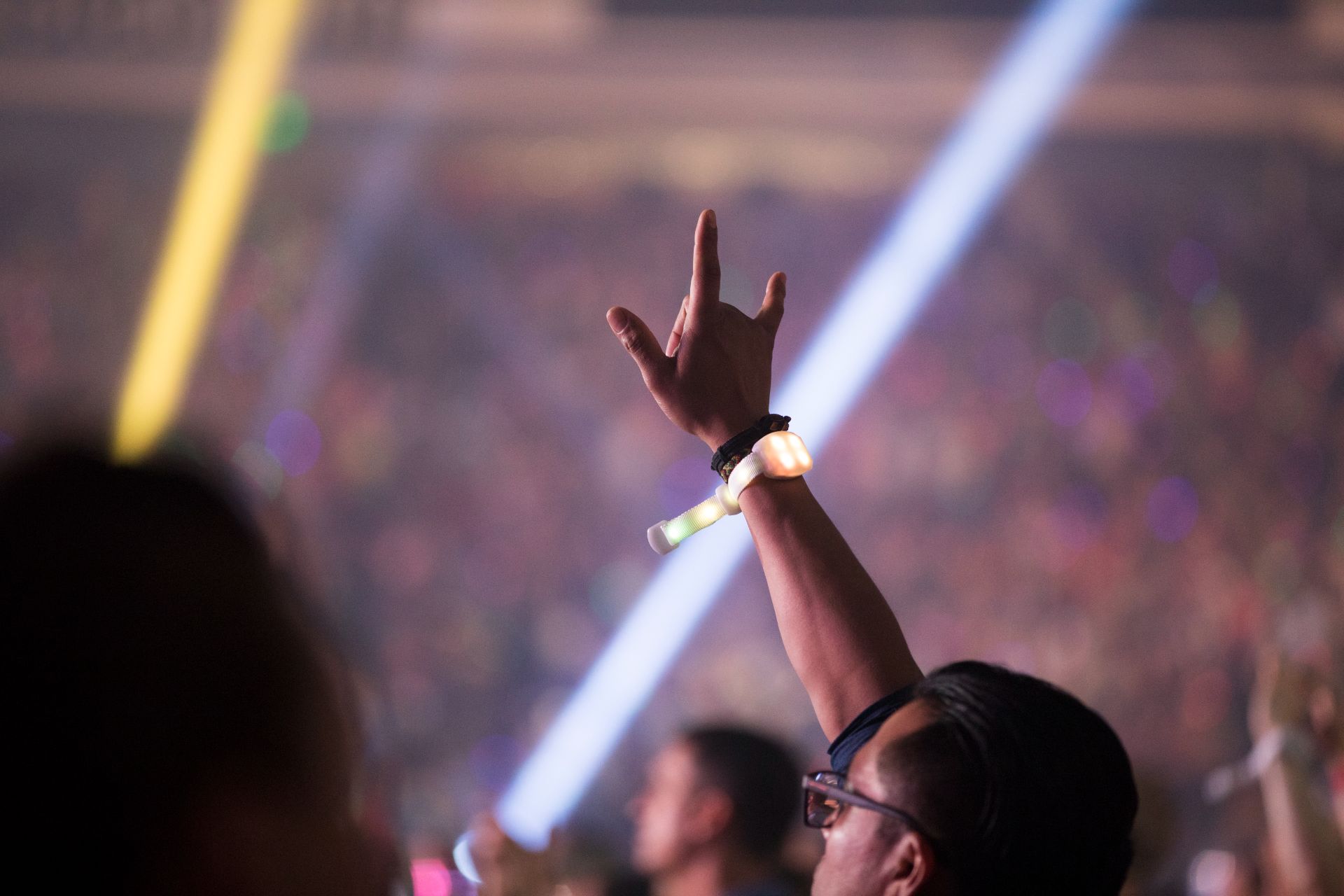
Franchises like the Chicago Blackhawks and New York Knicks have harnessed this power, using LED wristbands to amplify key moments, from player introductions to championship celebrations. By making each fan a pixel in a larger picture, they create stunning visual displays that are not only breathtaking for the live audience but also translate powerfully to broadcast, satisfying the needs of the two-screen experience.
Choreographing the Halftime Spectacle
The halftime show is the centerpiece of modern sports entertainment—a condensed, high-stakes sprint of live production. Here, the challenge is to pivot from the raw, unscripted drama of the game to a tightly choreographed musical or theatrical performance. This transition needs to be seamless, both technically and emotionally.
Successful halftime productions are built on a bedrock of precise timing and flawless technical integration. The artist’s performance, the lighting cues, the video content, and the audience’s participation must all align perfectly. When an entire stadium lights up in synchrony with a crescendo in the music, it’s the result of a complex, invisible dance between RF transmitters, lighting consoles, and thousands of individual devices like Xylobands.
This technology allows for incredible creative specificity. For instance, at the Formula One 75th anniversary event, custom LED Lanyards were distributed based on team affiliations and hospitality levels. This enabled the creative team to design dynamic effects that segmented the audience, creating visual rivalries and alliances within the arena itself. It’s a level of customization that turns a generic light show into a tailored narrative, deepening the fans’ sense of belonging and participation.
From Passive Viewers to Active Participants
The most forward-thinking sports organizations understand that the future lies in participation. The one-way broadcast model is obsolete. Today’s fan doesn't just want to watch the story; they want to be in it. Immersive event technology provides the tools to make that happen.
This can take many forms:
- Opening & Closing Ceremonies: Global events like the FIFA World Cup or the Rugby World Cup use light to tell the story of the host nation and build global unity, turning the entire stadium into a vibrant, moving flag or symbol.
- Championship Moments: When a team wins, the celebration can be magnified tenfold. Imagine the moment the final buzzer sounds and the entire stadium erupts in a cascading waterfall of glittering light, bathing every single fan in the glory of the victory. It’s a powerful, shared experience that becomes an indelible part of the memory.
- Sponsor Activations: In-game breaks and pre-show events offer prime opportunities for corporate event activations. A sponsor’s colours can wash over the crowd, or wristbands can light up to signal a prize-winning section, creating a fun, interactive moment that builds positive brand association without feeling intrusive.
The Future is Collective
As sports and entertainment continue to converge, the teams and leagues that thrive will be those that master the art of the live experience. They will be the ones who recognize that the game is just one part of a much larger performance. They will use technology not as a gimmick, but as a tool to forge a deeper, more emotional connection with their audience.
The roar of the crowd has always been the soundtrack to sports. Now, with the advent of immersive events powered by technologies like radio-controlled LED wristbands, the light of the crowd is becoming the visual signature. It’s a powerful, unifying force that transforms a simple game into a truly transcendent spectacle, ensuring that fans don’t just see the moment—they become it.