The Two-Team Game: Choreographing Light for the Modern Halftime Show
The Two-Team Game: Choreographing Light for the Modern Halftime Show
The whistle blows. The teams retreat. For the players, it is a moment of tactical recalibration. For the production crew, it’s a zero-hour countdown. The modern halftime show is no longer a footnote to the main event; it is a primary spectacle, a broadcast-within-a-broadcast, and a high-stakes demonstration of brand power. In this compressed timeframe, a second game is played—one of logistics, technology, and pure creative execution.
But the field of play has expanded. It’s no longer confined to the turf or the court. Today, the most innovative halftime shows extend their choreography into the stands, transforming a passive audience into an active, luminous participant. This is the art of choreographing with light, and it’s rewriting the playbook for sports entertainment.
From Passive Spectacle to Active Canvas
Historically, the halftime show was a one-way transmission: performers on the field, audience in the seats. The energy flowed in one direction. The introduction of large-scale pyrotechnics and complex stage mechanics raised the bar, but the fundamental dynamic remained unchanged. The crowd watched; the show happened.
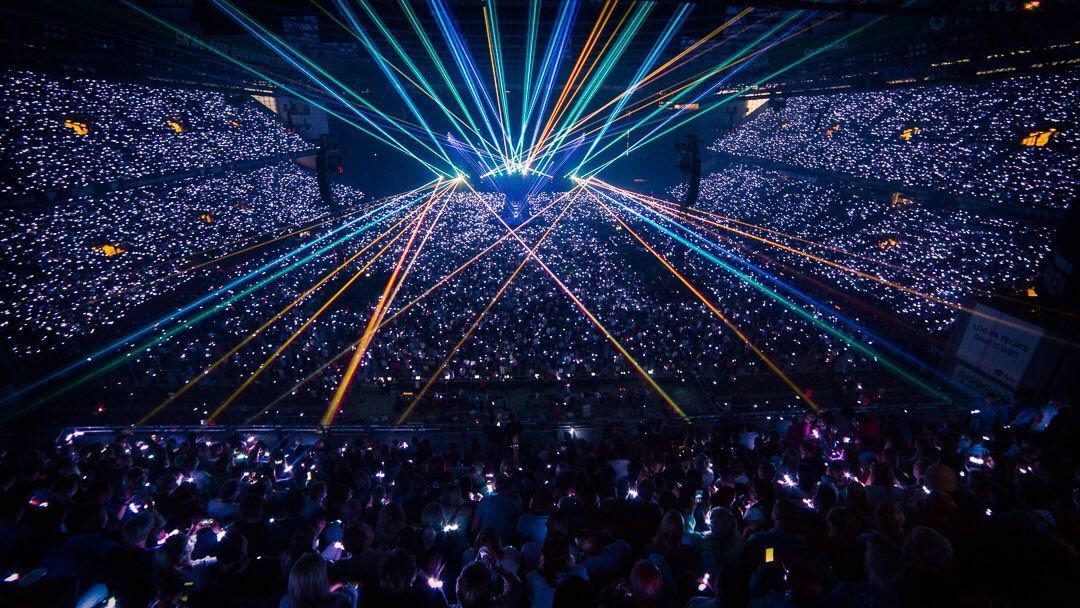
The revolution began when we stopped seeing the crowd as a collection of individual spectators and started seeing them as a single, addressable canvas. With the advent of wearable LED technology, every seat holder becomes a pixel in a stadium-wide display. This is not just a visual gimmick; it is a fundamental shift in event architecture. The audience is no longer merely observing the spectacle; they are the spectacle.
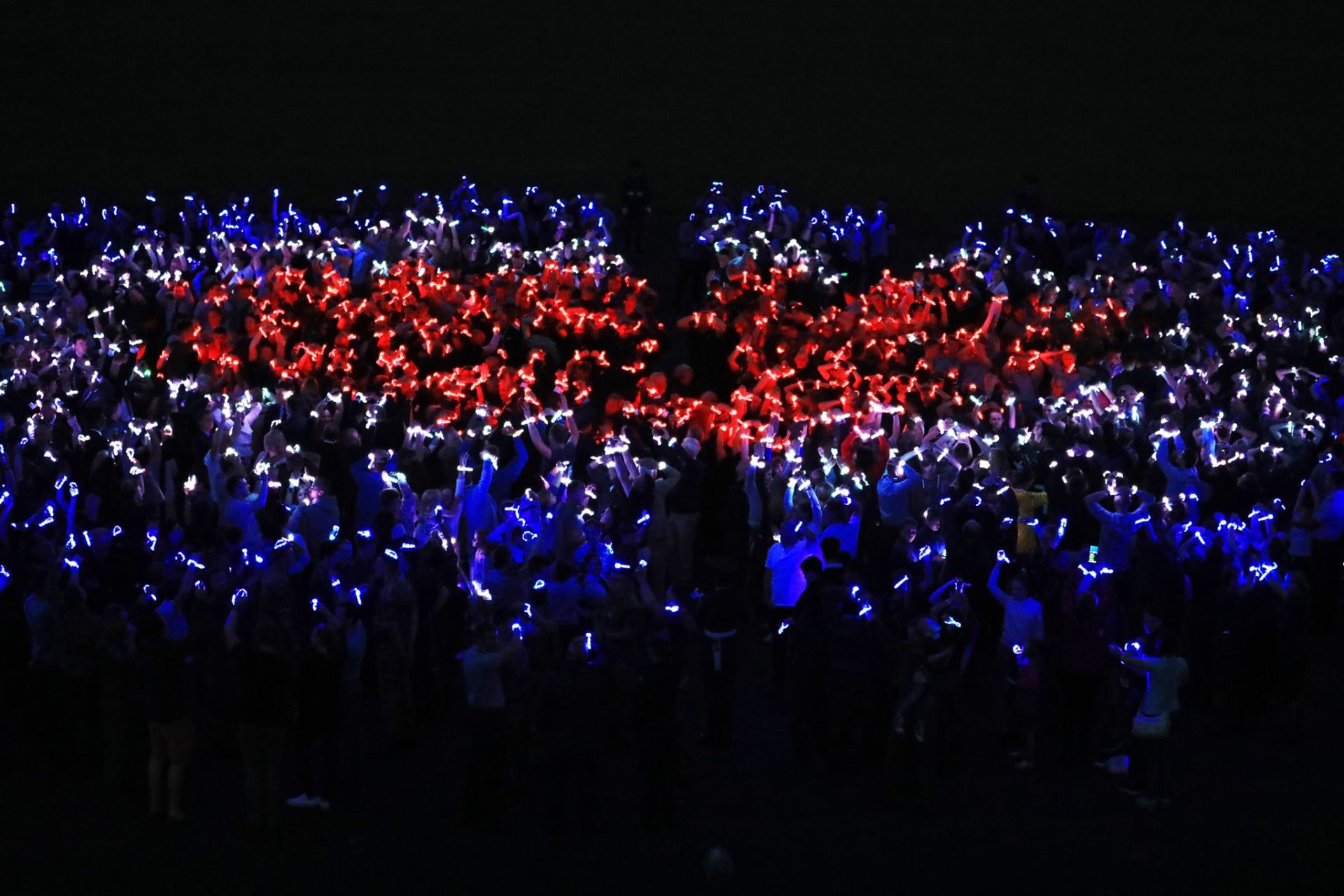
This approach allows for a level of visual storytelling previously impossible. Imagine a basketball arena, where a three-point shot triggers a ripple of light that explodes outwards from the court, washing over the entire upper deck in the home team’s colours. Or a pre-match rugby ceremony where the stadium is divided, with thousands of lights painting the competing nations' flags across the stands, building a palpable sense of anticipation. This is the power of LED crowd experiences.
The Technical Choreography: Beyond the Performer
Integrating 40,000, 60,000, or even 90,000 points of light into a live performance requires a second layer of choreography that is as precise and demanding as the movements of the artists on stage. It involves a deep collaboration between the show’s creative director, the lighting designer, and the technology provider.
Here’s what that process looks like:
- Mapping the Canvas: Before a single wristband is deployed, the entire stadium is mapped into zones. This isn’t just about seat numbers; it’s about understanding sightlines, camera angles, and how different sections of the crowd can be used to create specific shapes, patterns, and movements of light.
- Cue Integration: The lighting cues for the audience are programmed in lock-step with the show’s primary lighting, audio, and video tracks. Using robust RF (Radio Frequency) control systems, a single operator can trigger complex, multi-zone effects that are perfectly synchronised to the beat of the music or a critical moment in the performance.
- Designing for Broadcast: Halftime shows are designed for two audiences: the people in the stadium and the millions watching at home. Xylobands are engineered to render vibrantly on camera, ensuring that the spectacular visuals created by the live crowd translate into compelling television for the broadcast audience. This dual-focus was critical for events like the Formula One 75th Anniversary celebration, where the in-arena experience had to be as powerful as the live global broadcast.
“The creative scope is immense. We can make light chase a performer across the stage, create pulsating waves of colour that mimic a heartbeat, or reveal a sponsor’s logo across an entire stadium bowl. The crowd becomes a living, breathing part of the show’s design.”
Unifying the Tribe: The Psychology of Shared Light
Beyond the technical wizardry, transforming the crowd into a light show serves a powerful psychological function. In sports, tribal affiliation is everything. When fans are physically united by a synchronised display of their team’s colours, it amplifies the sense of community and shared purpose. It’s a technologically-driven ritual that reinforces belonging.
This was powerfully demonstrated at international competitions like the Davis Cup, where national pride is paramount. By using radio controlled LED wristbands to paint entire sections of the arena in a country’s colours, you are not just creating a photo opportunity; you are making a visceral statement of unity. You are turning thousands of individuals into one team.
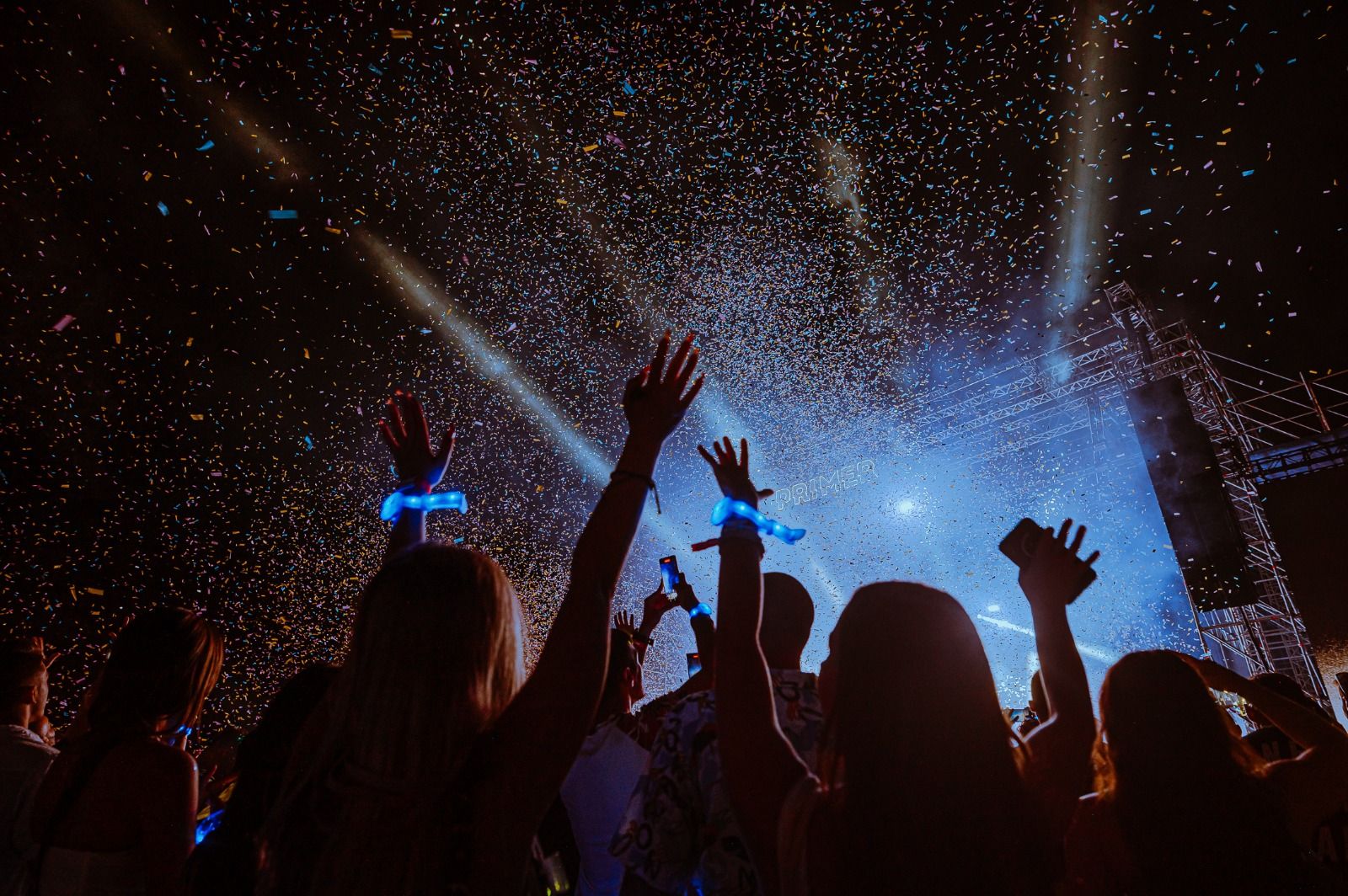
The same principle applies to creating iconic moments. Think of a championship victory. The final whistle blows, and the entire stadium instantly erupts in a cascade of glittering, celebratory light in the winning team’s colours. It’s a moment that becomes etched in the memory of everyone present—a final, emotional punctuation mark on the story of the game. These are the immersive events that fans talk about for years.
The Future is a Co-Created Spectacle
As we look to the future of sports entertainment, the line between performer and audience will continue to blur. The halftime show is the perfect laboratory for this evolution. It is a space where the traditions of live performance meet the bleeding edge of immersive event technology.
The challenge for producers and choreographers is no longer just about what happens on the field. It’s about how to harness the energy, passion, and physical presence of the entire crowd. It’s about seeing every fan not just as a ticket holder, but as a vital part of the performance. In the two-team game of the modern halftime show, the crowd is finally getting its chance to play.