The Crowd as a Sensor: Rethinking Event Safety with Data and Light
The Unseen Pulse of the Crowd
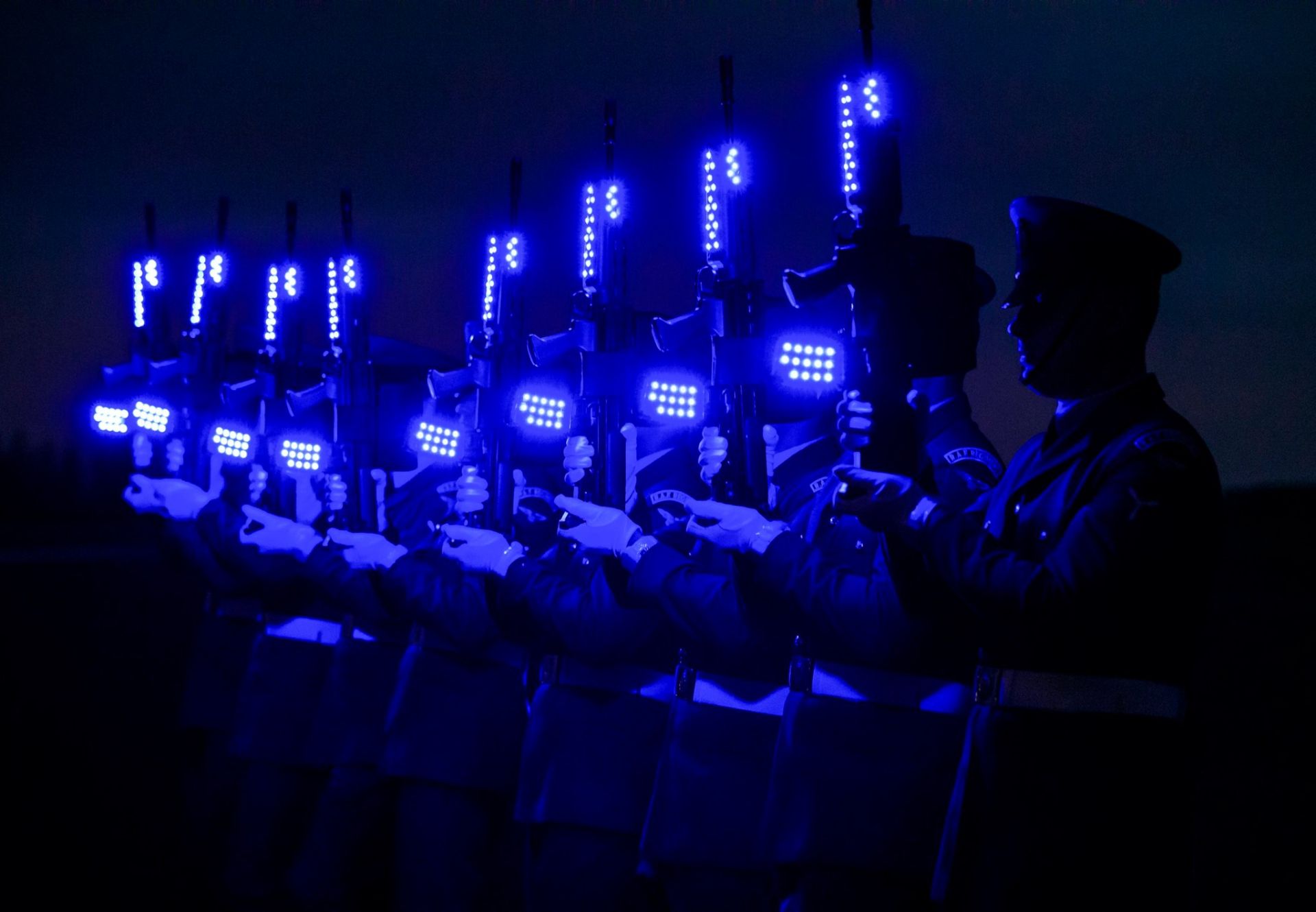
A live audience is a living, breathing organism. From the electric anticipation before the first note to the unified roar of an encore, a crowd has a collective pulse. For decades, event producers and safety officers have relied on experience, observation, and historical data to manage the flow and ensure the wellbeing of tens of thousands of people. But in the age of immersive technology, we are on the cusp of a new paradigm—one where the crowd itself becomes a real-time sensor, providing invaluable data to create safer, more responsive environments.
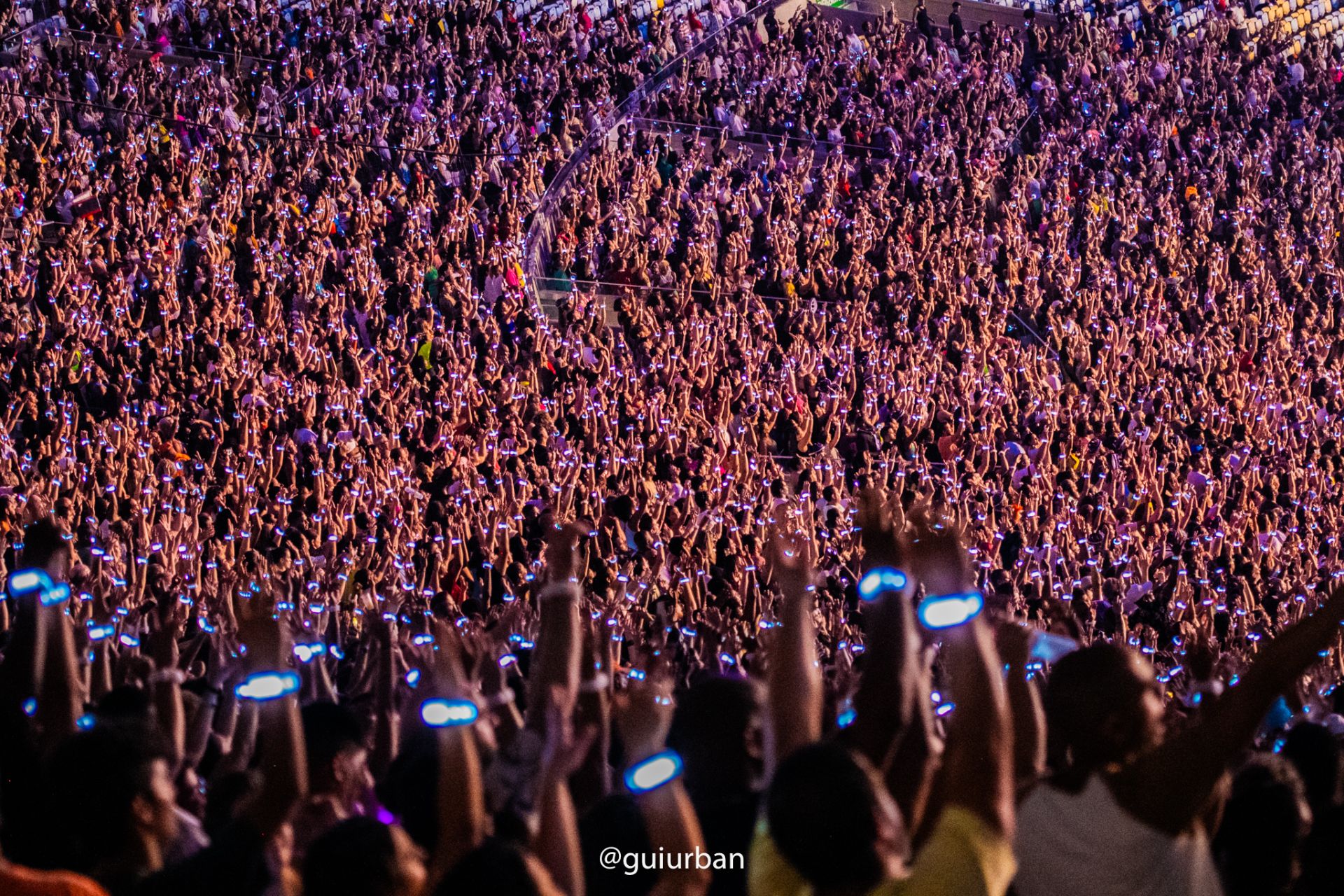
The challenge is immense. A stadium holding 50,000 fans, like the one for Maluma’s historic Medellín concert, is a temporary city with complex, ever-shifting dynamics. Traditional methods of crowd control are often reactive, addressing issues like crushes or medical emergencies only after they have begun to escalate. The future of event safety lies in proactivity, in seeing the patterns before they become problems. This is where data, and unexpectedly, light, come into play.
From Spectacle to Safety Signal
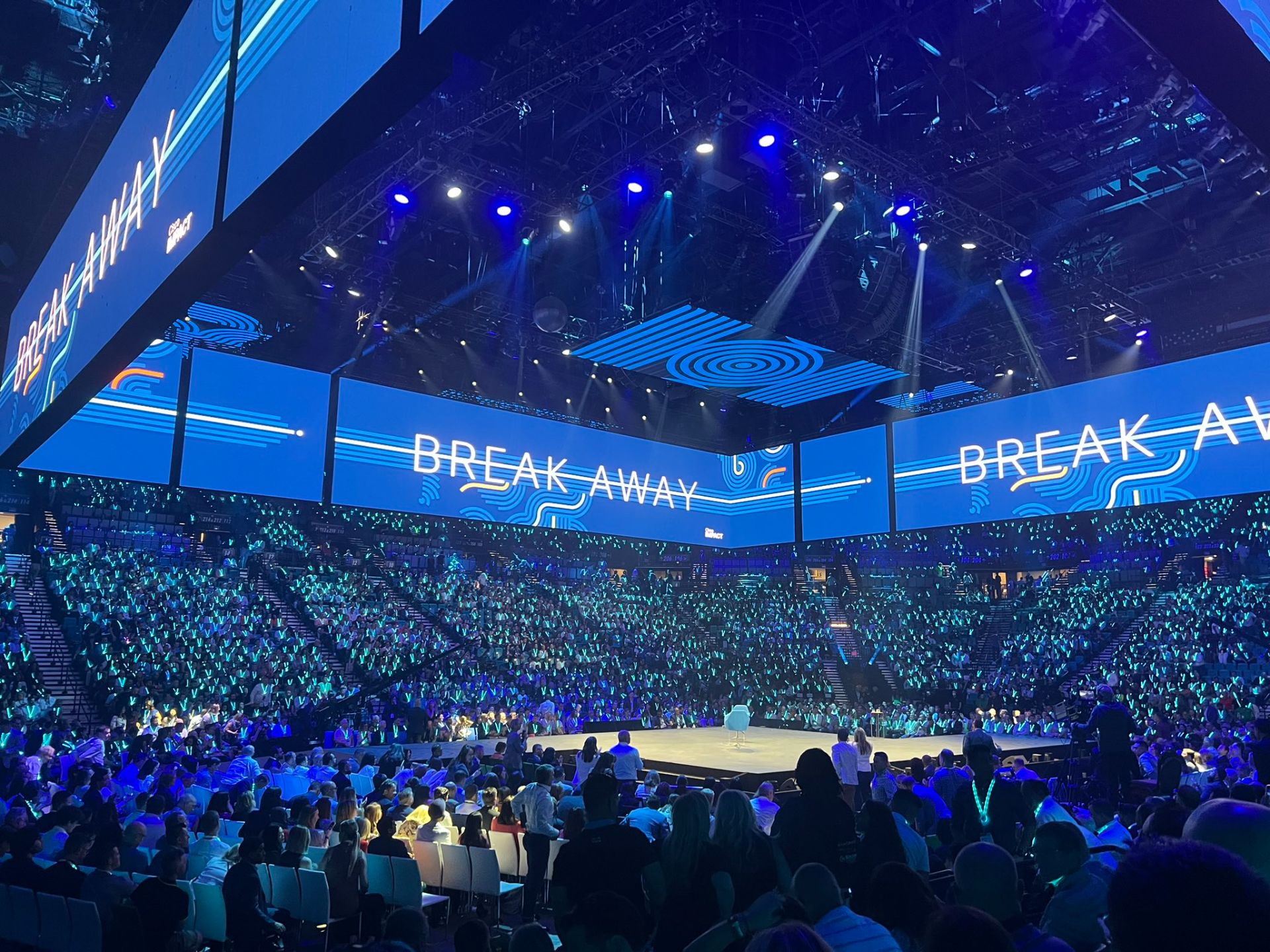
At Xylobands, our primary mission has always been to deepen the connection between the artist and the audience. We turn tens of thousands of individuals into a single, unified canvas of light. Our radio-controlled LED wristbands and other wearable LED technology are designed to create stunning visual spectacles, transforming an entire arena into part of the show. Yet, the same underlying technology that powers these immersive events holds a powerful secondary function.
Every one of our LED bands is a node in a sophisticated RF (Radio Frequency) network. This network is designed for high-speed, high-density communication, allowing a single operator to control hundreds of thousands of devices in perfect sync. While the primary data flow is outbound—sending commands to flash, fade, or change colour—the potential for inbound data is the next frontier. Imagine a system where the wristbands don’t just receive signals, but send them.
“The same network that creates a breathtaking light show can be repurposed to monitor the environment it inhabits. It’s not about surveillance; it’s about understanding the physics of the crowd.”
Reading the Room in Real Time
How can LED bracelets contribute to crowd analytics? The possibilities are grounded in data points that, when aggregated, paint a detailed picture of the audience environment:
- Density & Flow Analysis: By understanding the signal strength and response times of wristbands in different zones, we can begin to map crowd density in real time. Are certain areas becoming dangerously compressed? Are exit pathways clear or congested? Visualising this data on a venue map could allow security and operations teams to redirect foot traffic or deploy personnel before a critical density is reached.
- Environmental Monitoring: Future iterations of LED wearables could incorporate simple environmental sensors. Temperature is a key indicator of crowd density and potential distress. An unusual spike in temperature in a specific section could trigger an alert for staff to investigate, potentially preempting cases of heat exhaustion or fainting.
- Audience Response & Engagement: On a creative level, understanding how different zones of the crowd respond to the show offers incredible feedback. But on a safety level, a sudden lack of movement or response in one area could be an indicator of a problem, prompting a welfare check.
The Human Element, Amplified by Light
This data-driven approach is not about replacing the human element. The experienced eye of a security professional is irreplaceable. Instead, it’s about augmenting their senses, giving them a new layer of information to make more informed, proactive decisions. It’s a technological co-pilot for crowd management.
Consider the logistical complexity of an event like the Formula 1 75th Anniversary celebration at The O2 Arena. Our team was tasked with distributing custom LED Lanyards (Xylo Pendants) to specific seating areas to achieve complex, zoned lighting effects for the broadcast. This logistical mapping is, in essence, a foundational layer of crowd data. We know where specific groups are, and we have a communication channel to them. The next logical step is to use that channel for safety and operational efficiency.
During a medical emergency, for example, imagine being able to instantly create a halo of pulsing blue light around the affected individual’s wristband. This signal, visible from hundreds of feet away, could guide paramedics through a dense crowd far more effectively than a radio call and a flashlight. In a venue-wide emergency requiring evacuation, the wristbands could turn red and pulse in a pattern that directs people toward the nearest safe exit, using colour and rhythm to communicate across language barriers.
Building Trust Through Technology
The implementation of any crowd analytics system must be built on a foundation of trust and transparency. The goal is never to track individuals but to understand the collective behaviour of the swarm. The data is anonymized and aggregated, focusing on the macro dynamics of the system, not the micro-actions of a person. It’s the difference between studying a weather pattern and tracking a single raindrop.
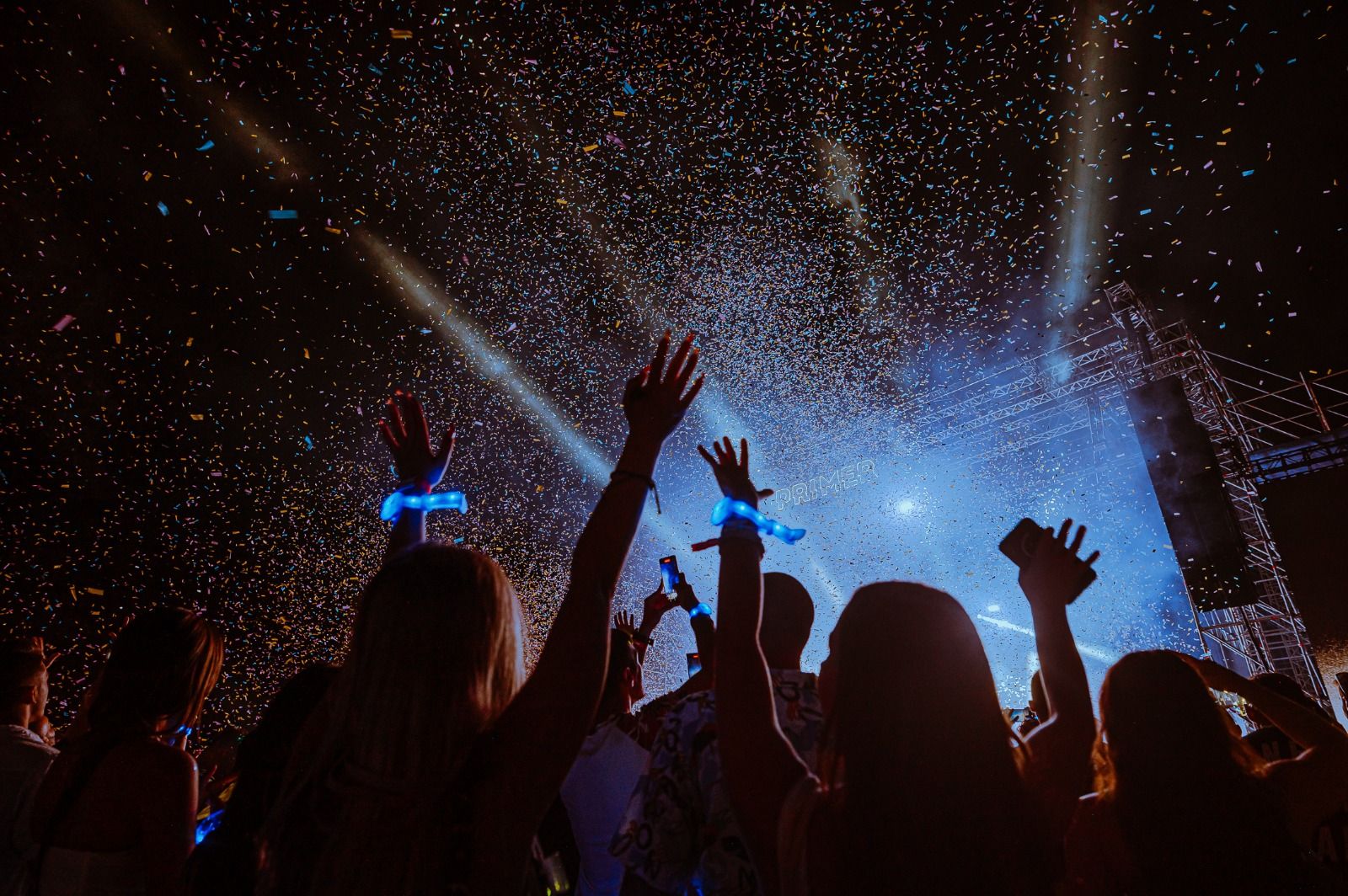
As we continue to develop immersive event technology, the convergence of spectacle and safety is inevitable. The same systems that power breathtaking LED crowd experiences can also serve as a silent guardian, an unseen network dedicated to the wellbeing of every fan. From festival wristbands at PRIMER Music Festival to the high-stakes environment of international sports, the potential is universal.
The future of live events is not just more immersive; it’s smarter and safer. By viewing the crowd as a dynamic sensor array, we can move from reactive problem-solving to proactive crowd care, ensuring the only thing fans have to worry about is having the time of their lives. The lights don’t just guide them home; they help keep them safe while they’re there.