Decoding the Light: The Core Technologies Behind Immersive LED Experiences
The Anatomy of a Phenomenon
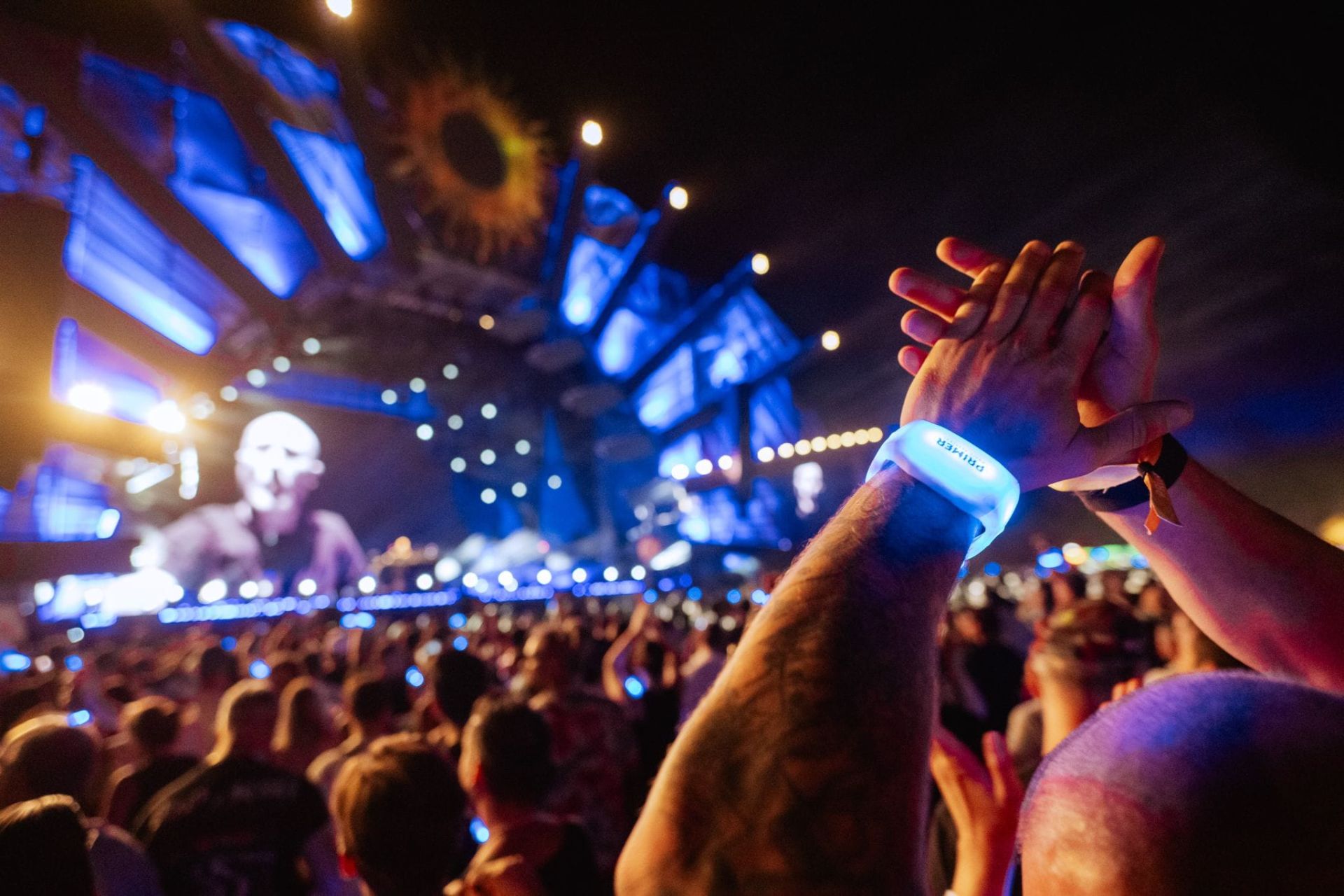
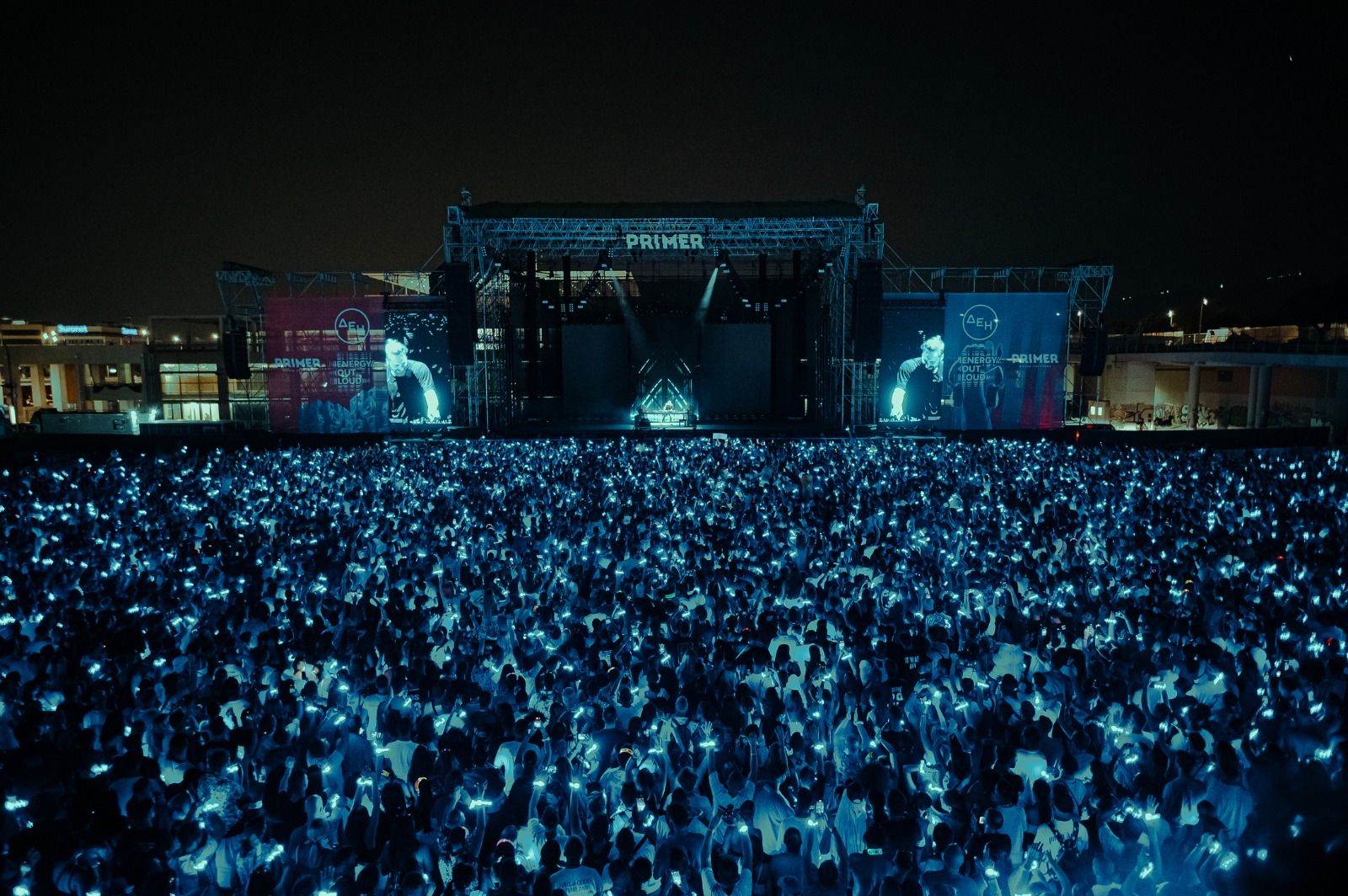
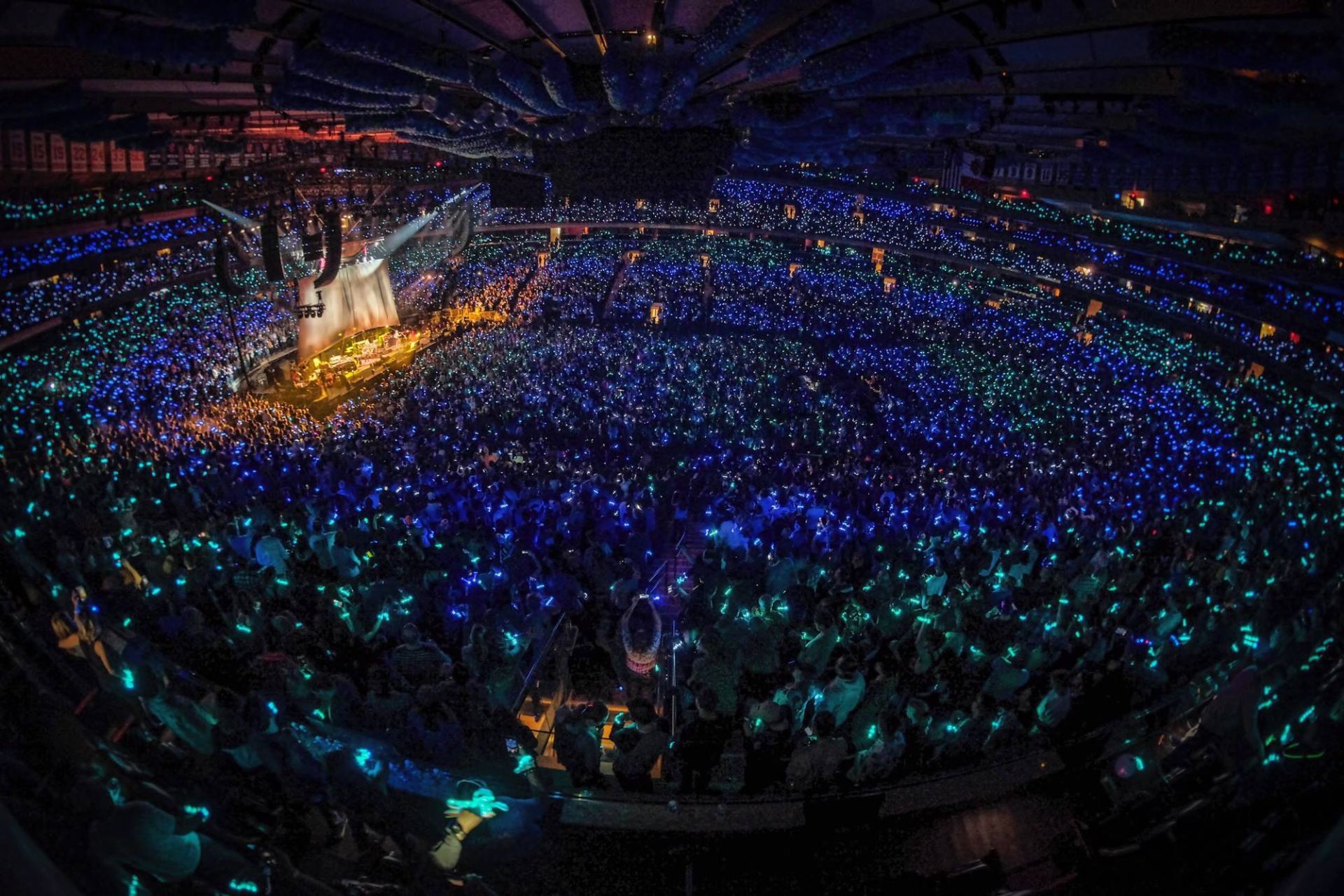
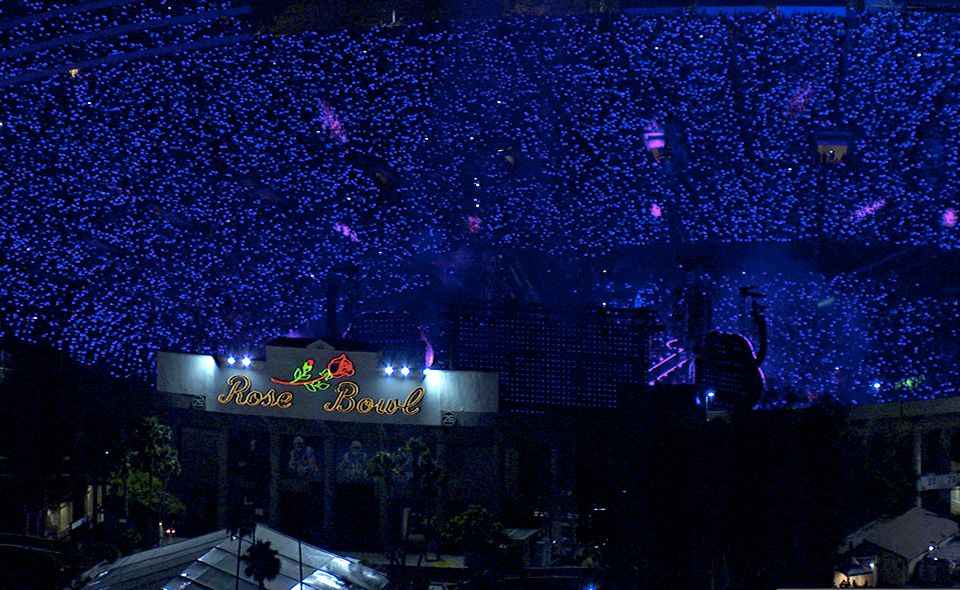
A stadium goes dark. A single guitar note hangs in the air. Then, in an instant, 50,000 points of light burst to life, pulsing in perfect unison with the music. The audience is no longer just watching the show; they are the show. This is the power of Immersive Event Technology, but it isn’t magic. It’s a carefully orchestrated symphony of advanced engineering, creative programming, and three core control technologies that every event producer should understand.
At Xylobands, we pioneered the mass use of Wearable LED Technology, transforming the passive crowd into an active, illuminated canvas. Since lighting up Coldplay’s Mylo Xyloto tour, we’ve deployed over 10 million wristbands across more than 70 countries. Behind every one of those unforgettable moments is a robust technical backbone. Understanding this technology—specifically Radio Frequency (RF), DMX, and Infrared (IR)—is key to unlocking its full potential for your own productions, from global broadcasts to intimate corporate events.
The Arena Standard: Radio Frequency (RF) Control
When you need to command tens of thousands of light points across a vast space like a stadium, festival field, or arena, Radio Frequency is the undisputed champion. It’s the workhorse behind the world’s most iconic LED Crowd Experiences.
How It Works
An RF system consists of two primary components: a central transmitter and the receivers located in each individual LED wristband or lanyard. Our proprietary software allows a lighting designer or technician to send commands from a control desk to the transmitter. The transmitter then broadcasts these signals over a specific radio frequency across the entire venue. Each wristband receives the command simultaneously, instructing its LEDs to turn on or off, change to a specific color, or execute a pre-programmed effect like strobing or fading.
The true power of RF lies in its scalability and zoning capabilities. A single transmitter can control a virtually unlimited number of wristbands within its range (typically up to 800 meters). More importantly, we can pre-program the LED Bands into hundreds of different zones. This allows for breathtakingly complex and dynamic effects.
Imagine not just a sea of one color, but intricate, moving patterns. This is zoning in action. We can create waves of light that travel vertically up the stands, horizontal sweeps that circle the stadium, or checkerboard patterns that flash across the crowd. These aren’t random effects; they are precise, pre-planned moments of visual artistry.
At a pivotal Champions League match for Sevilla FC, we used this exact technique. With the team down 3-0 at halftime, we helped galvanize the crowd by creating vertical and horizontal wave effects through all 39,000 fans. The resulting atmosphere was electric, contributing to a legendary 3-3 comeback. This is the tangible impact of well-executed RF control—it transforms the environment and unifies the audience.
The Broadcast Standard: DMX Integration
While RF excels at mass control, there are times when precision and integration with a wider lighting rig are paramount. This is especially true for broadcast events, theatrical productions, and high-profile corporate launches. For this, we turn to DMX.
How It Works
DMX (Digital Multiplex) is the universal language of professional stage lighting. It’s the protocol that allows lighting consoles to speak to everything from moving head-lights and smoke machines to lasers and video screens. Our LED Event Technology is designed to seamlessly integrate into this ecosystem.
Instead of a standalone transmitter, our DMX base station connects directly to the event’s main lighting desk. This gives the show’s lighting director pixel-perfect, cue-by-cue control over the wristbands, just as they would have over any other fixture in their rig. The Xylobands become another tool in their creative palette, able to be programmed into the main show with split-second timing. This level of granular control is essential for television, where the audience is not just in the room but watching from home. For clients like ITV, Eurovision, and Formula One, this integration is non-negotiable.
The Interactive Standard: Infrared (IR) Triggers
What if you want the light to react not just to a central controller, but to the actions and location of the individual guest? This is the domain of Infrared (IR) technology, which excels at creating interactive, personalized experiences on a smaller scale.
How It Works
Unlike the wide broadcast of RF, IR is a line-of-sight technology that operates over a short range. Small, strategically placed IR transmitters are installed throughout a venue—at an entrance, in front of a product display, within a breakout zone, or along an experience pathway.
When a guest wearing a wristband comes within range of a transmitter, it sends a localized signal that triggers a specific pre-programmed action. This opens up a world of possibilities for Corporate Event Activations and experiential marketing:
- A guest’s wristband lights up green as they enter the main hall.
- It flashes a specific color when they approach a particular sponsor’s booth.
- It pulses in sync with a video screen they are watching.
This technology allows for a highly segmented and engaging audience journey. You can guide attendees, reward them for exploring, and create delightful, surprising moments of interaction that make a brand experience truly memorable. Using Custom LED Wristbands branded for the occasion further enhances this personal connection.
Engineering the Unforgettable
The most powerful Immersive Events often use a hybrid approach, blending the strengths of each technology. A festival might use RF for the main stage, while deploying IR triggers in a sponsor’s tent. A corporate conference could use RF for a stunning opening session, followed by IR to manage breakout groups. The technology is a flexible toolkit, designed to be adapted to the specific creative and logistical needs of an event.
Ultimately, the goal of this technology is not just to create light, but to create connection. It’s about breaking down the barrier between the performer and the audience, unifying a temporary community of strangers into a single, cohesive body. From the roar of a stadium to the focused energy of a product launch, understanding these core technologies is the first step toward creating a truly unforgettable experience.