The Lasting Echo: A New Philosophy for the Show Encore
The Encore Paradox
For decades, the encore has been a predictable ritual: the house lights dim, the crowd roars, and the band returns for a few more songs. It’s a cherished tradition, but one that often feels more like an obligation than a genuine, spontaneous moment. In the modern era of immersive, technologically advanced live productions, this formula represents a missed opportunity. The encore is not merely the end of the show; it is the final, indelible signature left on an audience's memory. It’s the last echo they carry with them into the night. Designing this moment requires a shift in thinking—from encore-as-afterthought to encore-as-climax.
Beyond the Curtain Call: The Encore as Final Story Beat
A truly great encore doesn’t just extend the setlist; it reframes the entire narrative of the performance. It’s the final chapter, the twist ending, the moment that crystallizes the emotional arc of the night. This requires a conscious design choice. Is the goal to send the audience out on a euphoric high, a wave of pure energy? Or is it to create a moment of quiet, intimate connection, a shared secret between artist and crowd?
Consider the difference in impact. A full-throttle, pyrotechnic-fueled anthem serves a different purpose than a stripped-back acoustic ballad performed on a B-stage in the middle of the arena. The former is a statement of power and scale. The latter is an act of vulnerability and intimacy. Neither is inherently better, but the choice must be deliberate. It must serve the story the artist wants to tell. The encore is the last word, and it should be chosen with absolute precision.
The Crowd as the Final Instrument
The most transcendent encores are those that dissolve the barrier between the performer and the performed-for. Historically, this was achieved with lighters held aloft—a sea of tiny, individual flames creating a singular, powerful image. Today, the tools are infinitely more sophisticated, but the principle remains the same: transforming a passive audience into an active, integral part of the spectacle.
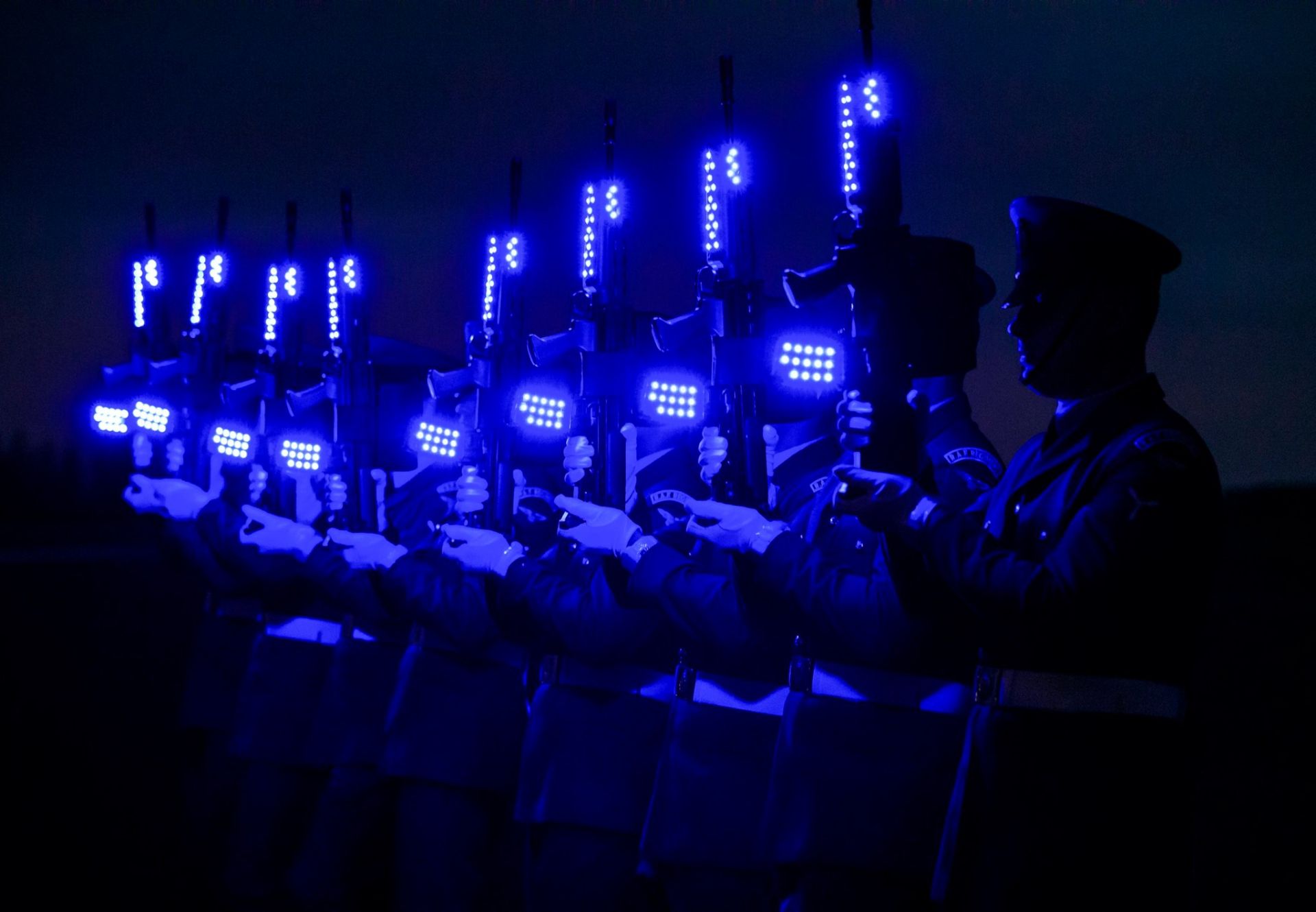
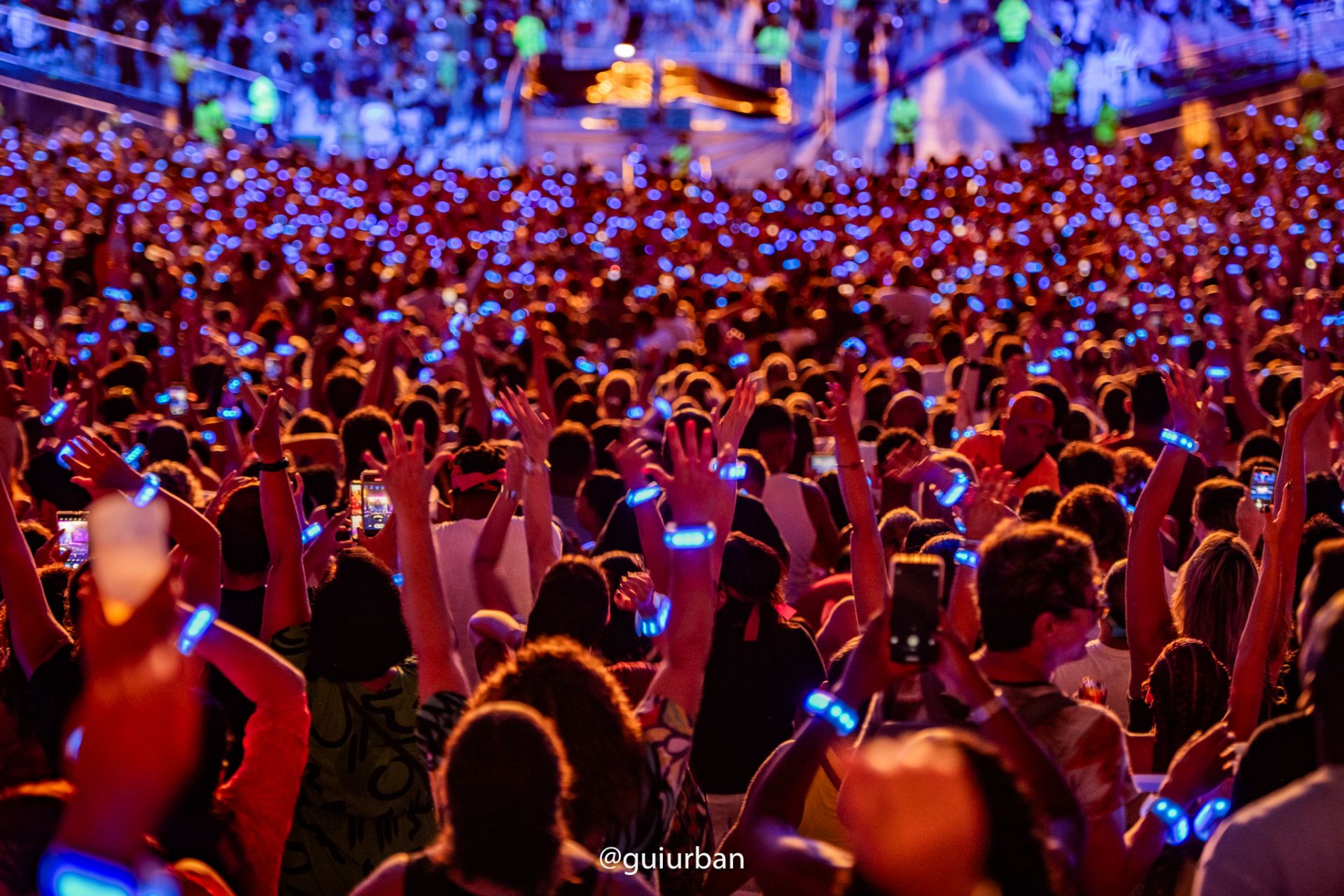
This is where wearable LED technology becomes a game-changer. Imagine a stadium plunged into darkness. The final notes of the main set have faded, the air thick with anticipation. Then, a single pulse of light emanates from a wristband on one person’s arm. Another answers it from across the venue. Soon, thousands of points of light begin to breathe in unison, a silent, collective heartbeat. When the artist returns, they are not returning to a dark, expectant void, but to a living, breathing environment of light that they can conduct and control.
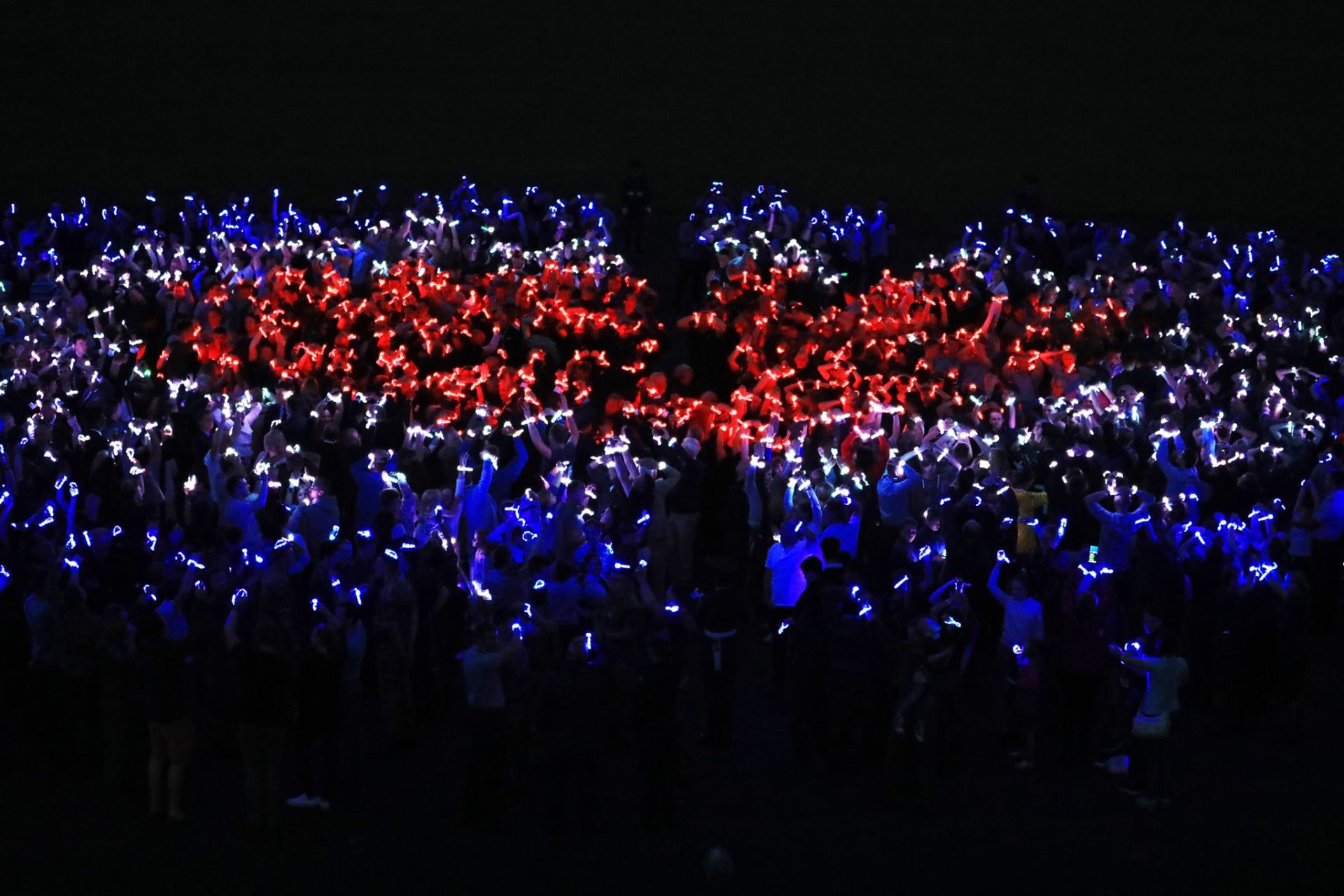
This transforms the encore from a one-way performance into a two-way dialogue. Technologies like Xylobands allow a lighting designer to paint with the crowd itself, creating waves of color that sweep across the stadium or isolating individual sections to respond to musical cues. The audience isn’t just watching the finale; they *are* the finale. This is the essence of creating Immersive Events—making every single person feel like a vital part of a moment far bigger than themselves.
Case in Point: The Stadium as a Single Entity
We’ve seen this principle executed on a massive scale. When Maluma played to a hometown crowd of 54,000 in Medellín, the event was a landmark moment in his career. The show, streamed globally, demanded a spectacular visual language. By integrating Radio Controlled LED Wristbands, the production team could unite every fan in the stadium, turning the vast space into a single, cohesive canvas of light that pulsed with the energy of the music. It created an experience that was both deeply personal for the fans present and visually stunning for the millions watching at home.
The Psychology of the Lasting Impression
The science of memory tells us that we tend to remember the beginning and the end of an experience most vividly—the primacy and recency effects. The encore is the ultimate beneficiary of the recency effect. It is the memory that will be most easily recalled, the one that will color the perception of the entire event. A weak, perfunctory encore can leave a sour taste, deflating the energy built over two hours. A masterfully crafted one can elevate an already great show into the realm of the legendary.
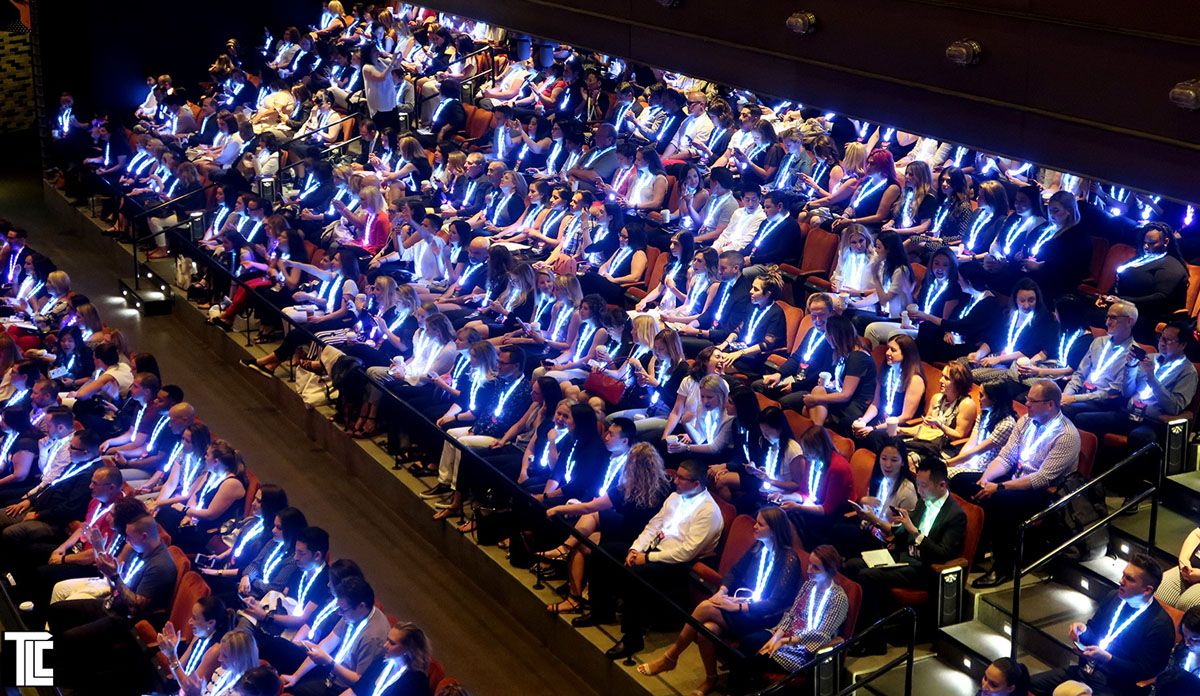
This final moment is an opportunity to reinforce the core themes of the show and the artist’s brand. For a corporate event activation, it might be a final, brilliant flash of brand colors across a sea of LED Lanyards, cementing the key message. For a music festival like Primer in Greece, it’s about amplifying that peak moment of collective euphoria, using Festival Wristbands to make the beat visible and tangible across the entire crowd. It’s about creating a final, powerful sensory imprint.
The craft of the encore is no longer just about choosing the right songs. It’s about designing a multi-sensory, emotionally resonant climax that leverages every tool available—light, sound, and the audience itself. It is the final, powerful act of connection, turning a fleeting performance into a lasting, unforgettable echo.