The Digital Shepherd: Using Crowd Analytics to Redefine Event Safety
The Unseen Currents of the Crowd
Stand in the middle of a festival field or a packed stadium. There is a palpable energy—a living, breathing organism comprised of thousands of individual heartbeats. For decades, managing the sheer physics of this organism, the ebb and flow of the crowd, has been more of an art than a science. It has relied on human observation, static infrastructure, and reactive measures. But in the unpredictable currents of a mass gathering, reactivity is often too late. A bottleneck at an exit, a surge towards a stage, or a medical emergency deep within the throng can escalate in moments.
The traditional challenge has always been one of information. How do you gain a true, real-time understanding of crowd dynamics across a vast and chaotic environment? How do you see into the heart of the audience to anticipate problems before they arise? For event producers and safety officers, these questions are paramount. The answer, it turns out, is not just about more boots on the ground, but about smarter technology on the wrist.
From Light Show to Life Signal
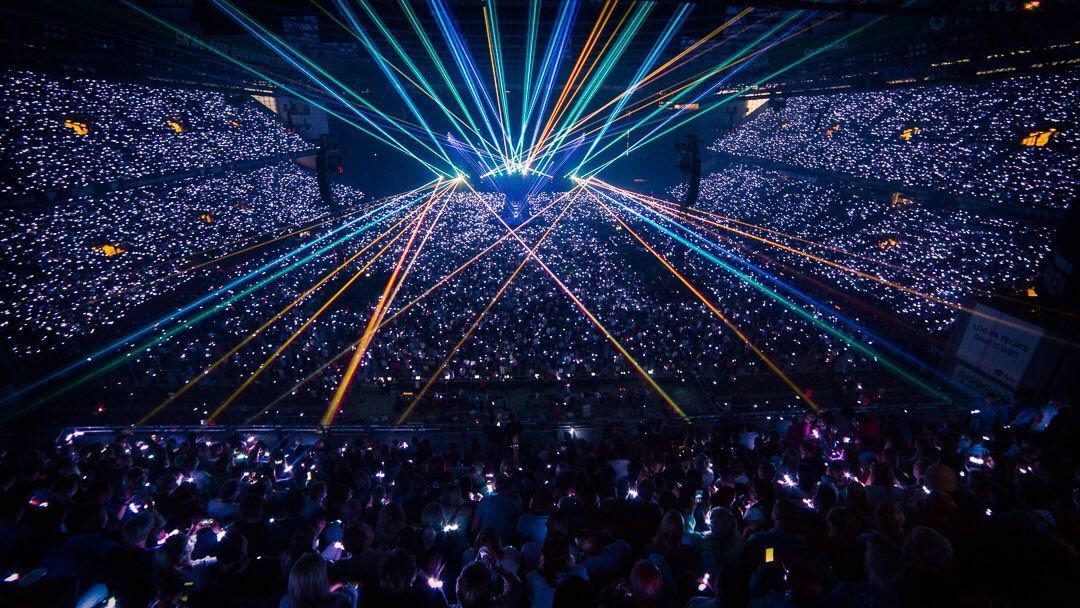
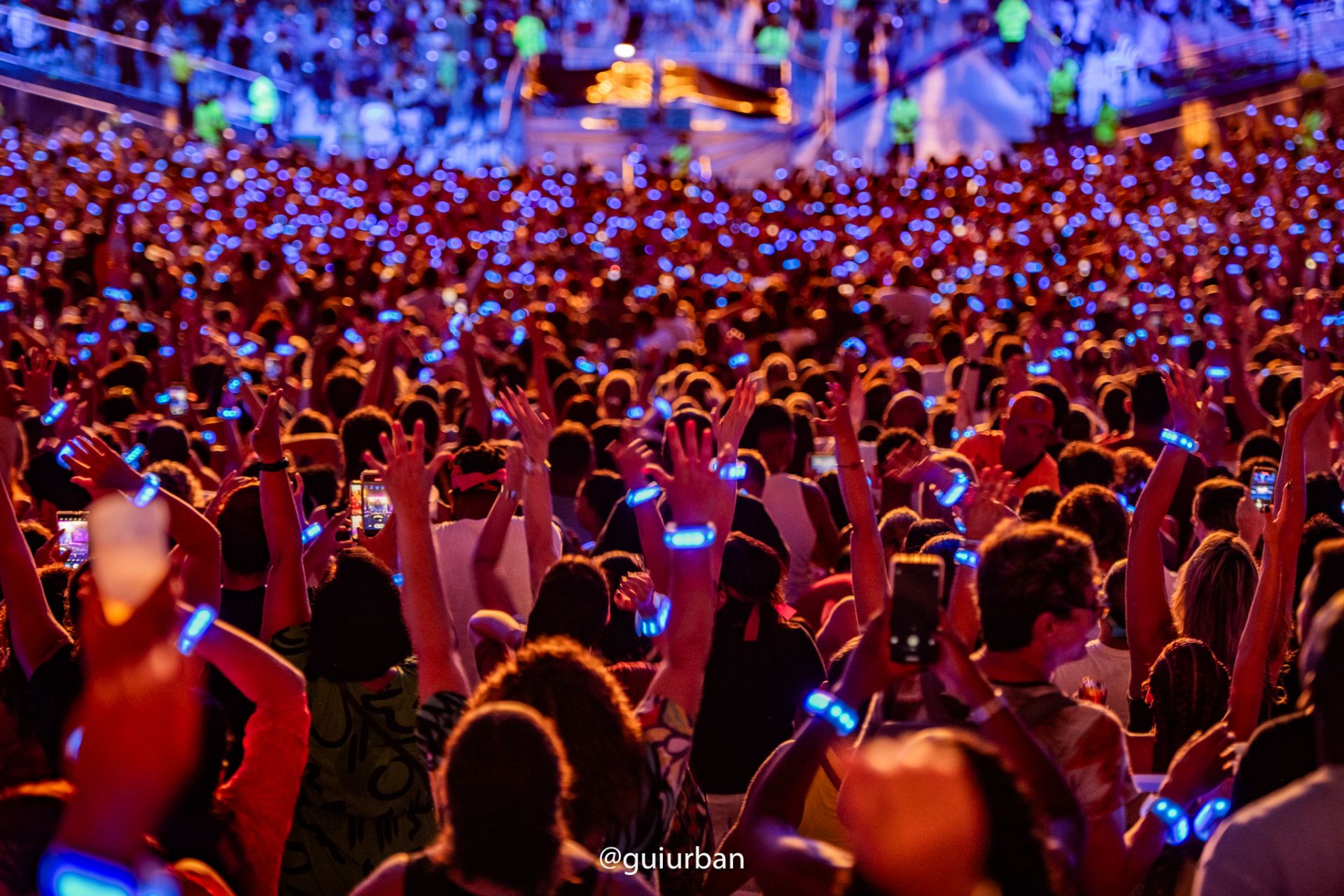
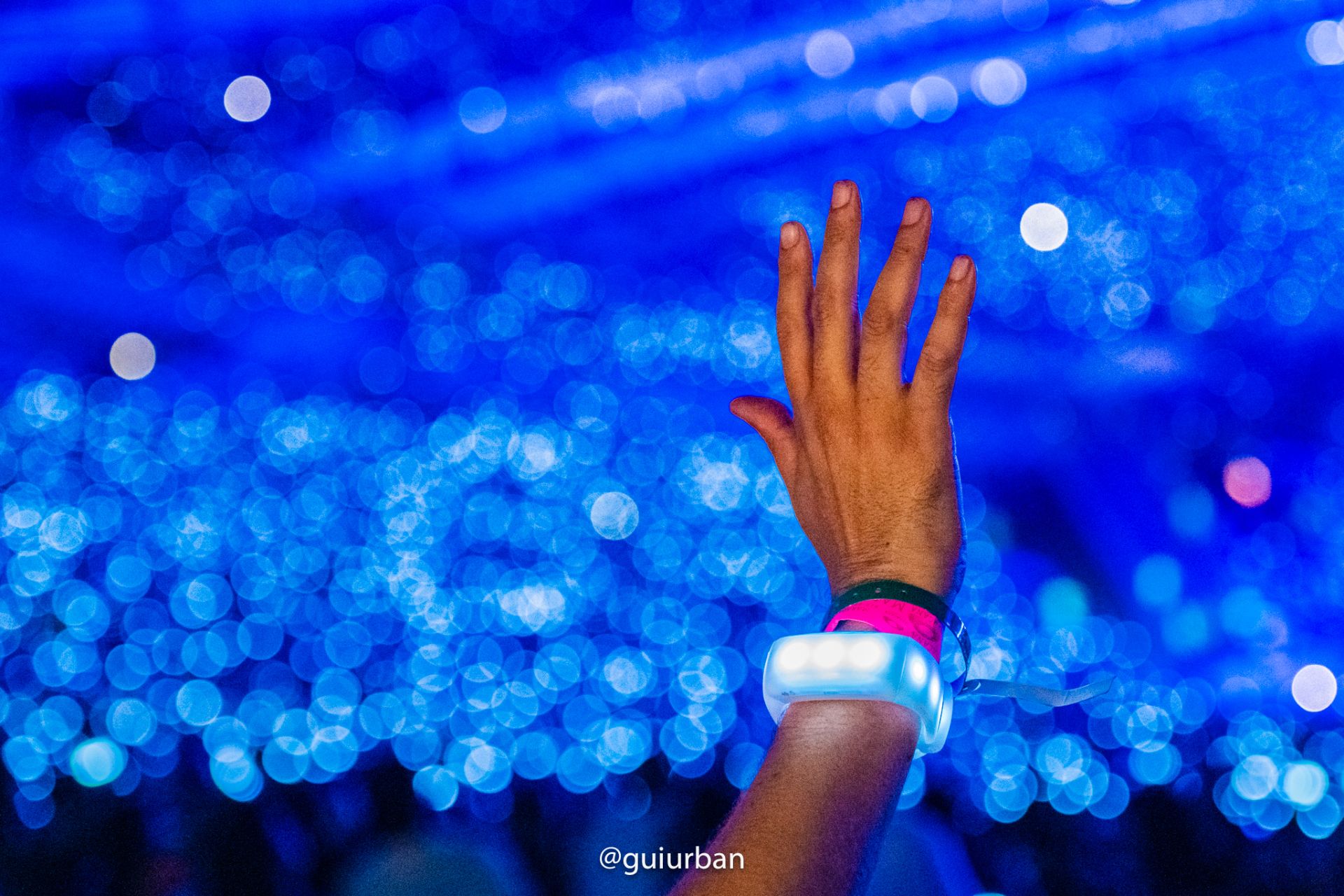
At Xylobands, our journey began with a simple idea: to make the audience part of the show, transforming them into a living canvas of light. The technology that made the iconic Coldplay Xyloband moments possible—robust, long-range Radio Controlled LED Wristbands—was engineered to deliver flawless creative commands to tens of thousands of points of light simultaneously. Yet, in solving the challenges of large-scale immersive spectacle, we inadvertently built the foundation for something more profound: a real-time nervous system for the crowd itself.
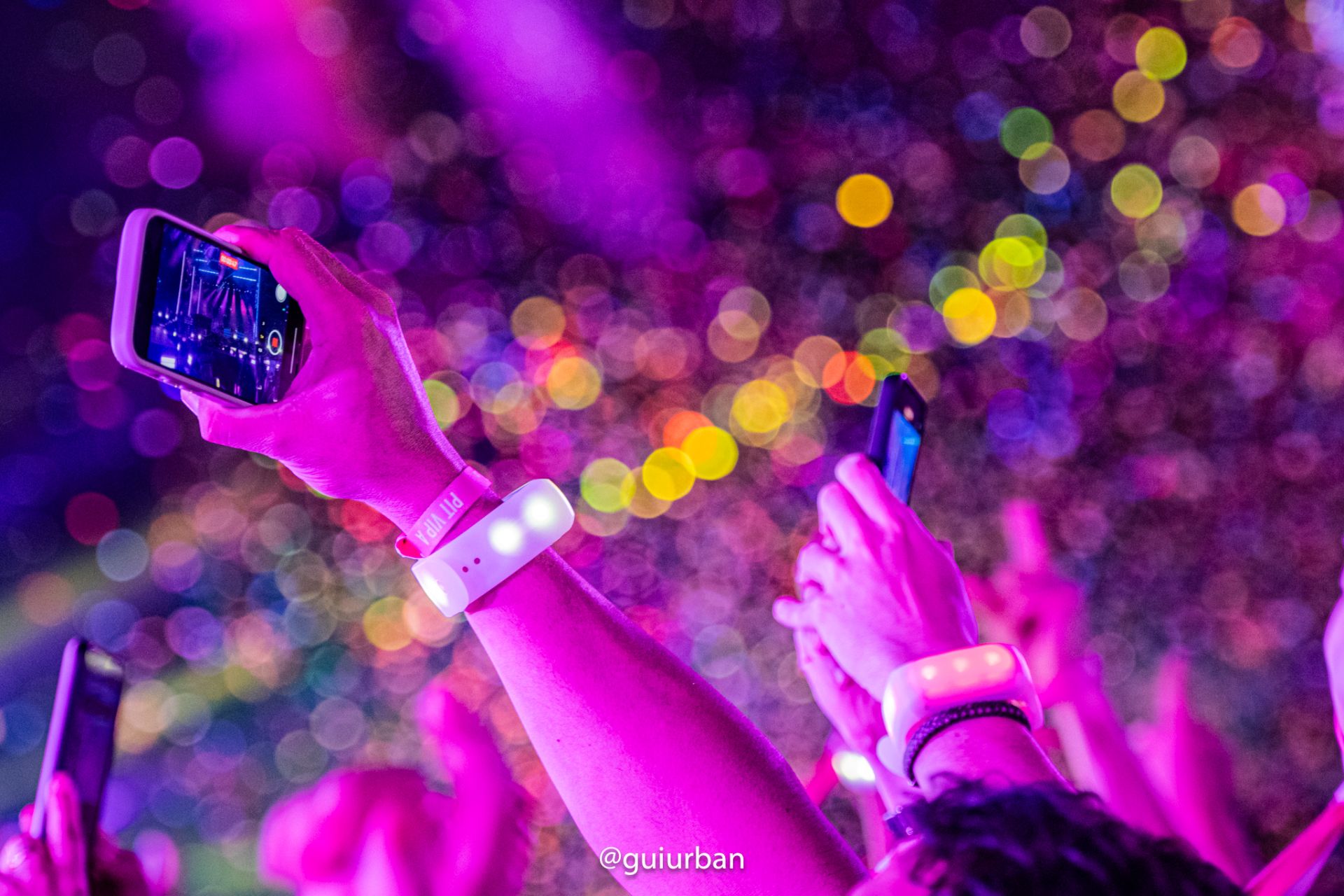
Every LED Wristband or LED Lanyard is a node in a dynamic network. While its primary function may be to create breathtaking LED Crowd Experiences, it is also a data-rich sensor operating within a defined space. When viewed not as individual lights but as a collective grid, this Wearable LED Technology provides an unprecedented high-resolution map of the audience, offering insights that can fundamentally change our approach to event safety.
Reading the Crowd in Real-Time
By analyzing the signals from thousands of devices, we can move from a reactive to a predictive model of crowd management. The anonymized, aggregated data paints a picture of the crowd as a whole, allowing operators to identify and mitigate risks long before they become critical incidents.
- Density Mapping: At its most crucial, our system can function as a real-time density barometer. By measuring the concentration and signal strength of wristbands in any given area, operators can visualize crowd density on a live map. Is a dangerous crush forming near the front of a stage? Is a key walkway becoming impassable? This technology can trigger automated alerts when density in a specific zone exceeds a pre-set safety threshold, allowing staff to be dispatched to open new egress lanes or reroute traffic before a situation becomes hazardous. This is a critical tool for any large-scale gathering, from Glastonbury Wristbands at a festival to indoor Corporate Event Activations.
- Flow Analytics: Beyond static density, the system can analyze the speed and direction of crowd movement. Are people moving freely between stages? Is there an unexpected bottleneck forming near a concession stand or restroom that could cause frustration or friction? Post-event, this data becomes an invaluable asset for optimizing site layouts, improving ingress/egress strategies, and creating a more comfortable and safer guest experience for future events.
- Emergency Signaling & Wayfinding: In a crisis, communication is everything. Shouted instructions are often lost in the noise, and cellular networks are notoriously unreliable at mass gatherings. Immersive Event Technology offers a direct line to every member of the audience. In a medical emergency, a designated operator could flash the wristbands in the immediate vicinity of the incident a specific color, guiding paramedics directly to the person in need. In an evacuation scenario, the wristbands can become a dynamic wayfinding system, using pulsing lights or color-coded arrows to guide people toward the safest and nearest exits, even in low-visibility conditions.
The Network is the Message
This capability is not theoretical; it is the logical extension of the robust technology we deploy globally for the world’s biggest artists and brands. The same powerful RF network required to synchronize 50,000 Concert Wristbands for a stadium tour like Maluma’s, or create intricate, broadcast-ready designs for a global television event, is the very infrastructure that carries this vital safety data. It’s a system proven at scale in high-pressure environments, from Formula One anniversary celebrations to Wizkid’s historic sell-out shows at the O2 arena.
The core principle is simple: a reliable network that can handle the creative demands of a complex light show is more than capable of transmitting the small data packets needed for crowd analytics. This dual-use capability makes it one of the most powerful and efficient tools in modern event production.
A New Era of Crowd Stewardship
Of course, the concept of monitoring a crowd, even for its own safety, raises important questions about privacy. We must be clear: the goal is not to track individuals, but to understand the collective. The data is aggregated and anonymized, focused on macro-dynamics. The system sees "a high-density area forming in Quadrant B"; it does not see individuals. The focus is on collective well-being—a form of digital shepherding that ensures the flock remains safe.
The future of event safety lies in this intelligent blend of human expertise and smart technology. By transforming the audience from a passive entity into a connected, sentient network, we can create experiences that are not only more dazzling and immersive, but fundamentally safer. We are moving beyond simple crowd control and into an era of crowd stewardship, using light and data to protect the very magic that live events are made of.