The Hidden Logic: How Dyslexic Thinking Forges Creative Advantage
The Architecture of a Different Mind
In the standardized world of business, we often mistake conformity for capability. We build systems, processes, and even entire industries around a specific, linear mode of thinking. But what if the most significant breakthroughs don’t come from following the established blueprint, but from seeing the world through an entirely different lens? This is the world of the dyslexic thinker—a world where information is processed not in straight lines, but in dynamic, interconnected, and often surprising ways.
For decades, dyslexia was framed almost exclusively as a learning disability, a deficit to be overcome. This perspective is not only outdated; it’s a profound misreading of a unique cognitive strength. Dyslexic thinking is not a flaw in the code; it’s a different operating system entirely. It’s characterized by a remarkable ability to see the big picture, to spot connections that others miss, and to approach complex problems with a creativity that linear thinking often stifles.
Seeing the Whole System, Not Just the Parts
One of the hallmarks of the dyslexic mind is a natural inclination toward holistic, big-picture thinking. Where a neurotypical brain might process information sequentially, piece by piece, the dyslexic brain often processes it simultaneously, seeing the entire system at once. It’s the difference between reading a manual and intuitively understanding how the machine works.
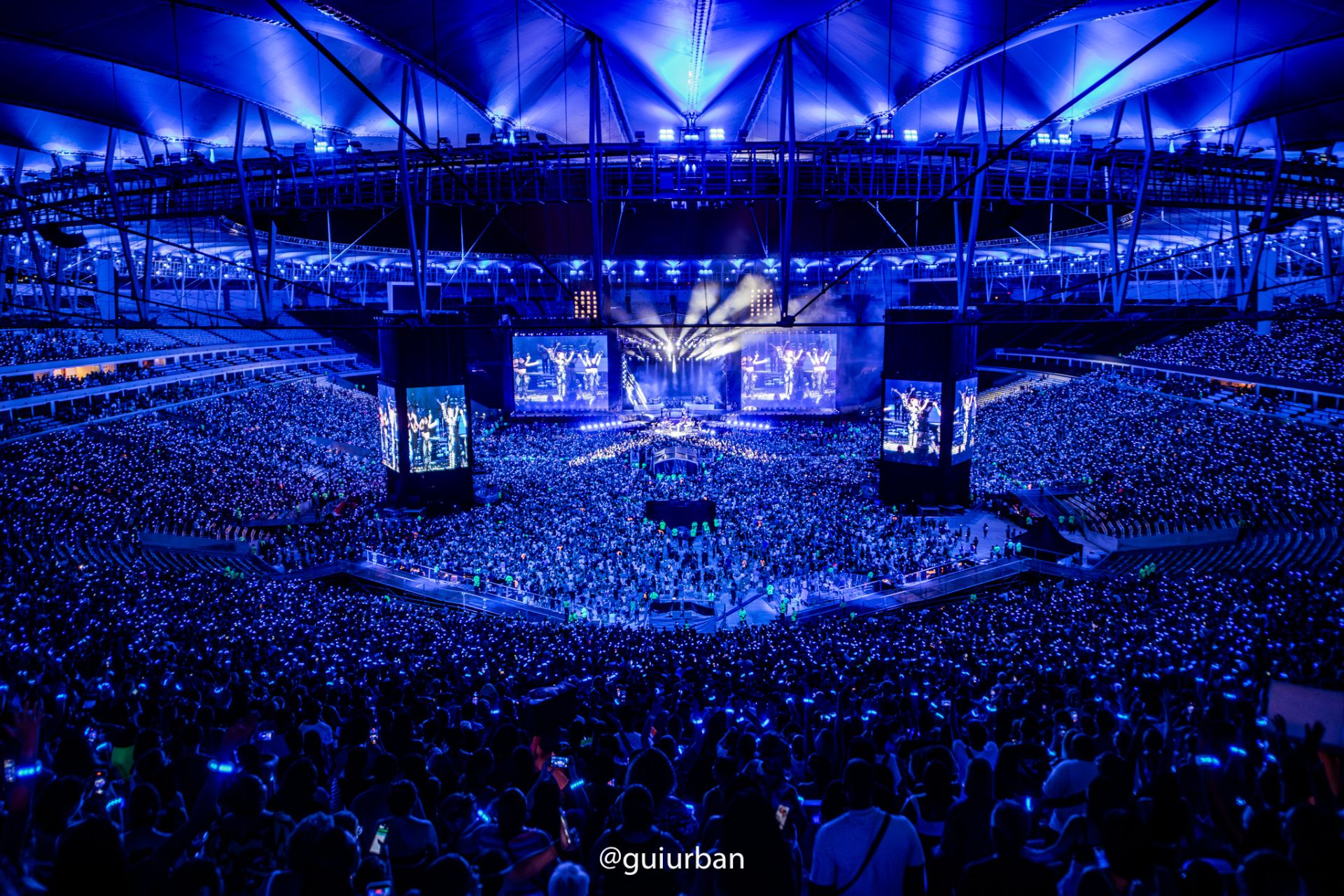
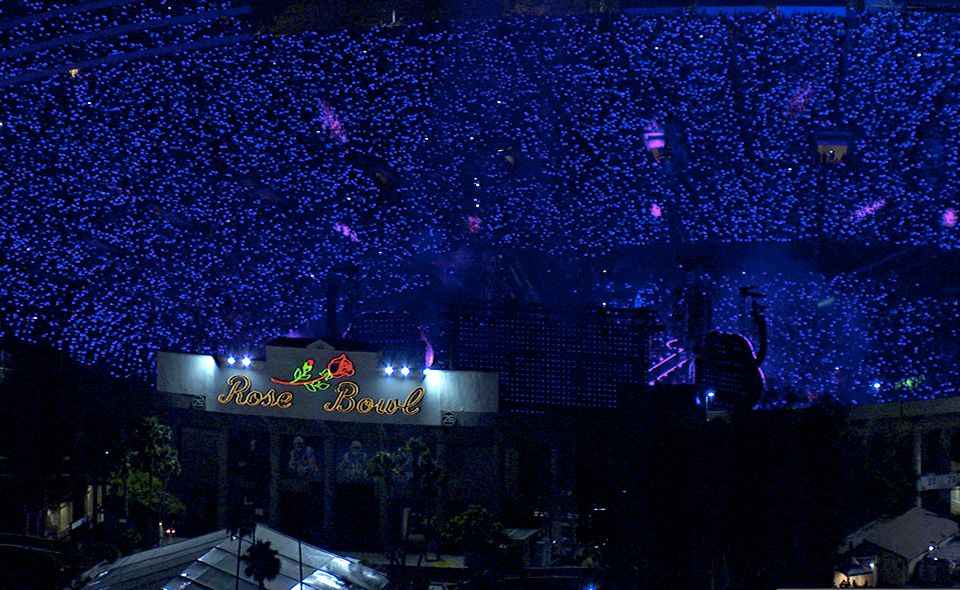
This systems-level view is a superpower in modern business, particularly in technology and live events. Designing immersive event technology that unites a stadium of 50,000 people requires more than just technical skill. It demands an intuitive grasp of how light, sound, human emotion, and radio-frequency technology will interact in a single, fleeting moment. It’s about understanding the whole emotional and technical ecosystem, not just the individual components. This is the kind of complex, multi-dimensional problem-solving where dyslexic thinkers naturally excel.
"Lights will guide you home..." It was this lyric, heard at a Coldplay performance at Glastonbury, that sparked the idea for Xylobands. The founder, Jason Regler, didn't just hear a song; he saw a system—a way to connect every single person in the audience into one, unified canvas of light. This is dyslexic thinking in action: a leap from a single point of data to a fully realized, revolutionary concept.
The Creative Advantage in Problem-Solving
When faced with a challenge, dyslexic individuals often don't follow a conventional path. They are natural experimenters, driven to understand by doing, touching, and building. This hands-on, often non-linear approach to problem-solving is an incredible asset in fields that demand constant innovation.
Consider the logistical challenge of deploying wearable LED technology for a global tour or a live broadcast event like those for Formula One or ITV. The process involves countless variables: product design, RF programming, audience flow, battery life, and often, the need for zero-failure reliability. A linear approach might tackle each problem in isolation. A dyslexic approach, however, is more likely to see the interconnectedness of these challenges. It might lead to an innovative solution where the method of distributing the wristbands (like our custom pendants for Formula One) is integrated into the creative design of the show itself, solving multiple problems at once.
This is the essence of creative problem-solving: the ability to reframe the question and combine seemingly disparate ideas into a novel solution. Companies that embrace this type of thinking don’t just solve problems; they create entirely new possibilities. They are the ones who invent products like radio controlled LED wristbands and turn a passive audience into the centerpiece of the show.
Building a Neurodiverse Future
Harnessing the power of dyslexic thinking isn't about making special accommodations. It's about recognizing a distinct and valuable skill set and creating an environment where it can flourish. It means shifting our focus from purely verbal, text-based communication to include more visual, spatial, and hands-on methods of collaboration. It means valuing the "why" and the "what if" just as much as the "how-to."
In the world of corporate event activations and large-scale entertainment, the goal is always to create something unforgettable. From the iconic Coldplay Xylo Band moments to innovative uses at festivals, the objective is to design a shared experience. These immersive events are not built on spreadsheets alone; they are born from a creative vision that sees the audience not as spectators, but as a vital part of the performance.
As we move further into a world driven by experience and innovation, the ability to think differently is no longer a soft skill—it is a critical strategic advantage. The "hidden logic" of dyslexic thinking has been the unseen engine behind some of the most creative ventures. By understanding, embracing, and empowering this different intelligence, businesses can unlock a new level of creativity and build a more innovative, inclusive, and dynamic future for us all.