The Pattern Seeker: How Dyslexic Thinking Became a Creative Superpower in Business
The Unseen Advantage
In the world of business, there’s a well-worn narrative about the linear path to success: the focused student, the pristine transcript, the steady climb up the corporate ladder. But what if one of the most powerful assets in an entrepreneur’s toolkit was something that traditional systems often label as a disadvantage? What if the ability to see the world differently wasn’t a hurdle, but a launchpad?
This isn’t a hypothetical. It’s the lived experience of countless innovators, artists, and entrepreneurs who are dyslexic. It’s also the story of Xylobands’ founder, Jason Regler. Long before the first Coldplay Xyloband lit up a stadium, his journey was shaped by a mind that processed information in a unique way—a way that ultimately became a blueprint for building a global company.
Dyslexia is often misunderstood as simply a difficulty with reading and writing. In reality, it’s a different way of processing information. Dyslexic minds often excel at big-picture thinking, spatial reasoning, and recognizing patterns and connections that others miss. While the linear, text-based world of traditional schooling can be a struggle, the dynamic, problem-solving world of entrepreneurship is where these traits become superpowers.
From Stigma to Strategy
For many neurodivergent individuals, the early years are defined by the struggle to fit into a system not built for them. The focus is on what you can’t do, rather than what you can. Yet, this very struggle often cultivates a powerful set of secondary skills: resilience, tenacity, and an extraordinary ability to find unconventional solutions to seemingly intractable problems.
When you spend years developing workarounds for everyday tasks, you are, in essence, training to be an innovator. You learn to delegate, to rely on your team’s strengths, and to focus your energy where you can make the biggest impact. You become a master of simplifying complexity. Richard Branson, Ingvar Kamprad (founder of IKEA), and Charles Schwab are just a few iconic entrepreneurs who credit their dyslexic thinking as a key to their success. They didn’t succeed in spite of their dyslexia; they succeeded because of it.
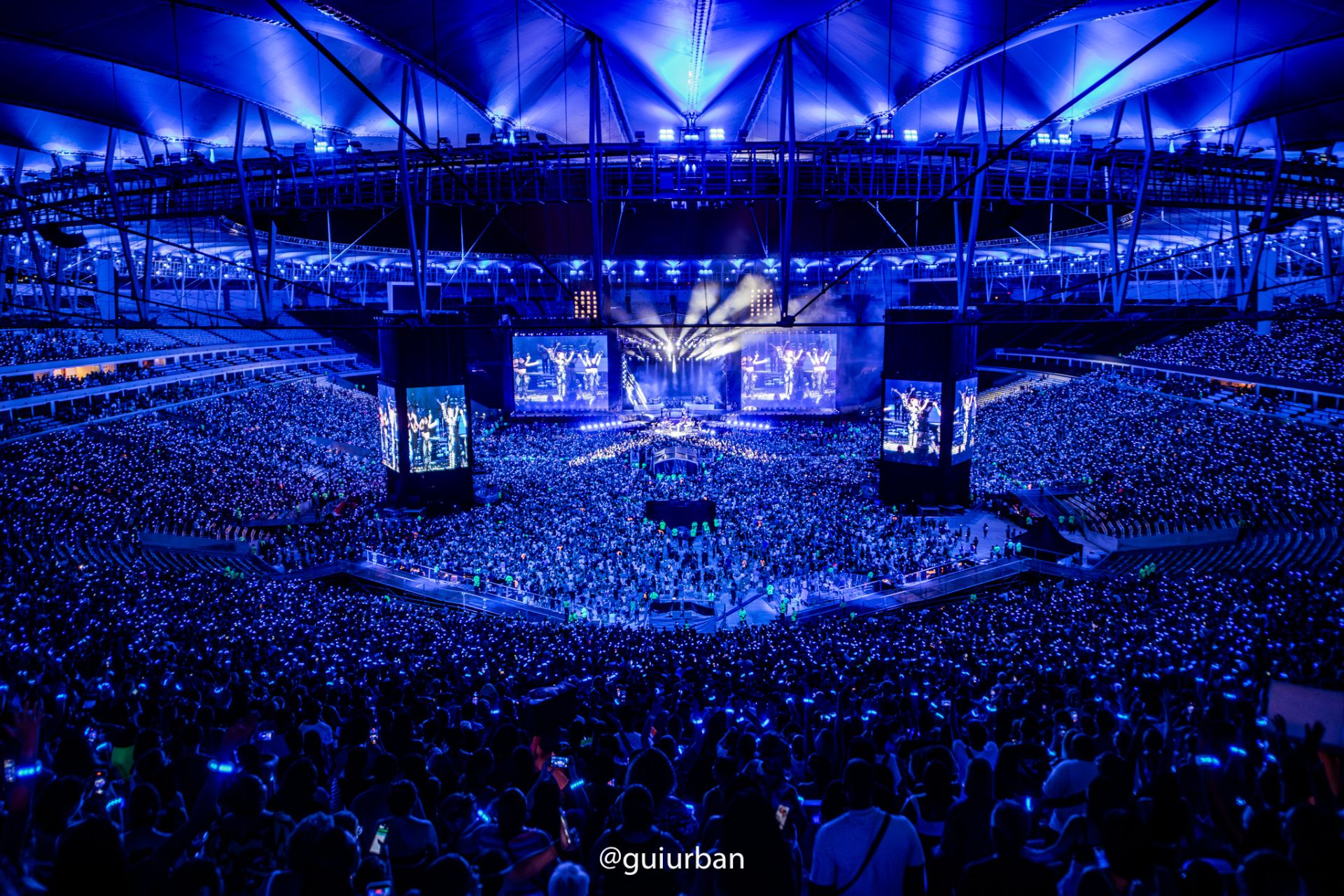
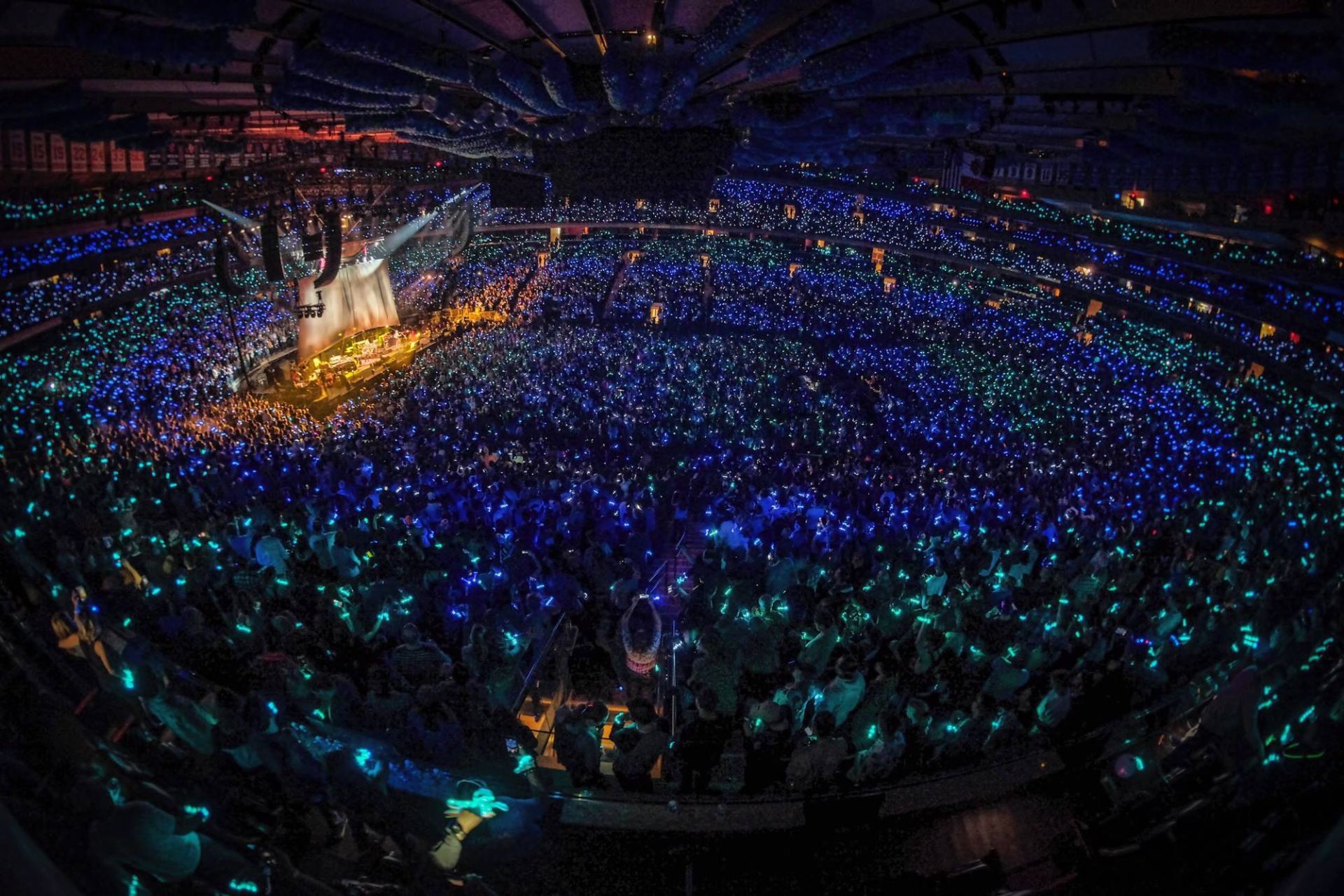
This mindset is at the core of Xylobands. The idea for radio controlled LED wristbands wasn't born from a spreadsheet or a market analysis report. It was a moment of pure, visceral connection at a festival. Watching Coldplay perform at Glastonbury, Jason didn’t just hear the lyric “Lights will guide you home”—he saw it. He envisioned a stadium filled not with disparate points of light from phones and lighters, but with a single, unified canvas. A sentient sea of light, all moving as one. It was a leap of spatial, emotional, and technical imagination.
The Big-Picture Advantage in Live Experiences
Dyslexic thinking is about seeing the whole system, not just the individual parts. In the world of live events, this is a profound advantage. An event is not just a collection of assets—lights, sound, performers, audience. It's a single, interconnected emotional organism. The ability to intuitively grasp how each element affects the other is crucial to creating truly immersive events.
“I don't think in straight lines. I see in pictures and connections. It allows me to see the final show, the feeling in the stadium, and work backwards from there. Every piece of tech, every logistical step, is just a way to get to that feeling.” - Jason Regler, Inventor and Founder, Xylobands
This approach transforms how we develop immersive event technology. We’re not just creating LED bands; we’re engineering moments of collective joy. We’re not just deploying hardware; we’re building a network that turns 60,000 individuals into a single, expressive instrument. It’s why our work on global tours for artists like Wizkid or massive broadcasts for brands like ITV and Formula One is grounded in a holistic vision. The goal is always the same: to dissolve the barrier between the performer and the audience, making everyone part of the spectacle.
Key Traits of Dyslexic-Led Innovation:
- Pattern Recognition: The ability to see connections between seemingly unrelated concepts, leading to category-defining ideas like turning a crowd into a light show.
- Holistic Thinking: Focusing on the overall experience and emotional outcome, rather than getting bogged down in isolated technical details. This is the essence of creating powerful LED crowd experiences.
- Visual-Spatial Reasoning: Mentally picturing complex systems, from the RF signal flow in a stadium to the global logistics of a world tour, and identifying potential bottlenecks before they happen.
- Strong Delegation: An innate understanding of the importance of building a team with complementary skills, empowering specialists to execute a unified vision.
Building a Neurodiverse Future
The conversation around neurodiversity is shifting. Companies are beginning to recognize that building a team of varied thinkers is not just a matter of social responsibility—it's a powerful business strategy. Homogeneity, whether in background, thought, or processing style, is the enemy of innovation.
By actively seeking out and empowering neurodivergent talent, businesses can unlock new perspectives and challenge established orthodoxies. It means creating environments where different communication styles are valued, where visual and conceptual thinkers can thrive, and where the focus is on outcomes, not process. It’s about understanding that the person who struggles with a dense report might be the same person who can visualize a revolutionary new product or solve a complex logistical puzzle in their head.
The story of Xylobands is a testament to this. It’s a story of how a different way of seeing the world led to a technology that has illuminated over 10 million people. From festival wristbands at Primer Music Festival to custom LED lanyards at corporate events, the goal is to create unity and shared experience. It proves that the most powerful innovations often come from the margins, from the minds that refuse to think in straight lines. It’s time for the business world to see neurodiversity for what it is: not a weakness to be accommodated, but a creative and strategic advantage to be celebrated.