The Camera's Second Audience: Engineering Light for the Live Broadcast
The Two-Audience Problem
In the world of major broadcast events, a fundamental duality shapes every creative and technical decision. There are two distinct audiences, each experiencing the show through a different lens. The first is the live audience—the sea of faces in the studio, arena, or stadium. They feel the visceral energy, the heat of the lights, the sound vibrating through the floor. Their experience is three-dimensional, immediate, and raw.
The second audience, often millions strong, is the one at home. They watch through the unflinching eye of a camera, their experience curated into a two-dimensional frame. This creates a profound challenge: how do you design a spectacle that captivates the human eye and the camera sensor simultaneously? The answer lies in a deep understanding of light, not just as illumination, but as a broadcast-ready medium.
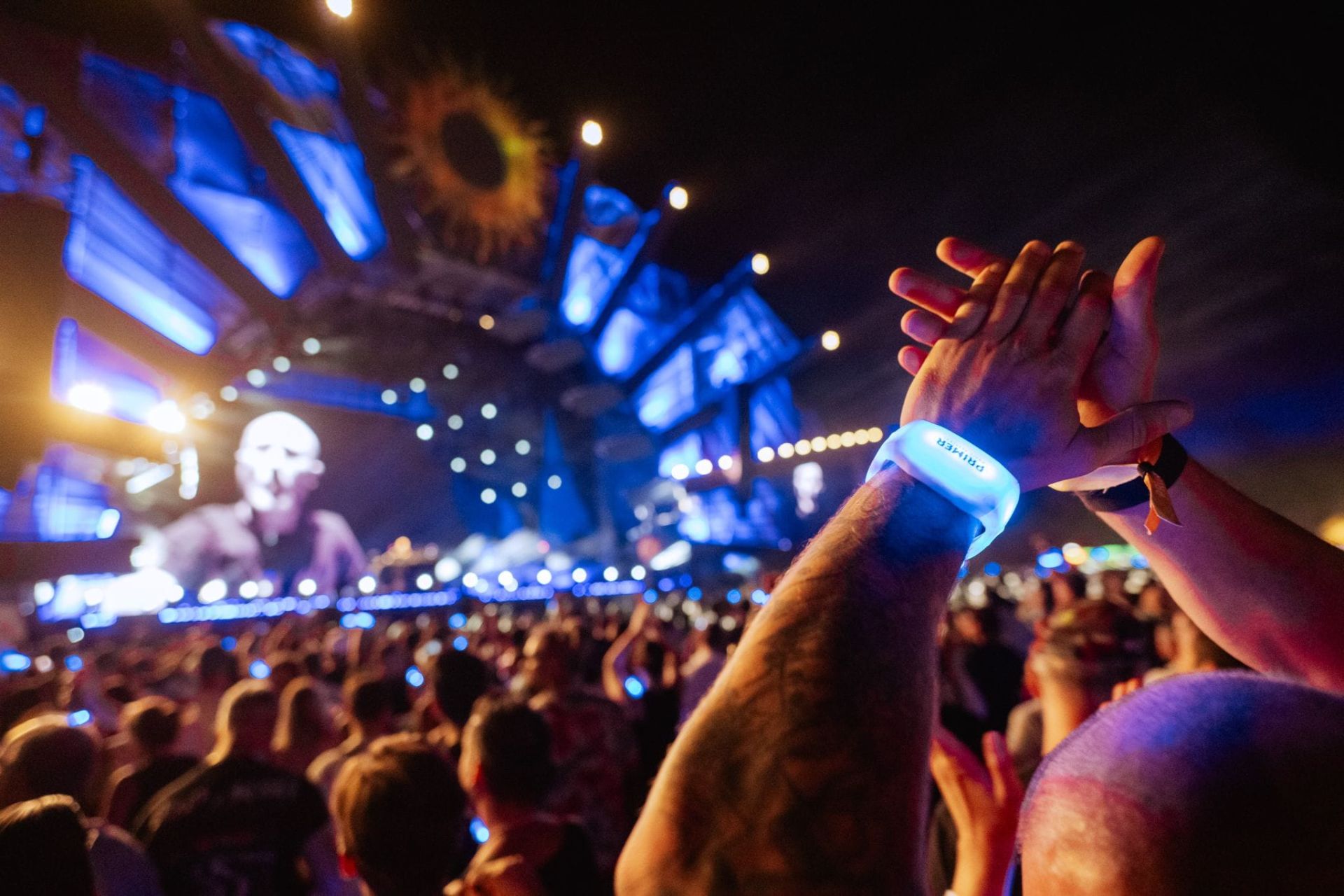
A camera sensor does not see like a human eye. It has a different relationship with dynamic range, color temperature, and, most critically, flicker. An effect that looks incredible in person can translate into an distracting, unprofessional strobe on screen. This is where engineering comes in. Truly Immersive Event Technology must be designed from the ground up to be broadcast-safe, delivering flawless visual performance whether you are in row Z or watching on a 4K screen halfway across the world.
A Case Study in Broadcast Integration: The ITV Partnership
Our long-standing work with broadcast giants like ITV is a masterclass in solving this two-audience problem. For live television productions, the studio audience is more than just a collection of spectators; they are a vital part of the set, a living backdrop that provides atmosphere and visual depth. The challenge is to activate them, to weave them into the fabric of the show itself.
Consider a high-stakes game show like Beat The Chasers UK. The tension is palpable. The lighting needs to reflect that, punctuating every correct answer and every nail-biting countdown. By deploying our Radio Controlled LED Wristbands to the studio audience, the production team gains a dynamic new tool. The crowd is no longer a passive observer but an active participant in the drama, their wrists glowing in unison to celebrate a victory or pulsing with color to heighten the suspense. It’s an effect that energizes the studio while creating a compelling, layered visual for the broadcast feed.
This is the core of modern LED Crowd Experiences: transforming the audience from a canvas into the paint itself. The crowd becomes a low-resolution video screen, a reactive environment that a lighting designer can “play” as an instrument.
Scaling the Spectacle: From Studio to Stadium
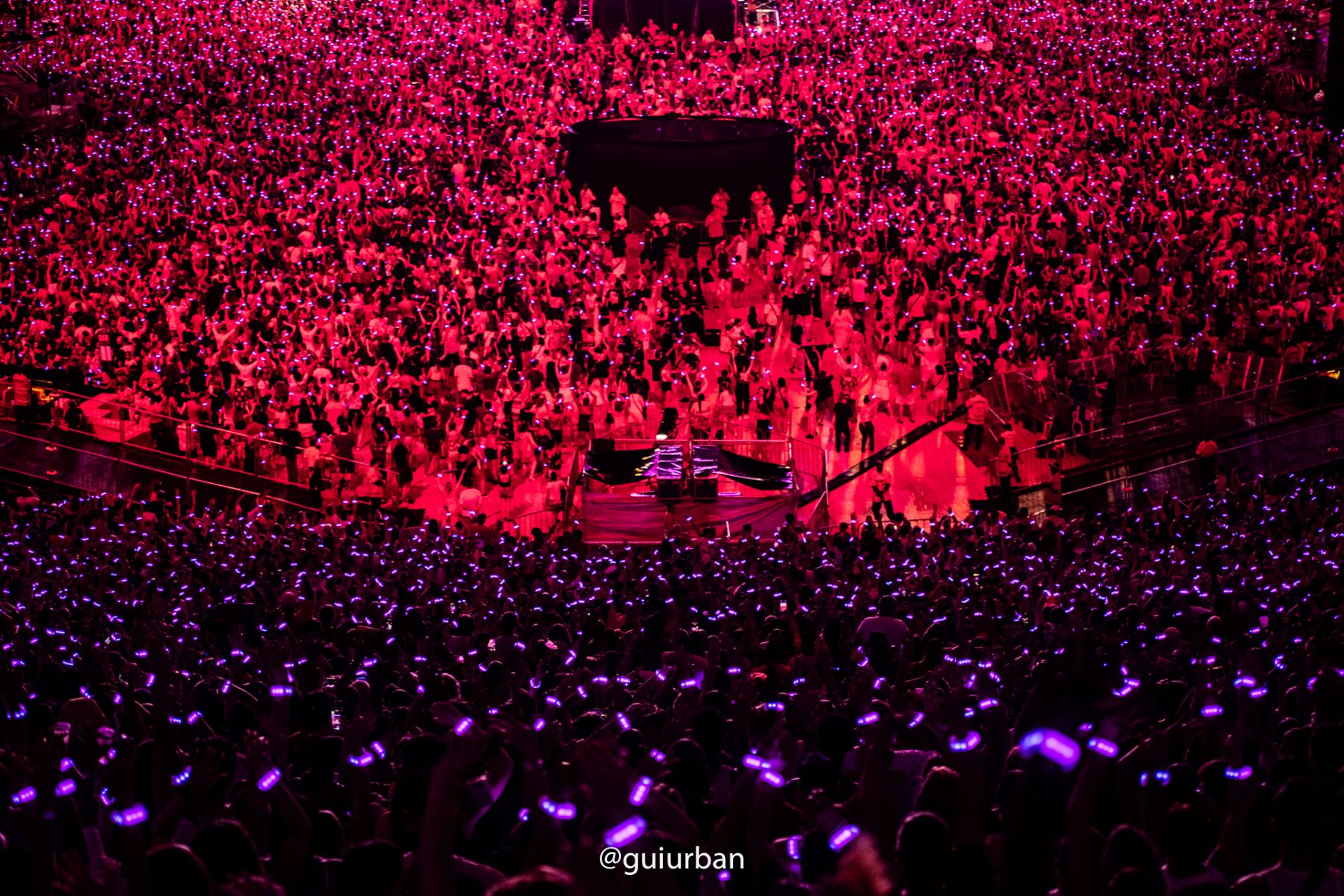
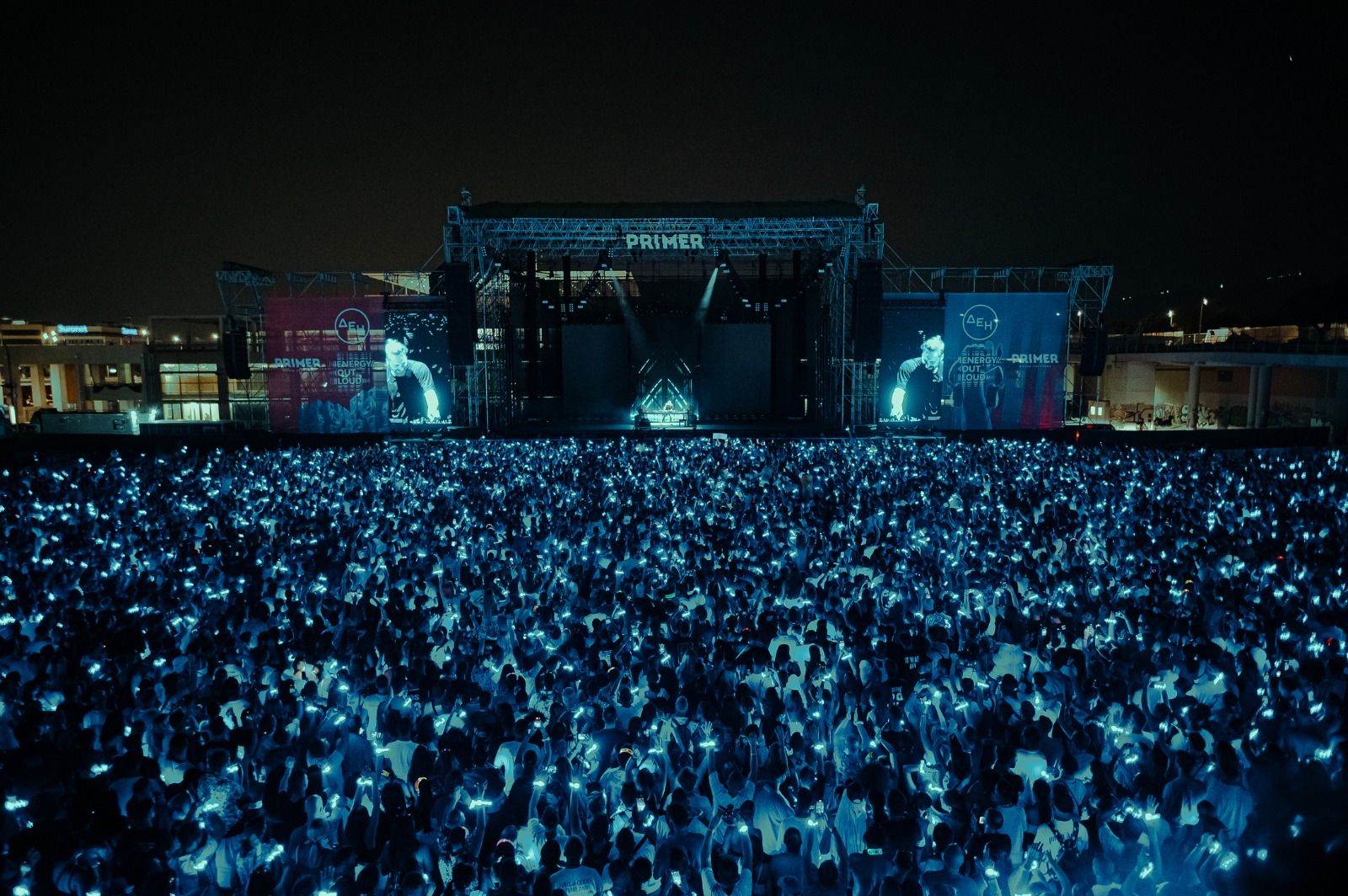
The principles mastered in the controlled environment of a television studio are the same ones we apply to the world’s largest live broadcasts. The audience size may change, but the dual-reality challenge remains. When Maluma played to a sold-out stadium of 54,000 in his hometown of Medellín, the show was simultaneously streamed live to over 240 countries. The LED Bracelets worn by the crowd didn’t just create an unforgettable atmosphere inside the stadium; they ensured the global broadcast captured the monumental scale and energy of the event.
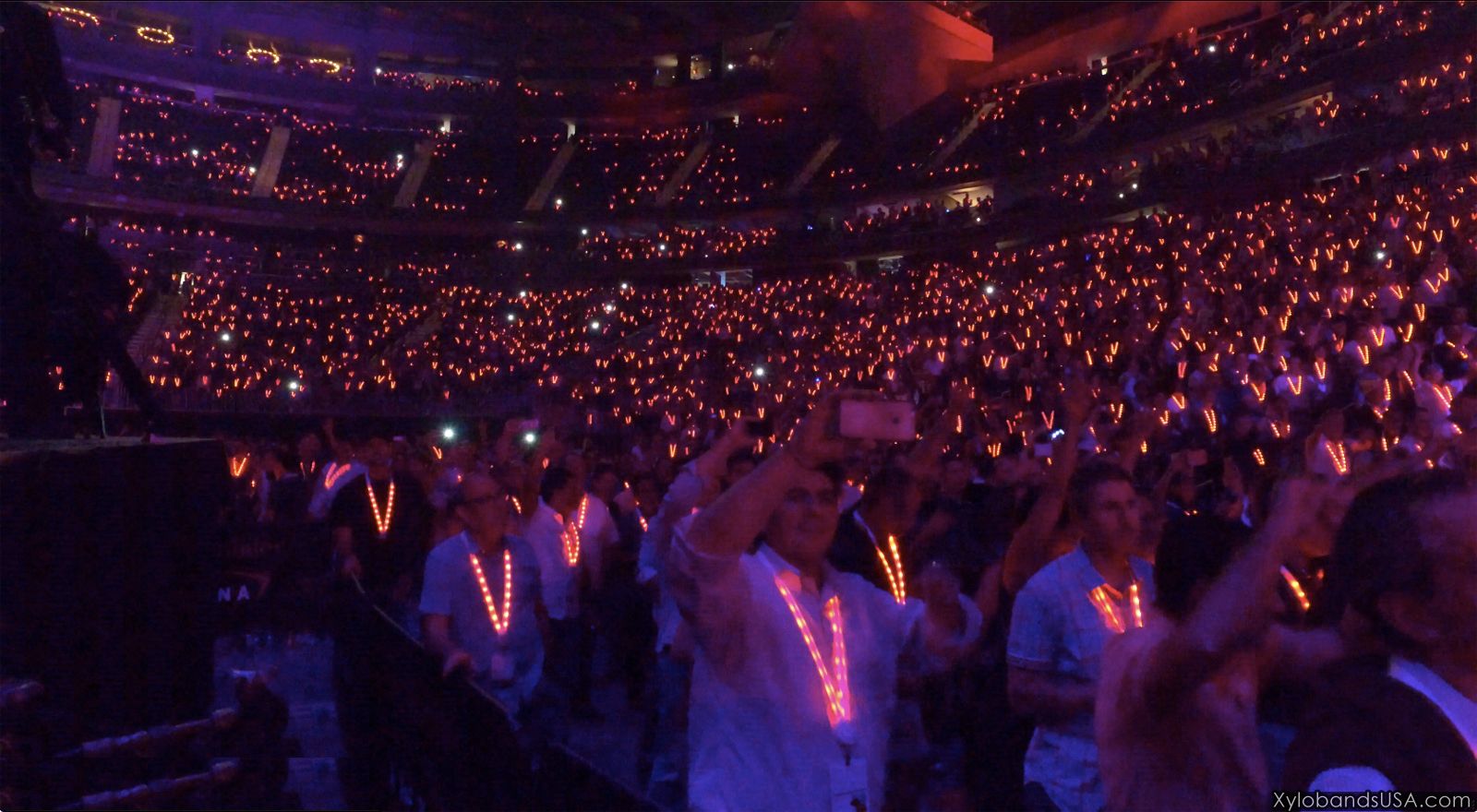
This same logic applies to premier sporting and entertainment broadcasts. For the Formula One 75th anniversary event at The O2 Arena, the goal was a seamless, high-energy television special. We deployed 13,000 custom LED Lanyards, but with an added layer of technical complexity. The pendants were strategically distributed based on seating, allowing the creative team to design precise visual effects across the entire arena—segmenting the crowd by team, hospitality level, or simply creating complex patterns for the overhead cameras. It’s a level of control that turns a vast crowd into a single, coherent visual entity.
The Unseen Choreography
Making this happen requires a robust and invisible technological backbone. The creative vision of a lighting director is only as good as the technology executing it. Our systems integrate directly with a production’s lighting desk via DMX, allowing for perfect, real-time control. This means the LED Bands behave just like any other lighting fixture in the rig, giving the designer ultimate creative authority.
This all began with a simple idea, inspired by watching Coldplay’s performance at Glastonbury Festival, that “lights will guide you home.” That seed of an idea—to unite an artist and an audience in a single moment of light—led to the creation of the original Xylobands. Today, that philosophy underpins a sophisticated ecosystem of Wearable LED Technology designed for the immense technical demands of global broadcasting.
From the intimate studio to the sprawling stadium, the goal is the same: to create a shared experience. It’s about engineering a spectacle that feels personal and breathtaking to the people in the room, while translating that same energy and visual power through the lens to the millions watching around the world. In the new era of hybrid entertainment, serving both audiences isn’t just an advantage; it’s the definition of success.