The Two-Show Game: Engineering Light for the Stadium and the Screen
The Unseen Halftime
The whistle blows. The first half ends. For the millions watching at home, the screen cuts to a panel of analysts. But for the 70,000 fans inside the stadium, the real show is just beginning. In the tight window between game time, a hidden army of technicians, choreographers, and stagehands executes a logistical ballet, transforming the field of play into a world-class concert stage. This is the unseen game, the second spectacle: the modern halftime show.
It’s a performance engineered for two vastly different audiences simultaneously. There is the live crowd, wrapped in the visceral energy of the stadium, and the global broadcast audience, experiencing the show through the carefully directed frame of a camera lens. Designing for both is the central challenge and the defining art form of today’s most ambitious sports entertainment productions.
The Stadium Scale: Painting with a Hundred-Thousand Brushes
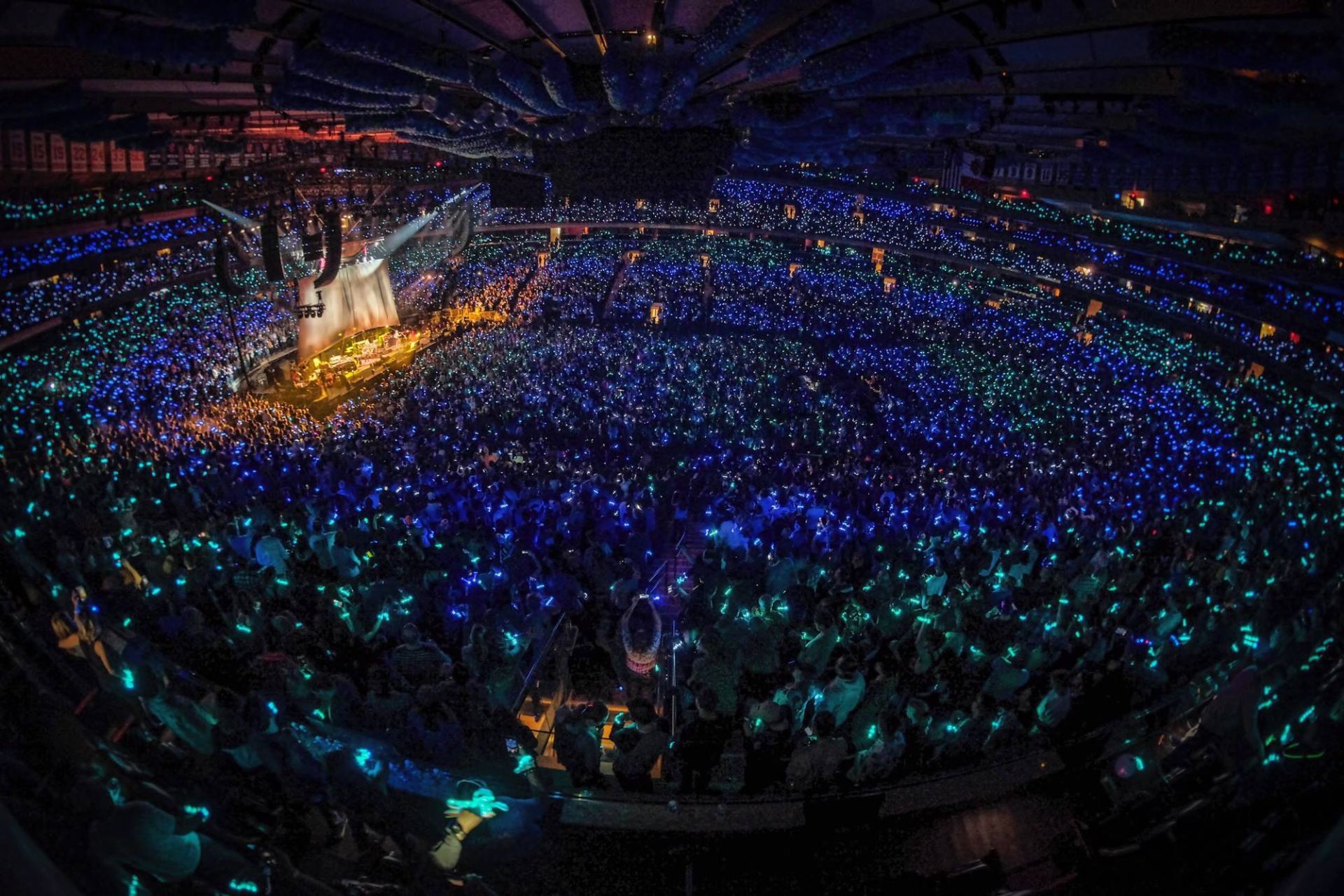
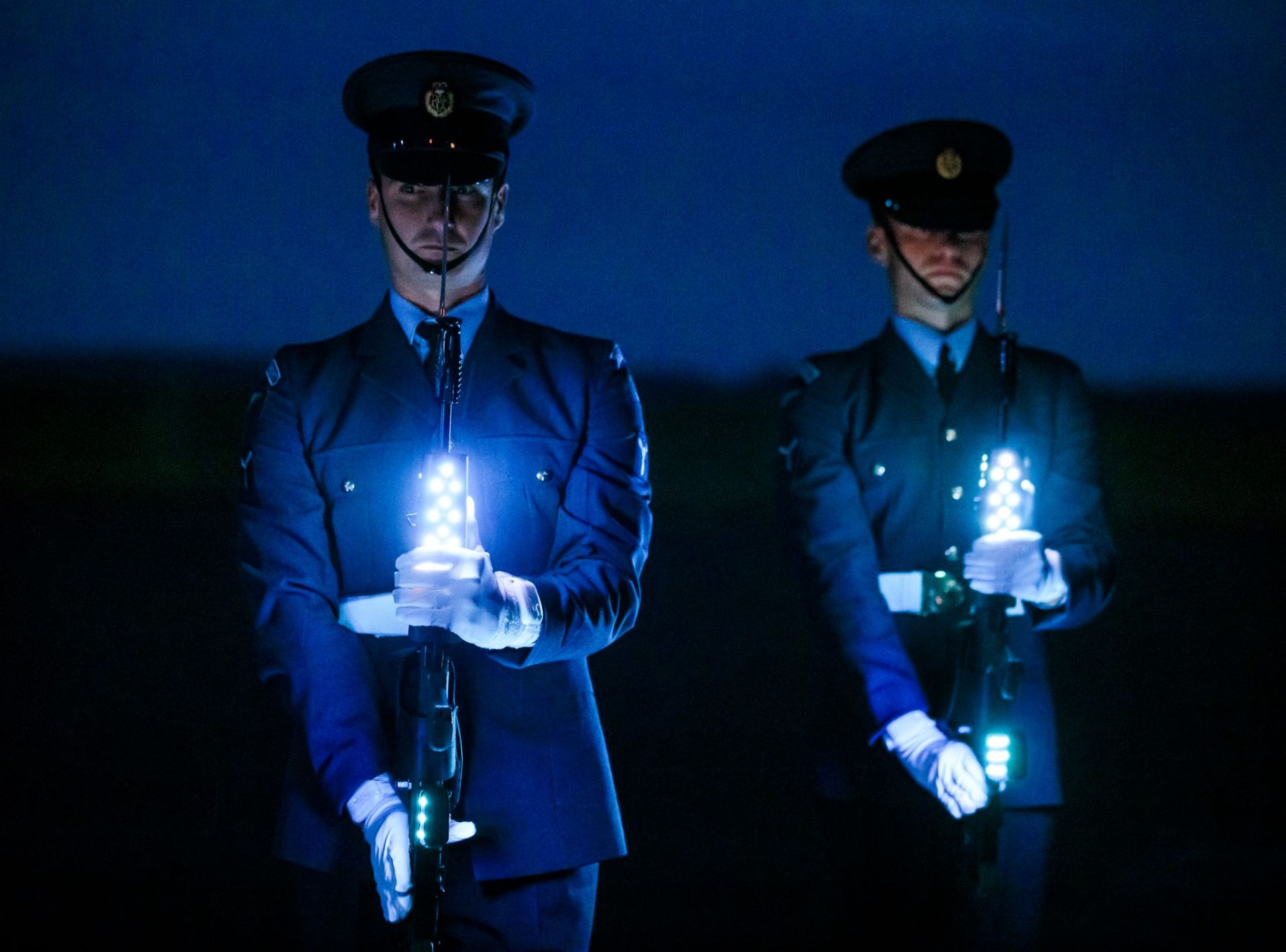
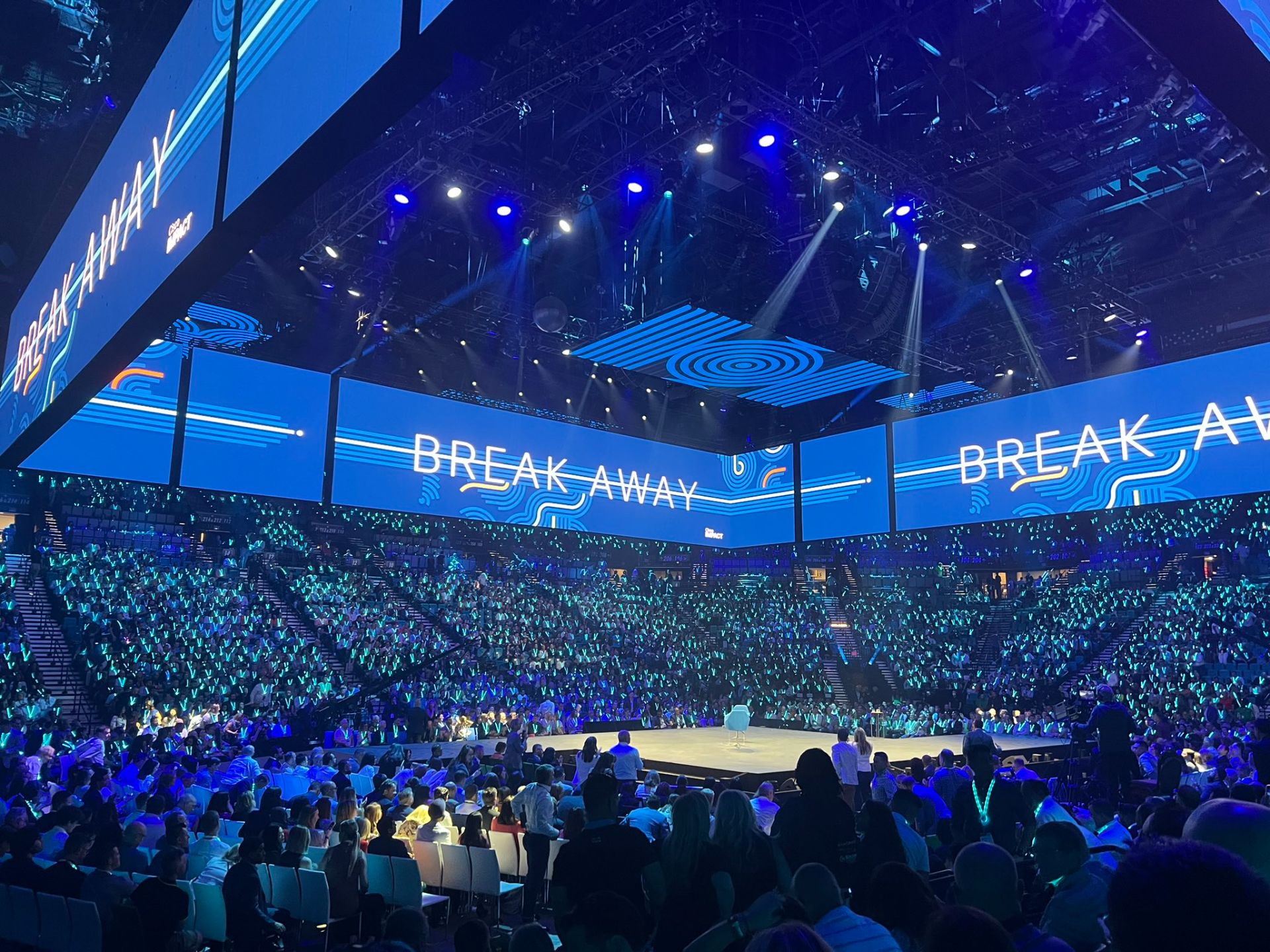
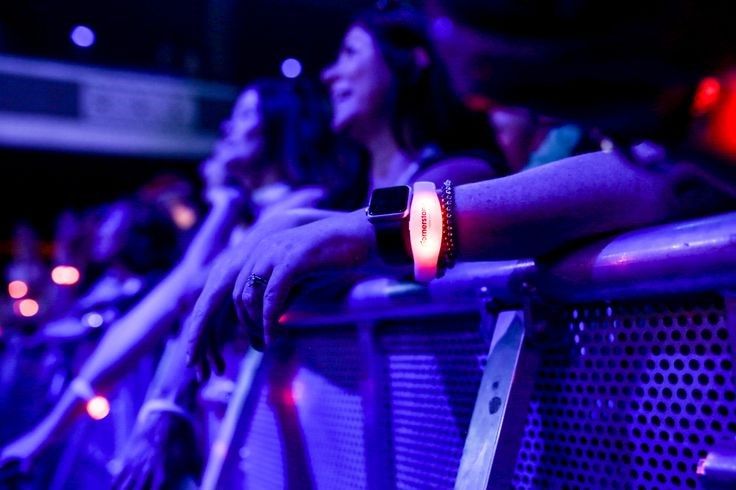
In the stadium, everything is about scale. The sheer size of the environment demands bold, sweeping gestures. Lighting designers don’t just illuminate performers; they paint the entire venue in light. This is where the concept of the audience as a canvas comes into its own. Technologies like radio-controlled LED wristbands and other wearable LED technology transform every seat into a pixel in a vast, living display.
The effect is a truly immersive event technology experience. When a team’s colors flash across the stands to celebrate a touchdown, or a wave of light follows a musical crescendo, the barrier between spectator and spectacle dissolves. Each person becomes a part of the show’s architecture. This is the power of LED crowd experiences; they foster a sense of unity and shared energy that traditional lighting rigs alone cannot achieve. Whether it's a custom pendant at a Formula One celebration or the iconic Coldplay Xylobands lighting up a stadium, the goal is the same: to make the individual feel part of a monumental collective moment.
Lighting for the Lens: The Close-Up and the Cutaway
While the stadium experience is one of macro-level awe, the broadcast is a game of controlled detail. The television director has the power to focus millions of eyes on a single performer, a specific prop, or a perfectly timed pyrotechnic. The lighting that creates a breathtaking panorama in the stadium might look chaotic or blown-out in high definition.
This is where the technical artistry comes in. Lighting for the broadcast requires precision, control, and a deep understanding of camera sensors, color temperatures, and frame rates. It’s about creating depth and texture, sculpting performers with light, and ensuring that every shot—from the sweeping aerial view to the intimate close-up—is visually compelling. It involves a different set of tools and a different mindset. DMX-controlled moving lights, precise key lighting, and careful color balancing are paramount. The crowd, now a backdrop, must be lit to look vibrant and energetic, without distracting from the main performance. This is why many major televised events, from the Super Bowl to the UEFA Champions League Final, use LED wristbands to create dynamic, camera-friendly backdrops that enhance the broadcast without overwhelming it.
The Choreography of Light: Syncing the Two Worlds
The true genius of modern halftime production lies in synchronizing these two distinct experiences. The creative and technical teams must choreograph a show that feels both epic and intimate at the same time. This is a complex dance between RF, DMX, and sometimes infrared control systems, managed by a single operator who acts as the unseen conductor.
A single cue can trigger a thousand different events. A beat drop might simultaneously ignite a pyro cascade on stage, trigger a chase sequence across 50,000 Xylobands, and signal a change in the state of the broadcast-focused spotlights. The operator isn't just pushing buttons; they are playing the entire stadium as an instrument.
Every element, from the LED bracelets on the wrists of fans to the key light on the lead performer, is a note in a complex, multi-layered composition. The goal is to create a seamless story told through light, sound, and motion—a story that resonates whether you’re in the front row or on your sofa a thousand miles away.
The Future of the Second Spectacle
As technology evolves, the line between the live and broadcast experience continues to blur. Augmented reality overlays are beginning to add new layers of visual information for at-home viewers, while advancements in wearable LED technology offer ever more sophisticated ways to integrate the live audience into the performance. We’ve seen this at global sporting events from the Davis Cup to Formula One, where unifying the crowd through light is a key part of the entertainment strategy.
Ultimately, the halftime show is more than just a break in the game. It is a testament to the power of live experiences to create moments of shared wonder. By mastering the two-show game—choreographing for the stadium and engineering for the screen—production teams can create unforgettable spectacles that captivate audiences on a truly global scale, turning 15 minutes of halftime into a timeless display of art and engineering.