From Applause to Algorithms: The Evolution of Audience Participation
The Primal Urge to Participate
Since the dawn of performance, the relationship between the artist and the audience has been a dynamic one. In the amphitheatres of ancient Greece, the chorus served as a bridge, vocalising the community’s response to the drama unfolding on stage. The audience, in turn, responded with applause, jeers, or stunned silence. This was participation in its most fundamental form: a shared, real-time emotional and sonic feedback loop. For centuries, this was the unchallenged model. The audience was a barometer, a collective entity whose primary role was to react.
The Colosseum in Rome scaled this up, introducing mechanics like audience voting on the fate of gladiators, a high-stakes form of participation woven into the very fabric of the spectacle. Yet, the technology of interaction remained limited to the human voice and gesture. The tools were acoustic, the impact ephemeral. The core desire, however—to influence the event, to be seen and heard, to be part of the story—was firmly embedded in our collective DNA.
The Electrical Age: A Shift in Scale and Sensation
The advent of electricity in the late 19th and early 20th centuries marked the first major technological leap in audience interaction. Suddenly, venues could be plunged into darkness, focusing attention with unprecedented precision. The spotlight, in its own way, was a tool of participation. By illuminating the performer, it implicitly cast the audience into a collective shadow, unifying them in a shared darkness. This created a new kind of intimacy, even in vast, cavernous halls.
But the true revolution was in amplification. Sound systems allowed a single voice to reach tens of thousands, transforming the concert from a communal singalong into a broadcast-style event. This shift had a paradoxical effect. While it connected more people to a single performance, it also created a greater sense of distance. The raw, acoustic feedback of the amphitheatre was replaced by a one-way torrent of amplified sound. The audience’s role began to feel more passive, their individual contributions absorbed into a roar of anonymous approval.
The Dawn of Interactive Light: From Lighters to LEDs
The rock and roll era of the 1960s and 70s saw audiences reclaiming their role, inventing new, analogue forms of participation. The iconic image of thousands of lighters held aloft during a ballad was not just a gesture of appreciation; it was a spontaneous, crowd-sourced light show. It was a visual declaration of "we are here," a way to physically manifest the collective emotion of the room. This grassroots phenomenon was the direct precursor to modern immersive event technology. It demonstrated a clear, unmet need: audiences didn’t just want to hear the show; they wanted to be part of its visual fabric.
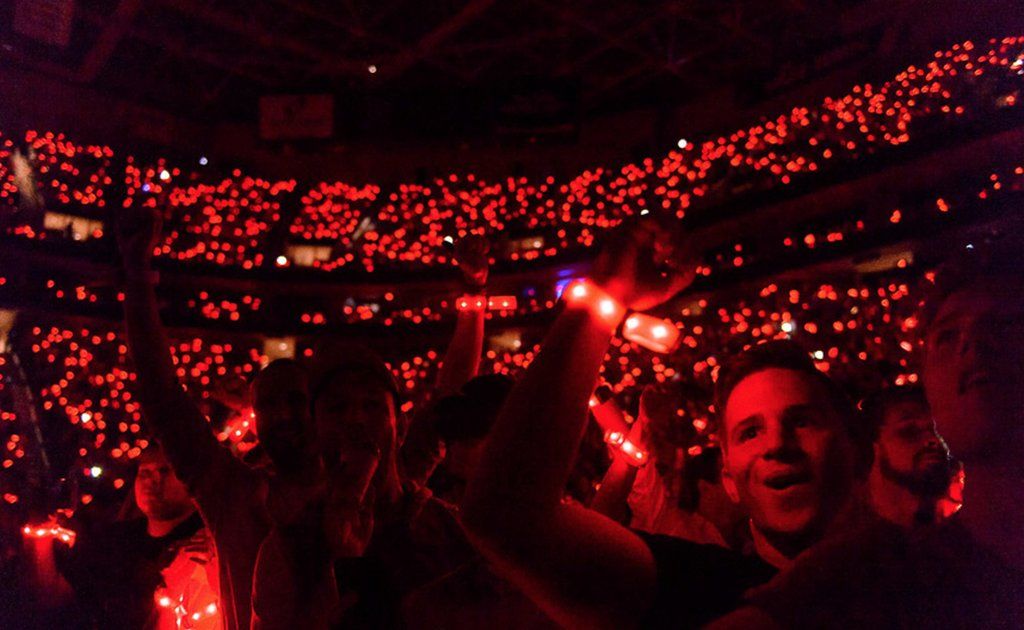
This insight is what sparked the invention of Xylobands. Inspired by the sight of the crowd during a Coldplay performance at Glastonbury, our founder Jason Regler envisioned a way to technologically harness that desire for collective expression. The concept was to turn every audience member into a pixel in a vast, moving canvas of light. Radio controlled LED wristbands would allow show designers to choreograph the crowd itself, syncing tens of thousands of individuals into a single, breathtaking visual spectacle.
"Instead of thousands of people holding up lighters or mobile phones, the entire audience could become one living light show, perfectly synchronised with the music. It would create moments of unity where artists and fans shared the same experience."
The Digital Revolution: Data, Control, and Immersive Worlds
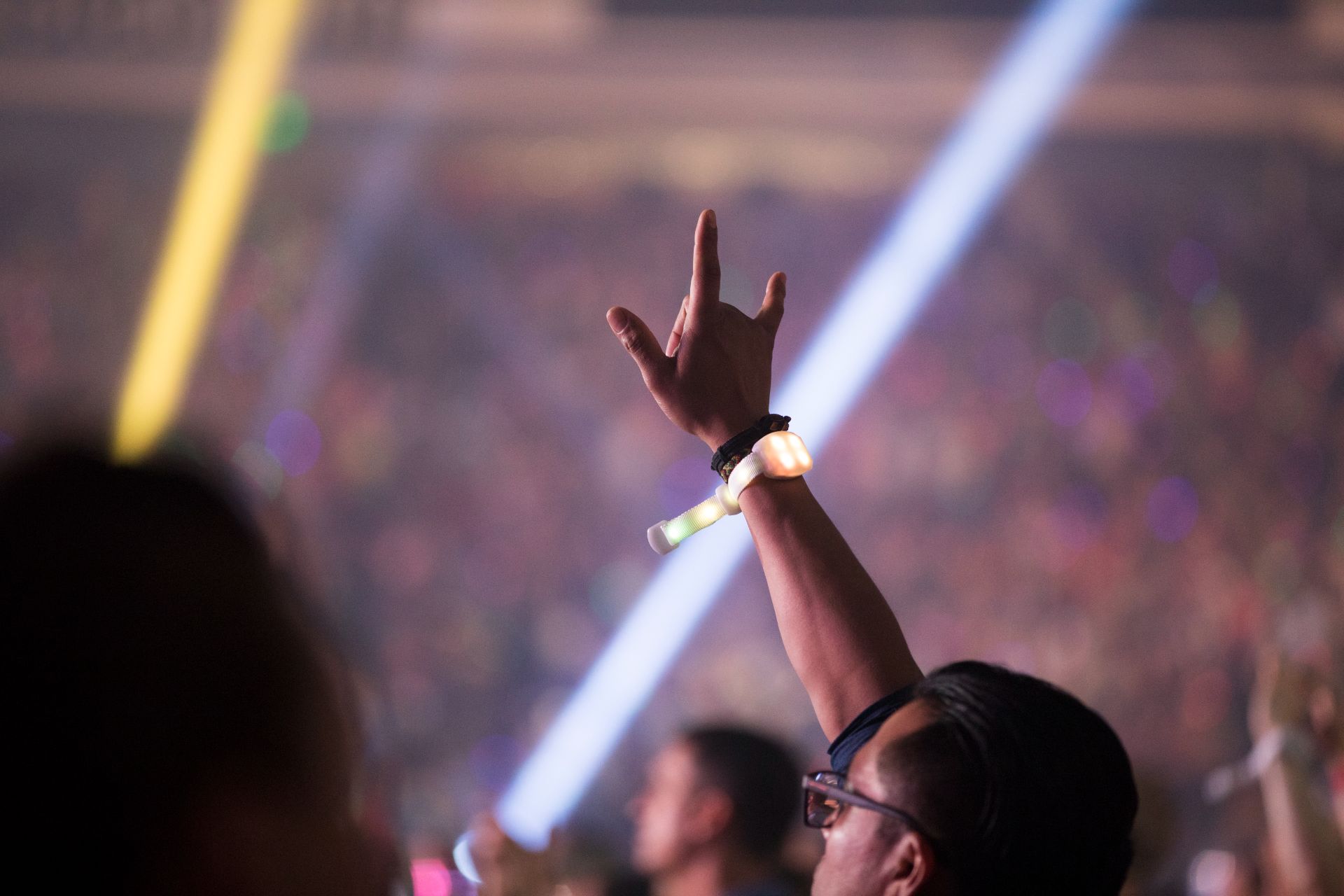
The debut of Coldplay Xylobands on their 2012 Mylo Xyloto tour marked a pivotal moment in the history of audience participation. The technology—combining RF transmitters with programmable LED bracelets—finally gave artists and producers the tools to actively design the audience’s visual experience. This wasn't just about reaction; it was about controlled, intentional integration. The crowd was no longer just a spectator; it was an instrument.
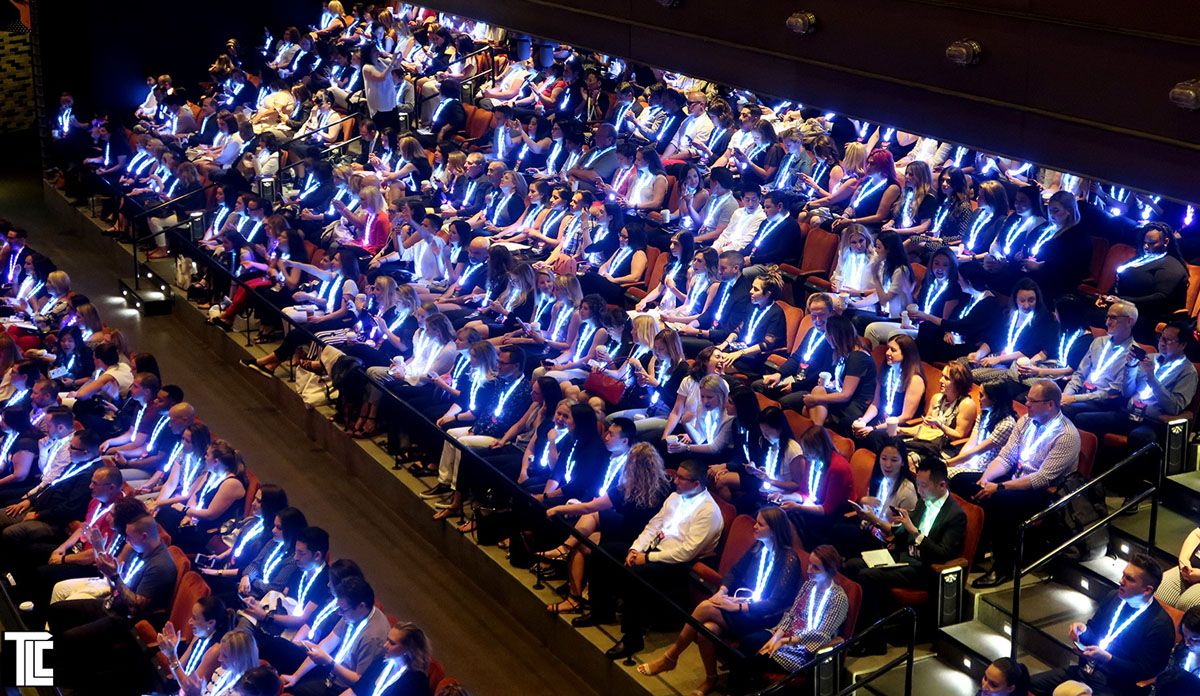
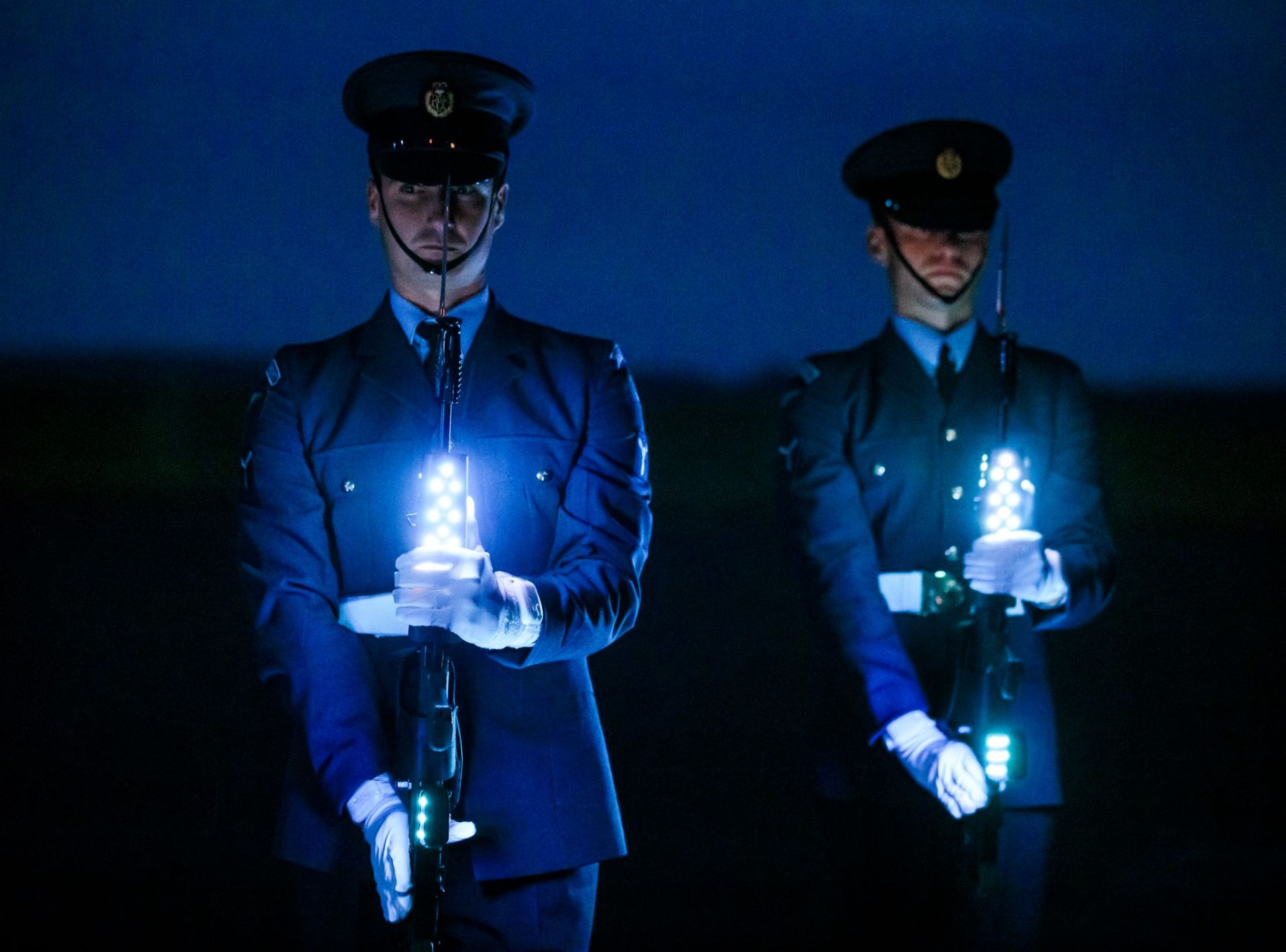
From that point, the evolution accelerated. Today, the technology has expanded far beyond simple on/off commands. Modern LED experiences can involve complex, segmented control, allowing for intricate patterns, chases, and colour effects to ripple across a stadium. We’ve seen this applied in diverse settings, from the high-energy beats of PRIMER Music Festival to the historic 75th-anniversary celebration for Formula One, where custom LED Lanyards helped differentiate sections of the crowd while unifying them in key moments. This level of granular control turns a massive crowd into a dynamic, responsive environment—a key element of truly immersive events.
This new generation of wearable LED technology goes beyond wristbands. LED Orbs and other form factors create new layers of interaction, turning corporate events and brand activations into powerful, memorable experiences. The technology allows for a two-way street; in some applications, audience movement or sound can trigger lighting changes, closing the feedback loop and making the participation truly interactive.
The Future of Participation: The Human Canvas
We’ve come a long way from the unified chant of the Greek chorus. Today, the audience is a living, breathing part of the production infrastructure. The evolution from applause to algorithms has been driven by a fundamental human need: the desire to connect, to belong, and to share in the creation of something beautiful. Technology has not replaced this need; it has amplified it.
As we look to the future, we see a continued blurring of the lines between spectator and spectacle. LED crowd experiences are becoming more sophisticated, more integrated with other show elements like video and audio, and more personalised. The goal is no longer just to create a show *for* an audience, but to create a show *with* an audience. Whether at a massive concert with an artist like Maluma or Wizkid, or at focused corporate event activations, the technology serves a single purpose: to transform thousands of individuals into a unified, illuminated whole. The human canvas has never been more vibrant.