From Signal to Spectacle: The Evolution of Festival Crowd Dynamics
The Unspoken Contract of the Crowd
For decades, the contract between a festival headliner and their audience was simple, almost primal. The artist delivers the performance; the crowd returns the energy. That energy manifested in a polyphony of familiar forms: a roar of applause, a thousand voices singing in unison, a sea of lighters held aloft during a ballad. These were the analog signals of appreciation, the raw data of collective emotion. But they were, by their nature, ephemeral and largely one-directional.
While powerful, these traditional forms of participation left the audience as a passive receptor of the spectacle, rather than an active component of it. Producers could shape the environment with sound systems and lighting rigs pointed at the stage, but the crowd itself remained a canvas in shadow. The evolution from this model to the present day—where the audience becomes a living, breathing extension of the production itself—is a story of technological innovation and a fundamental rethinking of what a live show can be.
The Limitations of Analog Participation
The lighter-in-the-air moment, iconic as it is, highlights the inherent limitations of analog audience interaction. It was a beautiful, spontaneous gesture, but uncontrolled and visually chaotic. The advent of the mobile phone screen offered a brighter, more modern alternative, but it came with a new set of problems: a distracting sea of personal notifications and a universe of people watching the show through a tiny screen, detached from the moment.
Event producers and artists dreamed of something more. What if you could harness that collective energy? What if you could paint with it? The ambition was to find a way to unify tens of thousands of individuals into a single, cohesive visual entity, without sacrificing the personal experience. The challenge was to create a tool that felt magical, not invasive; a piece of technology that would deepen immersion rather than break it.
A Spark at Glastonbury
The conceptual leap arrived, fittingly, at Glastonbury. Watching Coldplay perform "Fix You," our founder Jason Regler was struck by the line, “Lights will guide you home.” He envisioned a system where every single audience member could become a pixel in a grand, unified picture. This wasn’t just about giving people a light; it was about controlling those lights, synchronizing them to the music, the video, and the emotional arc of the performance. This was the genesis of Xylobands and a new category of Immersive Event Technology.
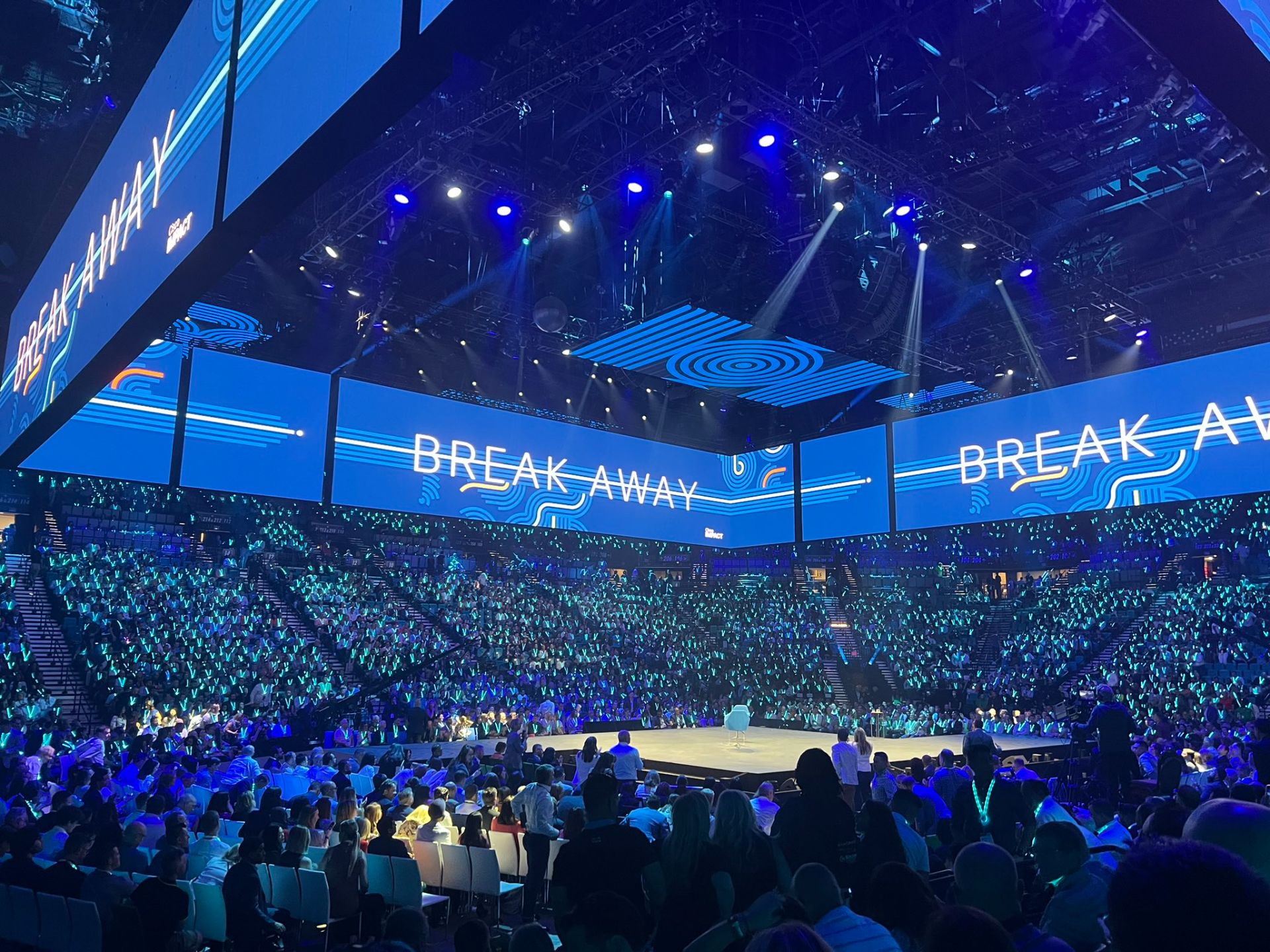
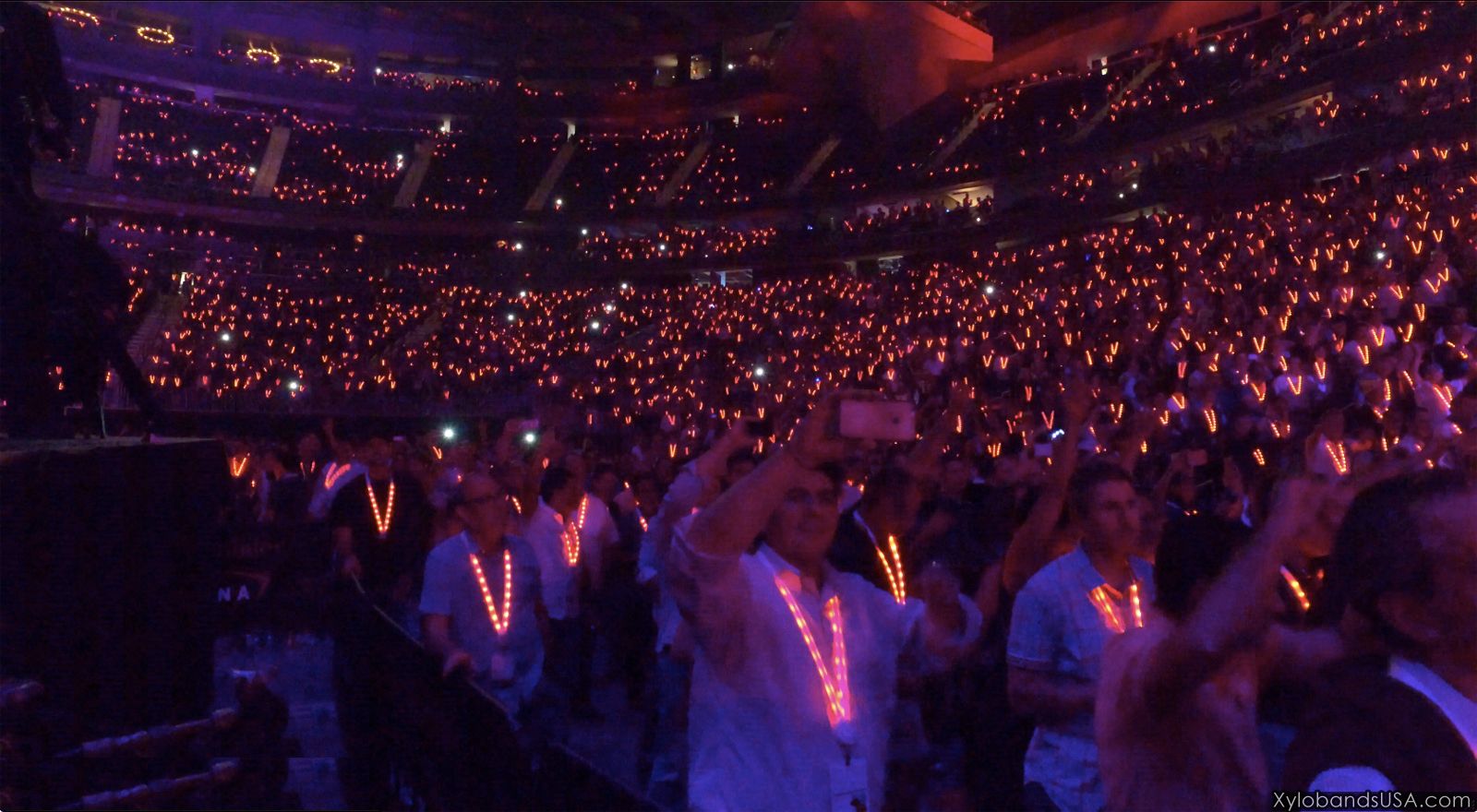
The solution was a fusion of radio-frequency (RF) technology and brilliant, low-power LEDs, all housed within a simple wristband. Suddenly, the lighting designer’s canvas wasn’t limited to the stage truss. It now extended to every person in the arena. With the press of a button, an entire stadium could pulse with the same rhythm, wash over with the same color, or erupt in a thousand points of strobing light. The era of Radio Controlled LED Wristbands had begun, transforming the audience from spectators into the spectacle itself.
The Modern Festival: A Living Canvas of Light
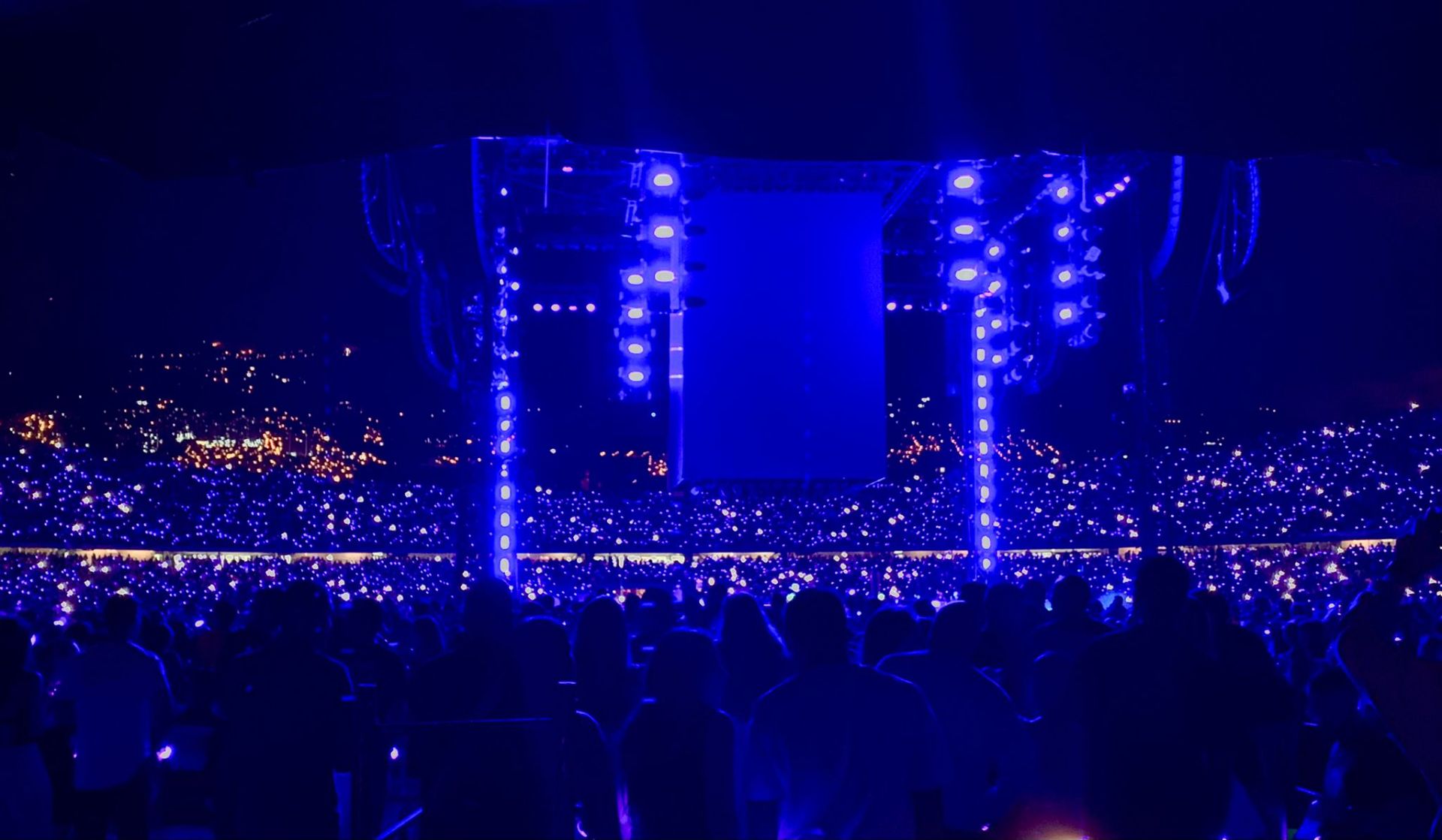
Today, this technology has become a cornerstone of modern festival production. At events like Greece’s PRIMER Music Festival, Festival Wristbands are no longer just a credential for entry; they are an integral part of the creative vision. As international DJs command the stage, the crowd becomes a dynamic, visual echo of the music, creating breathtaking LED Crowd Experiences that ripple across thousands of attendees.
This technology gives us the ability to program the audience, to create waves of light that crash from the front of house to the back of the field. It’s a tool for unity, making every single person feel like they are part of the same moment.
This synchronized sea of light does more than just look impressive. It serves a deeper psychological purpose. It fosters a powerful sense of unity and shared experience, breaking down the barriers between strangers and binding them into a temporary community. For artists, it provides an unprecedented tool for connection, allowing them to reach out and touch every member of the crowd with a single, unified visual cue.
Beyond the Festival Field
The impact of Wearable LED Technology has expanded far beyond music festivals. The principles of creating immersive, unified crowd moments are universal. We’ve seen this technology transform global sporting events for brands like Formula One, where custom LED Lanyards and pendants helped celebrate a 75th anniversary, creating distinct visual identities for different fan sections within London's O2 Arena.
From massive concerts with global superstars like Maluma in his hometown of Medellín to sold-out arena tours with artists like Wizkid, LED Bands have become a signature of the modern mega-event. These are not just accessories; they are central components of the show’s design, proving that any large gathering can be turned into an opportunity for collective, immersive engagement. These Immersive Events rewrite the rules of what an audience can be, proving that the most powerful instrument in the room is often the crowd itself.
The journey from a single lighter held aloft to a stadium of perfectly synchronized LED Bracelets is more than a technological leap; it’s a philosophical one. It represents a shift in our understanding of the audience’s role in live experiences. They are no longer just watching the show—they are the show. For producers, designers, and artists, the question is no longer just what to put on stage, but how to awaken the living canvas of light waiting in the crowd.