The Global Relay: Deconstructing the Logistics of a World Tour
The Unseen Overture
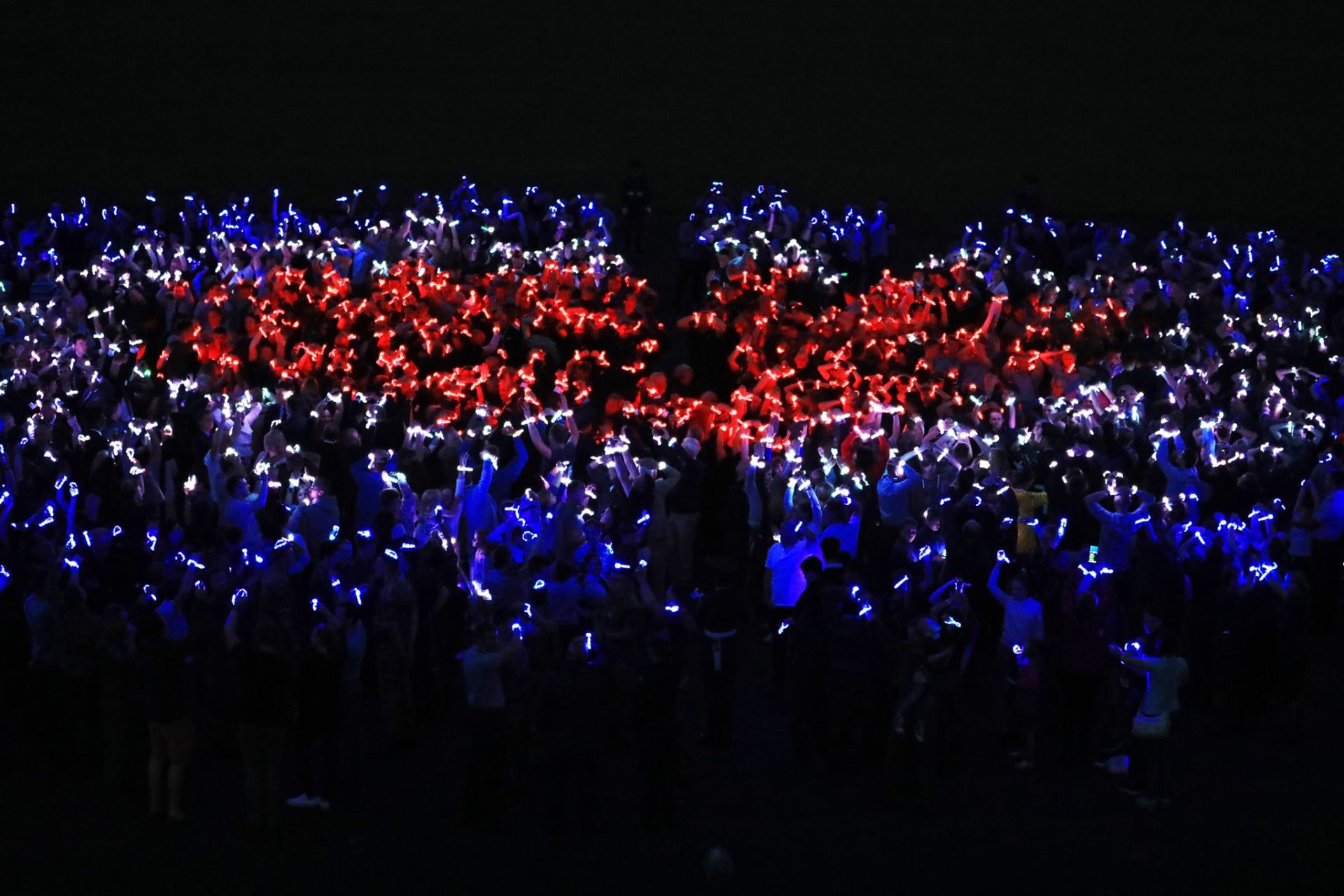
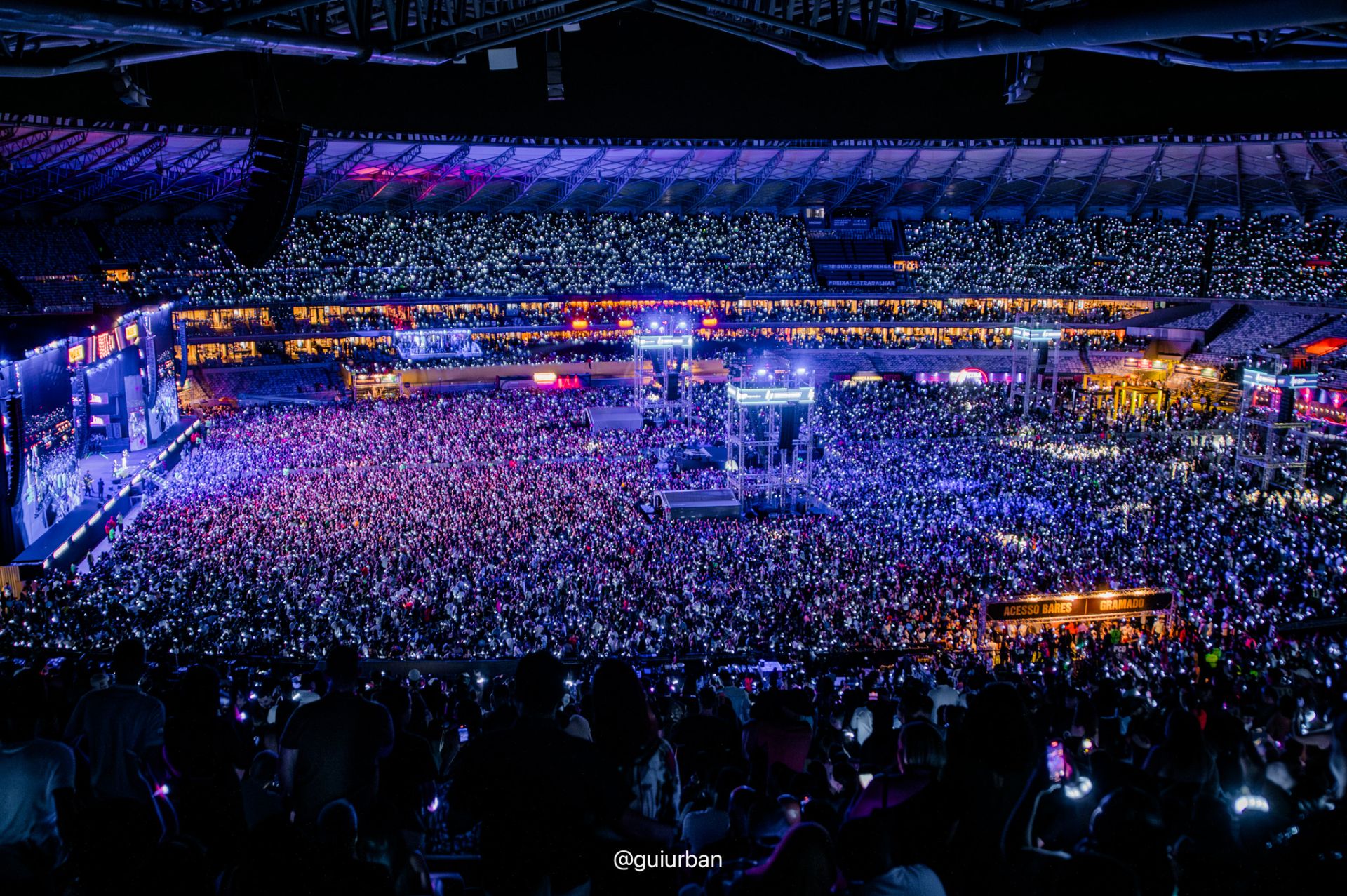
The house lights dim. A roar erupts from 50,000 people as a stadium in Medellín, a festival field in Athens, or an arena in London ignites in a single, synchronized pulse of light. This is the moment of impact, the culmination of months of creative and technical planning. But this moment, this collective intake of breath, is just the final, visible beat in a long and complex rhythm. The real show began months earlier, in warehouses, on tarmacs, and in the quiet hum of a logistics office managing a global relay of immense complexity.
For artists, brands, and designers of immersive events, the spectacle is the product. For the tour and production managers who execute that vision, the product is precision. Getting tens of thousands of pieces of sensitive equipment—from mixing consoles and lighting rigs to pallets of custom LED wristbands—from one continent to another is a discipline in its own right. It’s an unseen overture of freight, customs, and unflinching attention to detail.
The Passport for Goods: Navigating Customs & Carnets
International touring would be impossible without a crucial document: the ATA Carnet. Often called a "passport for goods," this international customs document permits the temporary, tax-free, and duty-free export and import of professional equipment for up to one year. Without it, every border crossing would involve a prohibitively complex and expensive process of posting bonds and navigating unique national import laws.
But while the carnet simplifies, it does not make things simple. Every single piece of equipment, down to the last cable and transmitter, must be meticulously documented. Serial numbers, weights, values, and countries of origin are logged with zero margin for error. A single discrepancy can lead to delays, fines, or—the ultimate catastrophe—the impounding of critical gear. When your cargo includes 30,000 radio controlled LED wristbands destined for a one-off stadium show, a customs delay isn't an inconvenience; it's a potential showstopper.
"The logistics chain is only as strong as its weakest link. For us, that means every pallet, every flight case, and every customs declaration has to be flawless."
The Great Puzzle: Air, Sea, and Land
Once the paperwork is in order, the physical journey begins. The mode of transport is a strategic decision dictated by timelines, budget, and the nature of the equipment itself.
Air Freight: The Need for Speed
For the tight turnarounds of a global arena tour or a major broadcast event like Eurovision, air freight is the only option. It’s the fastest way to move high-value, time-sensitive technology. The challenge lies in scheduling and capacity. Coordinating cargo space for dozens of pallets amidst fluctuating airline availability requires foresight and deep relationships with freight forwarders. This is the high-stakes, high-speed world of moving a show like Maluma’s historic Medellín concert or preparing for a multi-night, sold-out run like Wizkid’s at The O2. The LED bands that form the heart of these LED crowd experiences are often flying on a schedule as tight as the artist's.
Sea & Land: The Long Game
For longer-range planning, particularly for large-scale festivals or events with more predictable schedules, sea freight offers a more economical solution for bulk items. A container of festival wristbands or LED orbs might be dispatched months in advance, silently making its way across the ocean. The final leg of the journey is almost always by land. A fleet of trucks becomes a rolling warehouse, crisscrossing countries and continents. This phase comes with its own set of variables: road regulations, driving-hour directives, border crossings, and the simple, unpredictable nature of weather and traffic. The successful arrival of this equipment at the venue is the first critical cue of the entire production.
The Human Element: Experts on the Ground
Technology doesn't deploy itself. Long before the main production crew arrives, an advance team is on the ground. This includes the tour’s production managers and key technical partners who are responsible for their specific domains. At Xylobands, our technical teams are often the first to arrive and the last to leave. Their role is to receive the freight, verify the inventory against the carnet, and begin the process of preparing the immersive event technology for deployment.
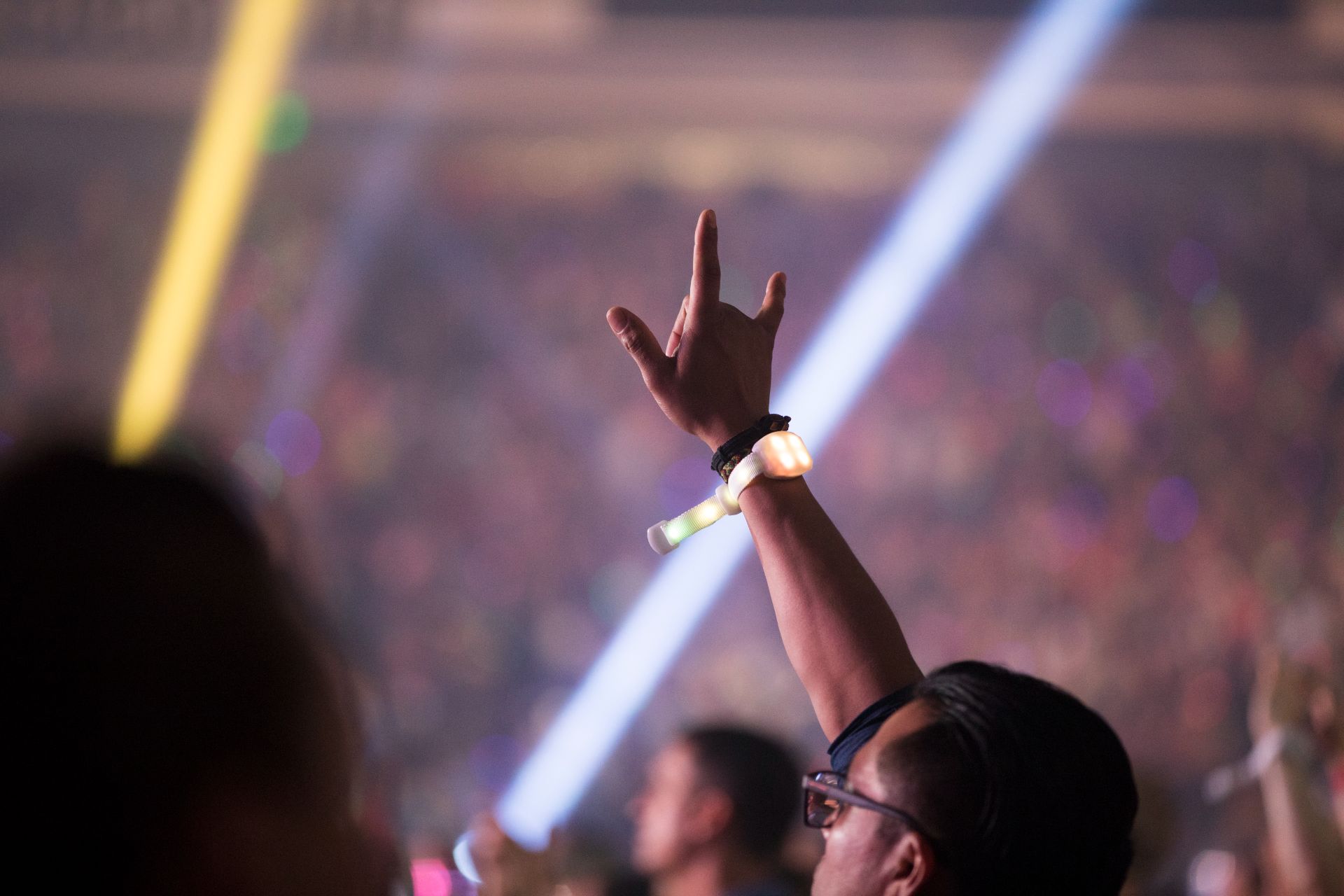
This on-the-ground expertise is non-negotiable. Whether it’s preparing LED Lanyards for a massive corporate event activation or ensuring every one of our Glastonbury wristbands is ready for the show, our teams provide the crucial link between the shipped hardware and the creative vision. They are the final guardians of the equipment, ensuring that the long journey from warehouse to venue results in a flawless audience experience.
From Warehouse to Wow
Ultimately, the goal of this global logistical ballet is to become invisible. The audience should never have to consider the months of planning, the customs hurdles, or the complex freight-forwarding puzzle that delivered the experience into their hands. They are there to be part of the show, to feel the unity of a crowd illuminated.
When thousands of Xylobands ignite in perfect synchrony, that singular moment of collective wonder is the payoff. It’s a testament not only to creative vision and powerful wearable LED technology, but also to the unseen, meticulously executed global relay that brought it to life. Mastering these logistical miles is the silent, foundational art of modern global event production.