The Global Stage: A Masterclass in Touring Logistics
The Unseen Machine
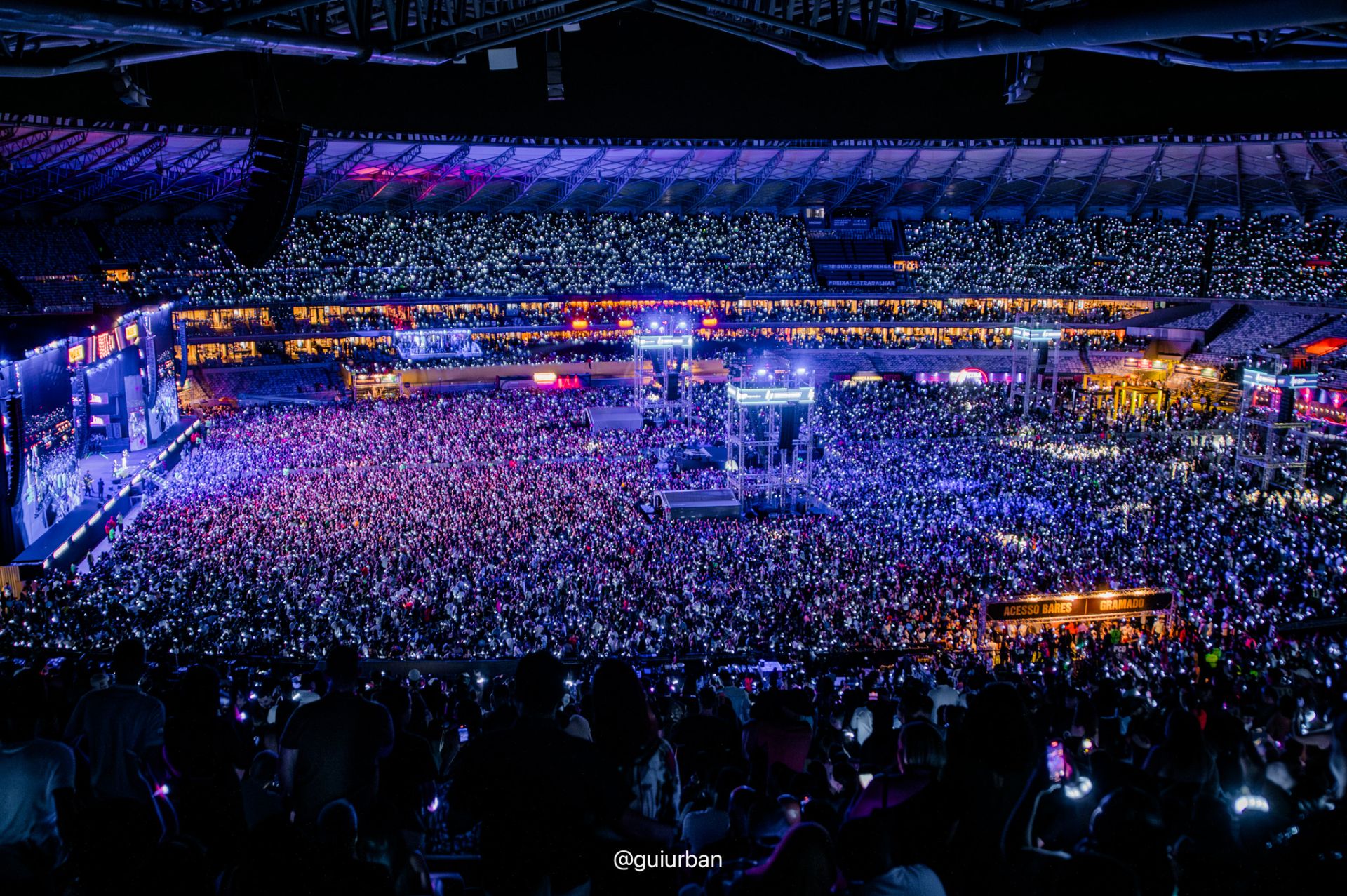
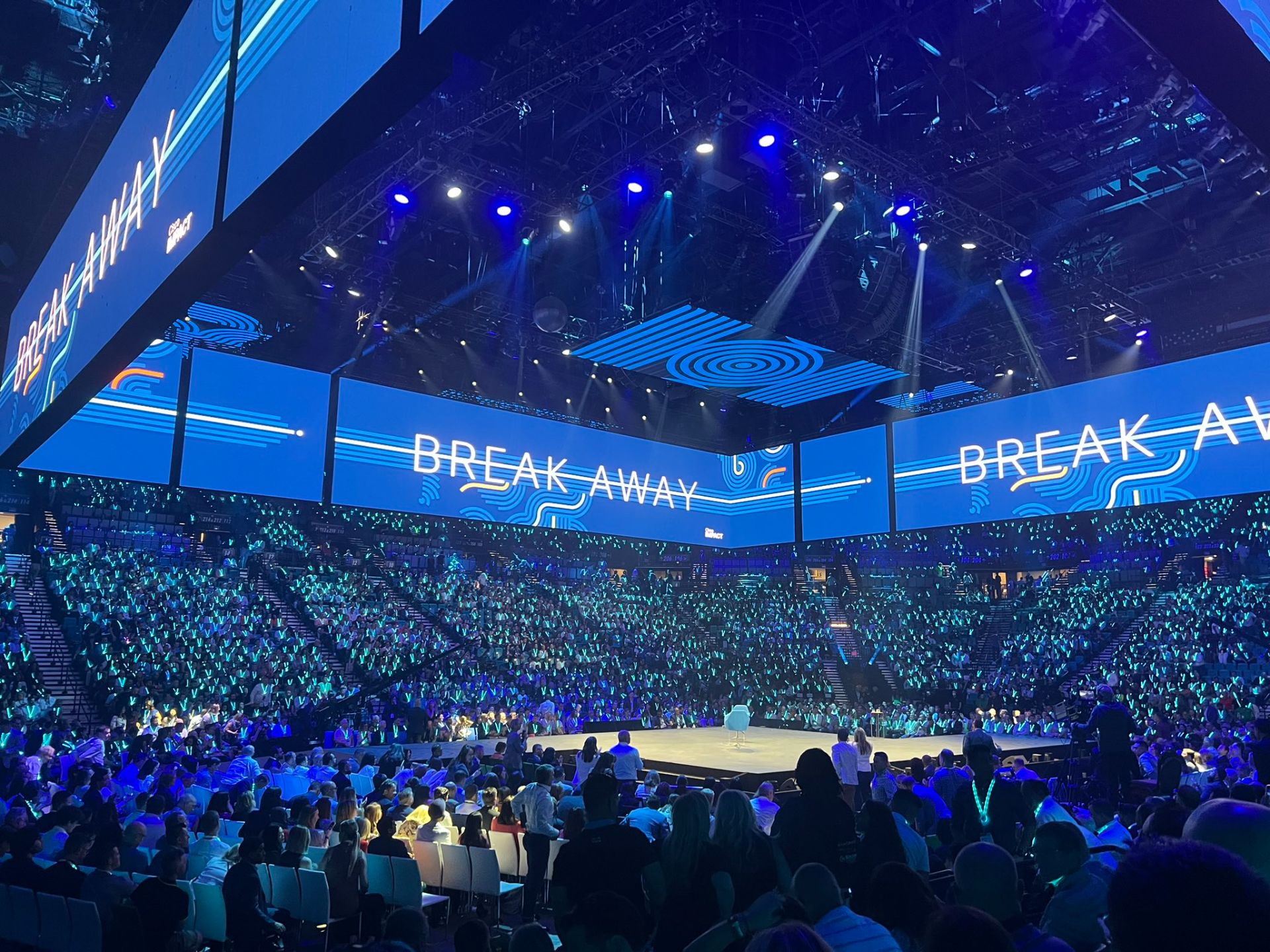
For the audience, a global concert tour appears as a seamless spectacle. The house lights dim, the stage explodes with energy, and for two hours, tens of thousands of people are unified in a shared experience. But behind this magical appearance lies a brutally complex, invisible machine—a global network of freight, customs, and logistics operating on a zero-failure mandate. For every hour the artist is on stage, thousands of hours have been spent moving the production across continents, navigating a labyrinth of regulations, and ensuring every single piece of equipment arrives on time, every time.
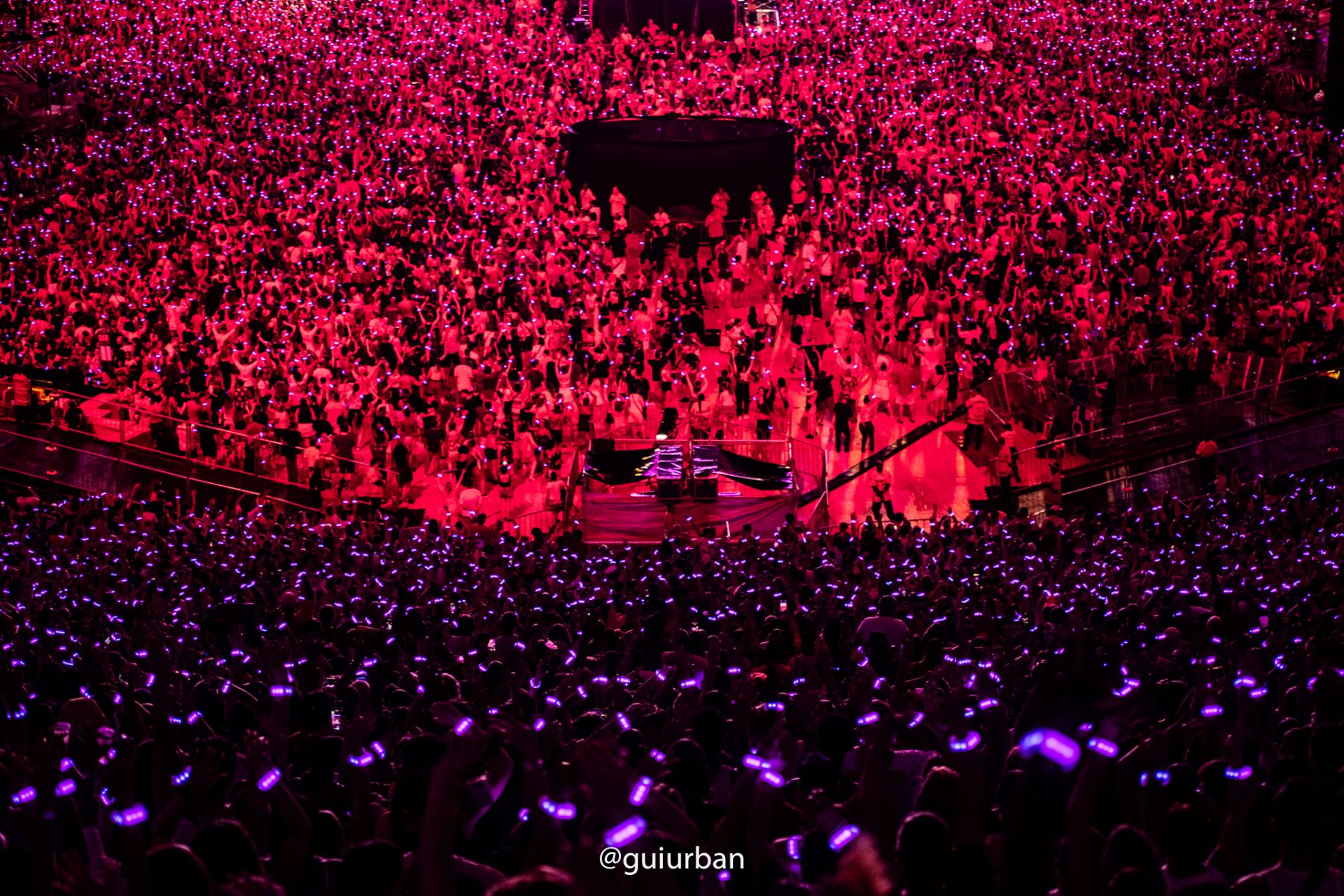
This is the world of global touring logistics, a discipline where success is measured by invisibility. When done right, no one in the audience ever thinks about the sheer scale of the operation. They don’t consider the customs declarations for thousands of LED wristbands in South America, the air freight charters required to move a stage from London to Tokyo, or the fleet of trucks waiting to load out in the dead of night. They simply feel the magic. At Xylobands, moving our technology to events in over 70 countries, we live and breathe this operational ballet.
The Three Pillars of Touring Logistics
A successful global tour rests on three foundational pillars: meticulous planning, robust freight management, and airtight customs navigation.
1. The Blueprint: Planning for a World in Motion
Long before the first truck is loaded, the tour’s production manager and logistics team are drafting a master plan. This isn't just a schedule of dates and venues; it's a comprehensive blueprint that accounts for every variable:
- Transportation Modes: Will the gear travel by air, sea, or land? The decision balances speed against cost. A transatlantic move for a stadium-sized production might require a chartered cargo plane, while regional legs can be handled by a convoy of trucks.
- Redundancy and Contingency: What if a flight is cancelled? What if a border is unexpectedly closed? Global logistics demands "what-if" scenarios for everything. This often means building buffer days into the schedule or having backup transportation options on standby.
- Local Nuances: A stadium load-in in the United States is vastly different from one in Europe or Asia. Local labour laws, venue restrictions, and even traffic patterns must be factored into the timeline.
“The tour schedule is the anchor. Every logistical decision is tethered to it. Missing a single customs deadline can jeopardise an entire show, disappointing thousands of fans and incurring massive costs. It’s a high-stakes, zero-margin-for-error environment.”
2. The Arteries: Freight and Carnets
The physical movement of gear is the circulatory system of a tour. This process is governed by a critical document: the ATA Carnet. Often called a "passport for goods," the carnet is an international customs document that allows for the temporary, tax-free, and duty-free importation of equipment. Without it, a tour would be financially and practically impossible, facing crippling taxes and delays at every border.
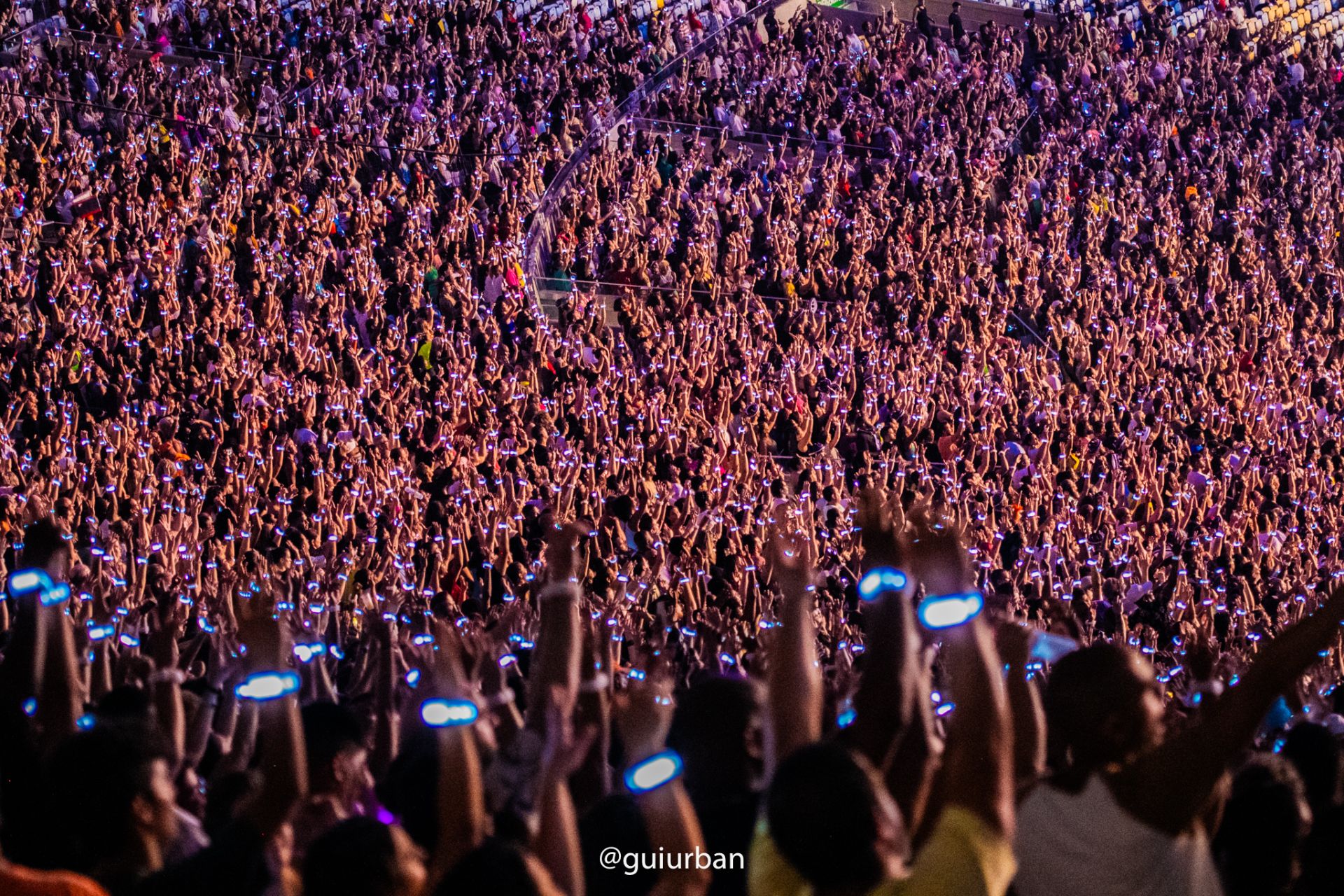
Managing the carnet is an art form. Every single item—from the largest video screen down to the smallest radio transmitter for our radio controlled LED wristbands—must be meticulously itemised, complete with serial numbers, weight, and valuation. A single discrepancy can lead to a customs inspection that grinds the entire operation to a halt. When we deploy our wearable LED technology for events like the Formula One 75th anniversary or a Maluma stadium show in Colombia, our logistics teams ensure every case is perfectly documented to guarantee seamless entry.
3. The Gatekeepers: Navigating Customs
Even with a perfect carnet, customs clearance is a human process that requires expertise and relationships. Experienced logistics teams work with freight forwarders and customs brokers who specialise in live entertainment. These partners are invaluable; they understand the specific requirements of each country and often have on-the-ground relationships with local customs officials.
This is especially critical when dealing with sensitive electronics, like the RF-controlled systems that power immersive event technology. Different countries have different regulations regarding radio frequencies and battery technologies. Our own Xylobands and LED Lanyards undergo rigorous checks to ensure compliance with regional standards, preventing any last-minute surprises that could compromise the show’s lighting design.
The Load-Out: Racing Against the Clock
The moment the final encore ends and the house lights come up, the logistical machine roars back to life. The load-out is a masterclass in organised chaos, a race against time to dismantle, pack, and ship the entire production to the next city. A well-drilled crew can break down a full stadium show in a matter of hours.
This is where the meticulous planning pays off. Every case is labelled for its specific truck and destination. The load-out sequence is precisely choreographed to ensure the equipment needed first at the next venue is loaded last. While the audience heads home, their ears still ringing, the crew is already focused on the next dot on the map, ensuring the magic is ready to be recreated hundreds or thousands of miles away.
From a Spark in a Field to a Global Spectacle
What started as an idea at Glastonbury Festival—to connect artist and audience with light—has become a global operation. That journey from a concept to a company powering LED crowd experiences at massive events like Wizkid’s historic sell-out shows at The O2 or PRIMER Music Festival in Greece, is a story of logistical mastery. It’s a testament to the unseen army of production managers, freight forwarders, and technical crews who work in the shadows. They are the true roadies, the masters of a global puzzle, ensuring that no matter where in the world the stage is, the lights will always come on.