The Interactive Canvas: A History of Audience Participation Technology
From Applause to Algorithms: The Technological Evolution of the Live Show
At its core, every live event is a conversation. A performance offers a statement, and the audience responds. For centuries, that response was measured in the analogue metrics of applause, cheers, or silence. But the fundamental human desire to participate—to be seen, to be part of the whole—has driven a remarkable technological evolution. The journey from a simple handclap to a stadium illuminated by millions of synchronized pixels is more than just a history of gadgets; it’s the story of our enduring need for shared experience, amplified by innovation.
The Analogue Age: Lighters, Voices, and The Wave
The first real tools of audience participation were elegantly simple. The sheer volume of a crowd’s roar was the original amplifier. Then came the iconic ‘lighter in the air’ moment, a spontaneous yet powerful gesture of solidarity during a ballad. It was the first instance of the audience creating a unified, low-tech light show. This simple act transformed the passive onlooker into an active participant, a single point of light contributing to a collective constellation.
In the stadiums of the 1970s and 80s, this desire for active participation manifested in another analogue phenomenon: the stadium wave. It required no hardware, only cooperation and timing. It was a physical algorithm executed by thousands of people, a living, breathing spectacle that rippled through the stands. These early forms of engagement were crucial; they proved that audiences were not just consumers of the live experience, but an integral, dynamic part of the performance environment itself.
The Dawn of Digital: Call-ins, Voting, and Early Interactivity
The proliferation of television and telephone lines introduced a new vector for audience interaction. TV shows like those produced by ITV pioneered phone-in voting, allowing the public to directly influence the outcome of competitions. This was a paradigm shift. The fourth wall was breached not by a physical gesture, but by a data point. Suddenly, the audience at home could reach into the studio and have a tangible impact. While rudimentary by today’s standards, this laid the groundwork for a future where the line between performer and observer would blur almost completely.
“The history of live events is a steady march toward dissolving the boundary between the stage and the seats. Every technological leap has been about creating a more profound sense of unity and shared purpose.”
The LED Revolution: When the Crowd Became the Canvas
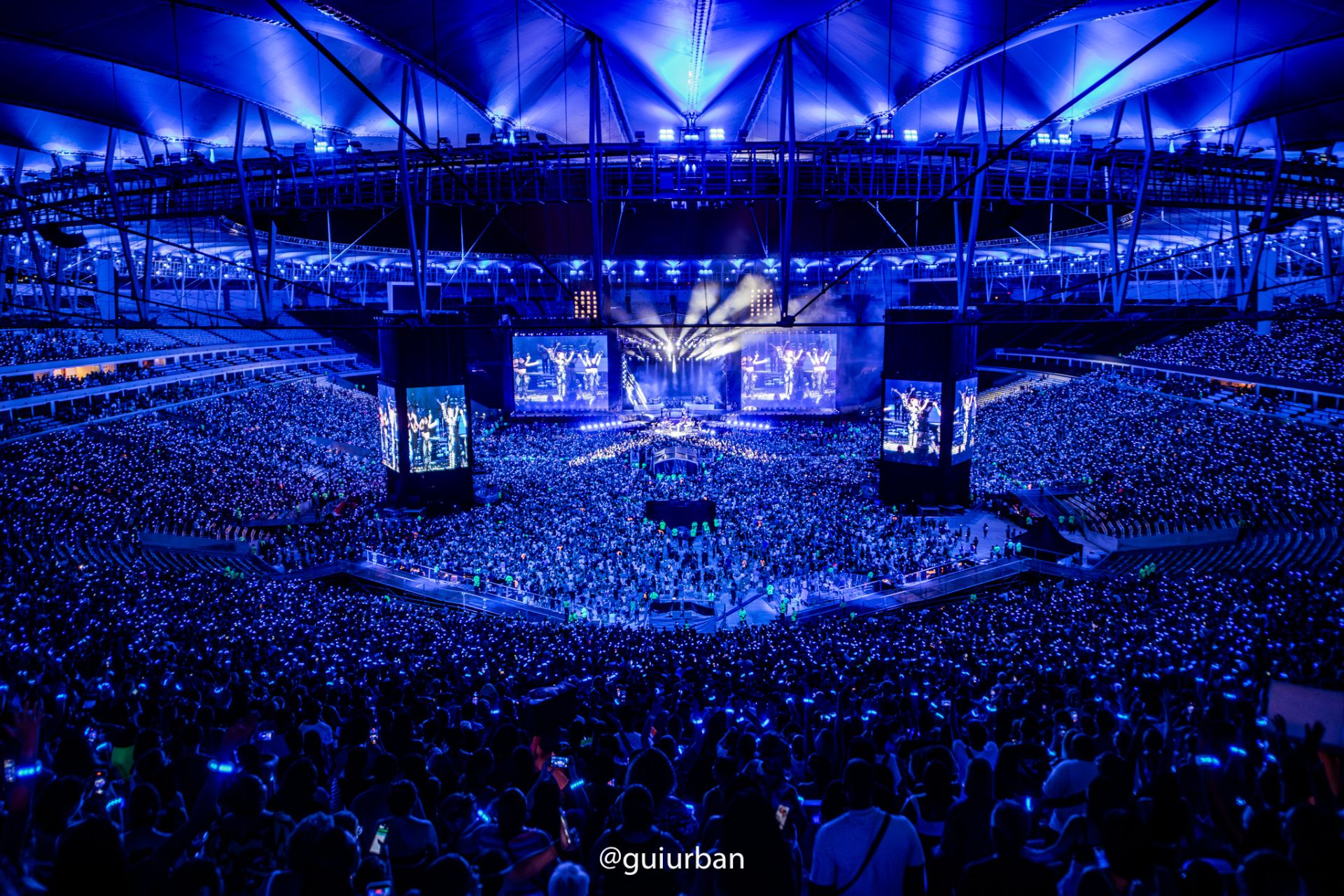
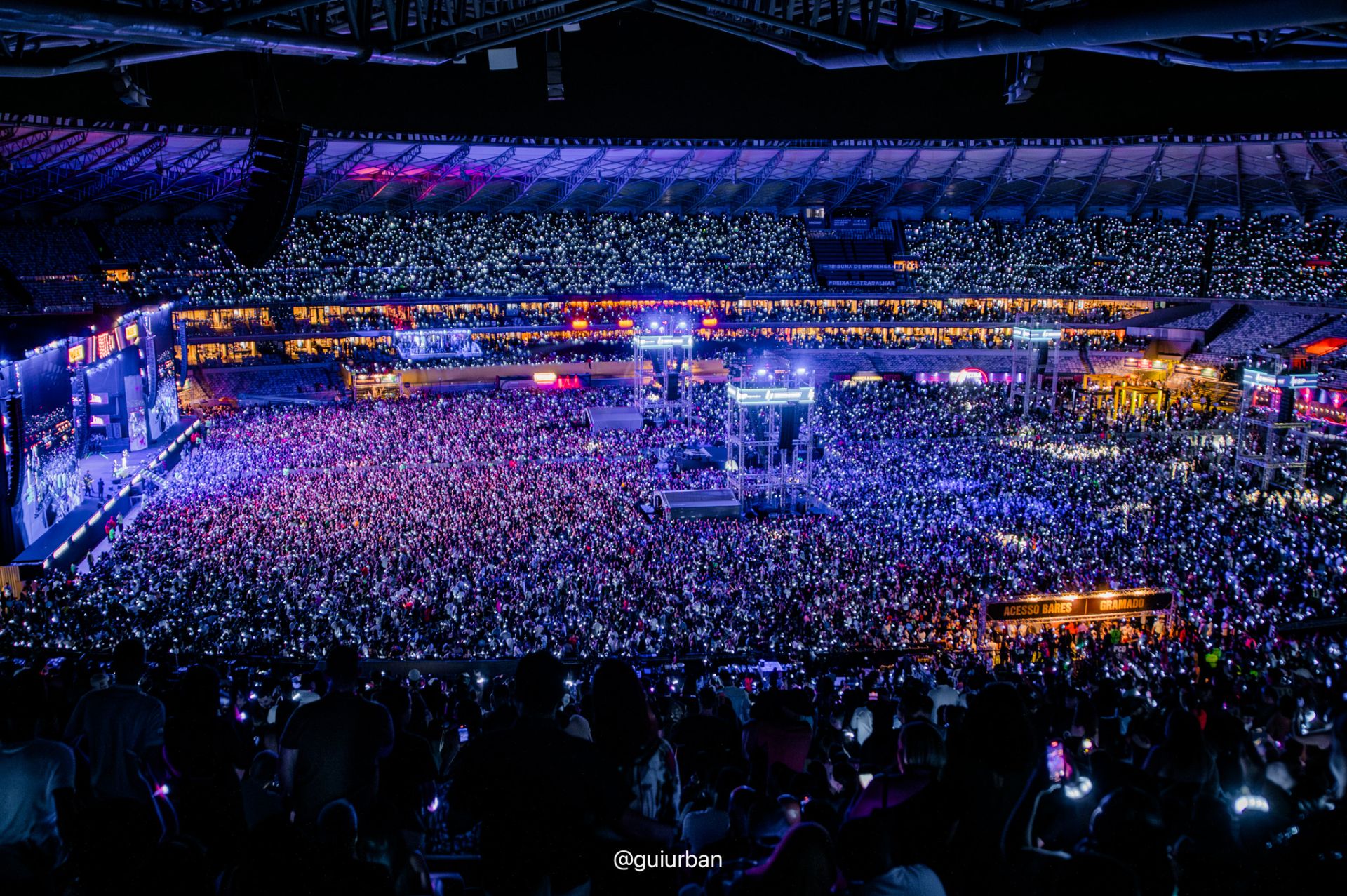
The true turning point arrived with the advent of portable, wirelessly controlled LED technology. This is where Xylobands entered the story. The idea, born from watching a Coldplay performance at Glastonbury, was to transform every audience member into a pixel in a vast, moving canvas of light. Suddenly, the entire crowd at a concert or festival could be illuminated in perfect sync with the music, creating breathtaking visual moments on a massive scale.
This wasn’t just about passive illumination; it was about dynamic, controlled, and deeply immersive event technology. With radio controlled LED wristbands, show designers could now paint with an audience. They could send waves of color crashing through a stadium, isolate specific sections in a flash of light, or make an entire arena pulse with the beat of a drum. It moved beyond simple participation into the realm of crowd co-creation.
From the Mylo Xyloto tour, this wearable LED technology exploded across the industry. Today, Xylobands are a staple at major world events, from electrifying festival crowds at Greece’s PRIMER Music Festival to adding visual punctuation to the high-stakes drama of the Davis Cup or the 75th-anniversary celebration for Formula One. Each wristband, or even custom LED Lanyards and LED Orbs, acts as a connected node, turning tens of thousands of individuals into a single, cohesive entity.
The Future is Sentient: Data, Personalization, and Immersive Ecosystems
We are now entering an even more sophisticated era of audience interaction. The next evolution of LED experiences is not just about synchronized light, but about responsive and personalized engagement. Modern systems can integrate with event apps, social media, and even biometric data, creating truly interactive ecosystems.
Imagine corporate event activations where an attendee’s wristband lights up when they network with a specific contact, or a music festival where the light patterns are influenced by the crowd’s collective energy levels. This is the new frontier: sentient events that don’t just happen *for* an audience, but *with* them.
This technology allows for unprecedented levels of creative expression. An artist like Maluma, performing for 54,000 fans in his hometown and streaming to millions more, can use this tech to make every single person feel like part of a historic moment. The light show is no longer confined to the stage; it extends to the very last seat in the stadium, and even to the wrist of the fan watching from home.
The journey from a flickering lighter to a network of intelligent LED bands is a testament to the power of a simple idea: that the most powerful performances are the ones we create together. Technology has not replaced the human element; it has amplified it, turning the simple act of being present into an opportunity for profound connection and collective artistry. The conversation between the stage and the crowd continues, but now, it’s a conversation written in light.