The Unseen Signal: How RF, DMX, and Infrared Tech Power Immersive LED Experiences
The Moment of Transformation
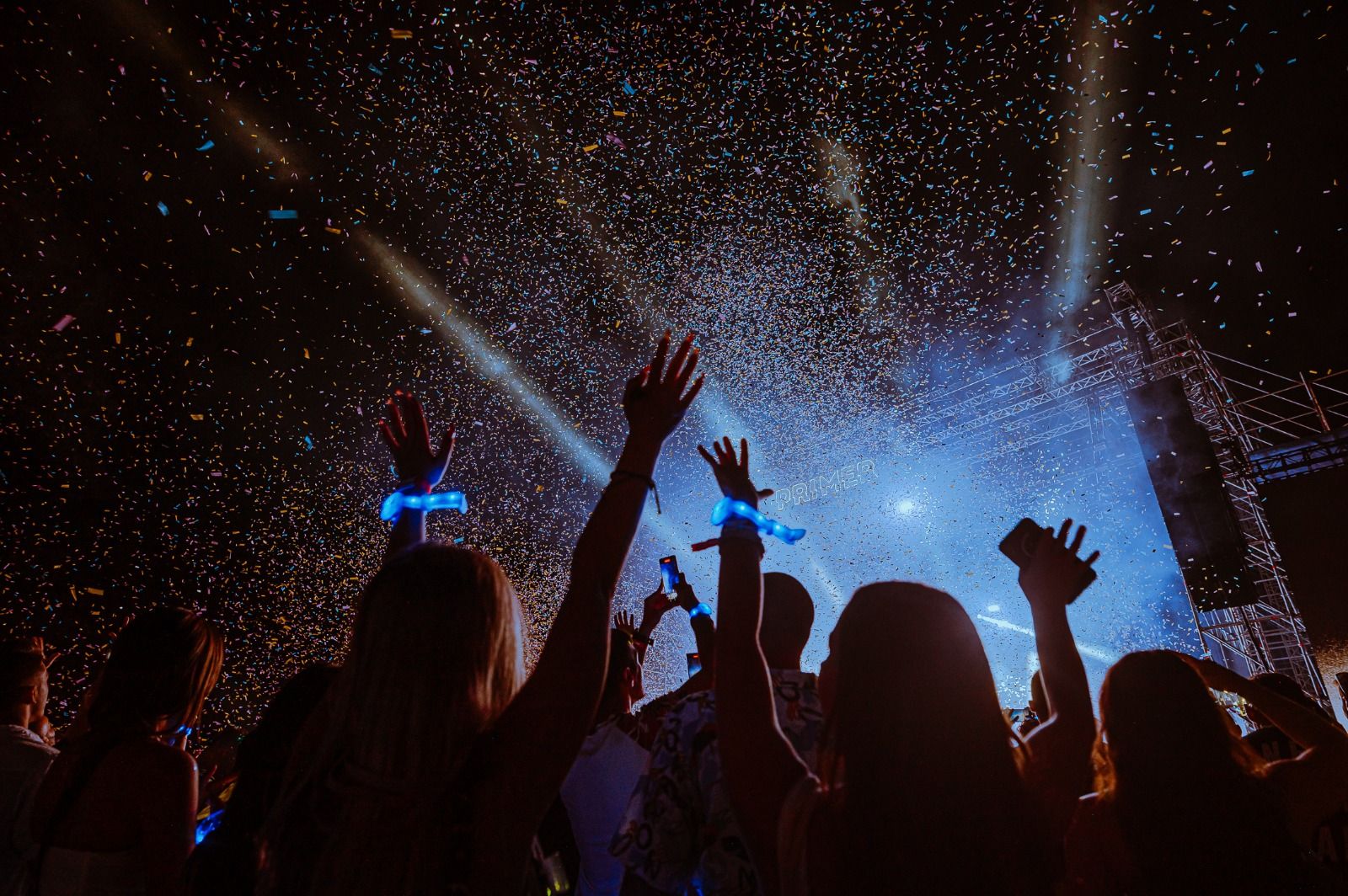
It’s a moment every event producer, tour manager, and brand marketer strives to create: the instant a passive crowd becomes an active, unified participant. The house lights drop. A wave of colour erupts, not from the stage, but from the audience itself. Tens of thousands of individual lights, worn on the wrists of every attendee, pulse in perfect unison, transforming a sea of spectators into a living, breathing canvas of light. This is the power of immersive event technology, and at its core is a sophisticated interplay of wireless communication protocols.
While the visual effect is stunningly simple, the technology that drives these LED crowd experiences is a masterclass in engineering, logistics, and creative programming. At Xylobands, we pioneered the use of radio controlled LED wristbands, debuting them on Coldplay’s Mylo Xyloto tour. Since then, the technology has evolved, branching into a suite of solutions designed for different environments, scales, and creative ambitions. Understanding the three primary control methods—Radio Frequency (RF), DMX, and Infrared (IR)—is key to unlocking their full potential.
The Stadium-Scale Powerhouse: Radio Frequency (RF)
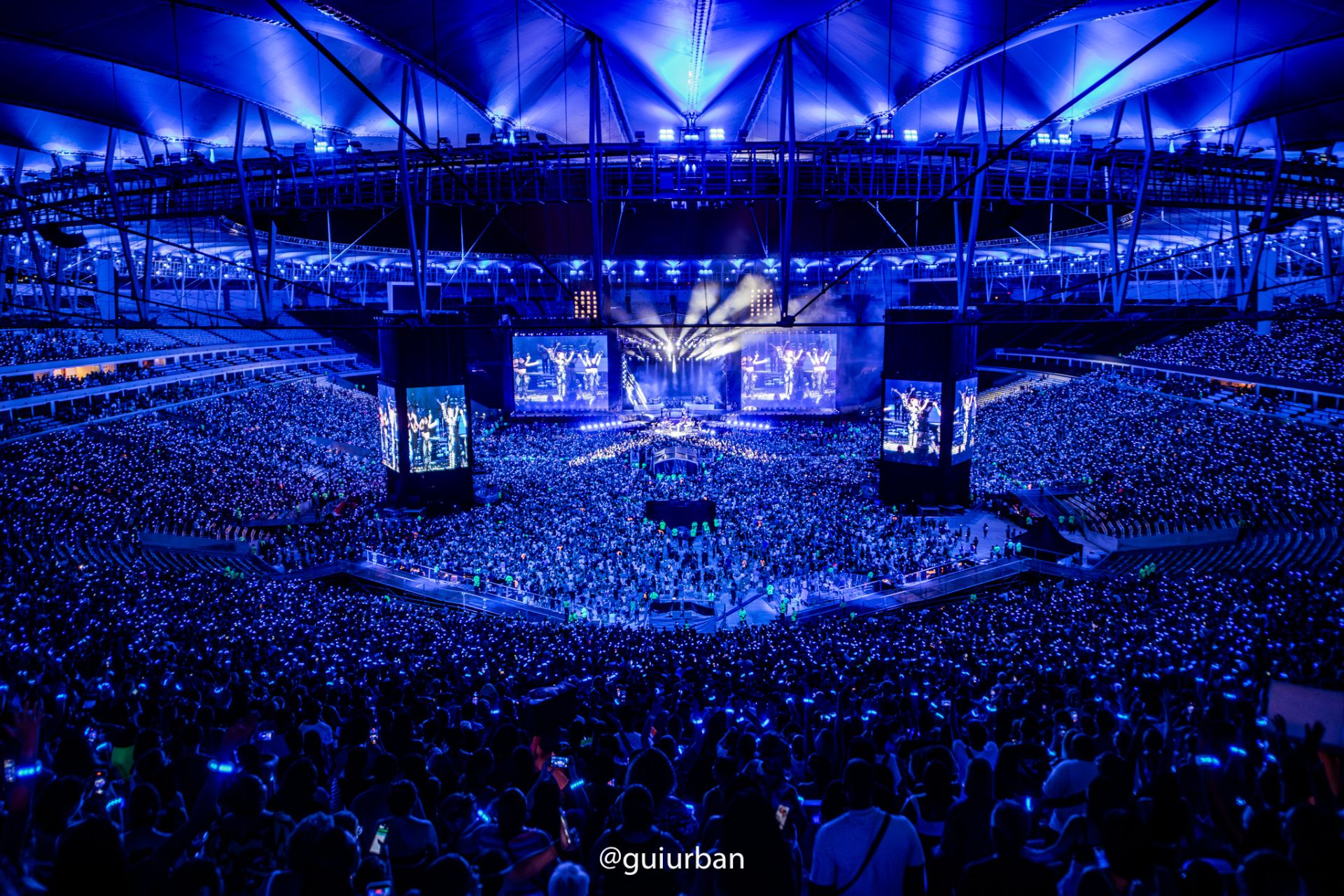
Radio Frequency is the workhorse behind the large-scale spectacles that have become synonymous with the Xylobands name. It’s the technology that allows a single command to control hundreds of thousands of LED wristbands across a stadium, festival field, or arena, making it ideal for events like Maluma’s historic Medellín concert or lighting up the crowd at Greece's PRIMER Music Festival.
How It Works
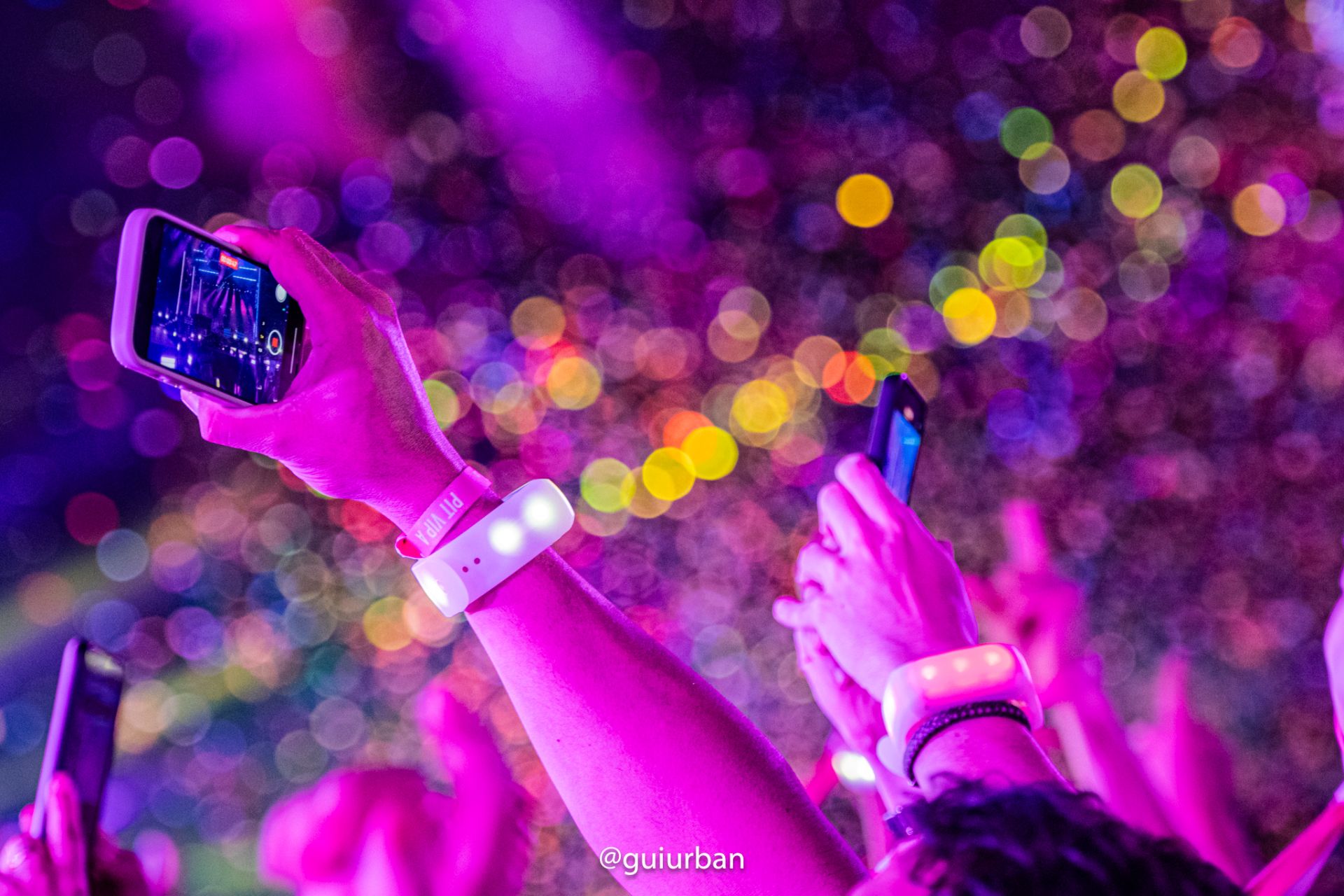
An RF system consists of two main components: a transmitter and the receivers embedded within each wristband. The transmitter, controlled by a lighting technician via a dedicated software interface, sends out powerful radio signals across a specified frequency. These signals carry data packets containing commands for the LED bands: which colour to display, when to flash, how to fade, and in what sequence.
Each wristband is programmed to listen on a specific frequency. When it receives a valid command from the transmitter, the microcontroller inside the band executes the instruction instantly. The power of RF lies in its range and its ability to penetrate obstacles. A single, strategically placed transmitter can cover an entire arena, sending signals that reach every wristband regardless of whether it’s in the front row or the highest tier of seating. This makes RF the go-to solution for achieving massive, unified lighting effects and creating those powerful moments of collective energy that define modern concert wristbands.
For a global artist like Wizkid selling out three consecutive nights at London's O2 Arena, the reliability and scale of RF is non-negotiable. It ensures every single one of the thousands of fans becomes part of the same visual tapestry, night after night.
The Theatre of Precision: DMX Integration
While RF excels at broad, sweeping commands, DMX (Digital Multiplex) offers a level of granular control that is essential for complex, theatrical, and broadcast-heavy productions. DMX is the industry-standard protocol for professional lighting and stage effects, used to control everything from moving heads and spotlights to fog machines. Integrating wearable LED technology with DMX allows for a seamless fusion of audience and stage lighting.
How It Works
Instead of a proprietary controller, the command signals for the wristbands originate from the show’s main lighting desk. A DMX-to-RF interface box acts as a bridge, translating DMX data channels into the radio frequency signals the wristbands understand. This means the lighting designer can program the LED bracelets as if they were just another fixture in their lighting rig. They can create intricate, layered effects, mapping different colours and patterns to specific zones in the audience with the same precision they apply to the on-stage lighting.
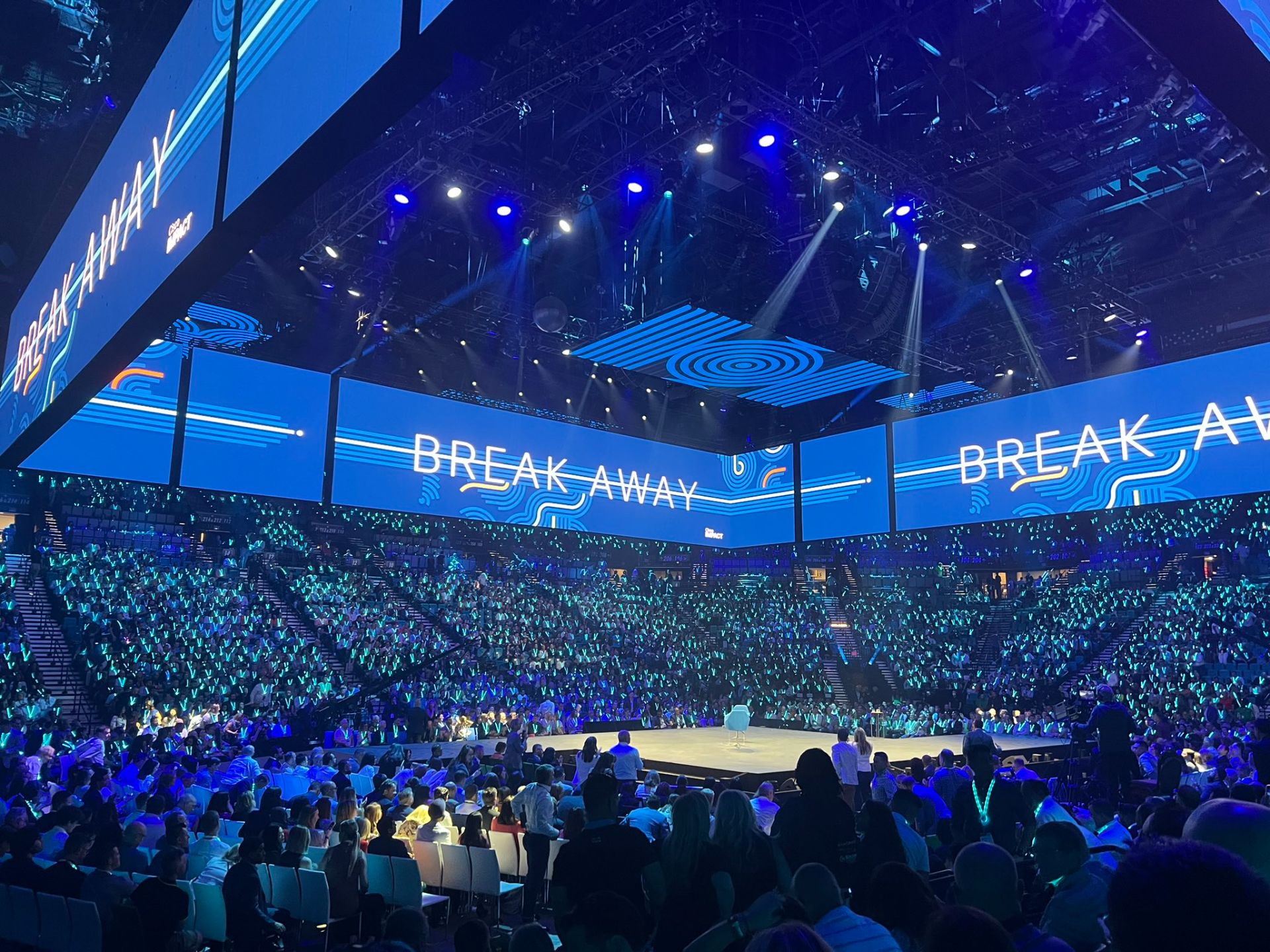
This integration is crucial for corporate event activations and live broadcasts, where visual cohesion is paramount. For the F1 75th Anniversary event, for instance, custom LED Lanyards were part of a complex, multi-layered show designed for both the live arena audience and millions watching the broadcast. DMX control ensures that the light pulsing from the crowd is perfectly timed with the on-screen graphics, the stage lighting, and the musical cues from performers like Take That, creating a polished, unified visual experience.
The Close-Range Trigger: Infrared (IR)
If RF is the wide-angle lens and DMX is the zoom, Infrared (IR) is the macro. IR technology provides short-range, line-of-sight control, perfect for creating interactive zones and triggering specific effects in smaller, defined areas. It’s the same technology found in a television remote, using invisible light to transmit commands.
How It Works
Small, discreet IR transmitters are placed strategically throughout a venue—at entrances, near specific exhibits, or in breakout zones. When a wristband comes within the operational range and direct line of sight of a transmitter, it receives a command. This could trigger a simple colour change to welcome guests into a VIP area, segment an audience into teams for a competitive activation, or create a "light-up" moment as attendees pass a certain point.
The beauty of IR lies in its precision and its ability to facilitate audience interaction and flow management without complex zoning via RF. At a corporate conference, for example, attendees wearing custom LED wristbands could have them change colour as they enter different seminar rooms. For immersive events, IR can trigger unique lighting sequences as guests explore an exhibition, rewarding movement and discovery with a flash of light. It adds a layer of personalised, responsive technology that makes the individual feel seen within the larger crowd.
A Symphony of Signals
The true artistry of modern LED event technology lies not in choosing one of these protocols, but in orchestrating them together. A large-scale stadium tour might use a primary RF system for the massive, all-encompassing moments, while also employing DMX integration to give the show’s lighting director nuanced control over specific audience sections. Meanwhile, IR triggers could be placed at merchandise stands or VIP entrances to create smaller, interactive touchpoints.
From the sweeping grandeur of the Coldplay Xylobands experience to the targeted precision required for a high-stakes brand activation, the underlying technology is a silent partner in the creation of unforgettable moments. It’s an unseen signal that connects the artist to the audience, the brand to the consumer, and each individual to the collective, proving that the most powerful immersive event technology is the kind that feels less like hardware and more like magic.