The Human Algorithm: Decoding the Psychology of Shared Live Experiences
The Architecture of Connection
What transforms a gathering of thousands of individuals into a single, breathing entity? At the heart of every unforgettable concert, festival, or opening ceremony lies a deep understanding of human psychology. Event producers are not just building stages and programming lighting cues; they are architecting moments of profound human connection. The goal is to move beyond passive consumption and invite the audience to become an integral part of the spectacle itself. This is the core of modern immersive events.
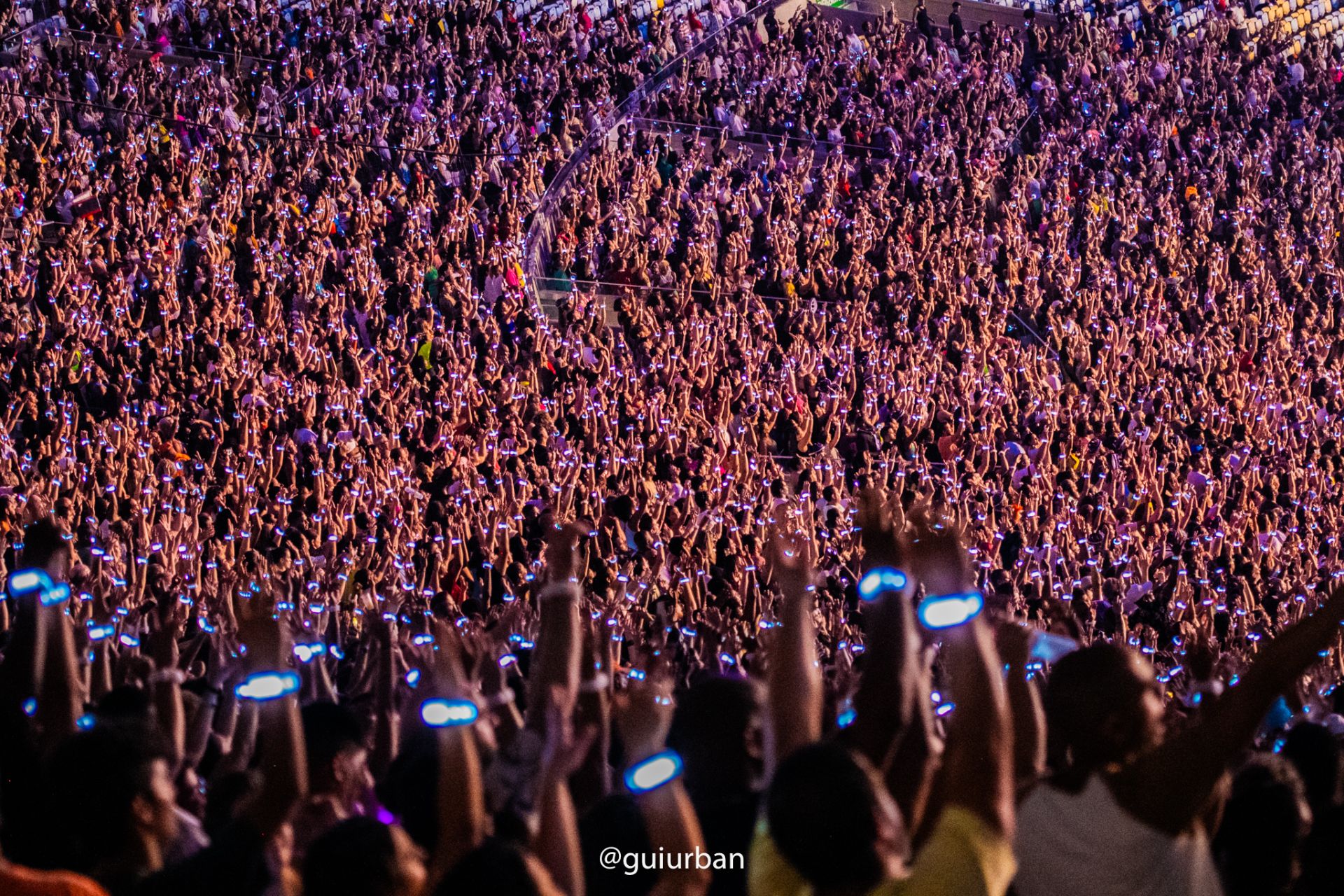
The psychological principle at play is "collective effervescence," a term coined by sociologist Émile Durkheim. It describes the sense of energy and harmony people feel when they come together in a group and participate in the same action. It’s the feeling of being part of something larger than oneself. In the context of a live event, this can be triggered by a universal cheer, a stadium-wide wave, or a chorus sung in unison. It’s a powerful, unifying force that dissolves individual boundaries and fosters a shared identity, even if just for a few hours.
From Spectator to Participant: The Power of Agency
Historically, the audience’s role was to watch. From Greek amphitheaters to Victorian music halls, the division between performer and spectator was absolute. The evolution of lighters during rock concerts was perhaps the first instance of audiences organically inserting themselves into the visual landscape of a show. The smartphone flashlight took this a step further, but it remained a spontaneous, uncoordinated gesture.
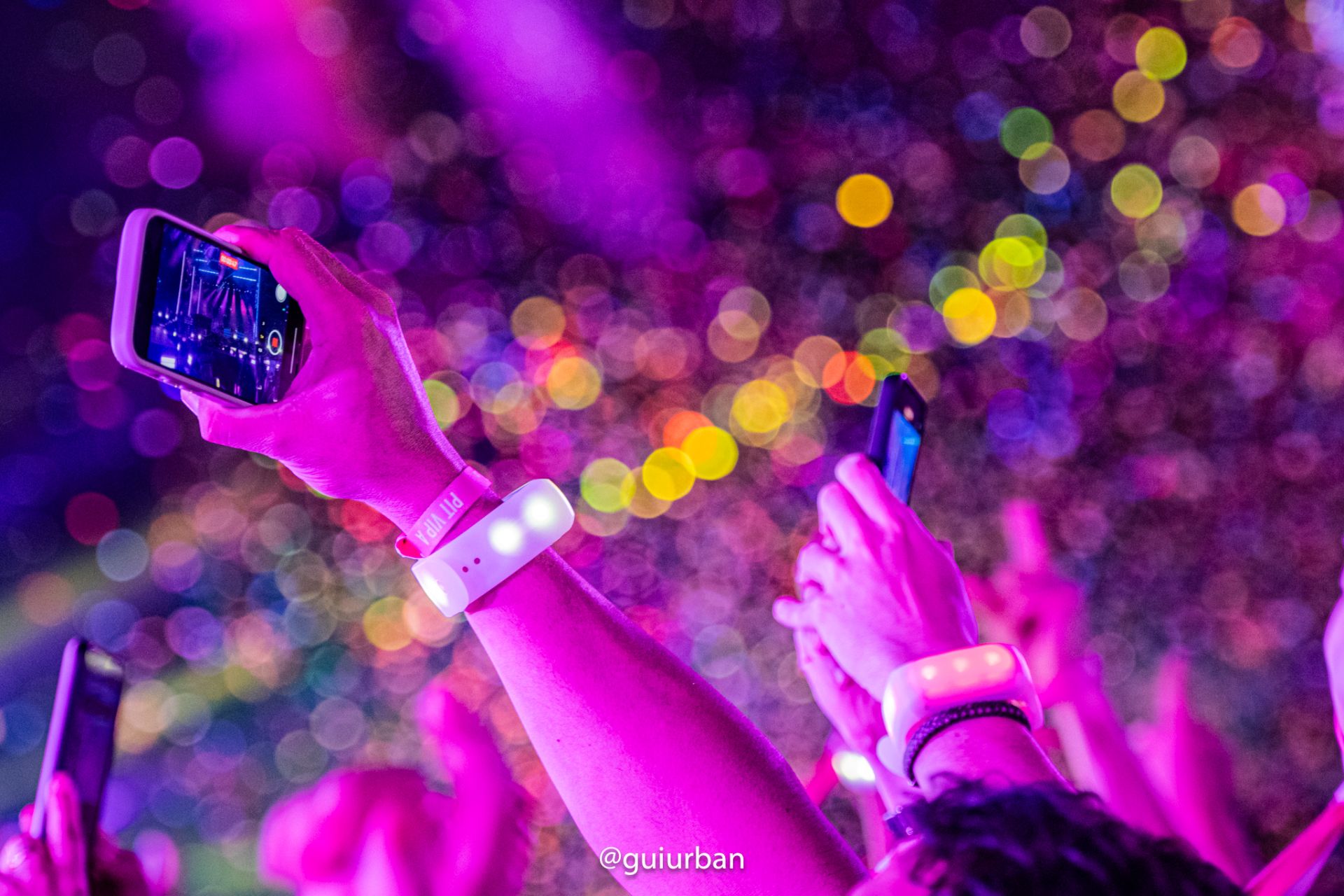
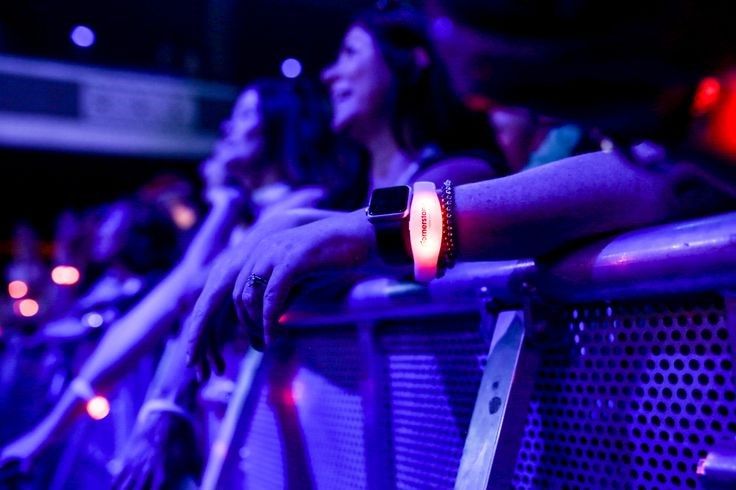
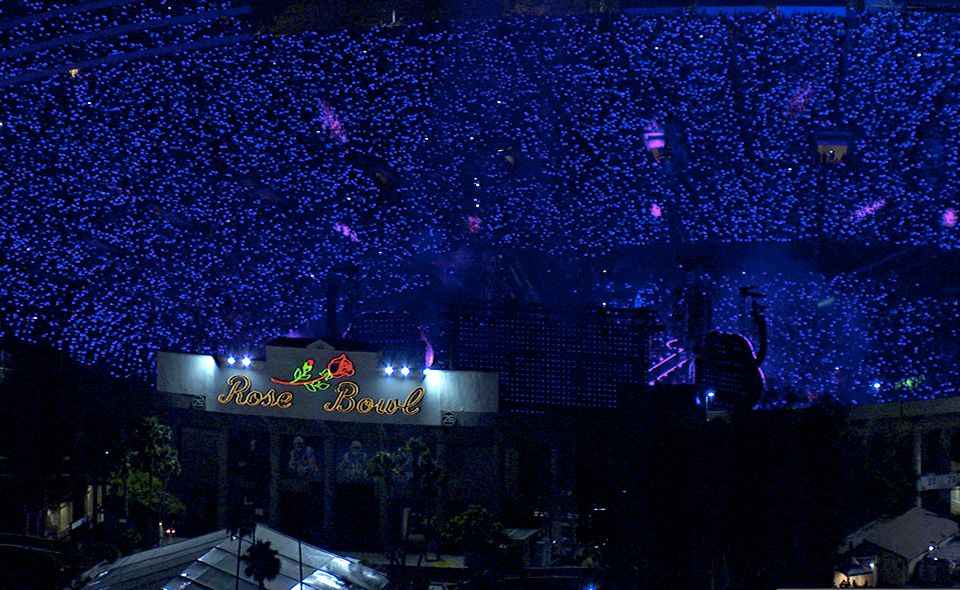
The advent of wearable LED technology marked a paradigm shift. Suddenly, every individual could become a pixel in a vast, moving canvas. When Xylobands first illuminated the crowd on Coldplay’s Mylo Xyloto tour, it wasn’t just a technological novelty; it was a psychological one. The radio controlled LED wristbands handed control of the audience’s light to the show’s designers, but in doing so, they gave the audience a new form of agency. Their physical presence was now a dynamic, visual element of the show’s design. This transition from passive spectator to active participant is crucial for deep engagement.
This principle is visible across diverse event formats. At festivals like Greece’s PRIMER Music Festival, festival wristbands sync with the high-energy beats of international DJs, unifying thousands of fans in a pulsating wave of light and sound. The effect is a powerful feedback loop: the music drives the light, which in turn amplifies the crowd’s energy, which fuels the performer. It’s a symbiotic spectacle.
Unity in Light: A Universal Language
Light is a primal, universal language that transcends cultural and linguistic barriers. It can evoke a vast spectrum of emotions—the quiet intimacy of a soft glow, the explosive energy of a strobe, the triumphant feeling of a stage flooded with brilliant color. When this language is shared across an entire stadium, it becomes incredibly potent.
Consider the logistical and creative power of this tool. During Maluma’s landmark hometown concert in Medellín, streamed to over 240 countries, the light show didn’t just illuminate the 54,000 fans in the stadium; it communicated the scale and energy of the event to a global broadcast audience. For those in the arena, the shared experience of being part of the light show creates a powerful sense of belonging. For those watching at home, it transforms the crowd from a faceless mass into a living, breathing entity, a key component of the LED crowd experiences that define modern broadcasts.
“The moment a crowd is united by a single, synchronized visual element, they cease to be individuals and become a community. Their shared experience is externalized, made visible. That’s the magic.”
Designing for Collective Moments
The most successful corporate event activations and large-scale public spectacles are those that intentionally design for these collective moments. It’s not simply about handing out a piece of tech; it’s about integrating it into the narrative of the event. At the F1 75 anniversary celebration, for instance, custom Xylo Pendants were distributed based on team affiliations and hospitality levels. This allowed for targeted lighting effects, fostering a sense of tribal identity and friendly rivalry within the larger celebration. It turned a corporate anniversary into a dynamic and immersive fan experience.
The technology acts as a conduit for emotion. It can segment a crowd by color, create sweeping patterns that ripple across a stadium, or pulse in time with a dramatic reveal. This level of control allows artists and show designers to guide the audience’s emotional journey with breathtaking precision. From the patriotic fervor of the Davis Cup opening ceremonies to the electric atmosphere of a Wizkid concert at The O2, LED bands provide a versatile and powerful tool for audience unity.
The Future of Immersive Engagement
As immersive event technology continues to evolve, the psychological interplay between the individual, the crowd, and the performance will only deepen. The core human need for connection, belonging, and participation remains constant. The technologies that succeed will be those that tap into these fundamental drivers, transforming passive audiences into active co-creators of the live experience. By understanding the psychology of the crowd, we can move beyond simply entertaining and begin to create truly transformative moments of shared human experience.