The Human Spectrum: A New Vision for Accessible and Inclusive Live Events
The Human Spectrum: A New Vision for Accessible and Inclusive Live Events
The roar of a festival crowd, the collective gasp at a stadium reveal, the unified pulse of thousands of lights syncing to a beat — these are the moments that define the magic of live events. We design these experiences to evoke powerful emotions, forge connections, and create lasting memories. Yet, as our technological capabilities expand, we must ask a critical question: are we designing these moments for everyone?
The conversation around accessibility in live entertainment is shifting. It’s moving beyond the fundamental necessities of physical access, like ramps and accessible seating, to embrace the much broader, more nuanced concept of inclusive design. This is not about creating a separate, lesser experience for some, but about building a richer, more profound experience for all. It’s about recognizing the full spectrum of human perception and designing events that can be enjoyed through multiple sensory channels.
Beyond the Bare Minimum: A Multi-Sensory Approach
An inclusive event is one where every attendee, regardless of their physical, sensory, or cognitive abilities, feels not just accommodated, but genuinely welcomed and engaged. A hearing impairment, for example, doesn’t mean a music festival is off-limits. The deep, somatic vibrations of a bassline can be a powerful experience in itself. Similarly, for visually impaired attendees, the sonic landscape, the energy of the crowd, and the tactile environment are paramount.
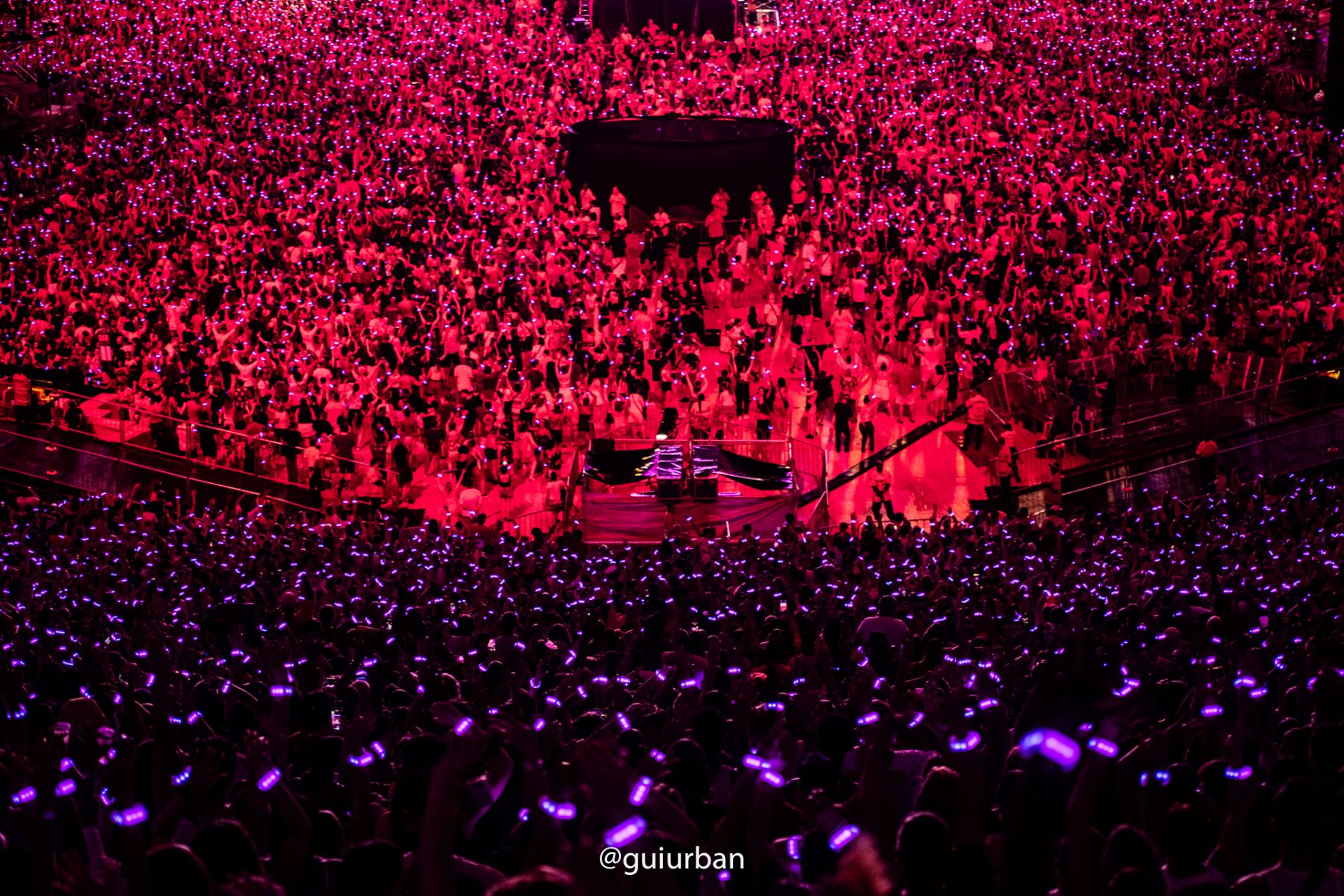
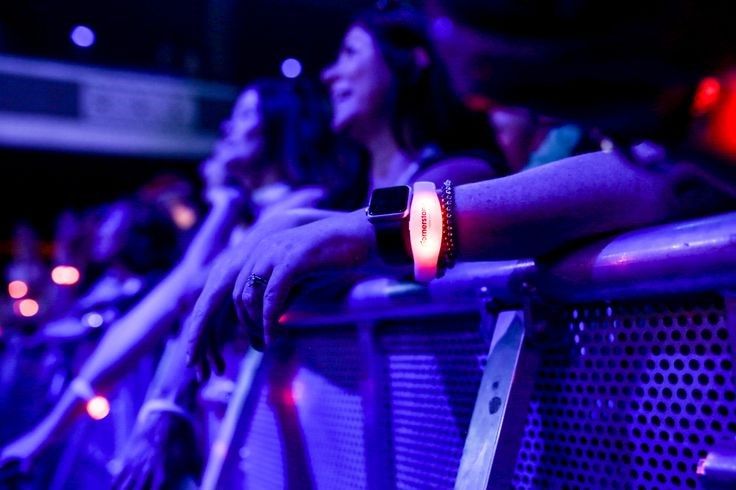
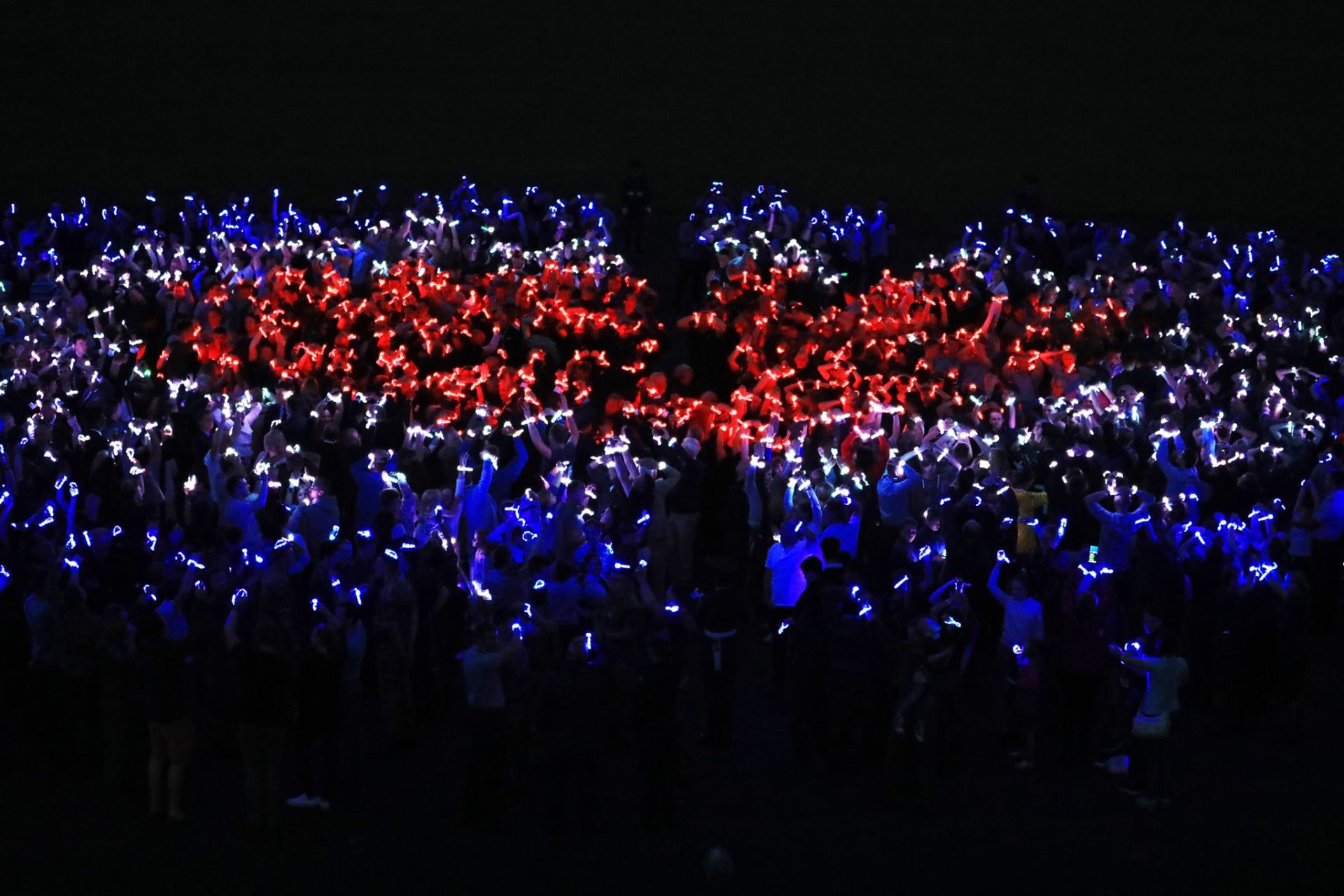
This is where multi-sensory design comes into play. By layering various sensory inputs, we create multiple pathways for audiences to connect with the performance. Light, in particular, offers a versatile and powerful tool. For instance, the synchronized flash of LED wristbands through a crowd offers a stunning visual spectacle for the sighted, but it also creates a tangible shift in the room’s energy that can be felt by everyone. It’s a shared visual pulse that translates into a collective emotional wave.
At Xylobands, we’ve seen this principle in action at massive events, from festival fields like Greece’s PRIMER Music Festival to the sold-out arena tours of artists like Wizkid. The goal of our wearable LED technology isn’t just to create a light show, but to make every single person an active, visible part of the experience. It transforms a passive audience into a living, breathing canvas of light, fostering a profound sense of unity.
Technology as a Bridge, Not a Barrier
The key to successful inclusive design is using technology to build bridges, not walls. It’s about leveraging tools to provide choice and enhance the experience for every individual.
- Haptic Feedback: The next frontier for immersive event technology could involve integrating haptic vibrations into wearables. Imagine feeling the rhythm of the music not just through the air and floor, but as a distinct pulse on your wrist, perfectly synced for every attendee. This would offer a profound new layer of engagement for Deaf or hard-of-hearing audience members.
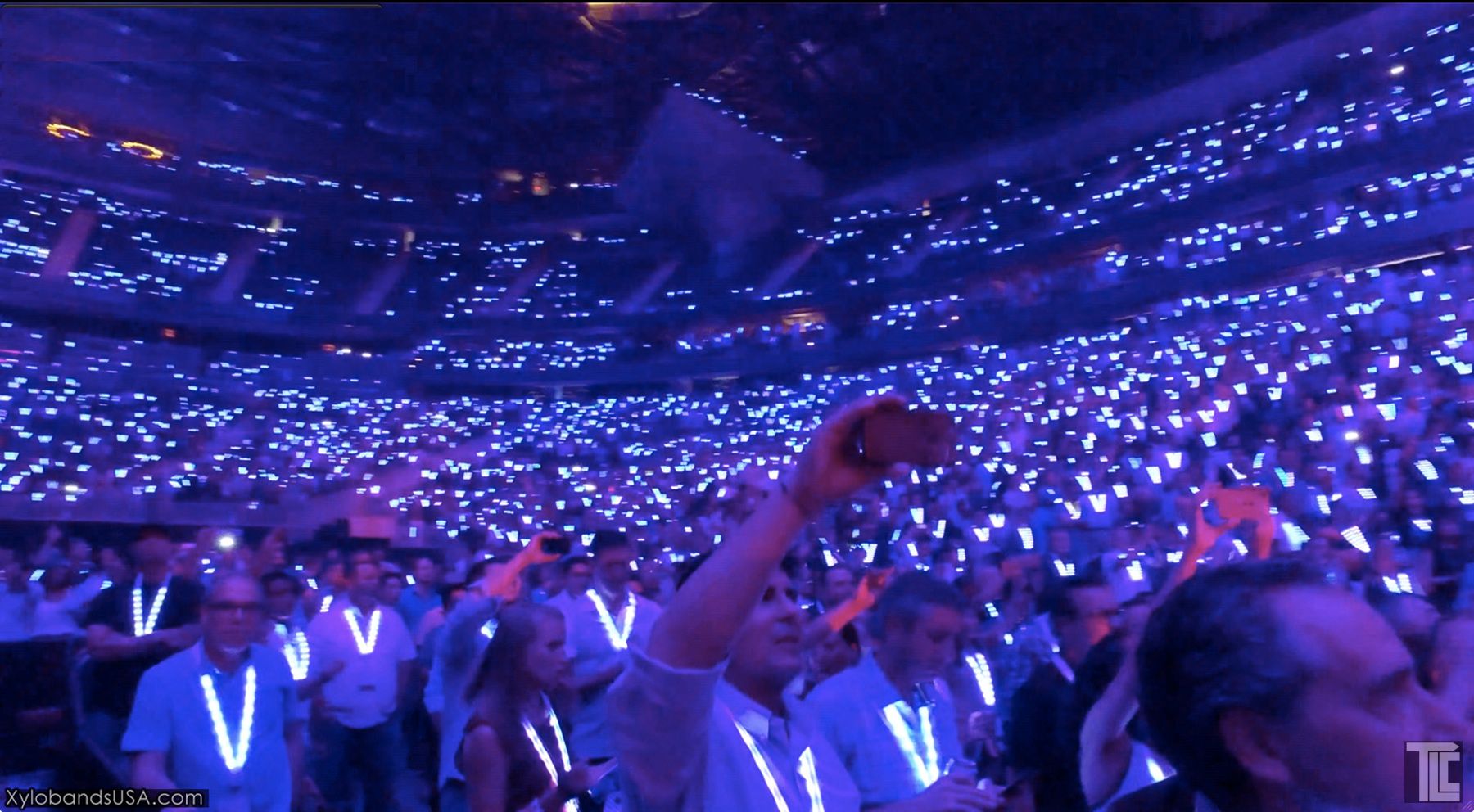
- Visual Cues for Wayfinding and Safety: In a crowded venue, navigating can be a challenge for anyone, and especially so for those with cognitive disabilities or anxiety. Radio controlled LED wristbands or LED Lanyards can be programmed to serve as personal guides, pulsing a specific color to direct a guest towards a quiet zone, an exit, or their seating block. This simple, intuitive use of light can dramatically reduce stress and improve safety.
- Personalized Control: While a high-intensity light show is a staple of modern concerts, it can be overwhelming for individuals with sensory sensitivities, such as those on the autism spectrum. Future iterations of LED bands could offer zones of varied intensity or even allow for a degree of user-controlled brightness, empowering individuals to modulate their own experience without having to leave it.
“True inclusion is not about dilution. It is about diversification. It’s the art of creating a core experience so robust and multi-faceted that it can be accessed and enjoyed through different senses, by different people, in different ways.”
Designing for the Edges
A core principle of inclusive design is that when you design for the "edges"—the users with the most specific needs—you often end up creating a better experience for everyone. A curb cut, designed for wheelchair users, is also used by parents with strollers, travelers with rolling luggage, and delivery workers with carts. The same is true for live events.
A quiet room, designed for neurodivergent guests who need to decompress, also benefits anyone who is feeling momentarily overwhelmed. Clear, large-print signage helps those with visual impairments, but it also helps anyone trying to find their way in a dimly lit, crowded venue. Similarly, a visual language of light, using Xylobands to signal a show’s start, a specific moment, or an emergency, communicates with a clarity that cuts through the noise for the entire audience.
This philosophy has guided our work for clients ranging from the Coldplay Xylo Band global tours to high-profile broadcasts for partners like ITV and events like the Davis Cup. By turning the crowd into the light show, you’re not just creating a spectacle; you’re creating a shared experience that is visually and emotionally accessible to all. The light doesn’t just come from the stage; it comes from each other. It’s a powerful, non-verbal form of communication that unites every single person in the space.
The future of live entertainment is bright. As we continue to innovate with immersive event technology, our greatest challenge and opportunity will be to ensure that future is also inclusive. By embracing a multi-sensory design philosophy and leveraging technology to empower individual choice, we can create truly universal experiences that connect with the full, beautiful spectrum of human perception.