In the Room and On the Screen: Lighting Television's Biggest Moments
The Dual Spectacle: One Show, Two Worlds
In the world of live event production, there is a unique and formidable challenge: the televised spectacle. Unlike a stadium concert or a corporate keynote, a live broadcast event exists in two realities simultaneously. There is the immediate, visceral reality of the room—the studio, the arena, the theatre—and the carefully framed, globally distributed reality of the screen. For producers and designers, this presents a fundamental question: How do you create an electrifying, palpable atmosphere for the few hundred or thousand people in the venue, while ensuring that energy translates with clarity and impact to millions of viewers at home?
It’s a high-wire act of creative and technical precision. The lighting that feels immersive in person can appear chaotic or blown-out on camera. The intimate moments that captivate a studio audience can be lost in a wide-shot on a television screen. Mastering this duality is the hallmark of world-class broadcast production. Through our long-standing work with major broadcasters like ITV, we have helped to define the rulebook for engineering these dual-reality moments, turning the live audience itself into a dynamic, controllable, and broadcast-ready canvas.
The Studio as a Pressure Cooker
A live television studio is an environment unlike any other. It is a controlled space, but one filled with immense pressure. Every cue is timed to the second, every camera angle is deliberate, and the audience is not a passive observer but an integral component of the show’s energy. Their reactions, their applause, and their visible engagement are a vital ingredient that the director uses to pace the broadcast.
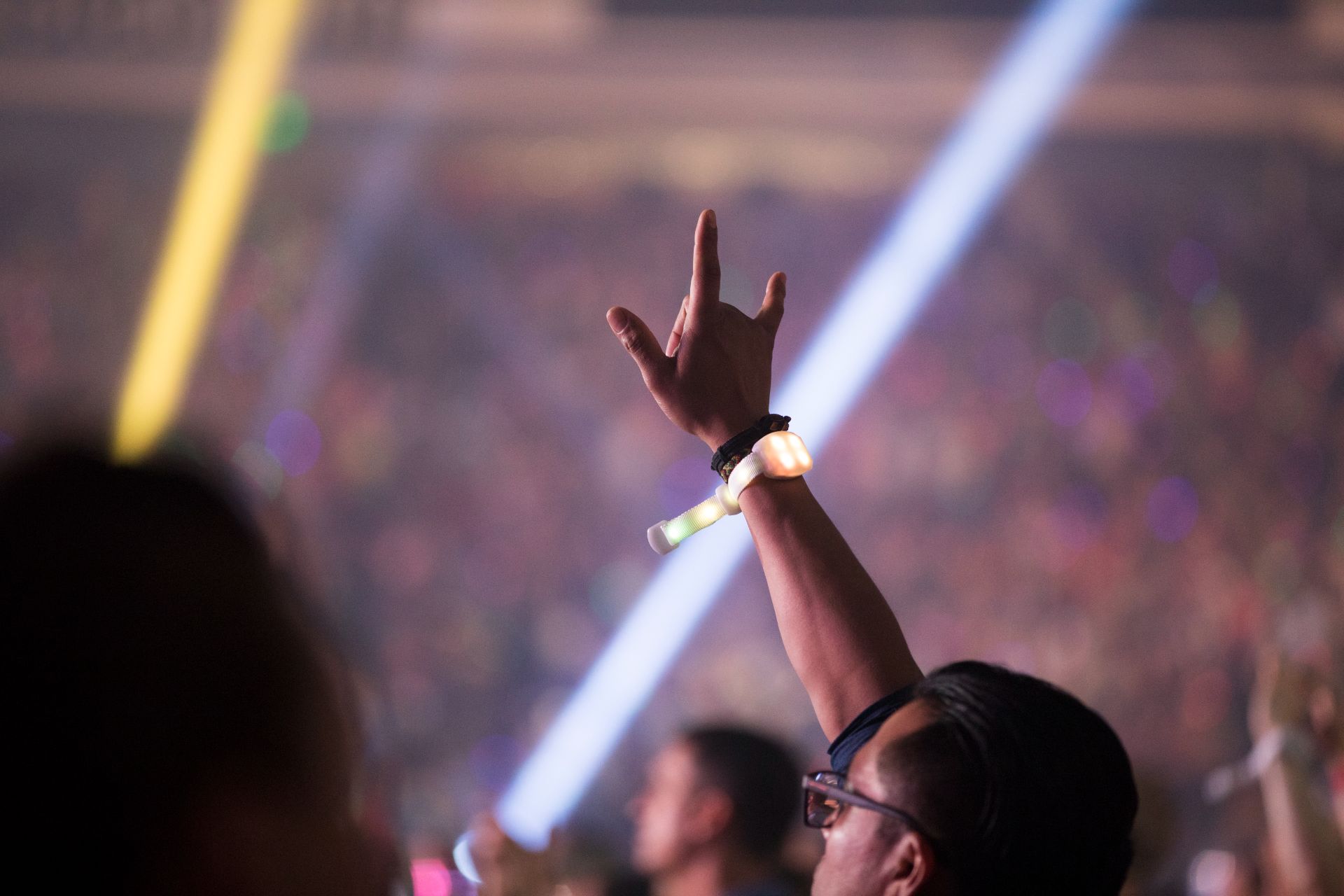
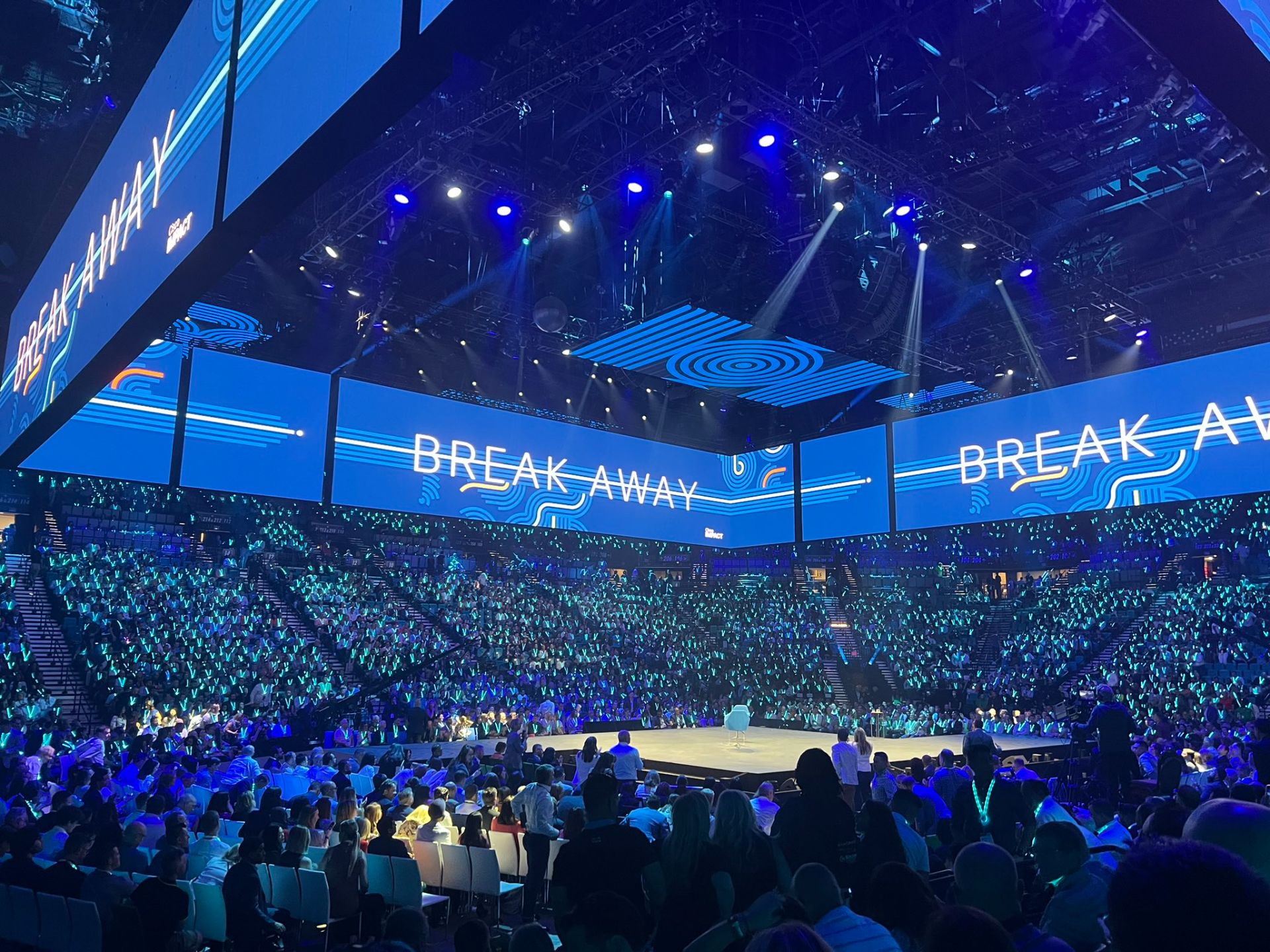
Here, light is not just illumination; it is a narrative tool. In a high-stakes game show format like ITV’s ‘Beat The Chasers,’ light builds tension, confirms answers, and celebrates victory. The audience is central to this drama. We’ve equipped these shows with our **Wearable LED Technology** to specifically serve this purpose. The audience doesn’t just watch the tension build on stage; they feel it as the light pulses around them. When a contestant wins, the entire room erupts in a synchronized flash of triumphant light. This creates an authentic, shared experience that is impossible to fake, providing the camera with genuine, powerful moments of human emotion.
Lighting for the Lens
What happens in the room, however, is only half the story. The broadcast director is the ultimate arbiter, curating the visual narrative for the home viewer. An immense, vibrant lighting effect might look spectacular to the naked eye but can overwhelm a camera sensor or distract from the principal action on screen. This is where the concept of "lighting for the lens" becomes paramount.
This is the genius of using the crowd as a lighting element. With **radio controlled LED wristbands**, the lighting director gains a dynamic, pixel-mapped canvas that is both grand in scale and minutely controllable. Our systems integrate directly with broadcast lighting consoles via DMX and other protocols, allowing a single operator to orchestrate the audience’s light with the same precision as the stage rig. They can create subtle, ambient glows for moments of quiet anticipation or deploy sweeping, high-impact patterns for a show’s climax. For the camera, this translates into breathtaking wide shots where the audience becomes a living, breathing part of the set design, without creating visual noise that detracts from the talent on stage. It turns the crowd from a potential variable into a reliable, powerful asset in the show’s visual architecture.
From the Studio to the Stadium: A Unified Philosophy
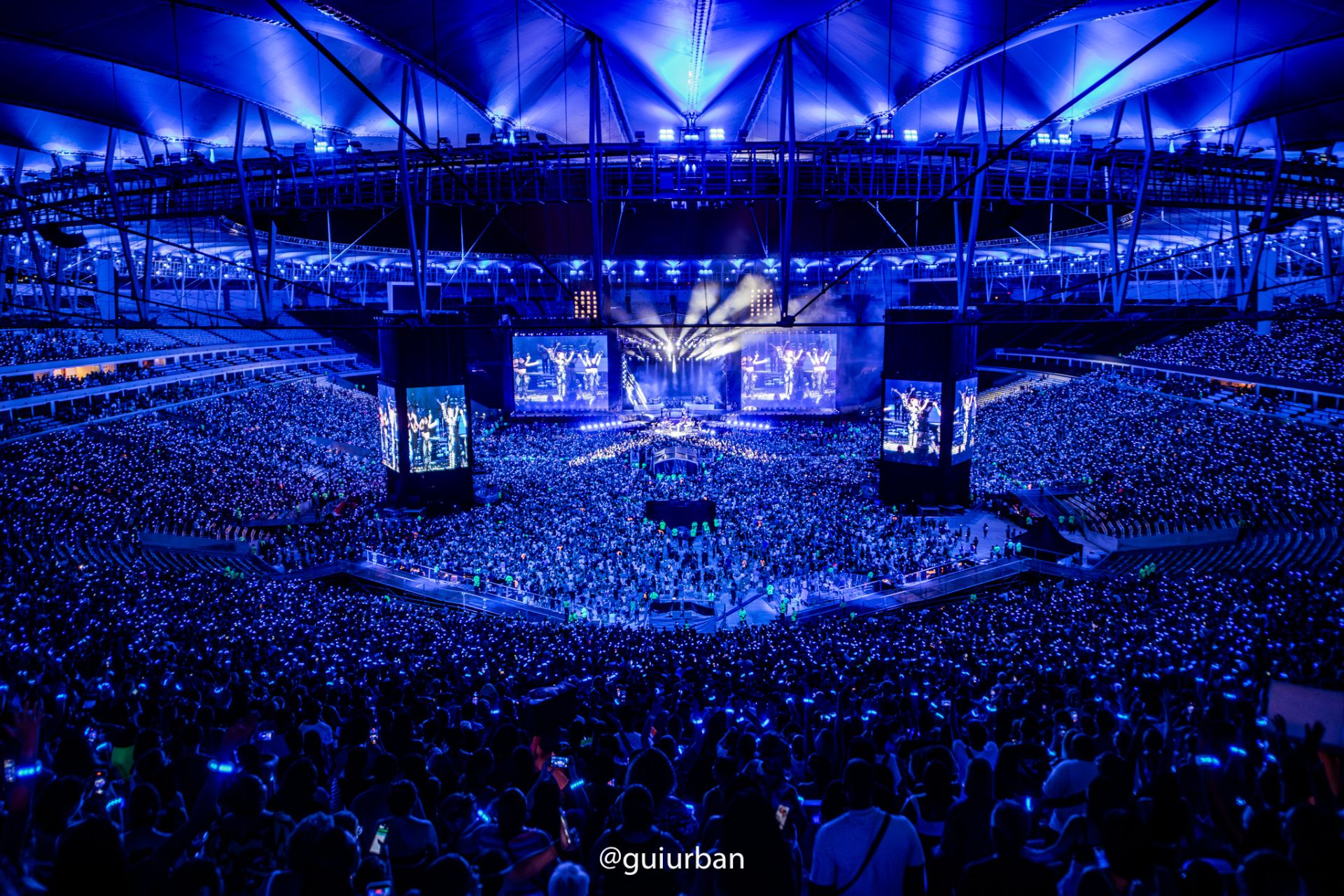
This philosophy of dual-audience engagement extends far beyond the traditional television studio. The modern live event is increasingly a broadcast-first production. Our work on large-scale spectacles like the Eurovision Song Contest, the Formula One 75th Anniversary show, and major concert tours for artists like Maluma and Wizkid all operated on this principle.
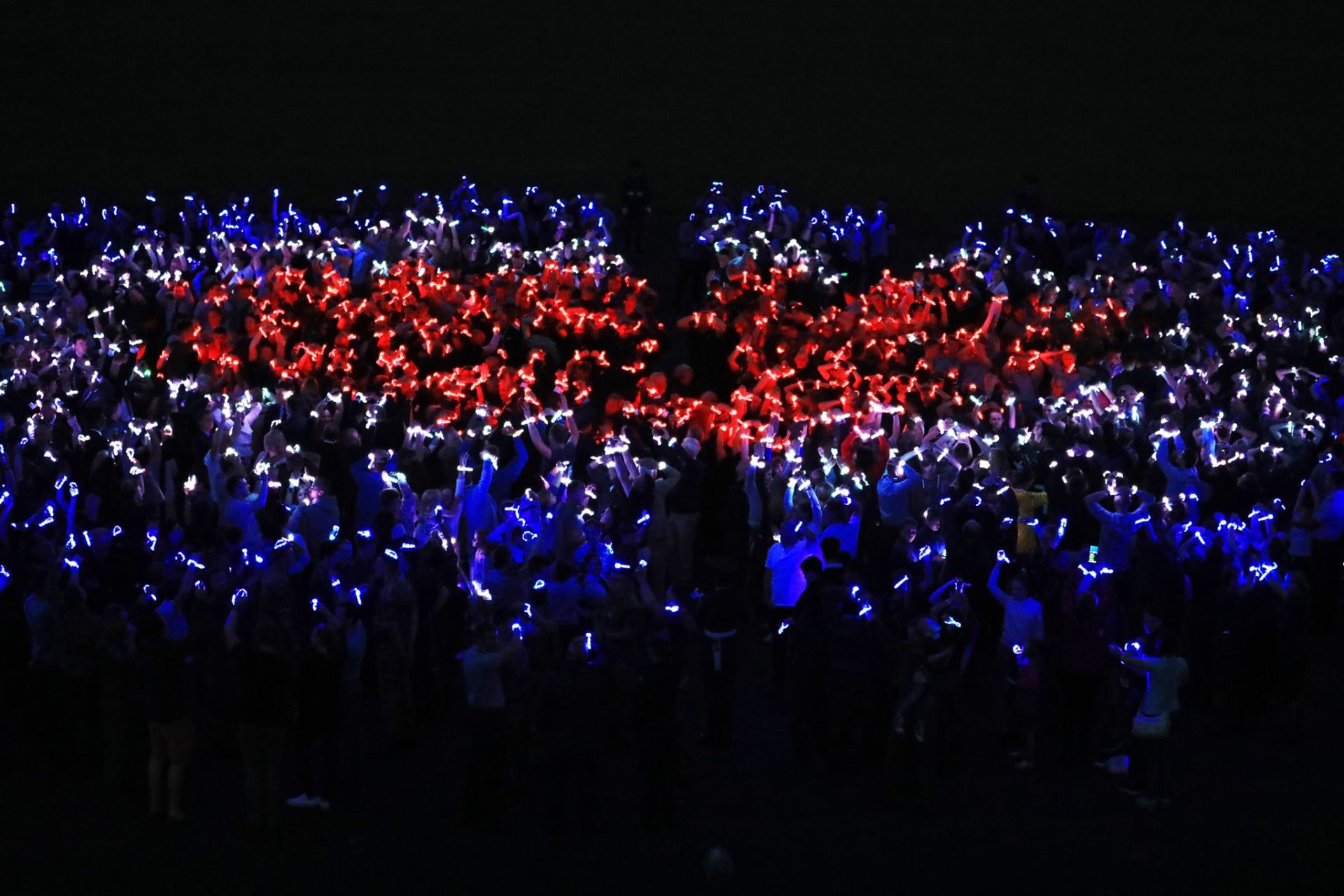
At the O2 Arena for F1’s celebration, for instance, we deployed 13,000 custom **LED Lanyards**. The event was a live show for a packed arena, but its primary purpose was a global broadcast revealing the new season’s car liveries. The creative team required specific, zoned lighting effects throughout the audience to complement the on-stage programming. Our tech team mapped the arena and positioned the devices to create clean, camera-ready visuals that segmented the crowd by team, hospitality level, and more. For the viewer at home, this created a rich, layered visual experience that reinforced the brands and the drama of the reveal. For the attendee in the arena, it made them a direct participant in a global motorsport moment.
This scalable approach to **Immersive Event Technology** means the same core principles that govern a 500-person studio audience for a show like ‘Beat The Chasers UK’ can be applied to a 54,000-person stadium for a globally streamed concert, creating a consistent and reliable set of **LED Crowd Experiences**.
Engineering the Unforgettable Moment
Ultimately, successfully lighting a live broadcast is about control, reliability, and creative partnership. It’s about understanding that the energy in the room and the image on the screen are not two separate goals, but two facets of a single, unified spectacle. The technology must be robust enough to perform flawlessly under live broadcast conditions, where there are no second takes. It must be flexible enough to give creative teams the freedom to design without limitation. And it must be powerful enough to transform a crowd of individuals into a single, sentient canvas of light.
By turning the audience into an active, controllable part of the lighting design, we solve the dual-reality challenge. We create an authentic, electric atmosphere for the people in the room, making them part of the show. And in doing so, we provide the broadcast director with a visually stunning, perfectly controlled asset that elevates the production for the millions watching around the world. It’s more than just lighting a crowd; it’s about engineering a shared, unforgettable moment, both in the room and on the screen.