Inventing in the Dark: The R&D Playbook for Live Spectacle
The Architecture of a Feeling
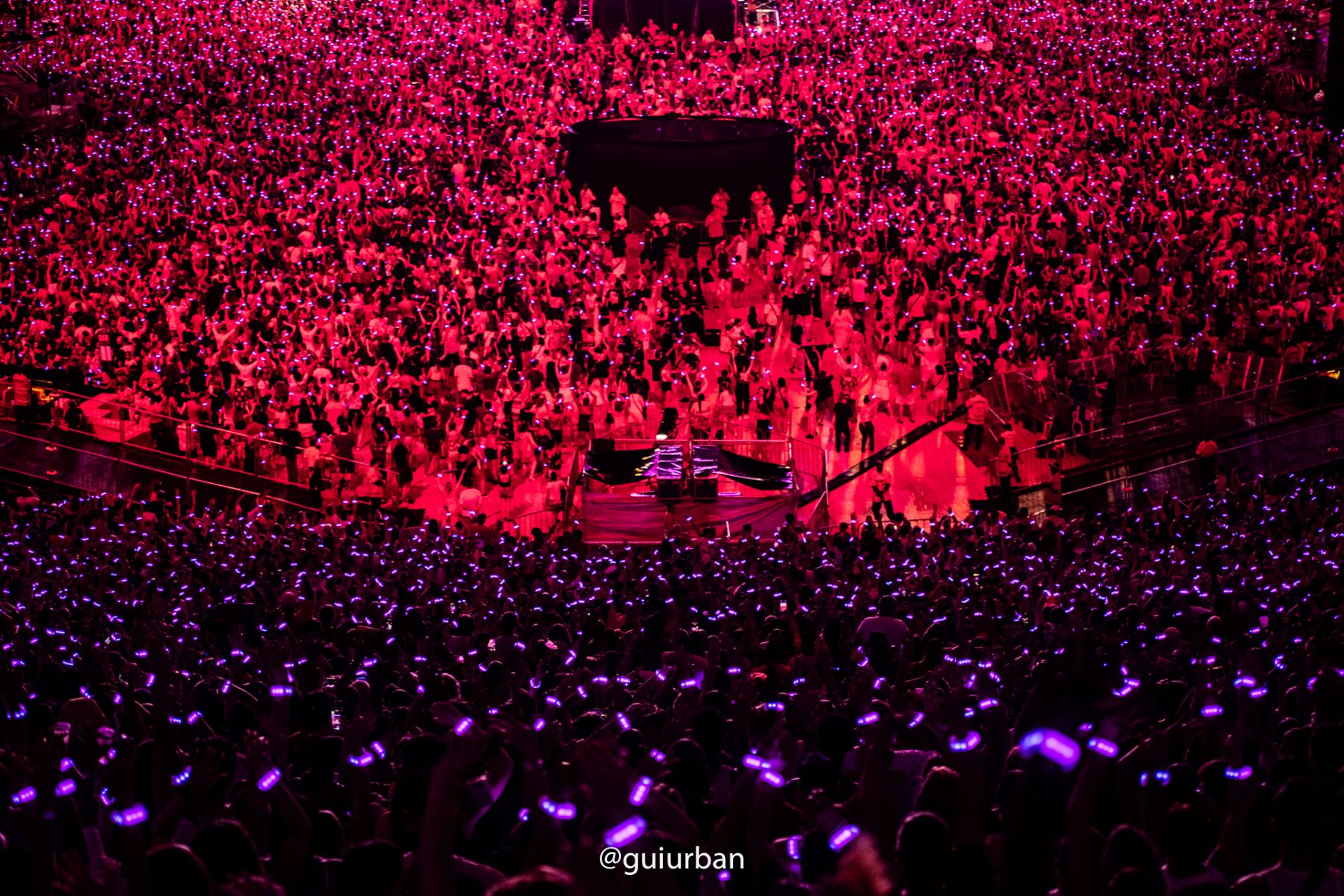
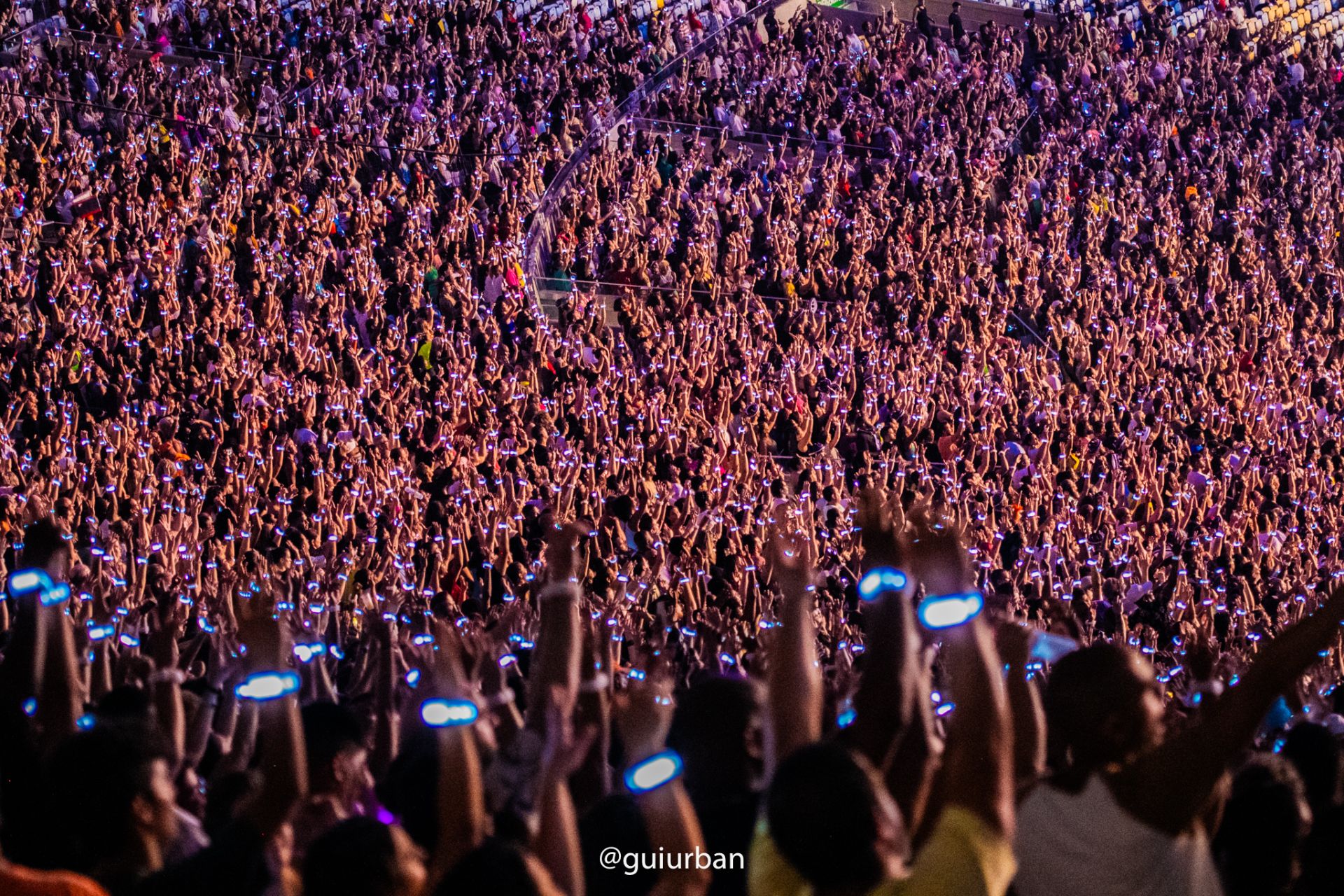
It’s a moment of pure synthesis. 50,000 people, united by a single beat, a shared chorus, a wave of light that washes over the stadium as if summoned by the music itself. These moments of collective effervescence are the currency of live events — the unforgettable return on an immense investment of time, talent, and technology. For the audience, it’s magic. For the architects behind the curtain, it’s the result of a relentless, often invisible, engine of innovation.
Behind every seamless deployment of Immersive Event Technology is a culture of research and development. This isn’t the sterile, white-coat laboratory of popular imagination. In the world of live spectacle, R&D is a dynamic, high-stakes process of turning an artist’s vision or a brand’s ambition into a robust, scalable, and awe-inspiring reality. It’s a space where creative intuition meets unforgiving physics, and the pressure of a one-night-only, no-second-chances performance informs every decision. This is a look inside that process — the playbook for inventing in the dark.
Principle 1: Start with the Story, Not the Spec
True innovation in our field rarely begins with a technical schematic. It begins with a feeling, a story, a desired emotional outcome. The most powerful tool in the R&D toolkit isn’t a soldering iron or a piece of software; it’s the question, “What do we want the audience to feel?” The technology is in service to that answer.
The origin of Xylobands is a perfect testament to this principle. Our founder, Jason Regler, wasn’t trying to build Radio Controlled LED Wristbands. He was watching Coldplay perform at Glastonbury, heard the lyric “Lights will guide you home,” and imagined the entire crowd becoming a living, breathing part of the show. The vision was a moment of connection. The technology was simply the vehicle to get there. The iconic Coldplay Xylobands phenomenon was born from an emotional blueprint, not a technical one.
This "why-first" approach is critical. It ensures that the end product isn’t just a gadget, but a genuine enhancement of the human experience. It’s the foundational layer upon which all successful LED Crowd Experiences are built.
Principle 2: The Studio is a High-Fidelity Sandbox
An idea is fragile. Before it can survive in the harsh, unpredictable environment of a stadium or a live broadcast, it needs a space to evolve. The R&D studio must function as a high-fidelity sandbox — a place for controlled chaos where experimentation is systematic and failure is a valuable data point.
Here, we deconstruct every component. We stress-test RF signals for stability in dense, urban environments. We experiment with LED brightness and color reproduction for broadcast cameras versus the human eye. We refine the ergonomics of Wearable LED Technology, from wristbands to lanyards, ensuring they are comfortable, intuitive, and durable enough to withstand the energy of a festival crowd.
More concepts die in the lab than ever make it to a client pitch, and that’s a sign of a healthy innovation process. Every dead end is a lesson that strengthens the final product, ensuring that what we deploy in the field is not just creative, but utterly reliable.
Principle 3: The Client as a Catalyst
The most potent R&D relationships are not transactional; they are collaborative. An ambitious client with a unique challenge is often the greatest catalyst for innovation. Their vision forces us to push beyond our existing toolkit and invent solutions for problems that haven’t been solved before.
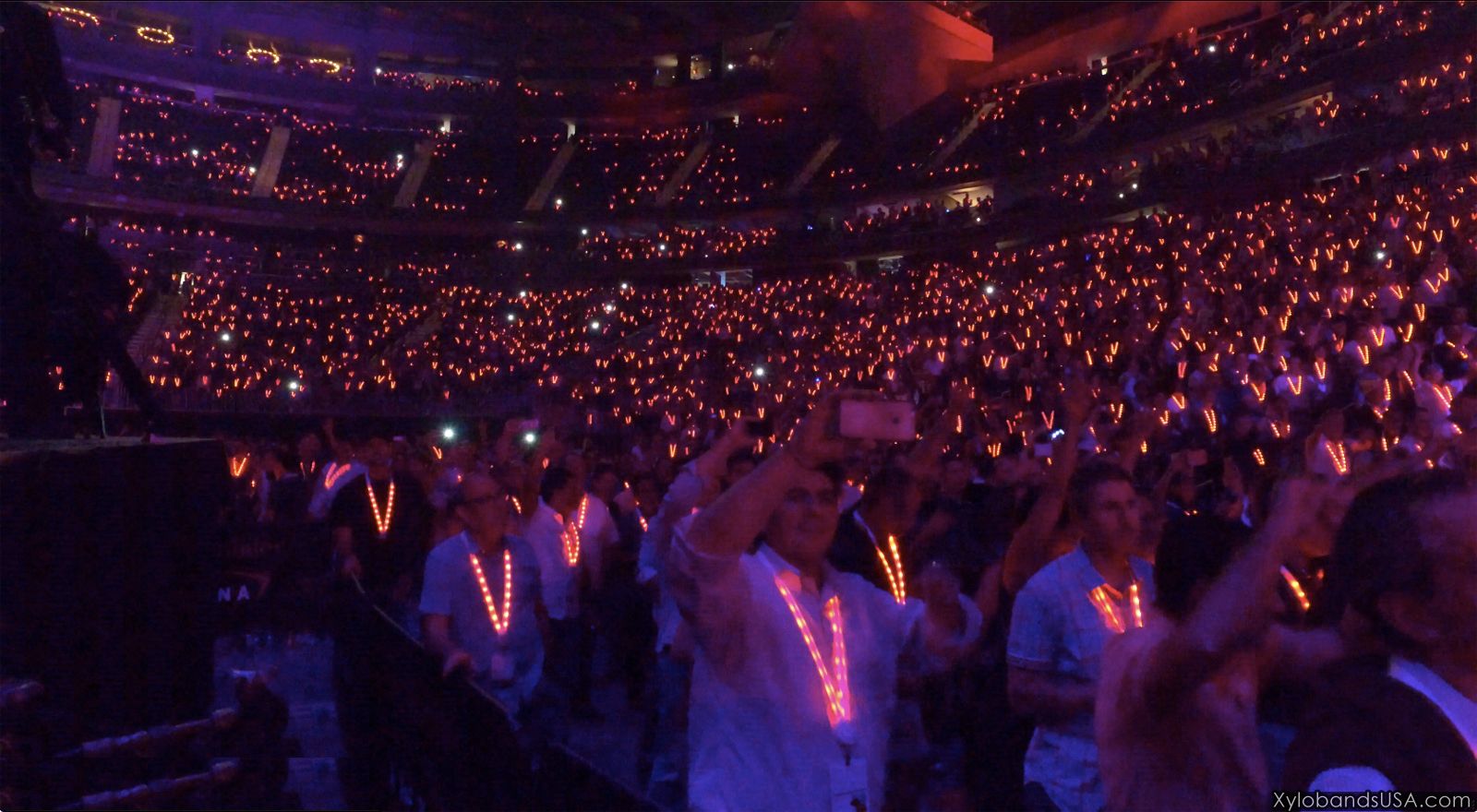
A prime example arose when we partnered with Formula 1 for their 75th-anniversary celebration. The brief went beyond standard Concert Wristbands. The creative team required a solution that could visually segment the arena audience by team, hospitality level, and general admission, integrating specific lighting effects into the live broadcast. This challenge led to the development of custom LED Lanyards — our Xylo Pendants — each programmed and positioned to create a complex mosaic of light. The client’s ambitious creative goal directly drove a product evolution, resulting in a more dynamic and visually intricate experience.
This collaborative loop is vital for meaningful Corporate Event Activations and large-scale public spectacles alike. The client provides the ‘what if,’ and a strong R&D culture provides the ‘how.’
Principle 4: From Prototype to 50,000-Point Success
Scaling an idea from a single working prototype to tens of thousands of units that must all perform flawlessly, at the same second, is arguably the most demanding phase of the R&D journey. This is where logistical planning, supply chain management, and extreme quality control become extensions of the creative process.
When an artist like Maluma plays to a hometown stadium of 54,000 people, or Wizkid sells out three consecutive nights at London's O2 arena, there is zero margin for error. The system must work. This requires a profound understanding of battery life, signal propagation in packed venues, and deployment logistics. Our R&D process doesn’t end when the product is built; it ends when it has been successfully deployed, reclaimed, and recycled on the other side of the world.
It’s this obsession with reliability, born from a rigorous development cycle, that turns a clever idea into a trusted piece of global touring infrastructure. It’s the unseen engine that powers the spectacle, ensuring that for those few hours, tens of thousands of people can share in a moment of pure, uninterrupted awe. The a path for the future of Immersive Events is not just in what light can do, but in the robust, imaginative, and collaborative culture that brings it to life.