Engineered for the Lens: The Technical Art of the Live Broadcast Experience
The Two-Audience Problem
In the world of live production, there is no greater technical or creative challenge than the broadcast event. Unlike a traditional concert, festival, or corporate keynote, the broadcast spectacle must serve two distinct masters: the live audience in the room and the millions watching from their living rooms. These two audiences have different needs, different perspectives, and experience the show through entirely different mediums. Mastering the art of the broadcast means engineering an experience that is simultaneously electric for those in the studio and visually stunning for those behind the lens.
This is a challenge we at Xylobands have spent years mastering alongside partners like ITV, one of the UK’s leading broadcasters. Our collaboration has spanned multiple high-profile productions, including hit shows like "Beat The Chasers," where every flash of light is meticulously choreographed for a dual purpose. It’s an exercise in creative discipline and technical precision, requiring a unique approach to designing LED crowd experiences.
The Studio as a Living Set
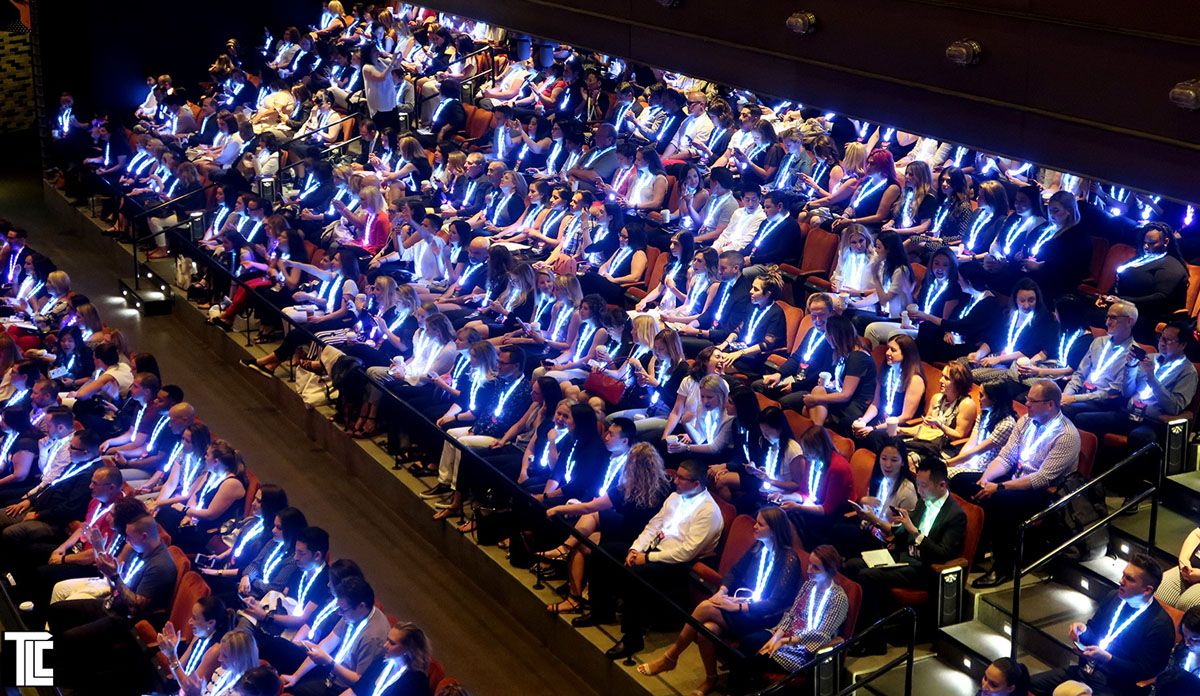
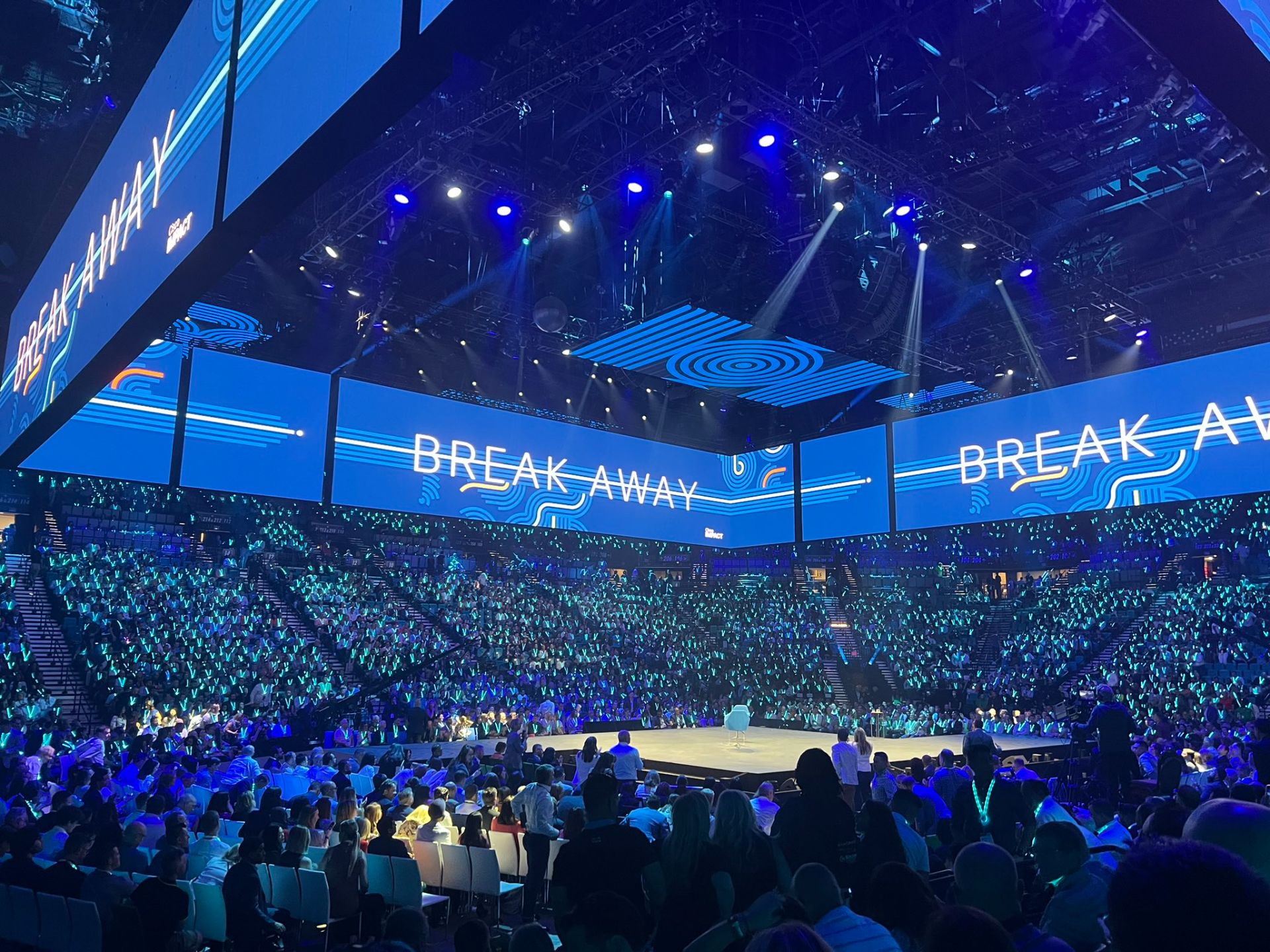
For the camera, a live studio audience is more than just a collection of spectators; they are a dynamic, living part of the set design. Their energy is a vital ingredient, but their visual presence is just as critical. When an audience is equipped with wearable LED technology, they are transformed from a passive backdrop into an active canvas. Every individual becomes a pixel in a larger panorama of light, capable of reacting, pulsing, and changing in perfect sync with the action of the show.
Working with ITV on productions like "Beat The Chasers," we used our Mk5 wristbands to create a vibrant, interactive environment. The goal was not just to entertain the people in their seats, but to frame the on-stage drama for the viewers at home. The light show becomes a powerful narrative tool:
- Heightening Tension: During a high-stakes moment, the entire audience can be plunged into a single, pulsing colour, visually reinforcing the tension of the scene.
- Celebrating Victory: A win can trigger an explosive multi-colour chase across the studio, making the moment of triumph feel larger and more spectacular.
- Defining Space: Different sections of the audience can be lit in distinct colours, creating visual "teams" or zones that help tell the story of the competition.
This level of control turns the crowd into an extension of the lighting rig, a sentient part of the show’s architecture. It’s a layer of immersive event technology that adds depth, scale, and visual punctuation for the broadcast director.
Bridging the Gap Between Live and Lens
The core challenge lies in balancing the sensory experience. What feels immersive to a person in a studio can look chaotic or distracting on a television screen. Conversely, a lighting effect designed purely for the camera can feel sterile or underwhelming to the live audience. The solution is a shared language between the creative team, the broadcast director, and the technology provider.
Our work on broadcast events is a constant process of translation. An effect that looks brilliant on a 4K camera sensor needs to be calibrated to feel just as good to the human eye. This involves meticulous adjustments to brightness, frequency, and colour saturation. We’re not just programming lights; we’re engineering emotions for two different consumption environments. This technical choreography is central to successful corporate event activations and large-scale broadcasts alike.
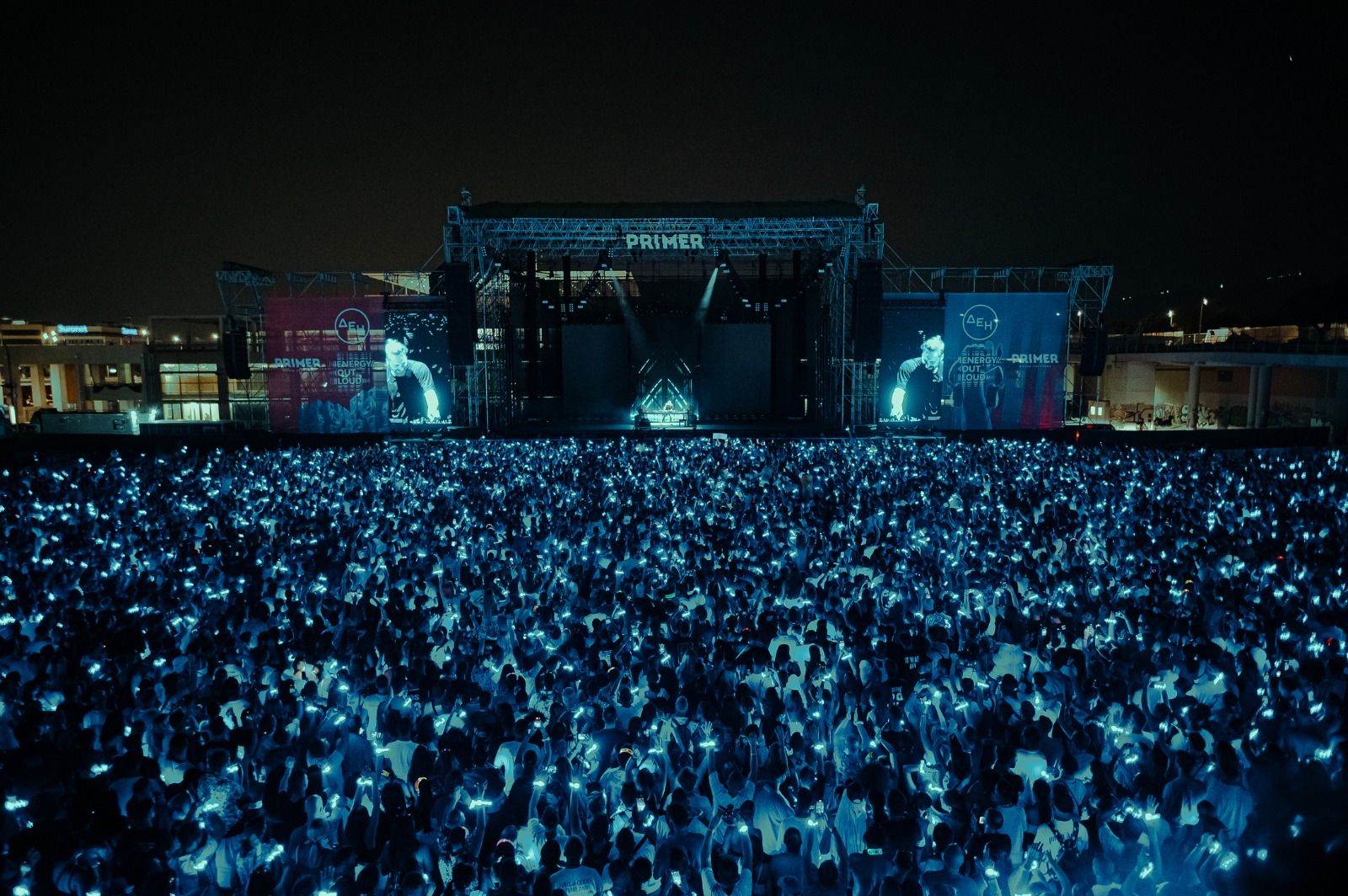
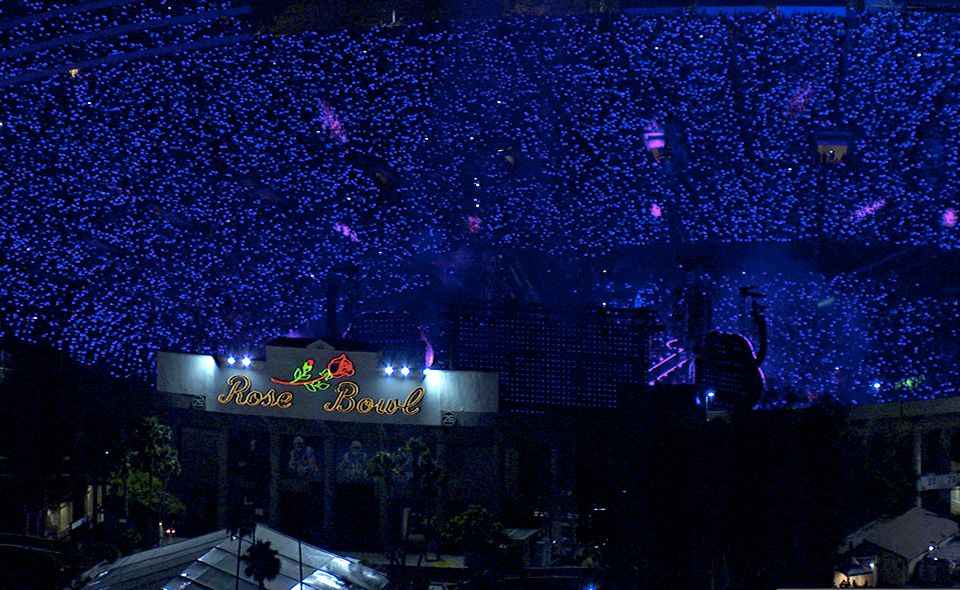
This dual-focus approach has been a hallmark of our collaborations, from stadium-sized sports events like the Davis Cup and Formula One to globally streamed concerts for artists like Maluma and Wizkid. The principle remains the same: the light must serve both the person and the pixel.
The Unseen Technical Choreography
Delivering a flawless broadcast experience requires a level of technical readiness that leaves no room for error. The "Zero-Failure Mandate" is our guiding principle. In a live-to-air environment, there are no second chances. A misfire, a dead zone, or a single unsynchronised wristband can disrupt the visual narrative and compromise the entire production.
Our process for a broadcast engagement is rigorous:
- System Design: We begin by mapping the venue, analysing camera angles, and working with the director to understand their visual goals. Where will the key shots be? How can the crowd’s light interact with the main stage lighting? This blueprint determines the placement of our transmitters and the zoning of the audience.
- Pre-visualisation: Using advanced software, we simulate the entire show in a virtual environment. This allows the creative team to see how different lighting cues will translate on screen, enabling adjustments long before the audience arrives.
- On-site Calibration: Once on set, our technicians perform exhaustive tests, fine-tuning signal strength and calibrating the system to the specific lighting conditions of the studio. We work hand-in-hand with the show’s lighting director to ensure our radio controlled LED wristbands integrate seamlessly into their master plan.
Beyond the Wristband: A Unified Vision
While Xylobands are our signature, the technology is simply a tool. The real art lies in the collaborative vision. The most successful broadcast events are born from a partnership where the artist’s or producer’s intent is understood and amplified by the technology, not dictated by it.
Our long-standing relationship with ITV is a testament to this collaborative model. It’s a partnership built on trust, technical excellence, and a shared understanding of the unique demands of the broadcast medium. Together, we’ve learned how to use light not just as decoration, but as a powerful tool for storytelling, capable of uniting the energy of a live studio with the intimacy of the living room screen.
As technology evolves, so will the possibilities. But the fundamental challenge of the broadcast spectacle will remain: to create a singular, unforgettable experience for two vastly different audiences, in two vastly different worlds. It’s a challenge we are proud to have met time and again, turning millions of individual viewers into a single, illuminated whole.