The Two-Fold Spectacle: Mastering the Live Broadcast Experience with ITV
The Dual Mandate of the Live Broadcast
In the world of live television, a unique duality exists. There are two audiences, two experiences, unfolding simultaneously. First, there is the immediate, palpable energy of the in-studio crowd — a living, breathing entity that feeds the performers and shapes the moment. Their gasps, cheers, and applause are an integral part of the production. Second, there is the broadcast audience: millions of viewers watching from their homes, experiencing the event through the curated lens of the camera.
Creating a spectacle that serves both masters is one of the most complex challenges in modern event production. How do you light a space for the intimacy of the lens without sacrificing the grand, immersive atmosphere required for the live audience? This is the broadcast balancing act, a tightrope walk that demands technical precision, creative vision, and a deep understanding of human perception. For productions with partners like ITV, a titan of broadcasting, the stakes are exceptionally high.
From Studio Audience to Living Set
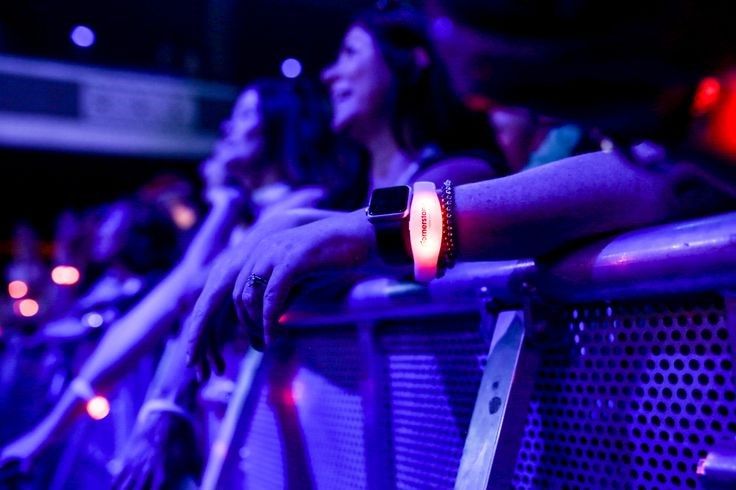
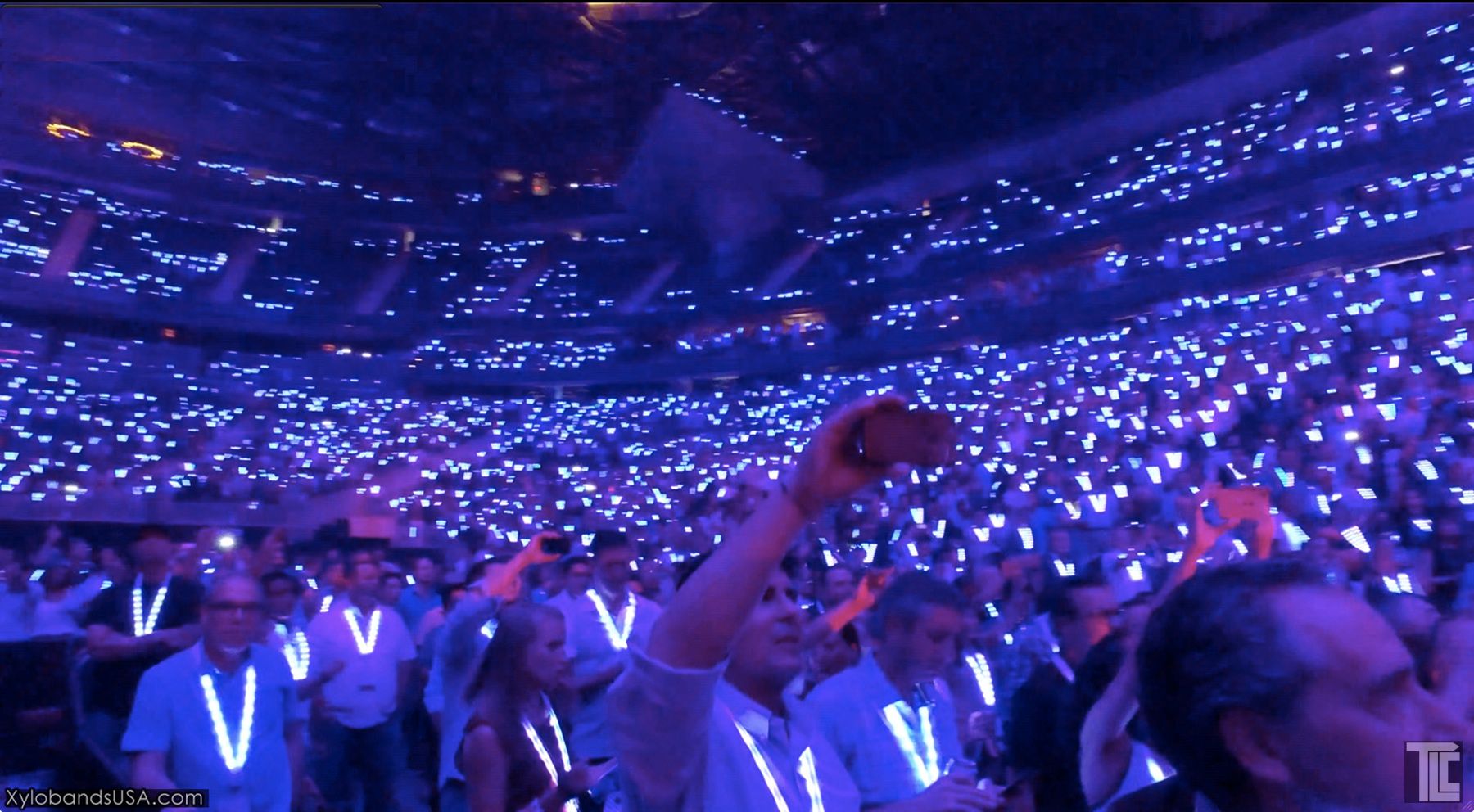
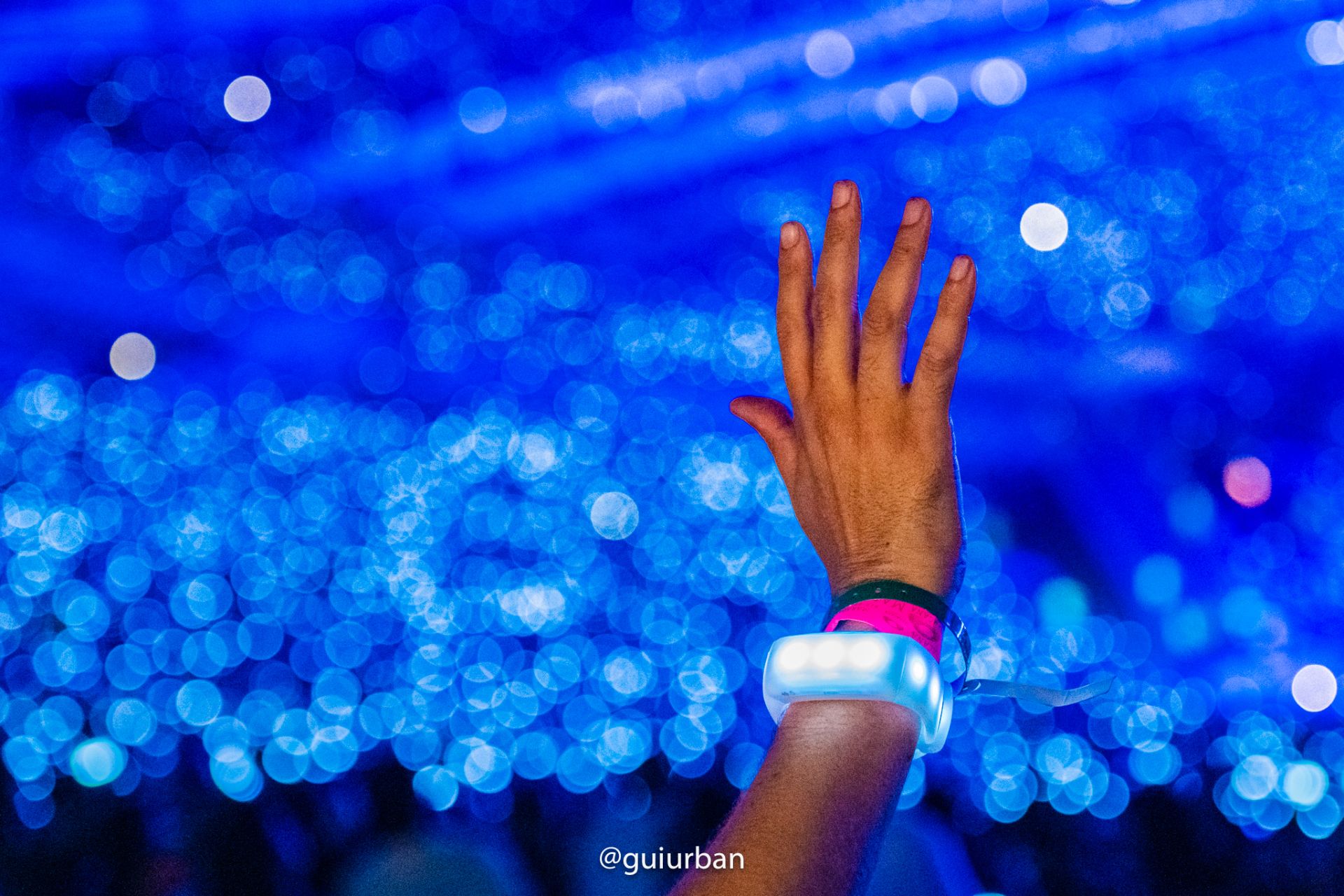
Traditionally, the studio audience is a passive observer. They are spectators, their reactions a backdrop to the main event. But what happens when the audience becomes part of the set itself? This is the paradigm shift offered by wearable LED technology. By equipping every attendee with a radio-controlled device, such as a Xyloband, the crowd transforms from a collection of individuals into a single, dynamic canvas of light.
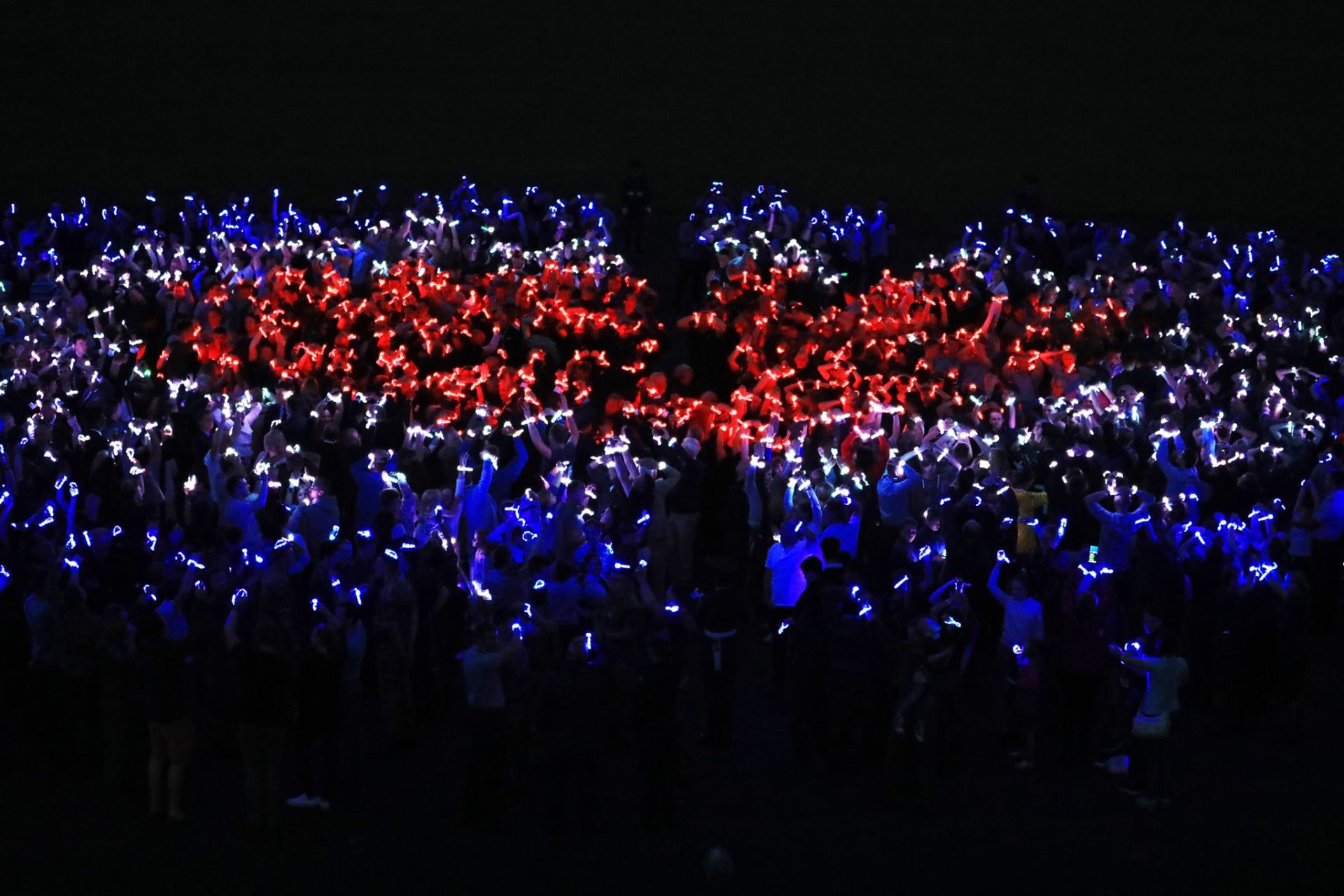
For a broadcaster like ITV, this technology opens up a new dimension of creative control. Instead of merely lighting the stage, producers can now paint with the audience. A wave of colour can sweep across the studio to underscore a dramatic moment. Sections can pulse in competing colours during a game show face-off, amplifying the tension. The entire room can erupt in a unified flash of light to celebrate a winner, creating a powerful moment of shared experience that translates directly through the screen.
The Technical Choreography
This transformation is not just an aesthetic one; it is deeply technical. The deployment of hundreds or thousands of LED bands in a broadcast environment requires flawless execution. Our work with productions like Beat The Chasers UK is a case in point. The system must be robust, responsive, and seamlessly integrated into the broadcast workflow. The lighting director isn’t just controlling stage lights; they are conducting a symphony of light that extends into every corner of the room.
This requires a sophisticated understanding of radio frequency management, ensuring that the wristbands respond instantly and reliably amidst a sea of other wireless signals inherent in a television studio. It is a world where there are no second takes, and the technology must perform perfectly, every time.
Bridging the Gap: Lighting for Two Worlds
The human eye and the camera sensor perceive light in fundamentally different ways. What appears as a vibrant, atmospheric glow to an in-studio attendee might register as a blown-out, noisy flare on camera. This is the core challenge. The lighting must be bright enough to create a visually stunning in-person experience, yet nuanced enough to be captured beautifully for the broadcast audience.
Immersive event technology provides a powerful solution. The light emanates from the audience themselves, creating a source of illumination that is inherently camera-friendly. It’s a softer, more distributed light that reduces harsh shadows and creates a sense of depth and scale. When Maluma’s historic hometown concert in Medellín was streamed to over 240 countries, or when Wizkid sold out three nights at The O2, the synchronised glow of the crowd provided a visual anchor, translating the sheer scale and energy of the event for those watching at home.
“The goal is to create a unified experience. We want the person sitting on their sofa to feel the same surge of energy as the person in the front row. Light is the medium that connects them.”
The Future of Broadcast Entertainment
As broadcasters continue to innovate, the line between the live event and the at-home experience will only continue to blur. The audience is no longer just watching the show; they are the show. This shift elevates corporate event activations and large-scale broadcasts from passive viewing into active, participatory events.
From primetime ITV spectacles to global sporting events like the Davis Cup and Formula One, the principle remains the same: light is a universal language. It communicates emotion, builds tension, and, most importantly, creates a profound sense of unity. By turning the crowd into a canvas, we don’t just create a memorable moment for the people in the room; we craft a more compelling, dynamic, and emotionally resonant story for the millions watching around the world. It’s not just about lighting a room; it’s about lighting a connection.