The Keystone: The Art and Science of Leadership in Live Experiences
The Still Point of the Turning World
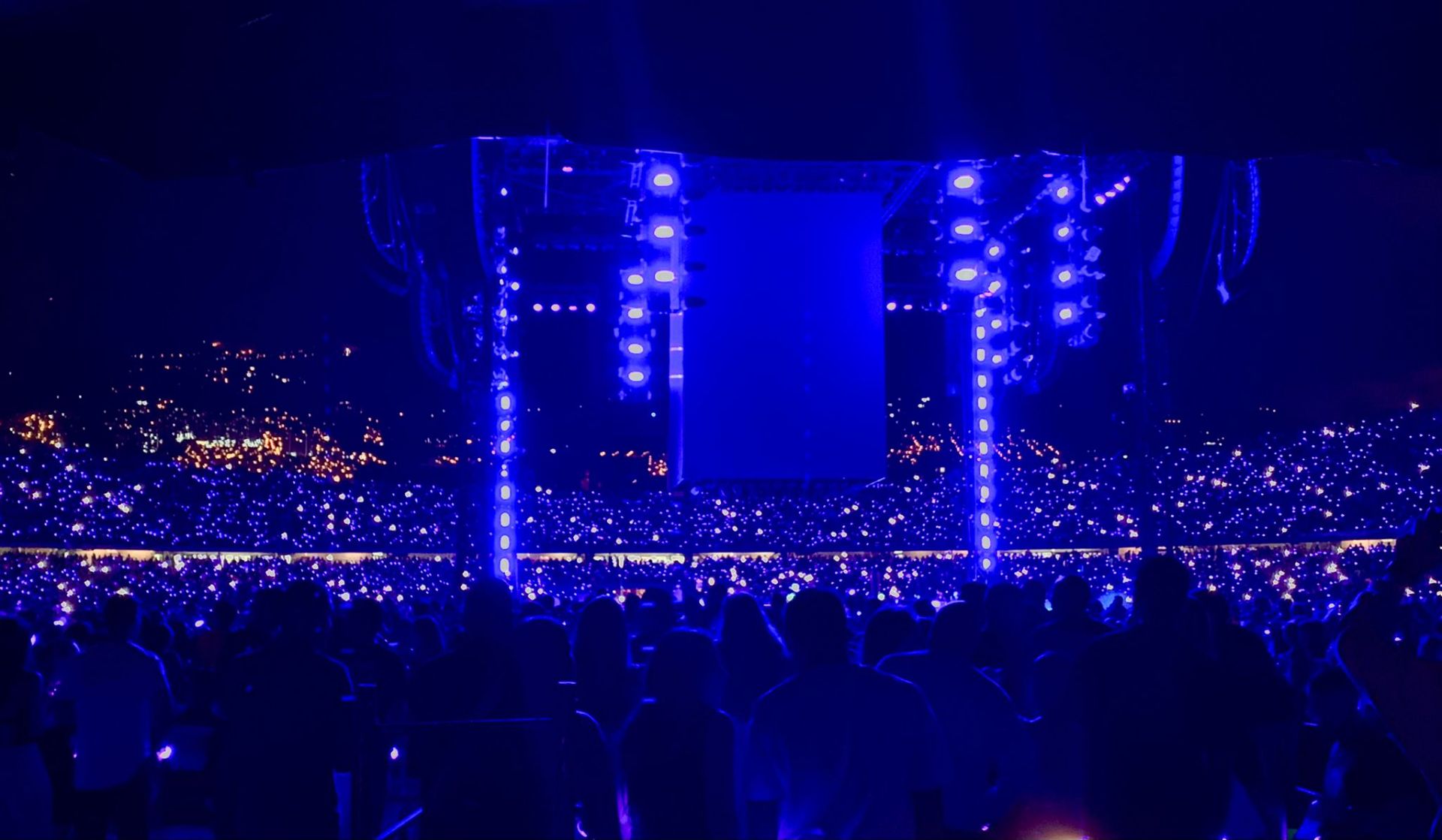
Hours before the doors open, there is a unique quiet. In an arena, a stadium, or a sprawling festival field, the air hums with potential energy. Thousands of seats sit empty, miles of cable lie dormant, and a universe of light is coiled, waiting for a single command. In this charged silence, amidst the focused ballet of crew and technicians, stands the production leader. They are the calm at the center of a logistical storm, the keystone in an arch of immense complexity. For tour managers, creative producers, and brand marketers, the success of a multi-million-dollar spectacle hinges not just on the technology or the talent, but on the steady hand and clear vision of the person tasked with steering the entire enterprise.
Leadership in the world of live events is a discipline unto itself. It is the art of orchestrating chaos, of translating abstract creative impulses into flawless, split-second execution. It’s a role that demands the foresight of an architect, the real-time precision of a conductor, and the nuanced communication of a master translator. Without this keystone, the most brilliant concepts and the most advanced technology can quickly crumble under the immense pressure of showtime.
The Architect: Forging the Blueprint for Brilliance
Every great event begins as an idea, a feeling, a desired emotional outcome. An artist wants to create a moment of intimate connection with 50,000 fans. A brand wants to turn its product launch into a living, breathing spectacle. The first and most critical function of a leader is to act as the architect, translating this abstract vision into a concrete, actionable blueprint.
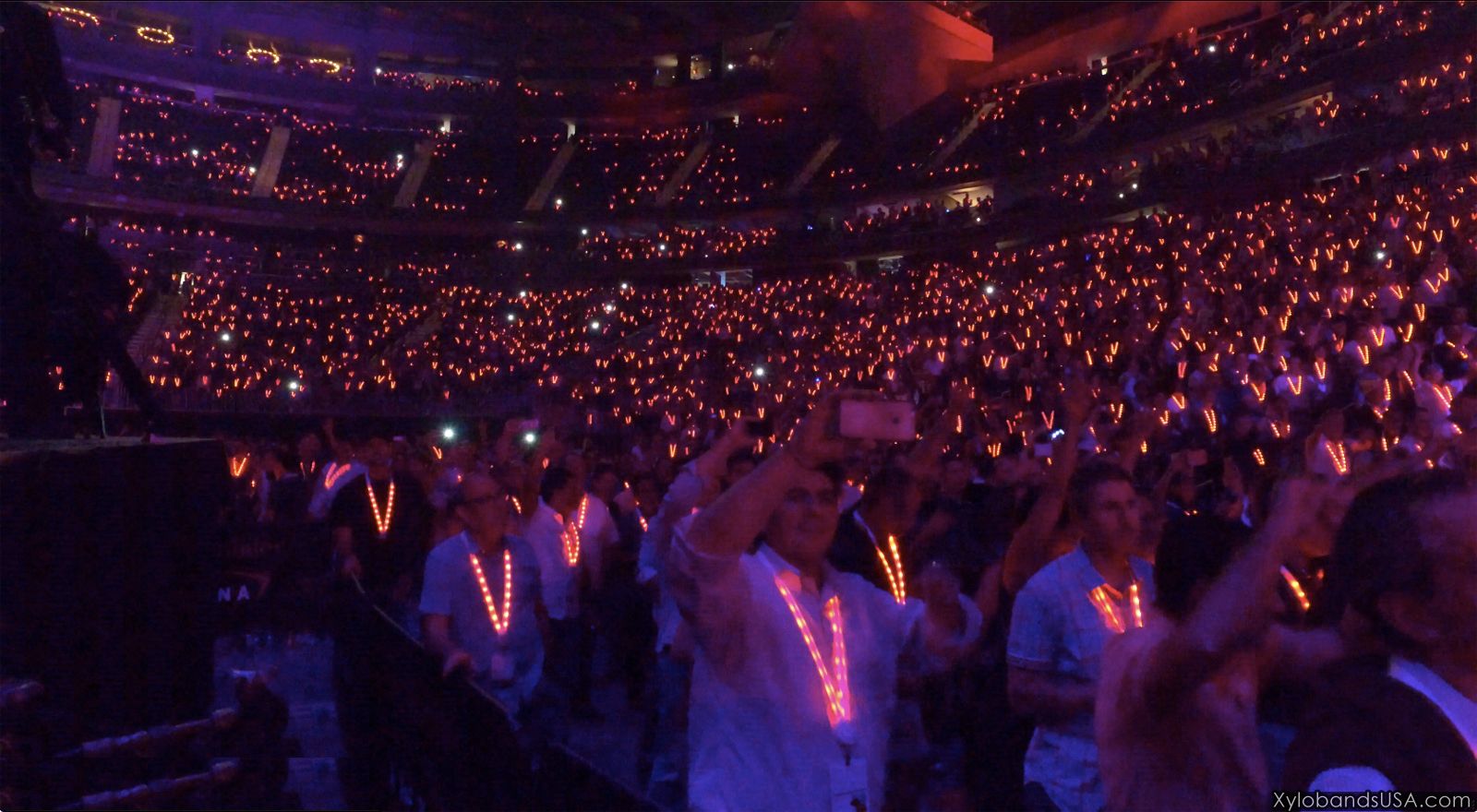
This process is a masterclass in synthesis. It involves deconstructing a creative brief and mapping it onto the unforgiving realities of physics, budgets, and timelines. When a client asks for “an immersive brand experience,” the leader must ask the right questions. What does immersion mean for this specific audience? How do we manifest it physically? This is where tools become part of the strategy. A blueprint might specify the use of Custom LED Wristbands to unify the crowd, or sophisticated LED Lanyards like those used at the Formula One 75th Anniversary event, which turned attendees into individually addressable pixels in a grander design. The technology is not an afterthought; it is a foundational element of the architectural plan, a load-bearing component of the entire experience.
The Conductor: Orchestrating the Symphony of Execution
Once the blueprint is set, the leader’s role shifts from architect to conductor. The day of the show is a symphony of moving parts—lighting, audio, video, staging, security, and talent—all needing to perform in perfect harmony. The leader is the one with the score, cueing each section at the precise moment.
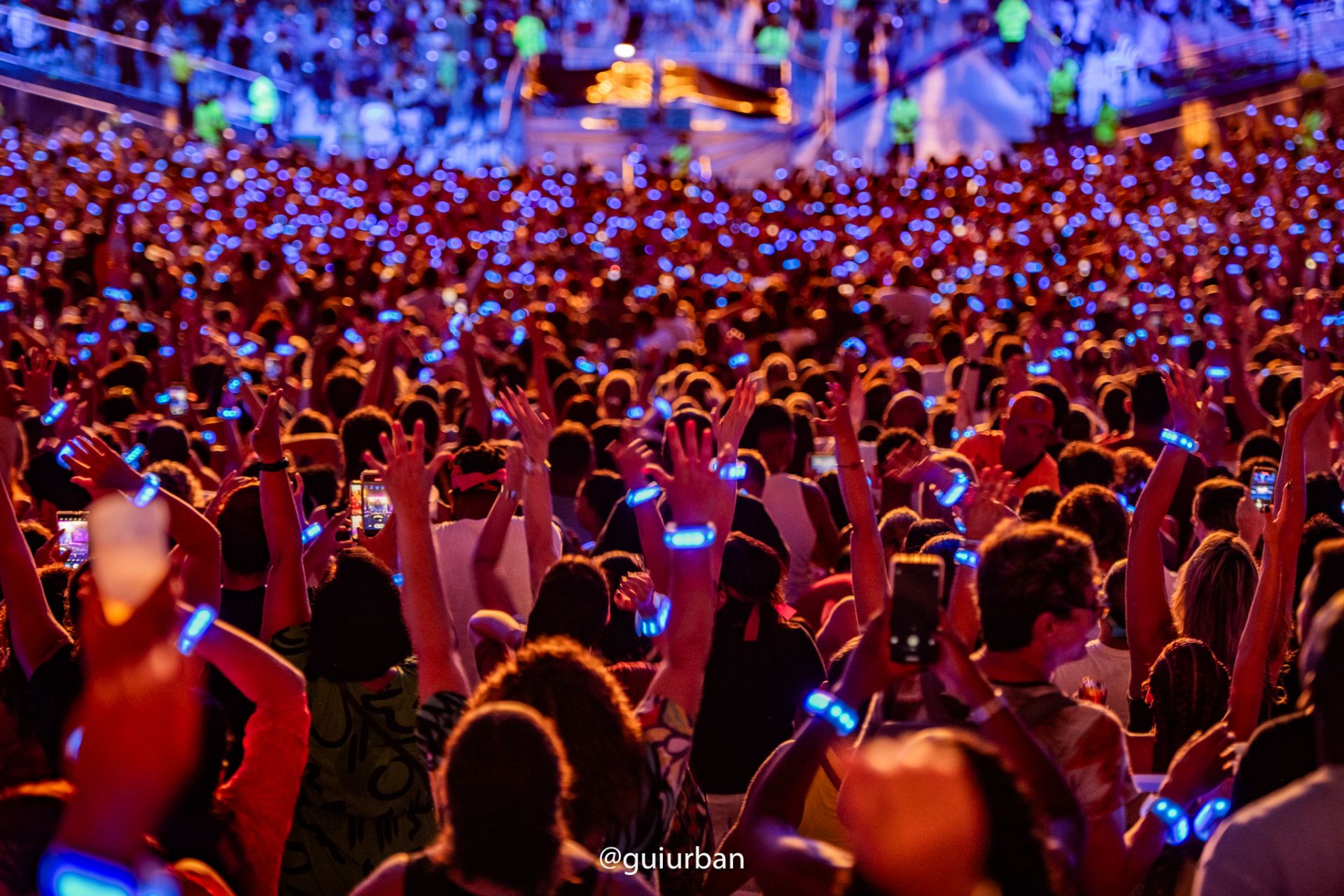
Consider the logistical complexity of a major artist’s stadium show, like Maluma’s historic hometown concert in Medellín. With a live audience of 54,000 and a simultaneous broadcast to over 240 countries, the margin for error was non-existent. Every light cue, every video roll, every movement on stage had to be flawless. This real-time orchestration is where a leader’s preparation meets the moment. The use of Radio Controlled LED Wristbands in such an environment is a perfect example. The ability to command the entire audience—to make them a living, breathing part of the show’s lighting design—depends on a conductor who knows exactly when and how to wield that power, transforming tens of thousands of individuals into one cohesive, visual instrument.
The Translator: Fostering a Universal Language
A live production brings together a diverse collection of highly specialized tribes: the creatives who dream in light and color, the engineers who speak in code and frequencies, the roadies who measure the world in truckloads and truss dimensions. An effective leader must be fluent in all these languages. They are the central node of communication, the translator ensuring that the artist’s vision is not lost in technical jargon or logistical constraints.
This was powerfully demonstrated at the F1 75th Anniversary show, where the creative team’s vision for dynamic crowd effects required a specific, meticulous plan for deployment. The leader’s role was to translate this creative need into a clear logistical directive for the distribution team, who pre-positioned the custom pendants around the arena to achieve the desired result. When there is no shared understanding, the result is friction and failure. The leader fosters a culture of collaboration, ensuring the lighting designer, the RF technician deploying the LED Bands, and the stage manager are all working from the same script, towards the same goal.
The Fulcrum: Grace Under Unrelenting Pressure
No amount of planning can account for every eventuality. A piece of gear will fail. A key team member will get sick. The weather will turn. It is in these moments of unforeseen crisis that the true measure of a leader is taken. Their ability to absorb pressure, to problem-solve on the fly, and to maintain the morale and focus of the team is what separates a good manager from a great leader.
This resilience extends beyond just the immediate show. Modern leadership also involves foresight and responsibility. When Wizkid sold out three nights at London’s O2 arena, the plan for the accompanying Concert Wristbands included reuse and responsible recycling. This demonstrates a broader understanding of leadership—one that encompasses not just the spectacle itself, but its entire lifecycle. It’s about making smart, sustainable decisions that reflect well on the artist, the brand, and the industry as a whole, proving that powerful LED Crowd Experiences can also be responsible ones.
The Lasting Impact of the Keystone
The role of the leader in modern event production is to be the keystone—the piece that locks all others into place, bearing the weight of the entire structure and making it strong. By seamlessly blending the roles of architect, conductor, and translator, they create an environment where art and technology can merge. They build the foundation of trust and communication that allows a team of specialists to achieve a singular, unified vision.
Ultimately, the goal of every tour, festival, and activation is to create an unforgettable moment of human connection. The tools of the trade—from massive stages to sophisticated Immersive Event Technology—are all in service of this goal. But it is the quiet, essential, and relentless work of the leader that transforms these disparate elements into a shared experience, a collective gasp, a lasting memory. They are the invisible force that makes the spectacle possible, the still point at the center of the unforgettable roar of the crowd.