The Language of Light: Understanding RF, DMX, and Infrared in Immersive Experiences
From Signal to Sensation: The Unseen Choreography of Light
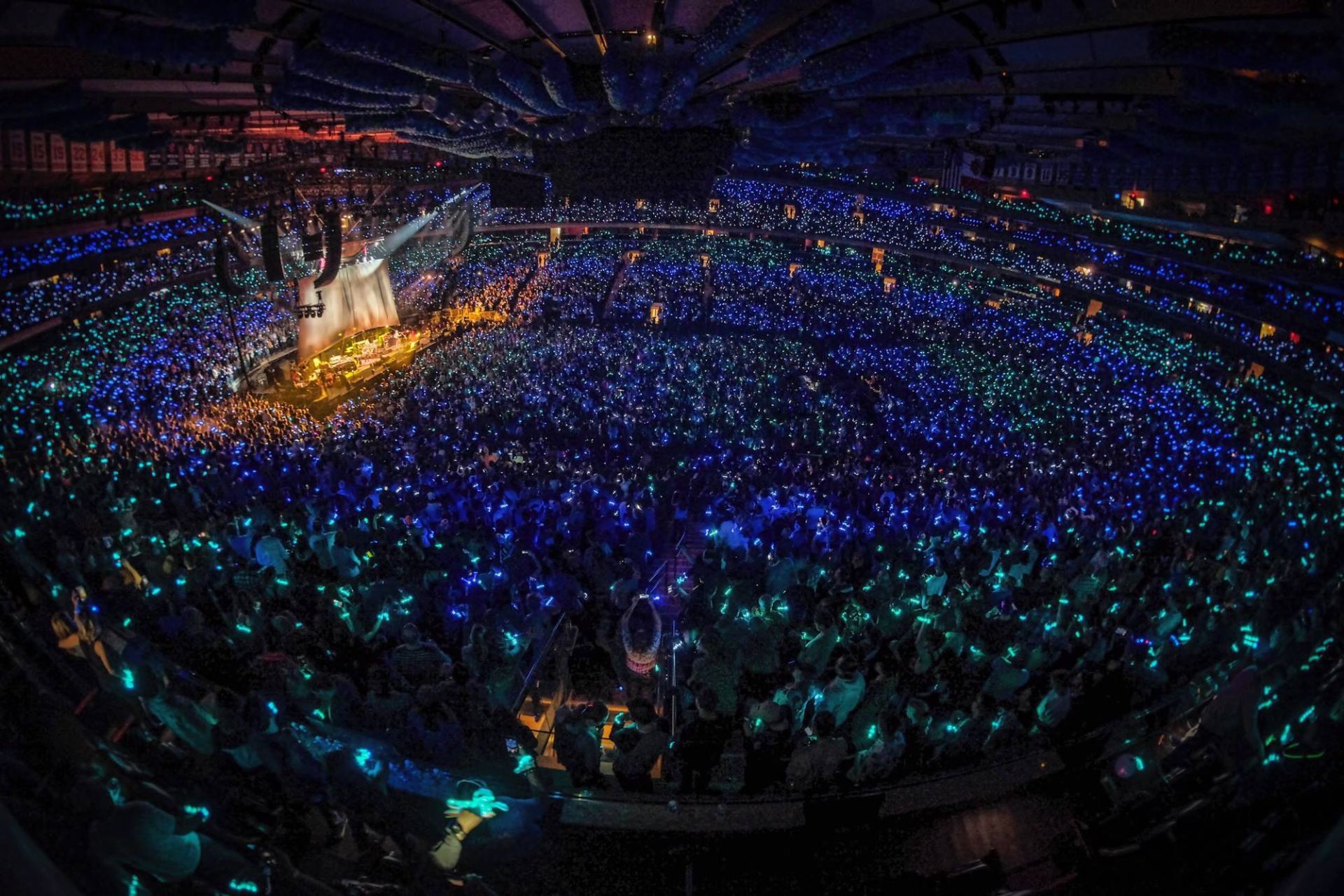
It’s a moment of pure alchemy. A stadium of 50,000 individuals, each a single point of consciousness, dissolves into a single, sentient sea of light. A headliner strikes a chord, and in perfect unison, the entire crowd pulses with colour. An Olympic ceremony builds to its crescendo, and the stands erupt in a synchronized, cascading pattern of national colours. These are the moments that define modern immersive events. They feel like magic, but they are born from a sophisticated and robust technological architecture. This is the unseen network that translates an artistic vision into a moment of profound collective connection.
At Xylobands, we don’t just manufacture LED wristbands; we engineer the systems that give them life. For event producers, tour managers, and brand marketers, understanding the technology behind these LED crowd experiences is crucial to unlocking their full creative potential. The three primary methods of control—Radio Frequency (RF), DMX, and Infrared (IR)—each offer a different set of tools, a different language of light, to choreograph the audience and design the unforgettable.
The RF Revolution: Painting with the Broadest Strokes
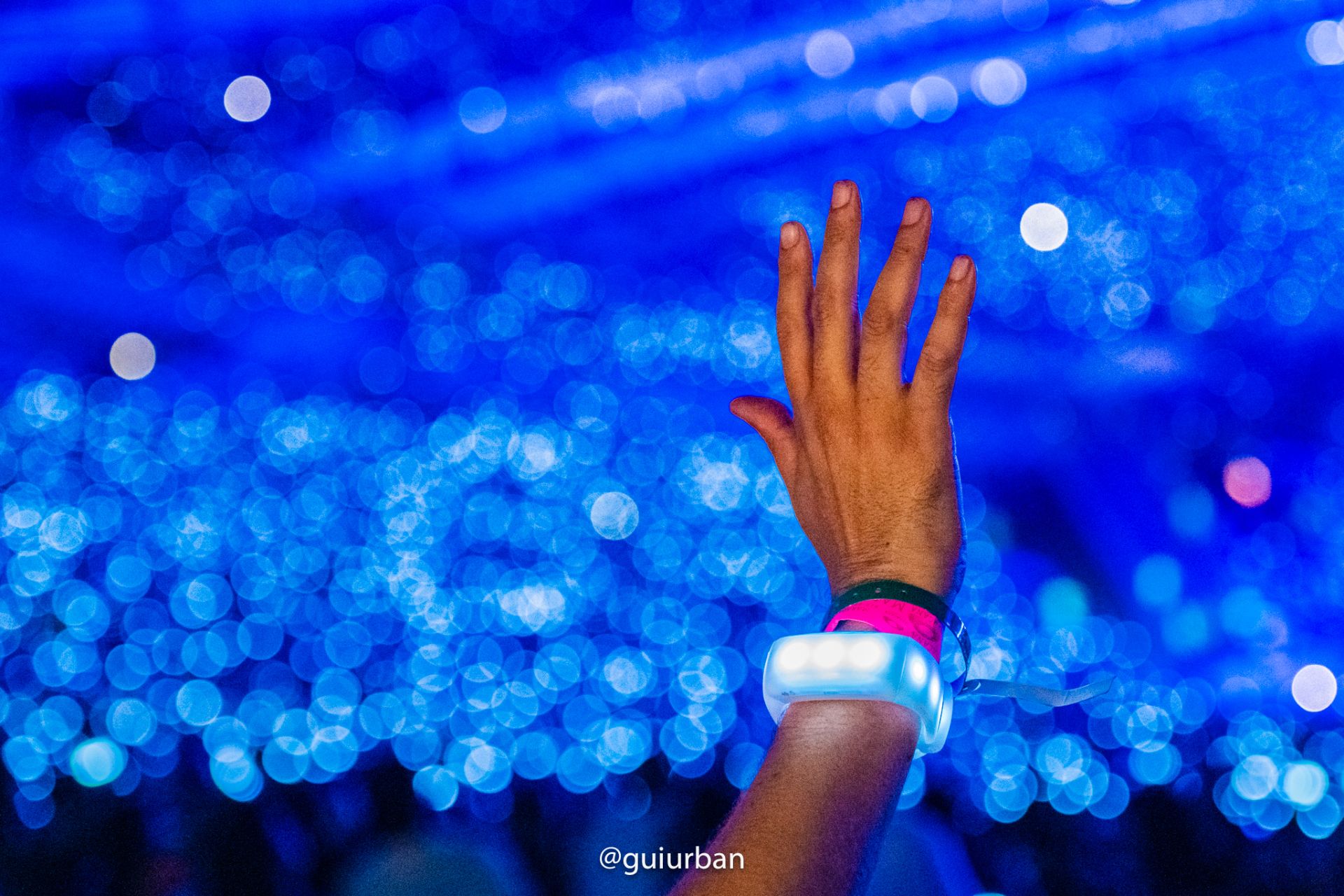
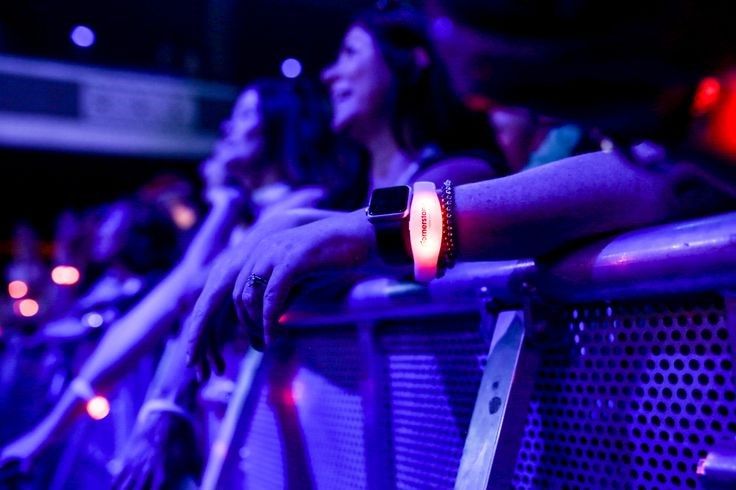
Radio Frequency control is the powerhouse of the large-scale spectacle. Think of a stadium tour, a headline festival slot, or a massive public celebration. When you need to command tens of thousands of light points over a vast area, RF is the undisputed solution. The principal is elegant: a powerful, centrally located transmitter broadcasts a signal, much like a radio station, to every Xylo Band in the venue. Each wristband acts as a receiver, responding to commands in real-time.
This was the technology that sparked a revolution on Coldplay’s Mylo Xyloto tour, turning our founder’s vision at Glastonbury into a global phenomenon. The concept of the Coldplay Xylo Band established a new paradigm for audience participation. With a range extending up to 1,000 meters, a single transmitter can command an entire arena or festival field, creating sweeping, unified waves of colour.
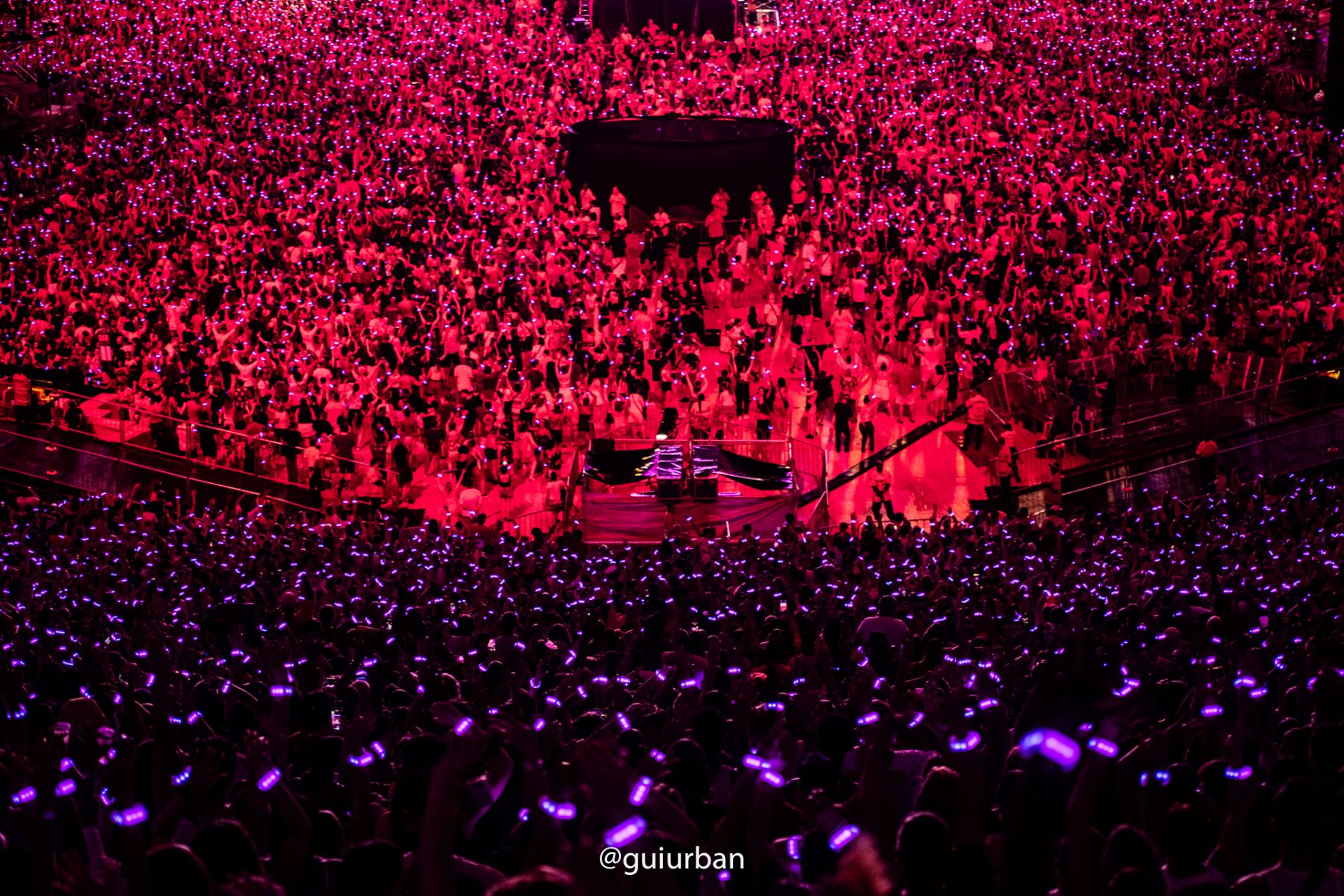
But it’s more nuanced than a simple on/off command. Our proprietary software allows for the pre-programming of complex sequences and, crucially, the division of the audience into dozens of distinct zones. This gives designers the power to "paint" across the crowd, sending ripples of light from front to back, creating checkerboard patterns, or isolating sections in contrasting colours. It’s this ability to create dynamic, moving art across a human canvas that makes radio controlled LED wristbands the definitive tool for events like the PRIMER Music Festival in Athens or Maluma’s historic stadium show in Medellín.
The DMX Integration: Speaking the Language of Professional Light
For the technical purist—the lighting designer who lives and breathes cues, universes, and timing—DMX control provides the ultimate in precision and integration. DMX is the industry-standard protocol for all professional lighting, from moving heads and lasers to stage washes and hazers. By making our wearable LED technology fluent in this language, we allow it to become a seamless extension of the main production lighting rig.
Instead of being operated from a separate laptop, a DMX-enabled system allows our wristbands, lanyards, or LED orbs to be patched directly into the lighting designer’s console of choice—be it a GrandMA, Avolites, or Hog. Each zone, or even each individual wristband, can be treated as a lighting fixture, assigned a DMX address, and programmed into the show’s master cue list.
The result is flawless synchronicity. When a song hits its drop and the stage lights flash white, 500 wristbands in a TV studio audience—as seen on broadcasts for clients like ITV and shows like ‘Beat The Chasers’—can flash in the exact same frame. This level of granular control and perfect timing is essential for broadcast environments, complex theatrical productions, and musical acts where the lighting is deeply interwoven with the performance. It transforms the audience from a passive observer into a living, breathing component of the lighting design itself.
The Infrared Trigger: Precision, Proximity, and Interaction
Where RF offers scale and DMX provides integration, Infrared (IR) delivers intelligent, location-based interaction. Unlike the wide broadcast of radio waves, IR relies on a direct line of sight. This perceived limitation is actually its greatest strength, allowing for the creation of highly targeted and responsive experiences.
Small, strategically placed IR transmitters can create “trigger zones” throughout a venue. This unlocks a world of possibilities for corporate event activations and interactive installations. Imagine an attendee at a product launch walking towards a new vehicle display; as they enter the five-meter radius of the display, their custom LED wristband or lanyard automatically pulses in the brand’s hero colour. Or consider a fan experience at a sporting event like the Davis Cup, where walking through the "Champions Entrance" triggers a patriotic flash of your team’s colours.
At the Formula One 75th Anniversary event, where we deployed custom Xylo Pendants, this technology could be used to create distinct lighting environments. A general admission ticketholder’s pendant might glow one colour, while a VIP guest entering an exclusive lounge is greeted by their pendant changing to a shimmering gold. It’s a subtle but powerful tool for personalizing the guest journey, driving traffic to sponsor locations, and creating moments of surprise and delight.
The Synthesis: A Multi-Layered Approach to Immersion
The true mastery of immersive event technology lies not in choosing one of these systems, but in orchestrating them together. A single event can leverage all three, creating a richer, multi-layered experience. The main concert might run on RF for those massive, unifying moments. But when a special guest DJ takes over a side stage, that section’s lighting could be handed over to a DMX operator for tighter, beat-matched control. Meanwhile, IR triggers placed at bars, merchandise stands, and art installations can create a persistent layer of individual interaction throughout the event footprint.
This hybrid approach allows for unparalleled creative freedom, enabling producers to design a journey with both vast, collective crescendos and intimate, personal discoveries. It moves beyond a simple light show and into the realm of true environmental design, where light becomes a responsive, intelligent medium that enhances every facet of the live experience.
Ultimately, whether through RF, DMX, or IR, the goal remains the same: to dissolve the barrier between the performance and the observer. It’s about using technology not for its own sake, but as a conduit for human connection, transforming a crowd of thousands into a single, luminous entity, speaking the universal language of light.