Layers of Light: A Modern Playbook for Arena and Stadium Tour Design
The Canvas of the Colosseum
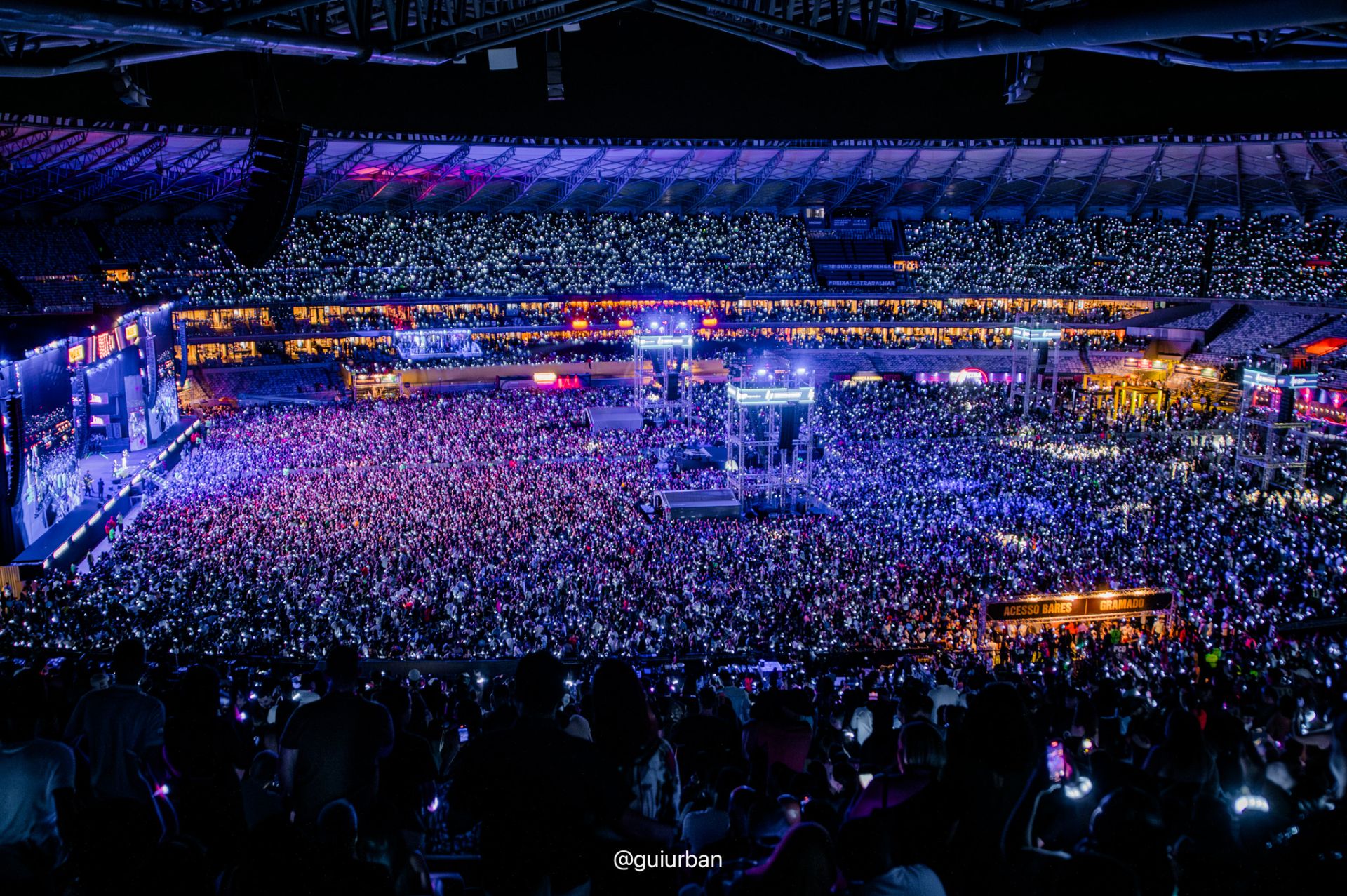
The moment before the show begins is a study in potential. A vast stadium, holding its breath. Tens of thousands of individual points of anticipation fade into a single, cavernous dark. In this space, light is more than illumination; it’s the primary medium for emotion, narrative, and collective experience. Designing a lighting concept for a modern arena or stadium tour is not merely about pointing beams at a stage. It’s an act of architectural transformation, a form of storytelling on a colossal scale. It’s about painting on a canvas the size of a city block, where every surface—from the stage floor to the highest-reaching fan—is a potential part of the masterpiece.
The challenge is immense. How do you create intimacy in a space built for spectacle? How do you ensure that the fan in the last row feels as connected as the one against the barrier? The answer lies in a multi-layered approach, a design philosophy that considers not just the artist, but the environment and the audience as three distinct, yet interconnected, canvases.
Layer One: The Artist as the Focal Point
At the heart of any concert, the artist remains the narrative anchor. The first layer of light is dedicated to them, ensuring they are not just seen, but presented with clarity, power, and emotional resonance. This is the art of the key light, the followspot, and the carefully crafted back-lighting that sculpts the performer against the immense backdrop. It’s a discipline that has grown infinitely more complex in the age of the global live stream, as seen in massive productions like Maluma’s Medellín concert, which was broadcast to over 240 countries.
Today’s lighting director must serve two audiences simultaneously: the human eye in the arena and the unblinking lens of the broadcast camera. This requires a deep understanding of color temperature, intensity, and contrast to ensure the star looks as dynamic on a 60-foot screen as they do on a 6-inch mobile device. This layer is the foundation—it establishes the focus and directs the audience’s attention, ensuring the core story of the performance is always clear.
Layer Two: The Environment as the Set
Once the artist is lit, the next layer expands to consume the environment. Here, the steel and concrete of the stadium itself become part of the set. This is where lighting designers use sweeping washes of color, intricate laser grids, and powerful strobes to redefine the architectural space. Massive LED video walls extend the visual narrative, creating dynamic backdrops that can transport the audience from a starlit sky to an abstract, pulsing cityscape in an instant.
This environmental layer is what creates the larger-than-life moments. It’s the full-stage blackout punctuated by a single beam. It’s the synchronized chase of lights that seems to make the entire arena breathe. By painting the air with haze and tracing the geometry of the venue with light, designers give the space a personality and a pulse, turning a static structure into a living, breathing entity that responds to the rhythm of the show. This is the layer of awe, the one that generates the scale of the spectacle and makes the entire arena feel like a single, unified world.
Layer Three: The Crowd as the Canvas
For decades, the audience was the final frontier, a vast expanse of darkness dotted with the occasional flash of a camera. The third and most revolutionary layer of modern tour design changes this entirely. It extends the lighting design off the stage and into the hands of every single audience member. This is the domain of Wearable LED Technology, a concept that transforms the crowd from passive observers into an active, integral part of the light show itself.
This is where Xylobands pioneered a new language of audience interaction. With Radio Controlled LED Wristbands, every person becomes a pixel in a 360-degree light show. Suddenly, the entire stadium bowl can erupt in a single color, intricate patterns can sweep across seating blocks, and pulses of light can sync perfectly to the beat of the music. It’s a technology that creates breathtaking moments of unity and participation.
The vision was to turn the crowd into a canvas, creating moments of unity where everyone could become completely immersed in the live experience. This philosophy is now a cornerstone of Immersive Events worldwide.
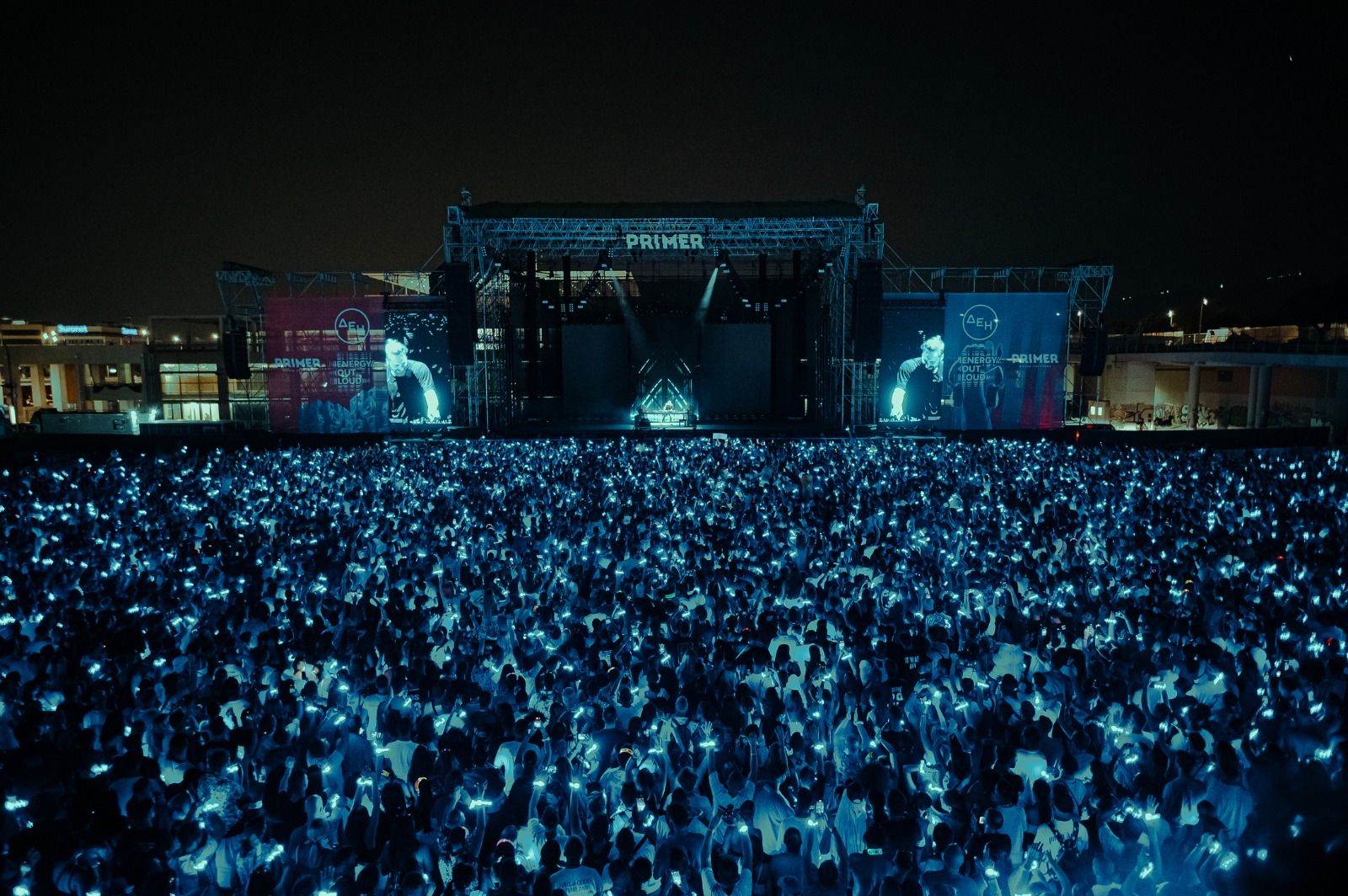
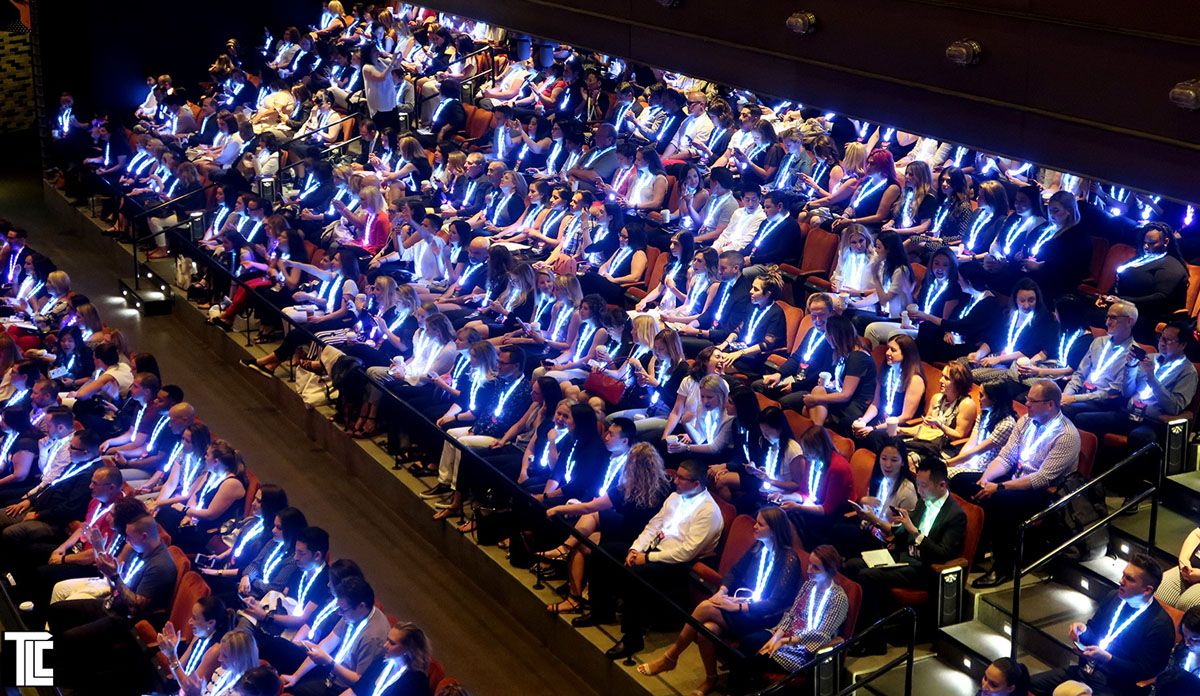
From the high-energy beats at Greece’s PRIMER Music Festival, where Festival Wristbands amplify the collective euphoria, to major corporate events like the Formula 1 75th Anniversary, where custom LED Lanyards unite fans, teams, and sponsors, the principle is the same. This layer of light creates powerful LED Crowd Experiences, dissolving the barrier between the stage and the seats. It’s the ultimate tool for making a crowd of 50,000 feel like a single, connected entity.
The Unifying Principles
Underpinning these three layers are core principles that guide the world’s best tour designs. The most important is narrative. Great lighting is not a random sequence of effects; it’s a story. It has an arc, with quiet, intimate moments that draw you in, and explosive crescendos that deliver emotional peaks. It supports the artist’s performance, underscoring the shift in tone from a ballad to an anthem.
Adaptability is also critical. A design created for a 50,000-seat stadium must be scalable to work in a 20,000-seat arena, like The O2, which has hosted monumental shows for artists like Wizkid. The design must be modular, and the underlying LED Event Technology must be robust enough to perform flawlessly every night, anywhere in the world.
Ultimately, the goal of modern tour lighting is to create a total environment—a temporary reality where, for two hours, everyone in the room is part of the same story. By layering light to encompass the performer, the environment, and the audience, designers are not just putting on a show; they are building worlds. They are creating a unified, immersive spectacle that resonates long after the last light fades to black.