The Architecture of Awe: Modern Lighting Design for Stadium & Arena Tours
From the Back Row to the Broadcast: Unifying the Arena Experience
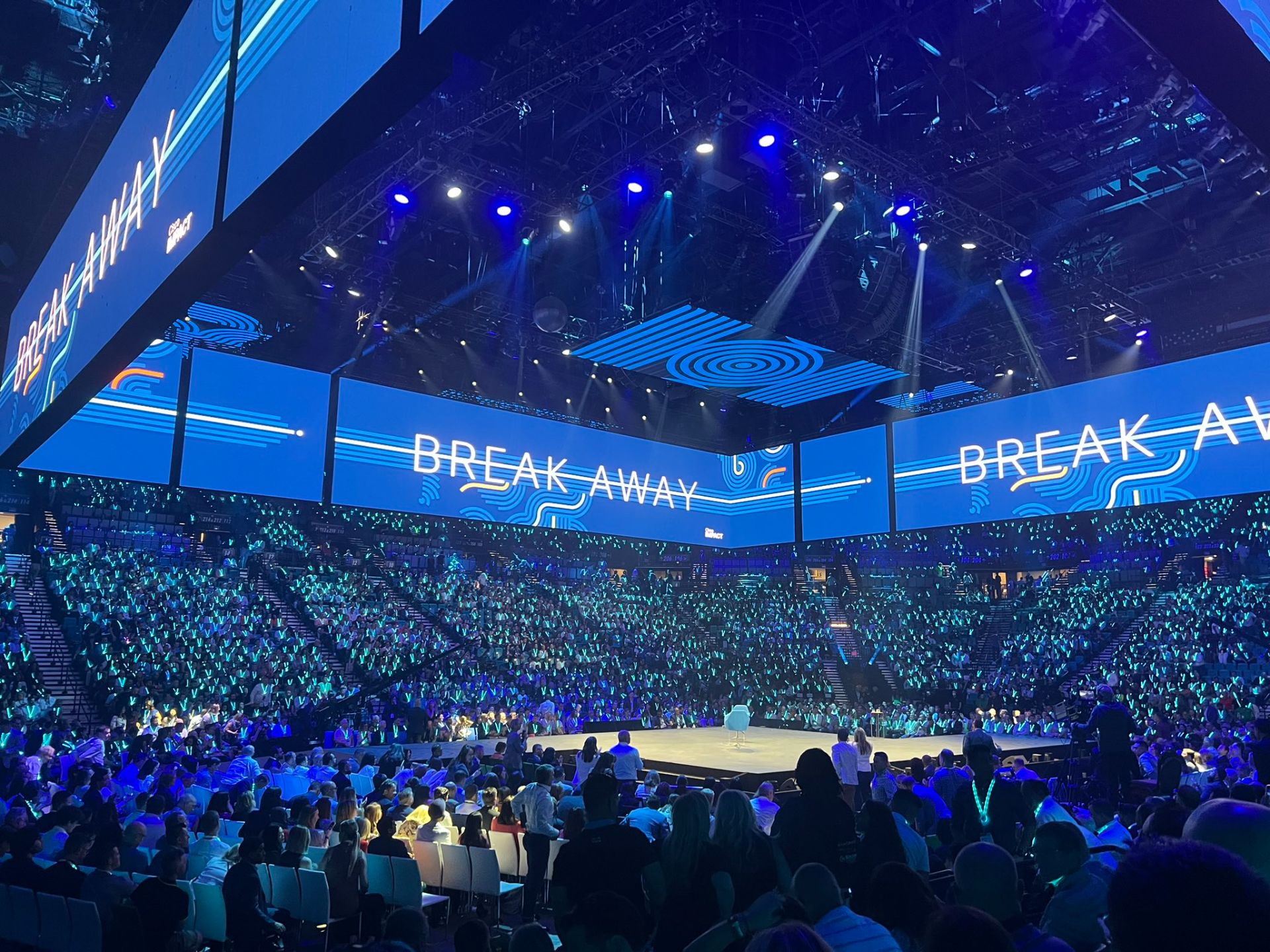
An arena tour is a study in scale. The distance from the stage to the last seat in the upper bowl isn’t just a physical space; it's an experiential divide. For decades, the challenge for lighting designers has been how to bridge that gap. How do you ensure the fan in section 433 feels the same visceral connection as the one in the front row? How do you create intimacy in a space built for 50,000 people?
Historically, the answer was brute force: bigger fixtures, brighter beams, larger video screens. But today, a more nuanced philosophy is taking hold. Instead of simply projecting light *at* an audience, the most innovative tours are now projecting light *from* the audience. This seemingly simple shift transforms tens of thousands of individuals into a single, cohesive canvas—a living, breathing part of the show's architecture.
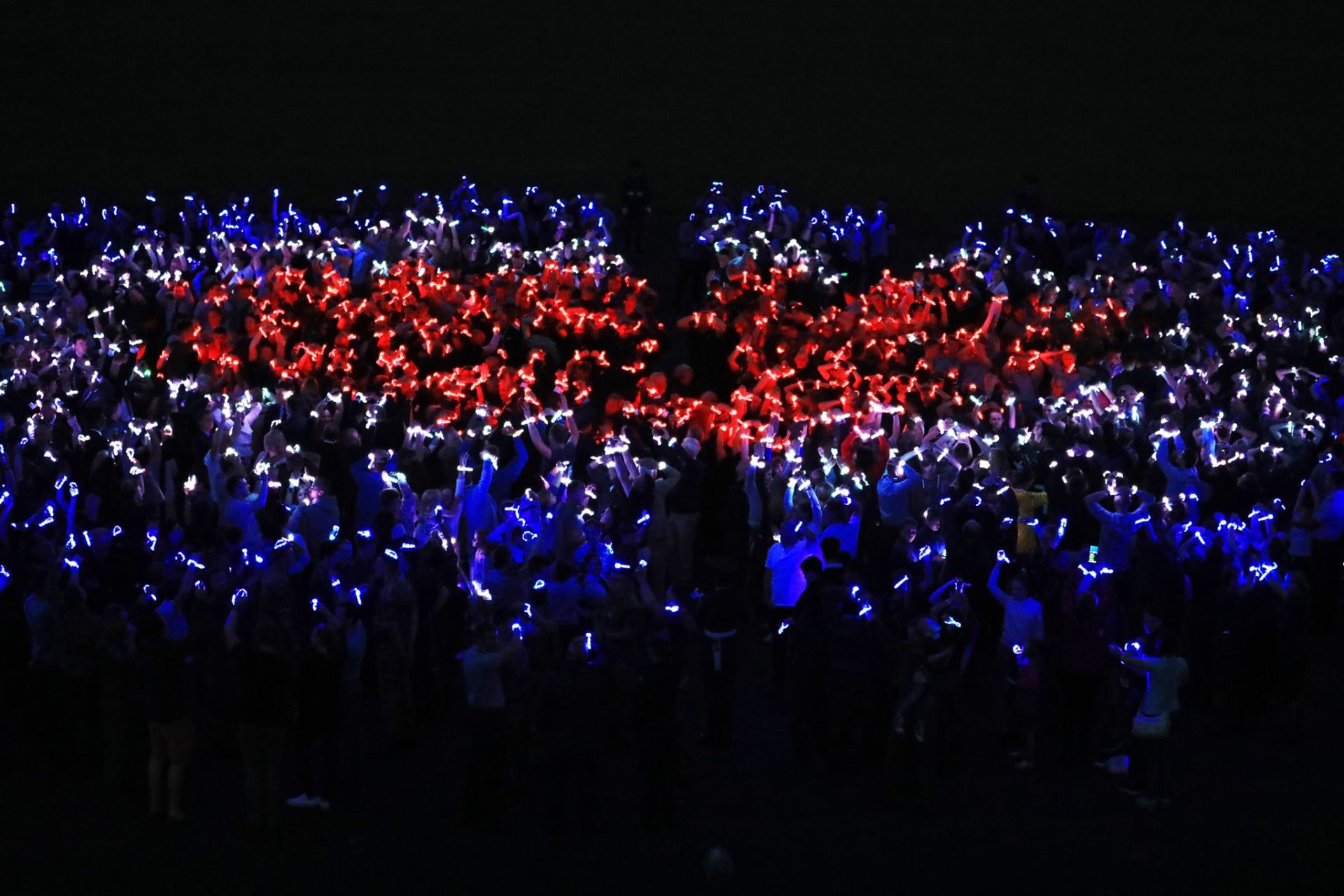
This is where wearable LED technology becomes a foundational element of the design. By making each audience member a pixel in a venue-wide display, designers can extend the visual narrative of the show to every corner of the building. A wave of colour that starts on stage can now wash over the entire crowd, creating a powerful sense of unity and shared experience. It’s a technique that artists like Maluma have used to stunning effect, turning a stadium of 54,000 in his hometown of Medellín into a unified sea of light, connecting him with every single fan.
The Three Pillars of Modern Tour Lighting Design
Designing for the modern stadium tour requires a multi-layered approach that balances artistic vision, technical execution, and audience psychology. It’s a discipline built on three core pillars.
1. The Stage as the Sun: The Central Source
The stage remains the gravitational center of the show. It is the anchor, the primary source of light and narrative. Here, the lighting designer’s job is to complement the artist's performance, using light to shape mood, punctuate musical dynamics, and direct the audience's focus. It’s a combination of traditional stagecraft and cutting-edge technology—moving heads, lasers, and massive LED walls working in concert to create moments of breathtaking visual power. The stage tells the audience where to look.
2. The Audience as the Canvas: Extending the Narrative
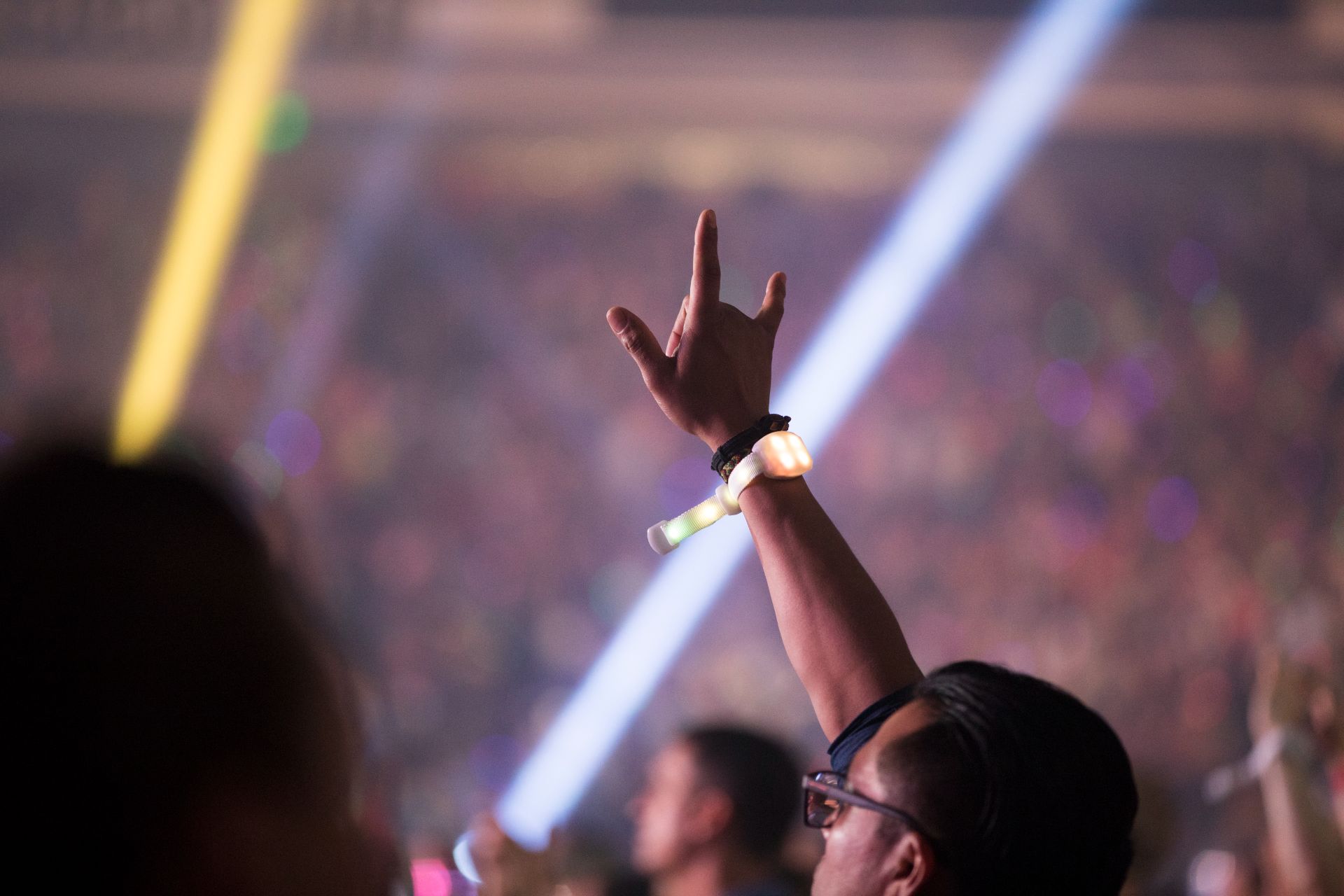
This is where the paradigm shifts. The audience is no longer a passive observer but an active participant in the visual spectacle. Using radio-controlled LED wristbands, or other forms of LED wearables, the lighting designer can paint with a much broader brush. Suddenly, the entire arena becomes a dynamic, three-dimensional canvas. This approach offers almost limitless creative possibilities:
- Pulsing Rhythms: Syncing light pulses to the beat of a drum or a bassline, turning the entire audience into a single, unified heartbeat.
- Choral Effects: Dividing the arena into sections and creating chases or call-and-response patterns between different parts of the crowd.
- Color Immersion: Drenching the entire venue in a single, emotive color to underscore a quiet, acoustic moment or a powerful ballad.
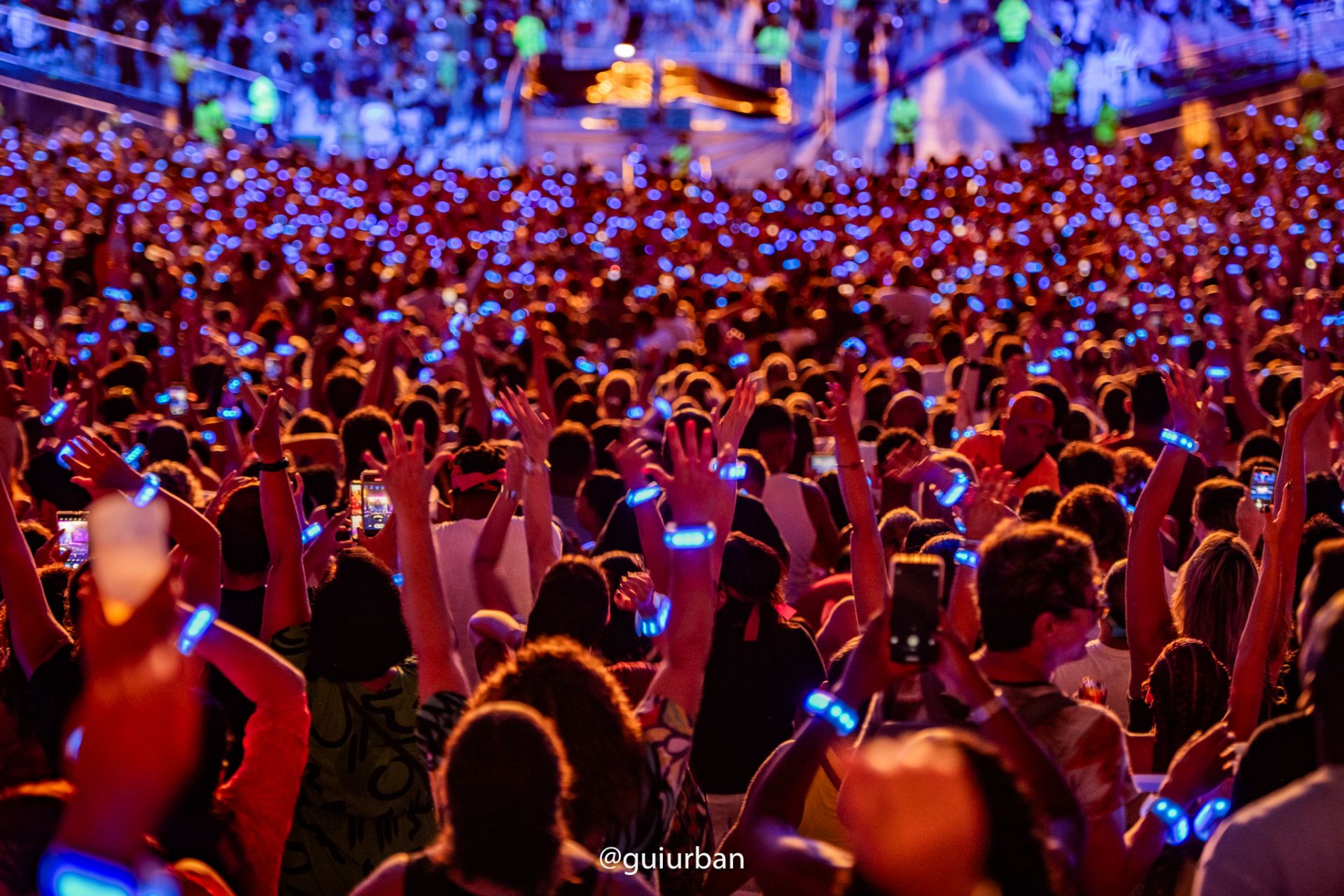
At festivals like Greece’s PRIMER, which host thousands of electronic music fans, these LED crowd experiences are crucial. They don’t just supplement the music; they amplify the sense of collective energy that defines the event itself, turning a crowd of individuals into an electric tribe.
3. The Two-Show Imperative: Designing for the Camera
Many modern stadium tours, like Maluma’s Medellín concert or Wizkid’s historic run at The O2, are broadcast live to a global audience. This creates a "two-show imperative": the experience must be spectacular for the people in the room and equally compelling for those watching on a screen. This is a challenge broadcasters like ITV have long understood. A lighting design that looks incredible in person can appear blown out or chaotic on camera.
Here, the crowd-as-canvas approach provides a powerful solution. The same Xylobands that create an immersive experience for the live audience also provide a rich, dynamic backdrop for the camera. They fill the frame with color and movement, preventing the dreaded "black holes" of unlit audience sections and making the broadcast feel as vibrant and energetic as the live event. From wide shots that show the entire stadium pulsing with light to close-ups of an artist with a sea of glowing fans behind them, this technique creates iconic, broadcast-ready moments.
The Unseen Conductor: Technology and Control
Underpinning this entire creative endeavor is a robust technological backbone. The ability to control tens of thousands of individual light sources in perfect synchronicity—often across vast distances in stadiums with significant RF interference—is a monumental technical challenge. Modern systems rely on a combination of powerful software and reliable hardware, often using radio frequency (RF) or DMX control to send precise signals to every concert wristband or LED lanyard.
The lighting designer becomes an invisible conductor, orchestrating not just the fixtures on the rig but the entire human tapestry of the audience. The programming is meticulous. Every light effect, every color change, and every pulse is pre-visualized and mapped to the musical arrangement, ensuring that the technology serves the art, not the other way around.
"Instead of thousands of people holding up lighters or mobile phones, the entire audience could become one living light show, perfectly synchronised with the music. It would create moments of unity where artists and fans shared the same experience."
The Result: A Shared Architecture of Memory
Ultimately, the goal of any great lighting design is to create a lasting memory. By moving beyond the stage and integrating the audience into the very fabric of the show, designers can create profoundly immersive events. They transform a passive viewing into an active, collective experience.
It’s no longer just about seeing the show. It’s about being *in* the show. For the fan in the top tier, their wristband glowing in sync with 50,000 others, the distance to the stage melts away. They are connected to the artist, to the music, and to everyone around them. This is the new architecture of awe, built one point of light at a time.