Lighting for the Lens: A Deep-Dive into Modern Broadcast Event Production
The Unseen Audience: Engineering Light for the Camera
In the world of live television, the audience in the studio is only a fraction of the whole. The true crowd is behind the lens — a vast, unseen assembly of millions watching from their homes. For event producers and lighting designers, this presents a unique challenge: crafting an experience that feels electric and intimate for the people in the room, while translating into a visually stunning spectacle for the broadcast. This is the art of lighting for the lens, a discipline where technology, creative vision, and flawless execution converge.
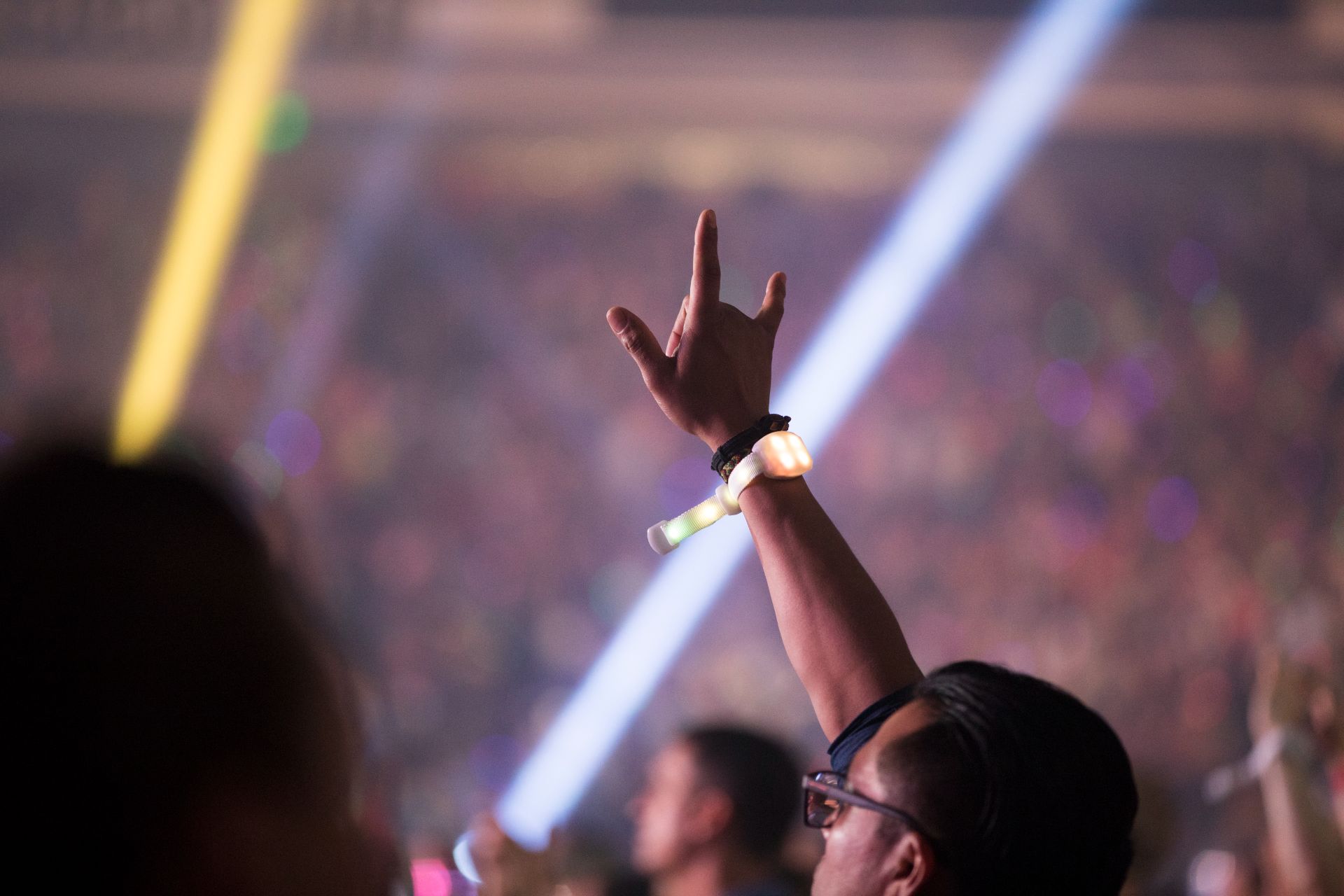
Modern broadcast events demand more than just static lighting. They require dynamic, programmable, and camera-ready visual elements that can integrate seamlessly into the production. This is where Immersive Event Technology like ours comes into play, transforming a passive studio audience into an active, vibrant part of the show’s visual fabric. It’s about creating layers of light that add depth, energy, and a sense of scale to the screen, ensuring the spectacle resonates as powerfully on a 6-inch phone as it does on a 60-inch television.
The ITV Collaboration: A Case Study in Broadcast Excellence
Our long-standing relationship with ITV is a testament to the power of this approach. We’ve had the privilege of collaborating on some of their most successful and visually ambitious programs, including high-energy entertainment formats like Beat The Chasers and The Masked Singer. These productions are masterclasses in creating a high-stakes, visually rich environment, and they serve as a powerful case study for lighting designers and producers aiming to elevate their broadcast events.
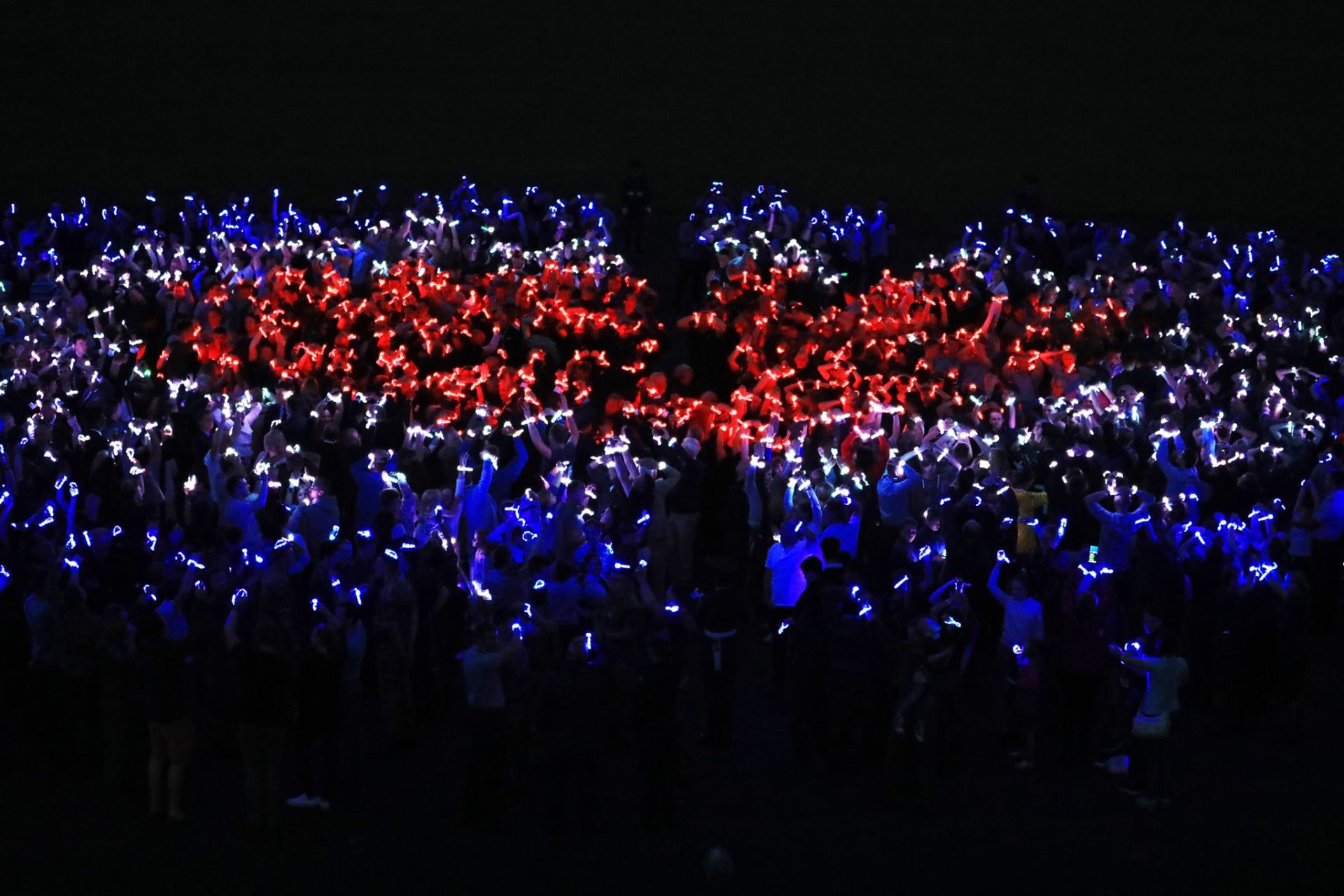
For a show like Beat The Chasers, the tension is palpable. The lighting is not merely decorative; it’s a core part of the narrative. It cues the action, heightens the drama, and frames the competition between the contestant and the formidable Chasers. Our role was to extend that narrative into the crowd. We deployed 500 of our Mk5 wristbands, turning the studio audience into a living, breathing extension of the show’s lighting design. When the clock is ticking, the audience’s wristbands can pulse with red light, amplifying the on-set anxiety. A triumphant win can trigger a cascade of shimmering gold light across the entire studio, creating a moment of shared celebration that translates powerfully to the screen.
This is what we call creating LED Crowd Experiences. It’s not just about giving the audience a souvenir; it’s about integrating them into the very DNA of the broadcast. Every pulse of light is synchronized, every color change is deliberate, and every effect is designed with the camera in mind.
Key Technical Considerations for Broadcast-First Lighting:
- Flicker-Free Performance: All LED wearables, from LED Bands to LED Lanyards, must operate at a high refresh rate to avoid flickering on camera, a technical detail that can make or break the broadcast quality.
- Color Accuracy & Consistency: The color rendered by the LED must be true to the show’s branding and lighting palette. Our systems are calibrated to ensure that the "brand red" for Coca-Cola or the signature blue for Samsung is perfectly matched, maintaining visual integrity.
- Zone Control and Granularity: The ability to segment the audience into zones and control them independently is crucial. For the Formula One 75th anniversary show, we created custom pendants for different teams and hospitality tiers, allowing the creative team to design effects that would highlight specific sections of the crowd, adding a layer of targeted visual storytelling.
- Reliability and Signal Strength: In a live broadcast environment, there are no second takes. Our radio controlled LED wristbands operate on a robust proprietary signal, ensuring instantaneous and reliable command execution, free from the interference of other studio technologies.
Beyond the Studio: Scaling the Spectacle
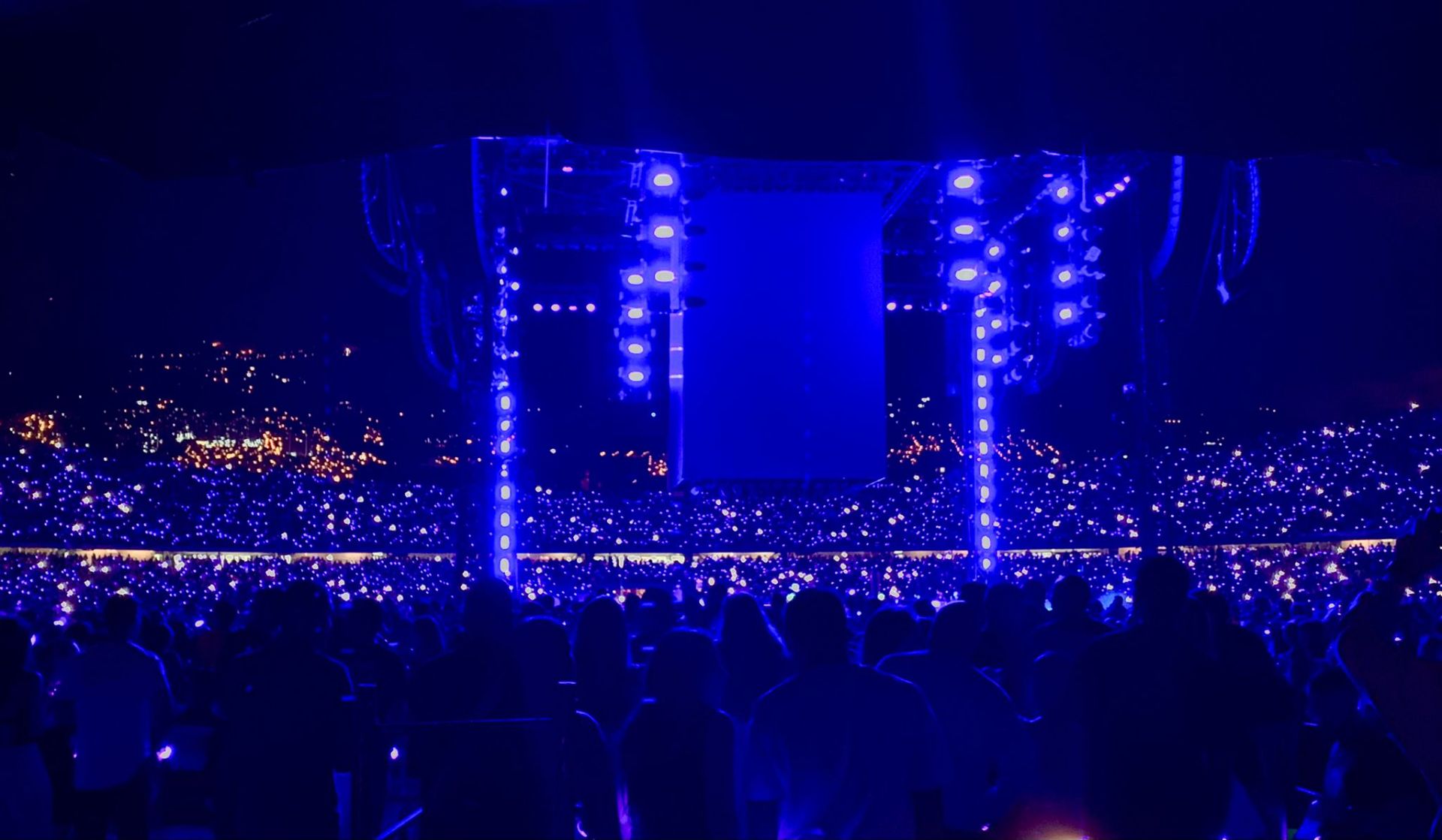
These principles, honed in the high-pressure environment of live television, are scalable to events of any size — from intimate corporate functions to massive stadium concerts. The goal remains the same: to create a unified visual experience that connects the audience to the performance. When Maluma played to 54,000 fans in his hometown of Medellín, a show live-streamed globally, our concert wristbands helped bridge the gap between the live and digital audiences, making viewers at home feel part of the historic homecoming.
Similarly, at major music festivals like Greece’s PRIMER, our festival wristbands transform sprawling fields of people into a single, pulsating canvas of light, synchronized to the beats of the world’s top DJs. This is the magic of shared experience, powered by technology that understands the nuances of both live performance and broadcast media.
The Future is Immersive and Camera-Ready
As the line between live and broadcast events continues to blur, producers and creatives must think more like broadcast directors. Every element of the live experience, from the stage lighting to the audience itself, is a potential pixel on a screen. By embracing Immersive Event Technology, you are not just entertaining the people in the room; you are designing a more compelling, dynamic, and memorable product for the millions watching worldwide.
The audience is no longer just watching the show; they are part of it. With the right technology and creative vision, they can become the most powerful light in your production, creating iconic moments that resonate long after the credits roll. It’s a new language of engagement, and it’s ready for its close-up.