Lighting for the Lens: The Art and Science of Broadcast-Ready Live Events
The Two-Audience Problem
In the world of live production, nothing is more complex than an event designed for broadcast. Whether it’s a primetime television special, a global awards show, or a major sporting final, the lighting designer faces a fundamental challenge: they are not lighting for one audience, but two. There is the live audience, present in the studio or stadium, and the broadcast audience, watching from millions of living rooms around the world. These two groups have vastly different needs and perceptions, and creating a spectacle that serves both is a delicate art.
The human eye is a marvel of biological engineering, capable of processing a huge dynamic range of light and shadow. The camera lens, for all its technological sophistication, is not. It requires a more controlled, carefully balanced spectrum of light to produce a clean, compelling image. A lighting effect that feels dramatic and immersive to the naked eye can appear as a blown-out, noisy mess on screen. This is the tightrope the modern production designer must walk: creating an electric atmosphere in the room without compromising the visual fidelity of the broadcast.
Engineering for the Camera
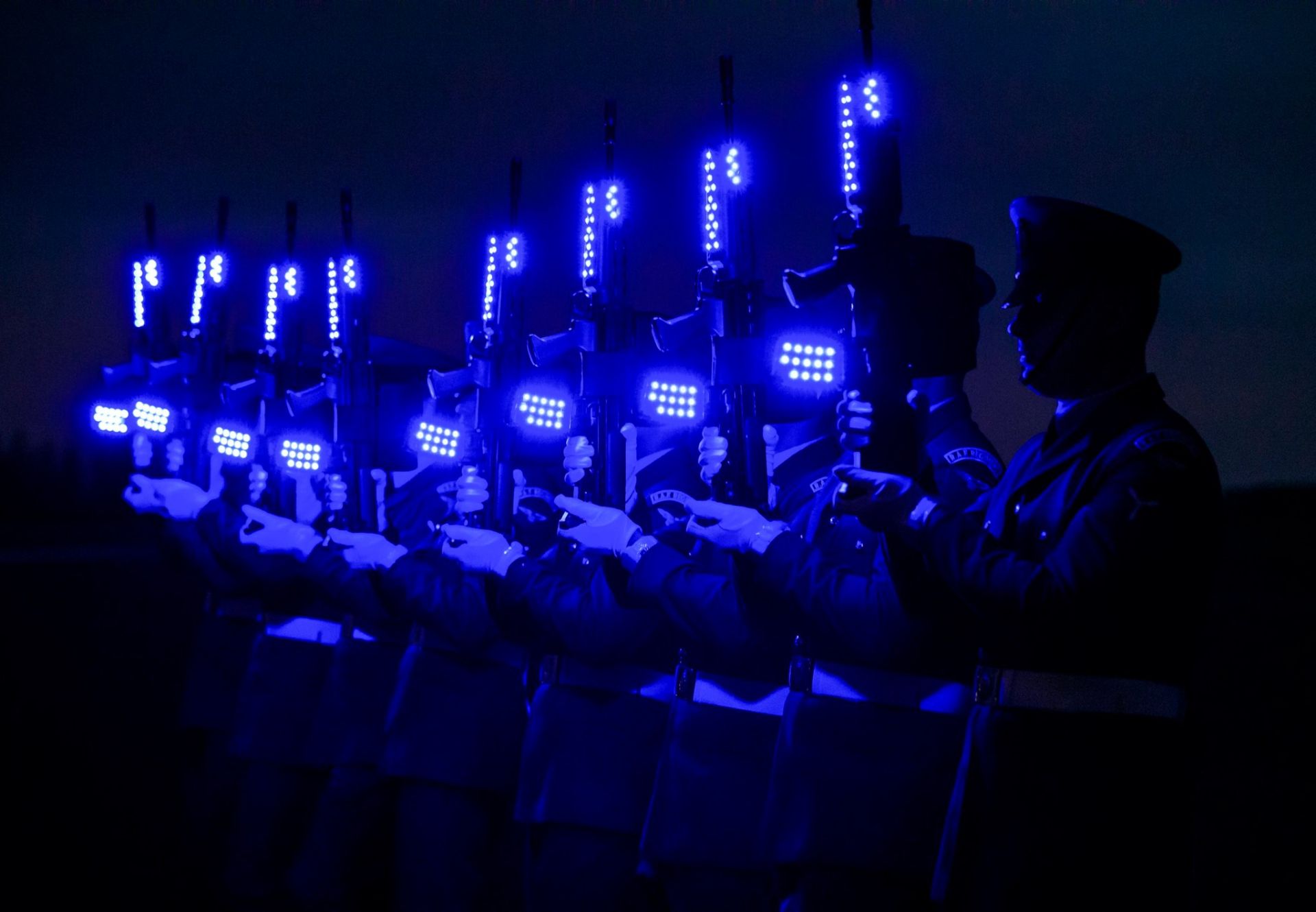
At Xylobands, we’ve been navigating this dual reality for years, engineering LED crowd experiences that are as powerful on camera as they are in person. Our work with major broadcasters like ITV on shows such as Beat The Chasers and The Masked Singer has provided a masterclass in lighting for the lens. These productions are built from the ground up with the broadcast viewer in mind.
Several key technical considerations come into play:
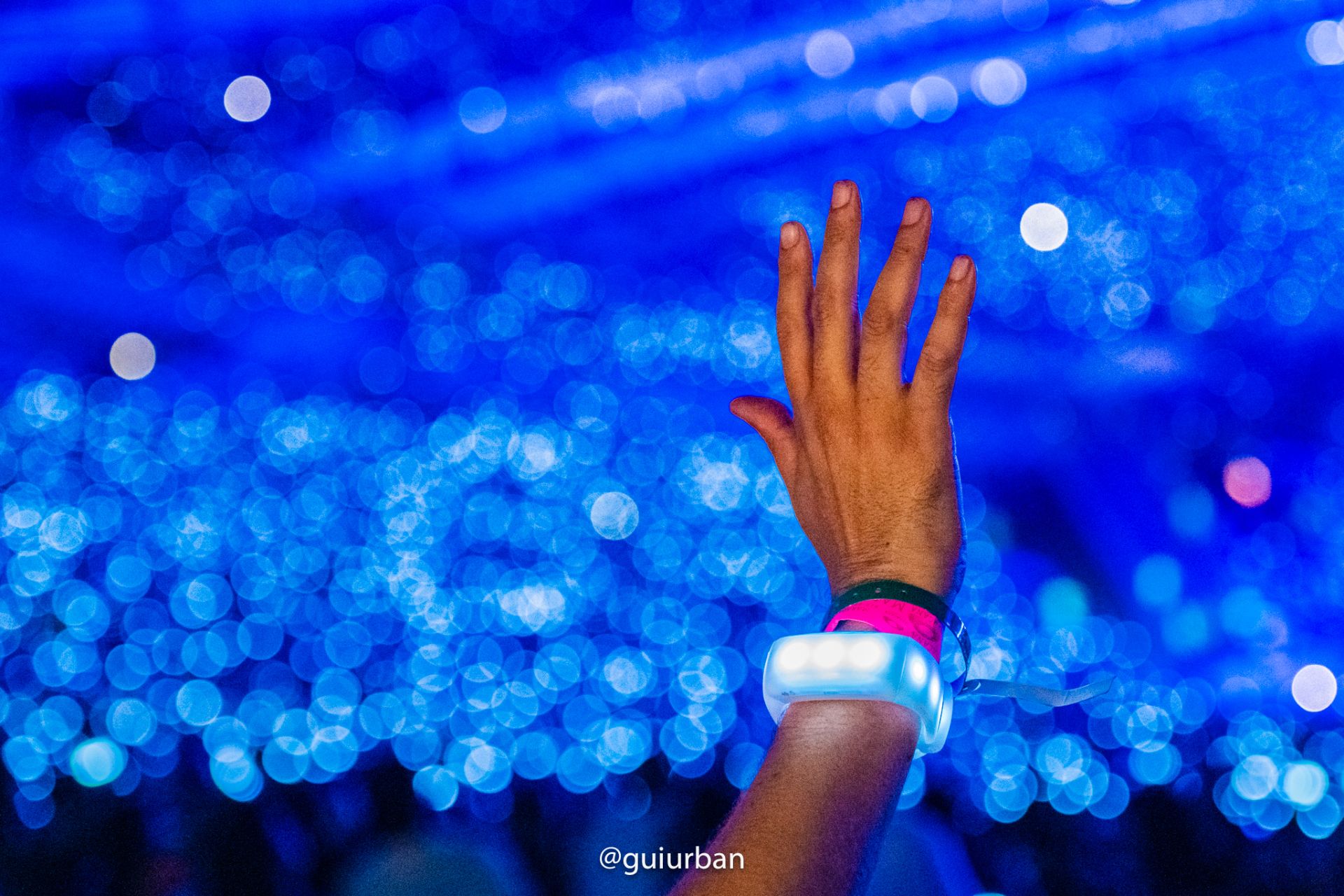
- Flicker Rate: The refresh rate of any LED source must be high enough to remain invisible to modern high-frame-rate cameras. A low-quality LED might look fine in person but will produce a distracting flicker on screen. Our radio controlled LED wristbands and other LED wearables are engineered to be completely flicker-free, ensuring a flawless broadcast image.
- Color Temperature and CRI: Color rendering is everything in broadcast. The Color Rendering Index (CRI) measures how accurately a light source reveals the true colors of an object. For television, a high CRI is non-negotiable. It ensures that skin tones look natural, and set pieces and costumes appear as the designer intended. Our systems are calibrated to harmonize with professional broadcast lighting, delivering rich, consistent color across the entire spectrum.
- Intensity Control: The dynamic range of a camera is far narrower than the human eye. What feels like a subtle dimming in a live setting can plunge the on-screen image into darkness. Conversely, a burst of intense light can "crush" the whites and lose all detail. Our control software allows for nuanced, granular command over the intensity of thousands of individual light sources—from LED bracelets to LED orbs—allowing operators to paint with light in a way that is both visually spectacular and technically precise.
The Crowd as a Living Set Piece
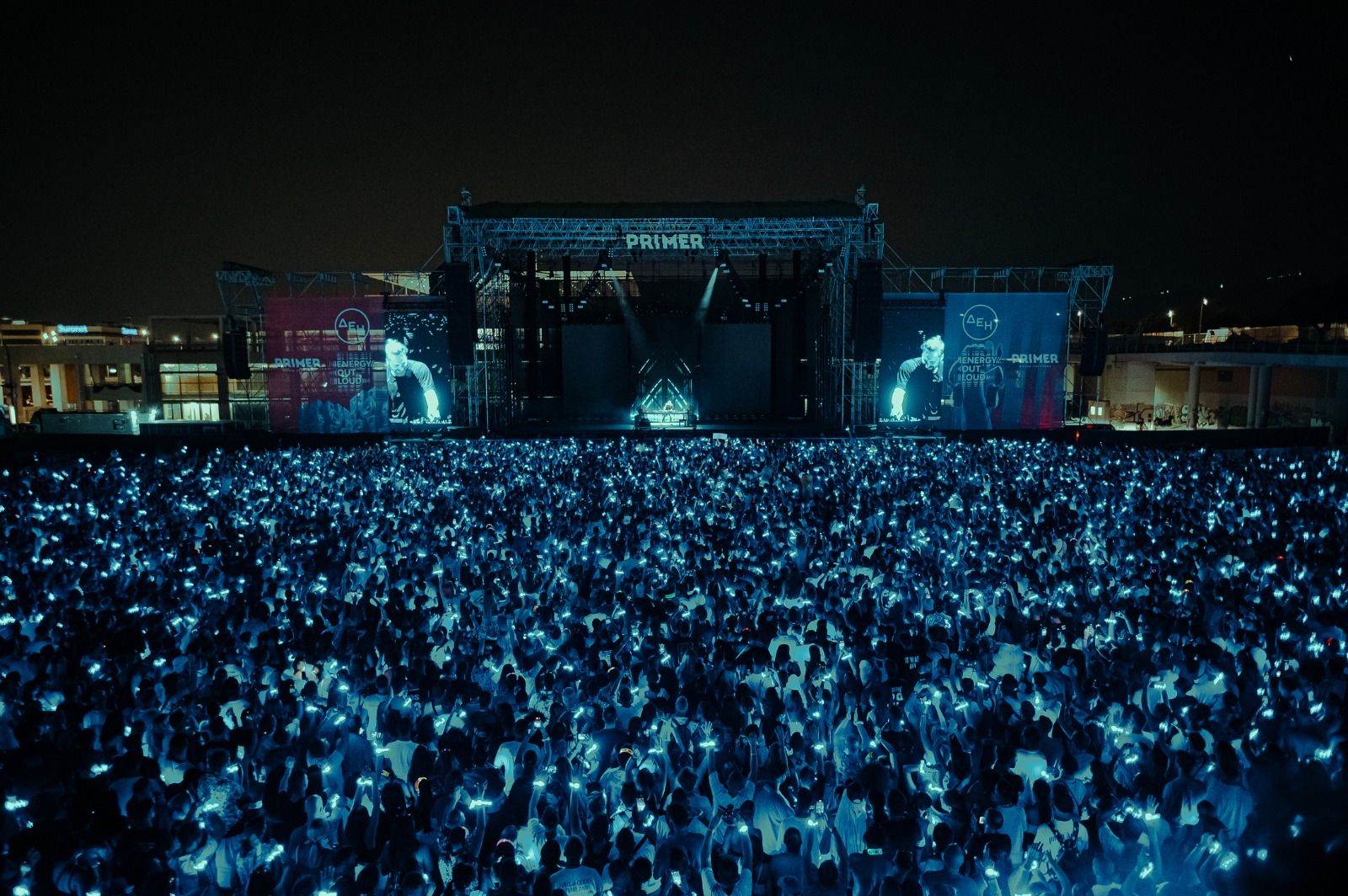
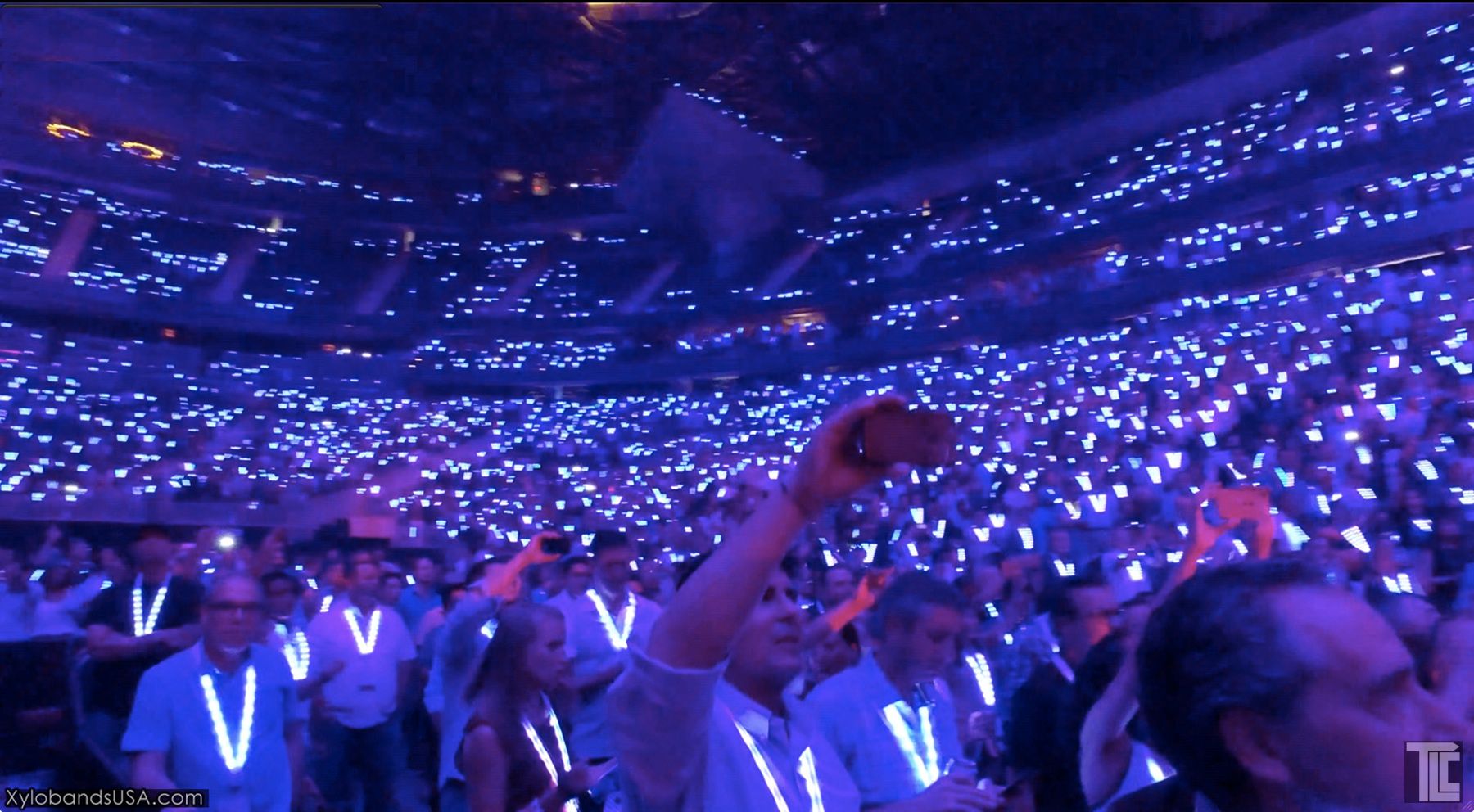
In a broadcast environment, the audience is more than just a collection of spectators; they are a vital part of the set. They provide the energy, the reaction shots, and the sense of scale that makes a live event feel, well, live. By integrating wearable LED technology into the crowd, we transform a passive audience into a dynamic, living canvas of light. Suddenly, the crowd is not just watching the show; they are the show.
“For a broadcast director, a crowd illuminated with synchronized light is a gift. It provides a vibrant, animated backdrop that adds immense production value and visual depth, turning wide shots into breathtaking visual moments.”
This approach was central to our collaboration with ITV. On a show like Beat The Chasers, the studio audience is small but essential. Using our Xylobands, the production team could instantly change the color and energy of the entire room to match the on-screen action—building tension during a timed chase or celebrating a contestant’s win with a pulse of triumphant light. These cues become part of the show’s visual language, enhancing the storytelling for both the studio audience and the viewers at home.
Beyond the Studio: The Global Broadcast
This philosophy extends far beyond the television studio. We’ve brought this broadcast-first mindset to massive global events, from the Formula One 75th Anniversary celebration to Maluma’s historic hometown concert in Medellín, which was streamed live to over 240 countries. In these large-scale productions, the crowd becomes a colossal pixel-mapped display, creating graphic patterns and waves of color that are simply spectacular on camera.
For the live viewer, the feeling is one of immersion and connection. For the broadcast viewer, the effect is a stunning visual spectacle that captures the immense scale and energy of the event. It solves the two-audience problem by creating a unified experience, where the immersive event technology serves both the live and broadcast perspectives perfectly.
The Future of Broadcast Experiences
As broadcast and streaming technology continues to evolve into 4K, 8K, and HDR formats, the demand for high-quality, camera-friendly lighting will only grow. The line between a live event and a broadcast production has blurred. Today, every concert, festival, and corporate keynote has the potential to be a global broadcast, and must be designed accordingly.
The challenge is not just technical; it is creative. It requires a new way of thinking about the role of the audience and the potential of light to bridge the gap between the physical and the digital. By engineering tools that are both creatively inspiring and technically flawless, we empower producers to create truly immersive events that feel just as magical through the lens as they do from the front row.