The Unblinking Eye: Lighting the Live Broadcast for Two Worlds
The Duality of Light: In-Venue vs. On-Screen
Every live production is a tale of two audiences. The first is tangible, a sea of faces in an arena, a festival field, or a studio, feeling the bass in their chests and the energy of the crowd as a physical force. The second is remote, watching through the filtered reality of a screen, their experience mediated entirely by the lens of a camera. For decades, lighting designers and event producers have wrestled with a fundamental challenge: how to create a spectacle that serves both masters simultaneously.
The human eye is a forgiving instrument. It adapts to rapid changes in brightness, fills in gaps, and perceives a deep, atmospheric light show as a singular, visceral experience. The camera sensor, however, is an unforgiving critic. It demands technical precision. It sees the subtle flicker in a low-quality LED that the eye might miss. It registers color temperature with cold, hard data, turning a warm, inviting glow into a sickly yellow on screen. A strobe effect that electrifies a stadium can translate into ugly, distracting banding for the broadcast viewer. The very techniques used to generate raw, in-person energy can actively sabotage the multi-million-dollar production being beamed to the world.
The Camera is the Real Client
In the modern media landscape, the distinction between a live event and a broadcast event has all but vanished. From global sporting championships like the Formula One 75th Anniversary show to landmark concerts like Maluma’s hometown spectacle in Medellín—streamed live to over 240 countries—the broadcast audience often dwarfs the physical one. This reality forces a critical shift in perspective: the camera is no longer just capturing the event; it is the primary client for the visual experience.
This is a world we understand intimately. Working on high-stakes broadcast productions for clients like ITV, the BBC, and on globally syndicated formats like The Masked Singer and Beat The Chasers has taught us that lighting for the lens requires a unique discipline. It’s an engineering challenge as much as an artistic one. Every pulse of light, every color transition, every orchestrated moment of darkness must be executed with the camera sensor in mind.
For the broadcast, the audience is not just a collection of spectators; they are the living, breathing backdrop for the entire show. They are the canvas.
Painting with People: The Audience as a Broadcast Canvas
How, then, do you create moments of immersive, crowd-wide participation that look as good on a 4K television as they feel in the back row of an arena? The answer is to transform the audience itself into an extension of the lighting rig. This is the core philosophy behind Xylobands and the world of Immersive Event Technology.
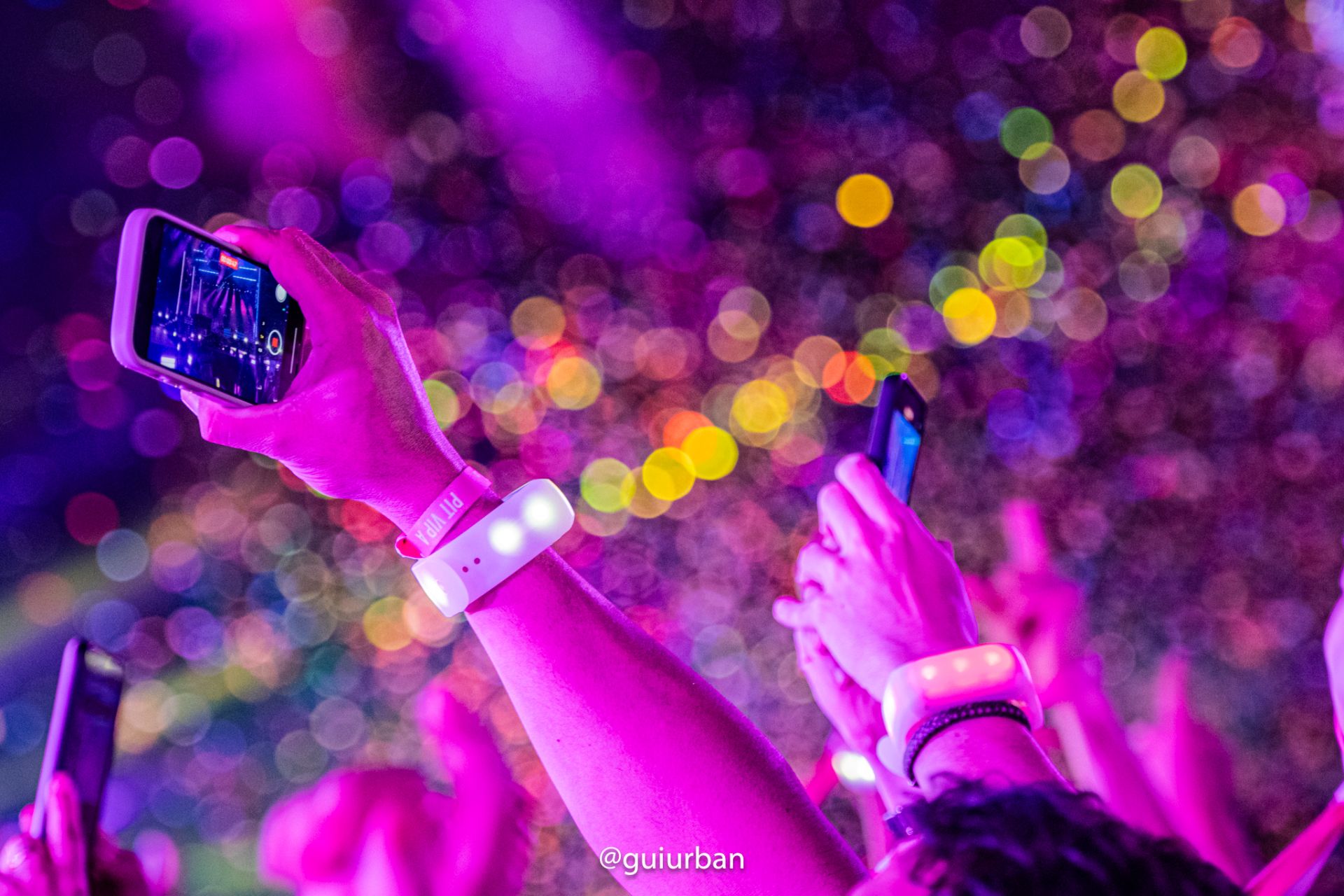
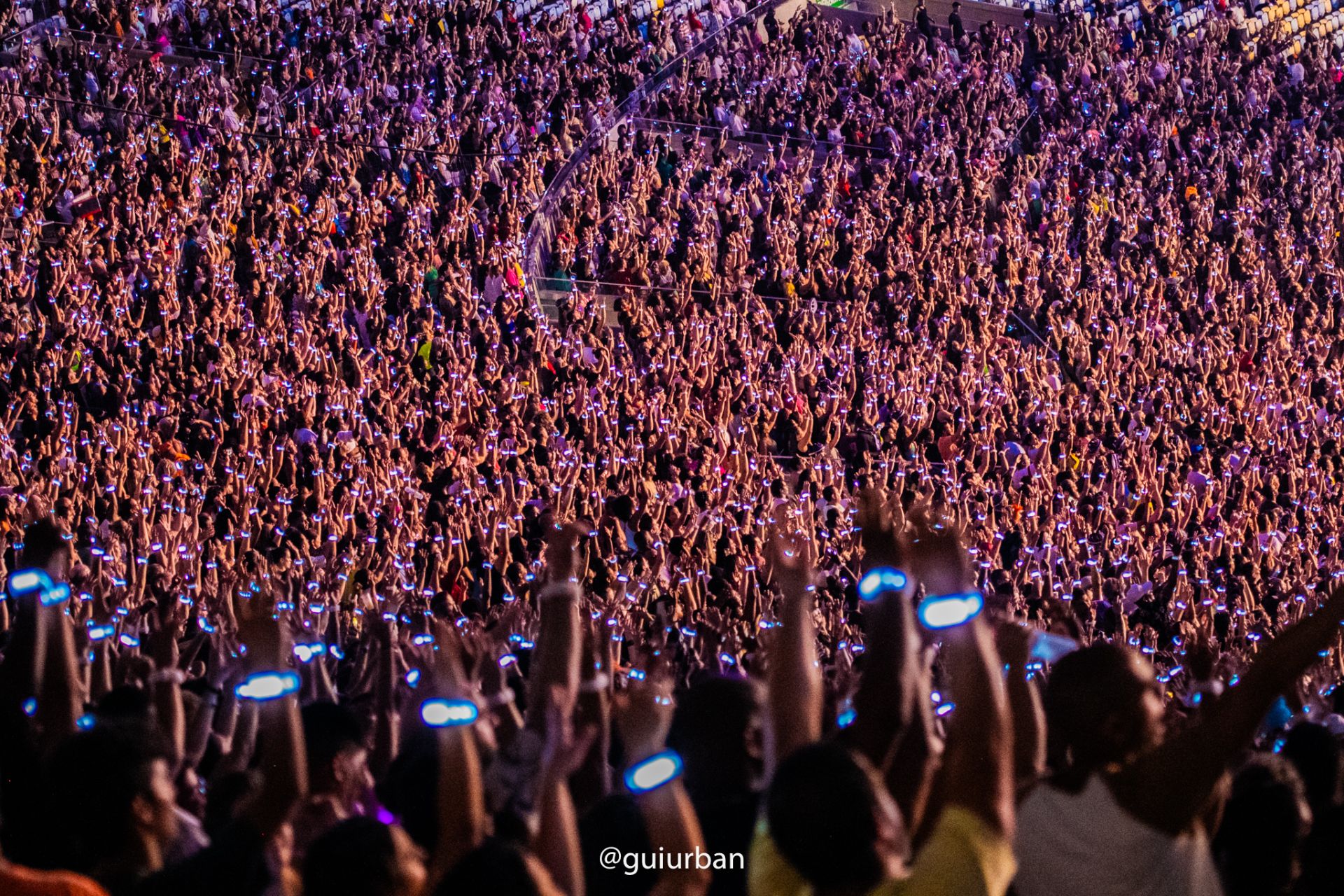
By making attendees part of a synchronized light show with Radio Controlled LED Wristbands, LED Lanyards, or other wearable LED technology, you are no longer just lighting a static venue. You are painting with people. You are creating a dynamic, pixel-mapped canvas of light that moves, breathes, and reacts in perfect time with the performance. For a broadcast director, this is a creative gift. Sweeping crane shots are no longer a journey over a dark, anonymous mass. They become a glide over a dazzling, intelligent field of light, providing visual texture and scale that stage lighting alone can never achieve.
Whether it’s turning the entire O2 Arena into a celebration of F1’s history or creating pulsing, segmented color blocks for a TV game show, these LED Crowd Experiences are designed to be camera-friendly from the ground up.
Engineered for the Lens
This visual alchemy is built on a foundation of technical rigor. Event producers and broadcast engineers live in fear of flicker, the subtle strobing effect caused by LED lights not being synchronized with camera frame rates. Our systems are specifically engineered to be flicker-free at all standard broadcast frame rates, ensuring a clean, stable image under the intense scrutiny of high-definition cameras.
Our programmable LED Bands offer a vast and nuanced color palette, allowing lighting designers to match the precise visual identity of a broadcast. The control systems—whether via RF for stadium-scale events or DMX for perfect integration with a studio lighting desk—provide the precision needed to design for the screen. As demonstrated at the Formula One 75 event, our team can pre-position custom pendants based on seating charts to create deliberate, camera-perfect effects that align with the show’s creative direction.
A Singular, Shared Spectacle
The ultimate goal of any great live event is to create a moment of unity, of shared experience. In the broadcast age, that "moment" must be shared by the person in the front row and the viewer on their sofa thousands of miles away. It requires a new language of light, one that speaks to both the human heart and the camera’s unblinking eye.
By turning the crowd into a canvas, Immersive Events create a powerful visual bridge between these two worlds. The energy of the live audience is no longer just heard; it’s seen. It becomes a key visual ingredient, translating the roar of the stadium into a synchronized, pulsating spectacle. The result is a more dramatic, more engaging, and more memorable experience for everyone, proving that with the right technology, you don’t have to choose between lighting for the room and lighting for the world. You can create a singular, unified field of light.