Lighting the Lens: A Guide to Camera-Ready Broadcast Experiences
The Two-Audience Challenge
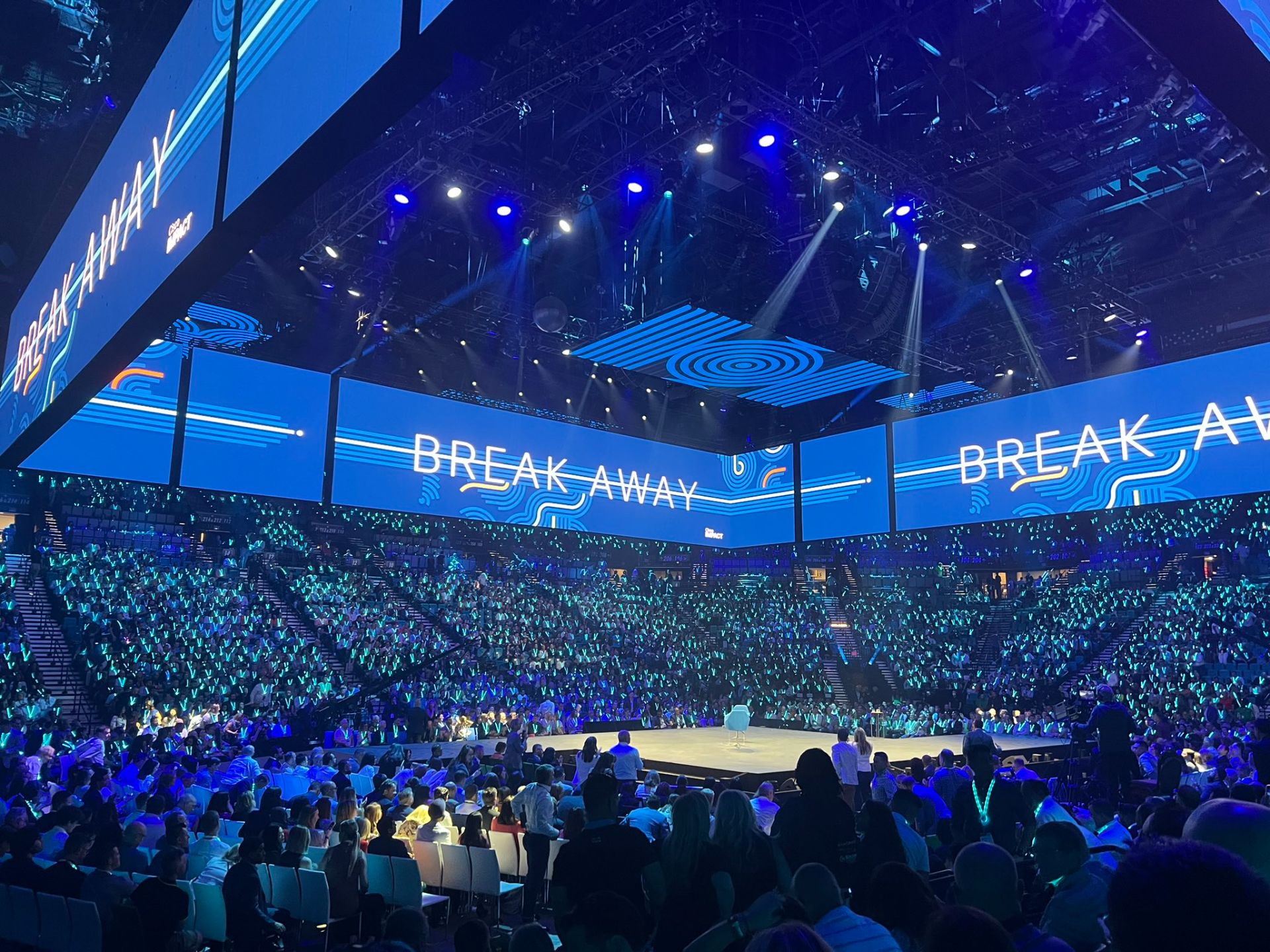
In the world of live television, from nail-biting game shows to global music events, producers face a complex dual reality. There is the immediate, palpable energy of the studio audience, and then there is the vast, unseen audience watching from screens across the world. These two groups experience the same event through fundamentally different mediums. Lighting, more than any other element, must bridge this gap. A spectacle that looks breathtaking in person can appear washed out, flickering, or chaotic on camera. Mastering the art of broadcast-friendly lighting is not just a technical necessity; it’s the key to satisfying both audiences simultaneously.
The core of the issue lies in the physics of light and the mechanics of a camera sensor versus the human eye. Our eyes have an incredible dynamic range, constantly adjusting to variations in brightness and color. A camera, however, is far less forgiving. It requires specific color temperatures, consistent brightness levels, and flicker-free sources to produce a clean, vibrant image. This is where a specialized approach to Immersive Event Technology becomes critical.
The Technical Nuances of Lighting for the Lens
When engineering light for a broadcast, several technical factors come into play. The most critical is the color rendering index (CRI), a measure of a light source's ability to faithfully reveal the colors of objects in comparison to a natural light source. For television, a high CRI is non-negotiable. It ensures that skin tones, costumes, and set designs appear natural and true-to-life on screen.
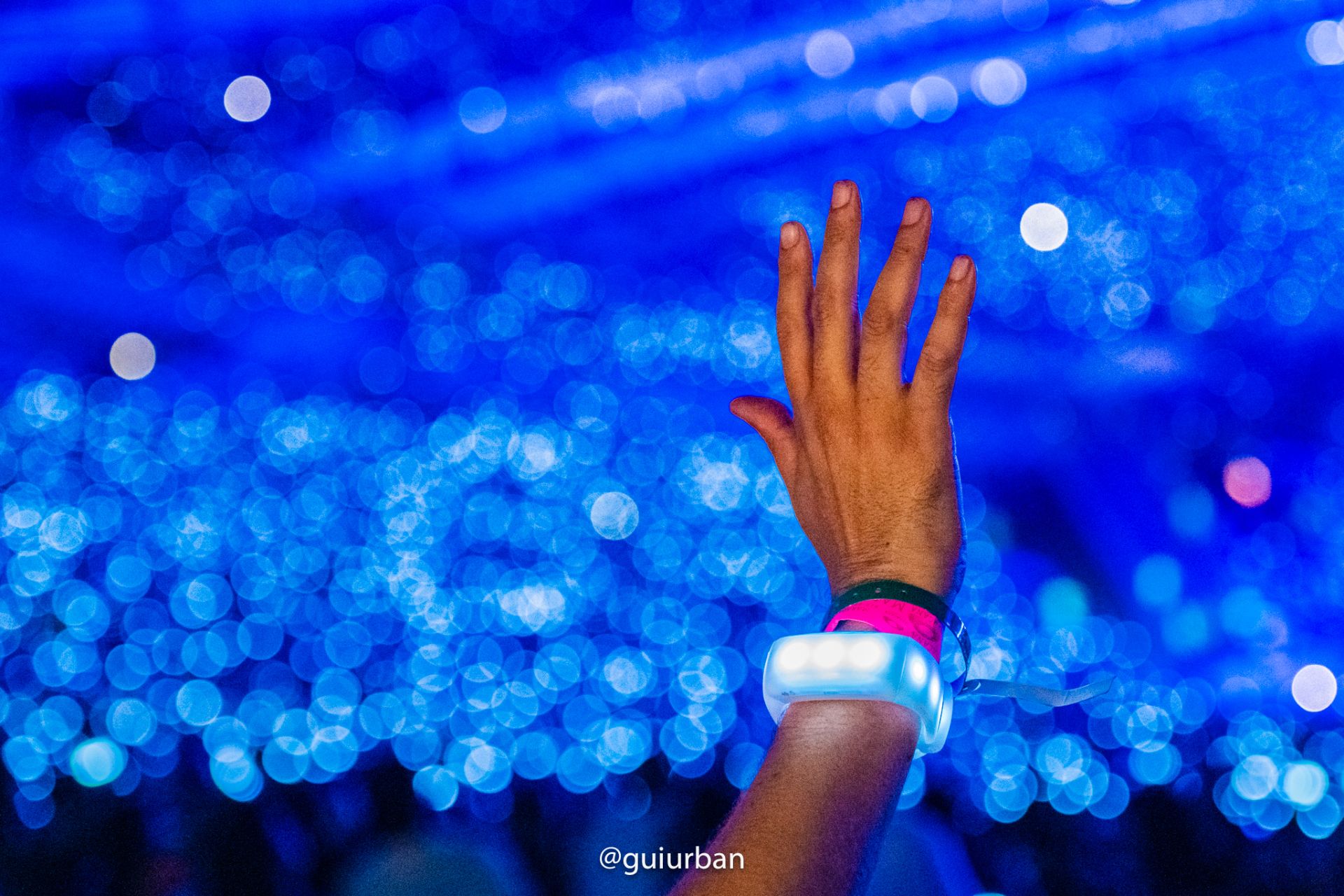
Flicker is another major consideration. Many LED sources, especially those of lower quality, have an almost imperceptible flicker that is invisible to the naked eye but can cause havoc for a camera sensor, resulting in distracting banding or strobing effects on the broadcast feed. Professional-grade LED Event Technology, like that used by Xylobands, is engineered to be flicker-free at any frame rate, a crucial requirement for any high-stakes live TV production.
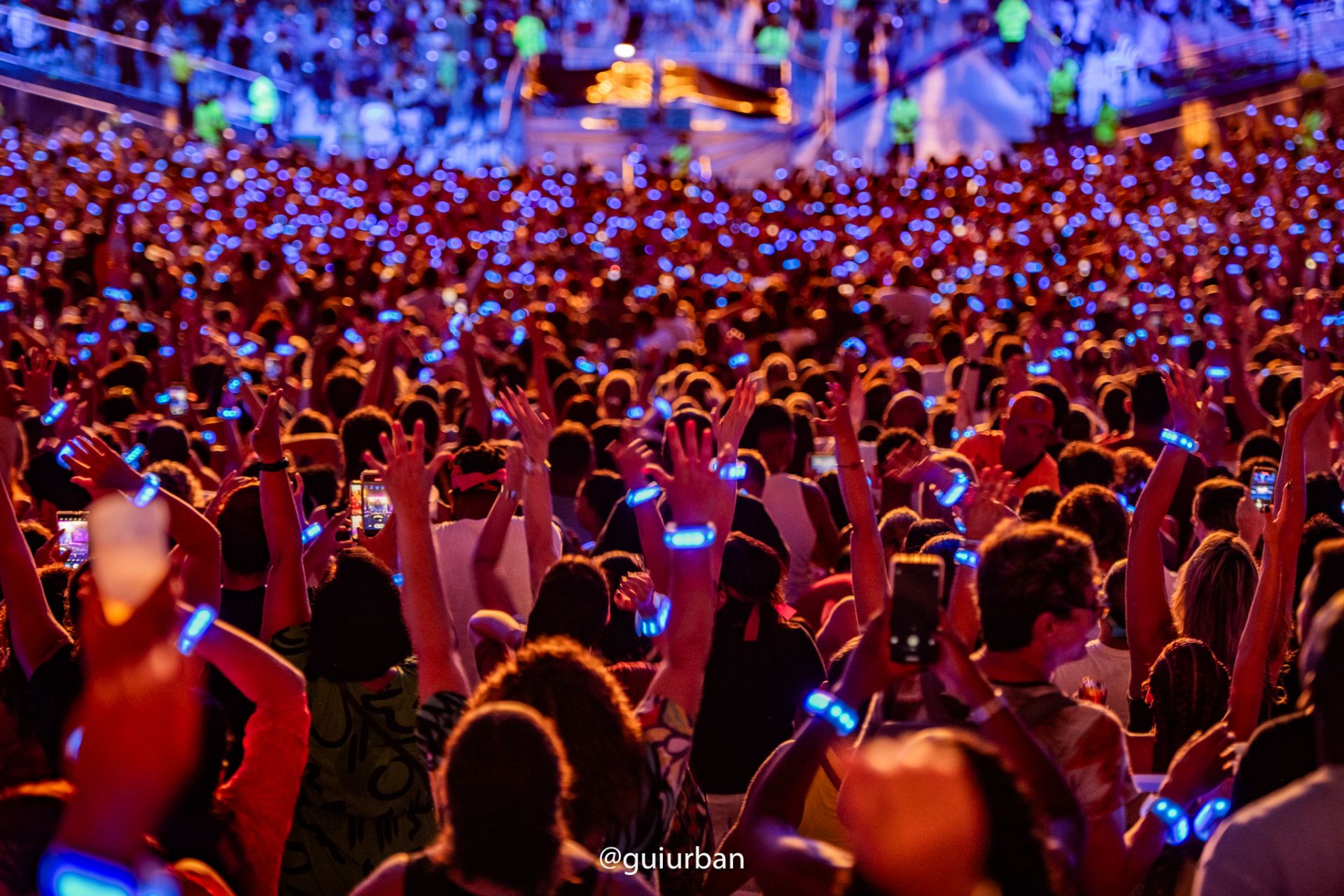
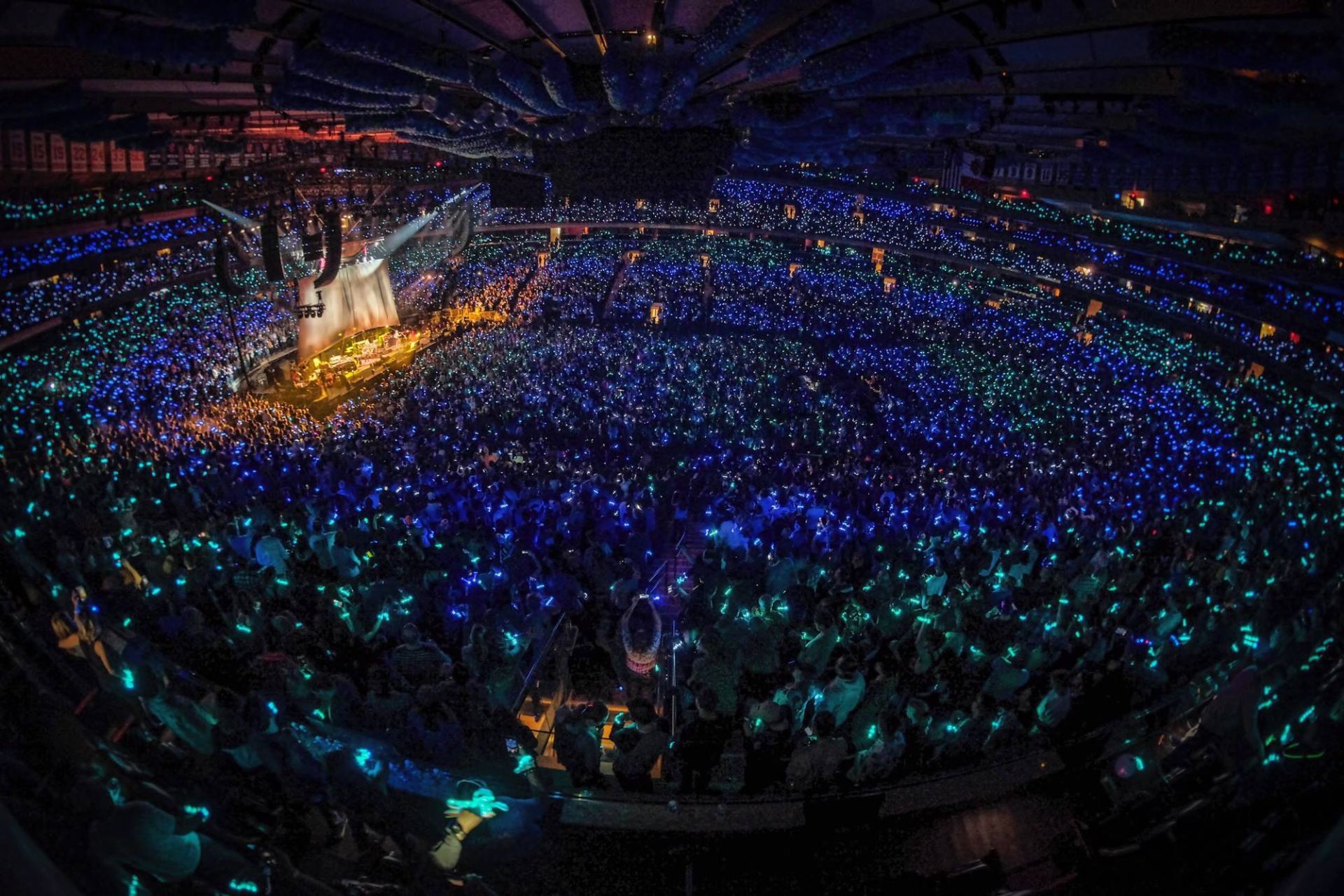
This technical precision is why leading broadcasters and production companies, including ITV for shows like "Beat The Chasers," partner with specialists in controlled lighting. When every person in the studio audience is wearing a Radio Controlled LED Wristband, the lighting designer gains thousands of mobile, programmable light sources. This allows for the creation of stunning visual backdrops and dynamic, camera-friendly effects that complement the main stage lighting, turning the audience from a passive observer into an active part of the set.
Creative Strategies for a Unified Experience
Solving the two-audience problem isn’t just about technical compliance; it’s a creative opportunity. When you can control the light on the audience with the same precision as the light on the stage, you can design a truly cohesive visual narrative.
"The camera follows the light. When you make the audience part of the light show, you naturally make them part of the broadcast."
This philosophy has guided the expansion of LED Crowd Experiences from arenas to television studios. It’s no longer just about illuminating the performers. It’s about creating an environment that feels as immersive on a 6-inch phone screen as it does from the front row. By using Wearable LED Technology, producers can:
- Create Visual Cues: Program specific sections of the audience to light up, guiding the camera and the home viewer’s attention to key moments of the action.
- Build Immersive Atmospheres: Extend the color palette and design language of the set directly into the crowd, creating a 360-degree visual environment that fills the entire frame.
- Magnify Emotional Peaks: Synchronize intense flashes or color changes with dramatic reveals, winning moments, or musical crescendos, amplifying the emotional impact for both the live and broadcast audience.
From Stadiums to Studios: A Universal Language
The principles of engaging a broadcast audience are scalable. Whether it's a 500-person studio for a show like "Beat The Chasers UK" or a global sporting event like the Davis Cup, the goal is the same: create a unified, visually stunning experience. The technology that powers Coldplay Xylobands on a world tour is the very same that can transform a television studio into a dynamic, living set piece.
For Maluma's landmark 2022 concert in Medellín, which was streamed live to over 240 countries, Xylobands were essential in translating the energy of the 54,000-strong crowd to the global broadcast audience. The synchronized lights created a visual spectacle that was as compelling on screen as it was in the stadium, ensuring the home viewer felt a part of the historic event. Similarly, custom LED Lanyards and pendants, as seen at the Formula One 75th anniversary event, demonstrate how branded wearables can integrate seamlessly into a live broadcast, offering new avenues for Corporate Event Activations while enhancing the visual texture of the show.
Ultimately, the key to successful broadcast lighting is to stop thinking about two separate audiences and start designing for a single, unified experience. By integrating smart, camera-friendly LED wearables into the crowd, producers and lighting designers can craft a narrative that is powerful, cohesive, and unforgettable—no matter which side of the lens you’re on.