The Two-Audience Problem: Mastering Light for the Lens and the Live Spectacle
The Unseen Audience: Engineering Light for Two Worlds at Once
In the world of live event production, there exists a fundamental challenge that elevates the complexity of any show: the two-audience problem. On one hand, you have the thousands of people in the room—the breathing, cheering, kinetic energy of the live crowd. Their experience is visceral, immediate, and architectural. On the other, you have the millions watching at home, their experience mediated entirely by the lens of a camera. These two audiences, though witnessing the same event, see it in fundamentally different ways. Engineering an experience that is spectacular for both is one of the highest arts in modern production.
The core of the issue lies in the physics of light and perception. A lighting effect that feels atmospheric and immersive in a vast arena can appear as a chaotic, flickering mess on a television screen. Conversely, a design that is perfectly calibrated for a 4K broadcast sensor can feel sterile or underwhelming to the naked eye. It’s a delicate balancing act, a technical and creative tightrope walk that demands precision, foresight, and a deep understanding of both human and electronic optics.
Calibrating for the Camera: The Science of Broadcast-Ready Light
When a live event is broadcast, the camera becomes the arbiter of reality. Every lighting cue, every color shift, and every pulse of energy is filtered through its sensor. This introduces a host of technical considerations that are simply not a factor for a purely live show.
Key among these is the management of dynamic range. The human eye can perceive a vast range of brightness and darkness simultaneously, but a camera’s sensor is far more limited. A brilliant flash of light that might thrill a stadium crowd can cause a broadcast camera to ‘clip,’ blowing out the highlights and losing all detail. Conversely, subtle, low-light moments that create a sense of intimacy in person can be lost entirely, turning into a muddy, noisy picture for the viewer at home. This is where the meticulous calibration of intensity and color temperature becomes paramount. You are not just lighting people; you are painting with foot-candles and Kelvin values for a digital canvas.
This challenge is one we have navigated for years with major broadcast partners like ITV. Working on large-scale productions such as 'Beat The Chasers' or major sporting events, the goal is to create a vibrant, engaging atmosphere for the studio audience that also translates into a crisp, visually stunning television product. It involves a constant dialogue between the lighting director, the broadcast director, and the technology itself, ensuring every lighting state is mapped to the camera’s specific capabilities.
“For a broadcast, the audience isn’t just part of the show; they are part of the set. Their collective reaction, their energy, becomes a visual element. Lighting them correctly is as important as lighting the main stage.”
The Audience as Canvas: From Passive Viewers to Active Participants
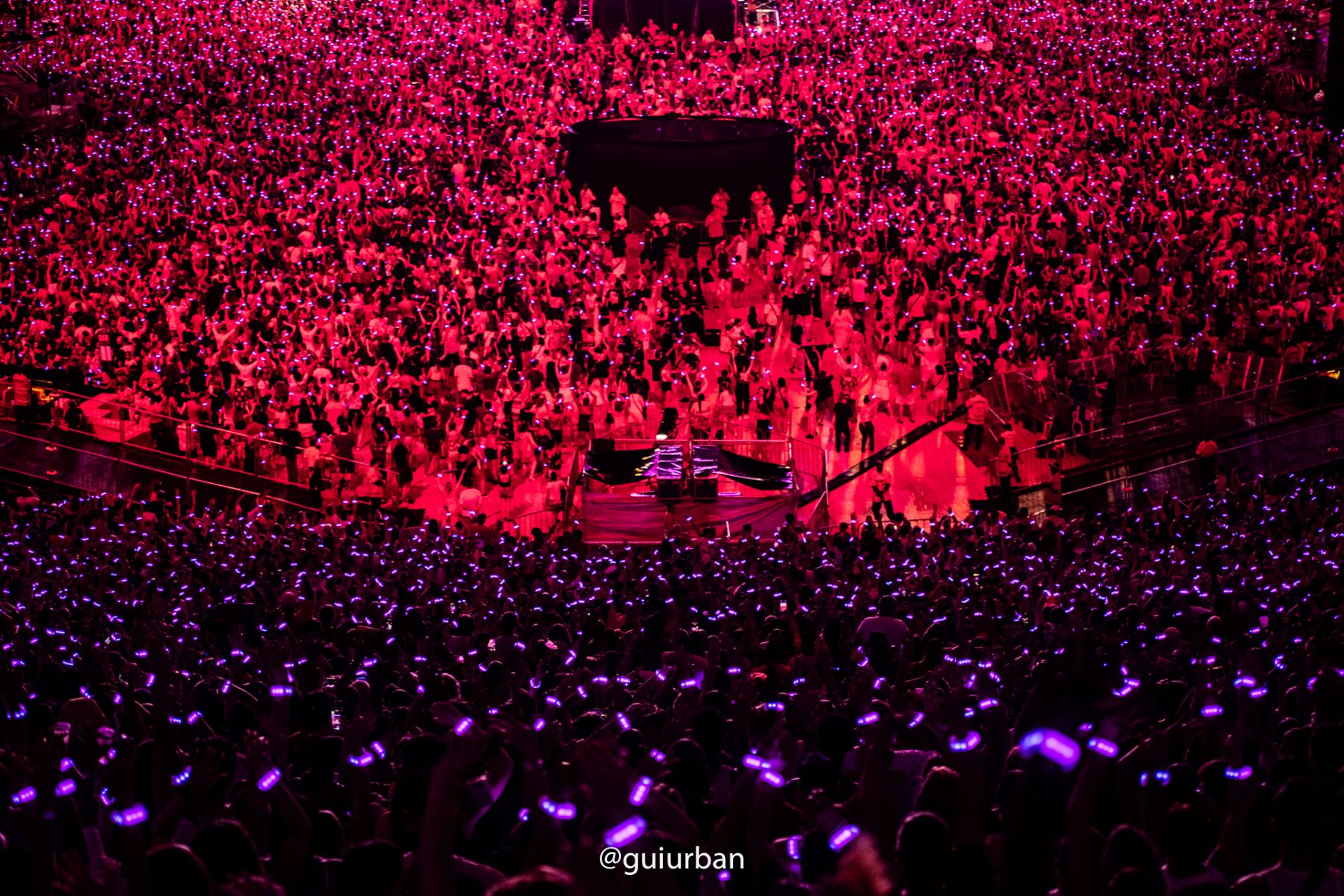
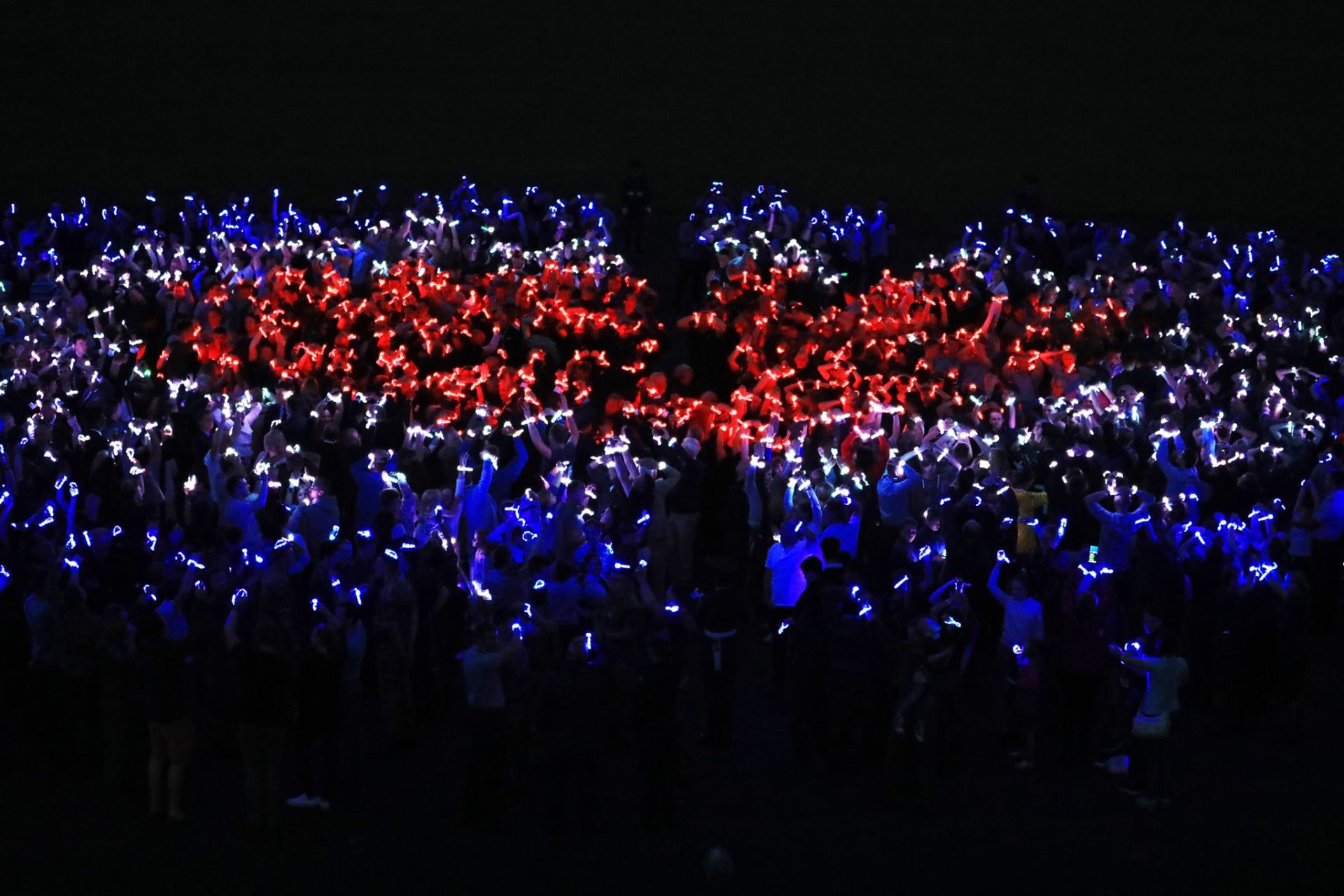
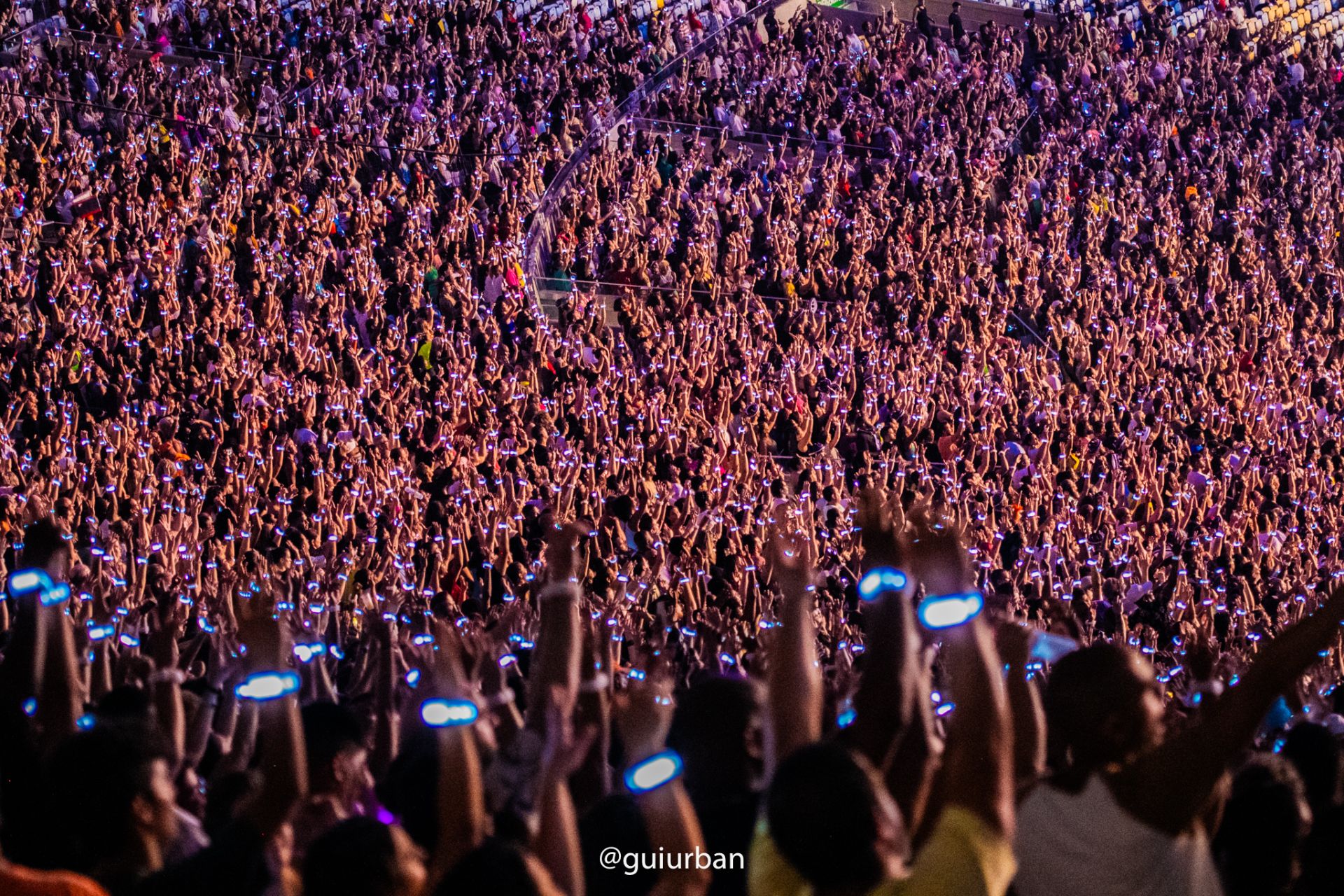
This is where Wearable LED Technology transforms the dynamic. By making the audience themselves the source of light, you solve a critical piece of the two-audience puzzle. Systems of Radio Controlled LED Wristbands turn every crowd member into a pixel in a vast, moving image. For the live audience, the effect is profoundly immersive; they are no longer just watching the show but are an integral part of its visual fabric. For the broadcast audience, the effect is equally stunning. The technology provides a controllable, camera-friendly source of light that is inherently dynamic and visually interesting.
Instead of pointing static lights at a passive crowd, the light emanates from within it. This allows for the creation of large-scale, choreographed moments that are perfectly synchronized to the music or action. Consider the Maluma concert in Medellín, streamed live to over 240 countries. With 54,000 fans, each wearing a Xyloband, the stadium was transformed into a canvas. These are the kind of LED Crowd Experiences that translate powerfully to the screen, providing directors with breathtaking wide shots that capture the scale and energy of the event in a way that traditional lighting simply cannot.
Key Considerations for Broadcast-Ready Immersive Tech:
- Flicker-Free Operation: Ensuring the LED refresh rate is high enough to be invisible to broadcast cameras is non-negotiable.
- Color Consistency: The technology must be able to reproduce precise, consistent colors across tens of thousands of individual units to create coherent visual effects.
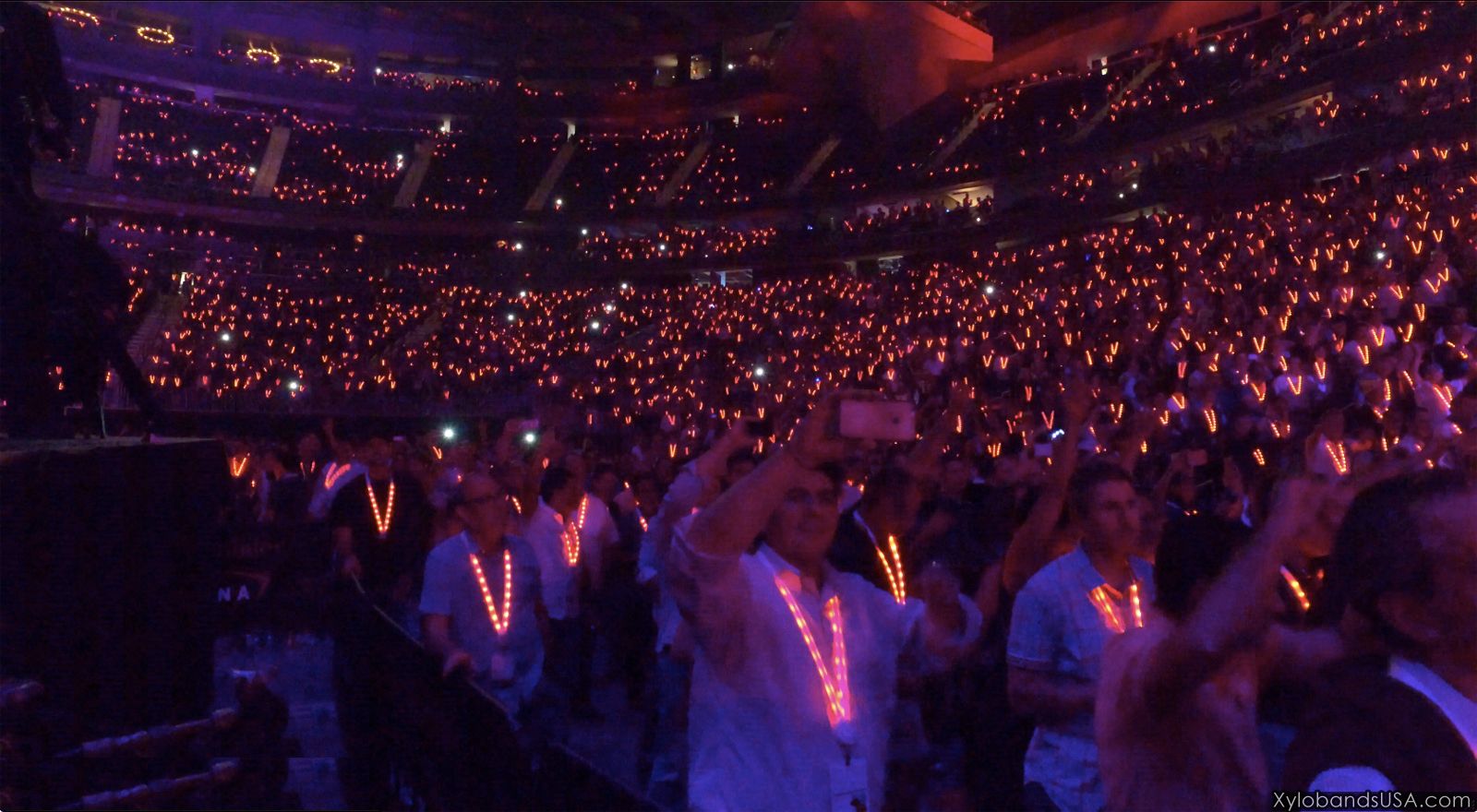
- Control and Zoning: The ability to segment the audience into different groups and control them independently is crucial for creating complex, camera-ready choreography. This was central to the F1 75th anniversary event, where custom LED Lanyards were zoned by team and hospitality level to create targeted visual moments.
The Best of Both Worlds: Unifying the Live and Digital Experience
Ultimately, solving the two-audience problem isn’t about choosing one over the other. It’s about creating a unified visual language that speaks to both. It’s about understanding that the energy of the live crowd is a powerful tool for the broadcast, and the reach of the broadcast gives the live event a global stage. The goal is to create a spectacle so compelling that the viewer at home feels the energy of the room, and the person in the room feels like they are part of a historic, globally significant moment.
From large-scale Corporate Event Activations to iconic festival moments like those at Glastonbury or PRIMER Music Festival, the principle remains the same. Technology like Xylobands serves as a bridge between the live and broadcast worlds. It turns the crowd into a sentient, responsive canvas, creating a shared experience that is both intimately personal and spectacularly visual. It allows us to engineer light not just for a space, but for the lens, ensuring that whether you are in the front row or on your sofa a thousand miles away, you are seeing the show at its absolute best.