The Global Stage: Mastering Logistics for International Tours
The Global Stage: Mastering Logistics for International Tours
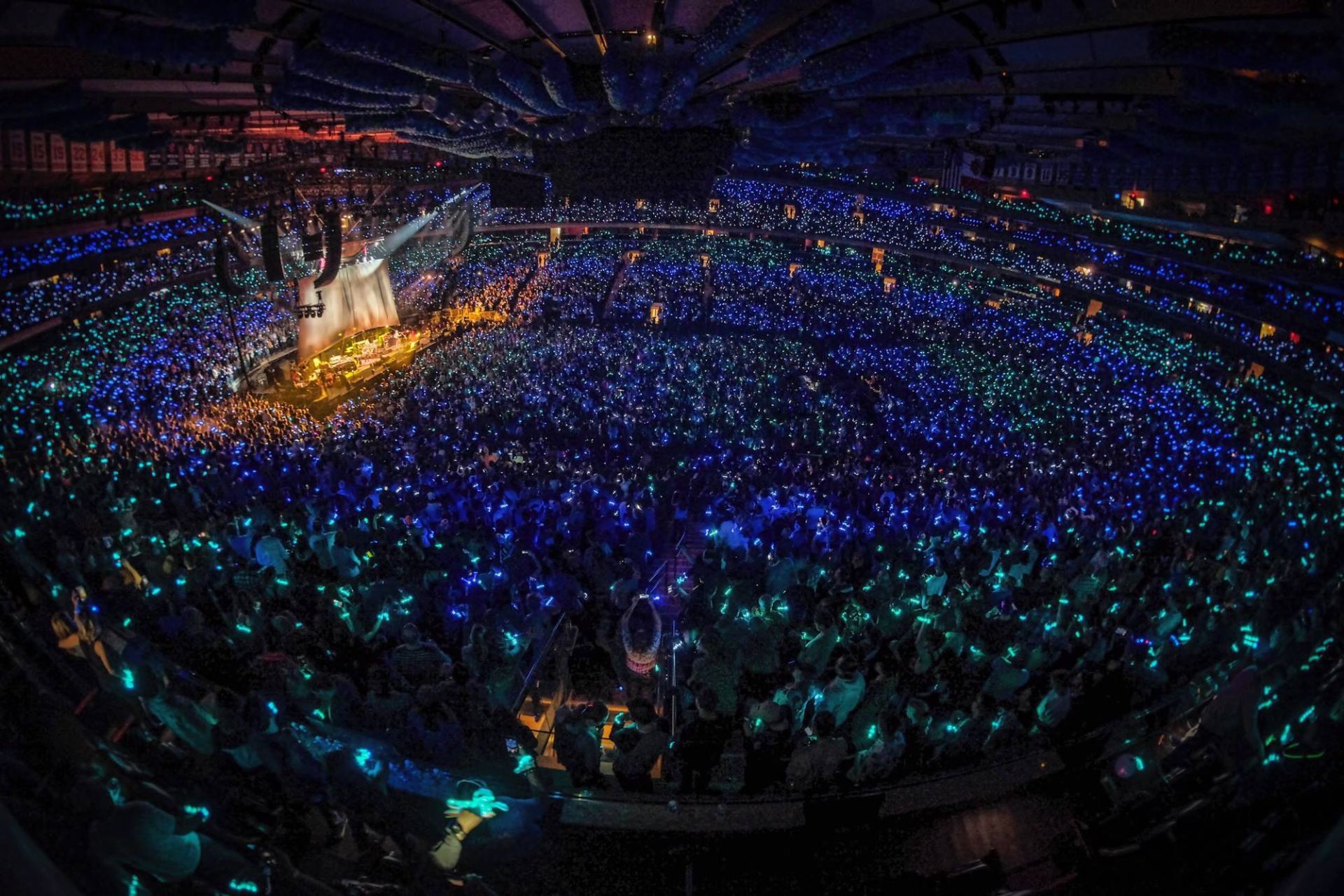
The final chord of a stadium anthem rings out, and 80,000 wrists light up in a single, synchronized wave of color. For the audience, it’s a moment of pure magic, a memory seared into their collective consciousness. For the teams behind the scenes, it’s the culmination of a months-long, cross-continental ballet of logistics, a precisely orchestrated operation that moved a mountain of technology across borders, through customs, and onto the stage. The roar of the crowd is the payoff, but the journey begins months earlier, in the quiet, methodical world of international freight and logistics.
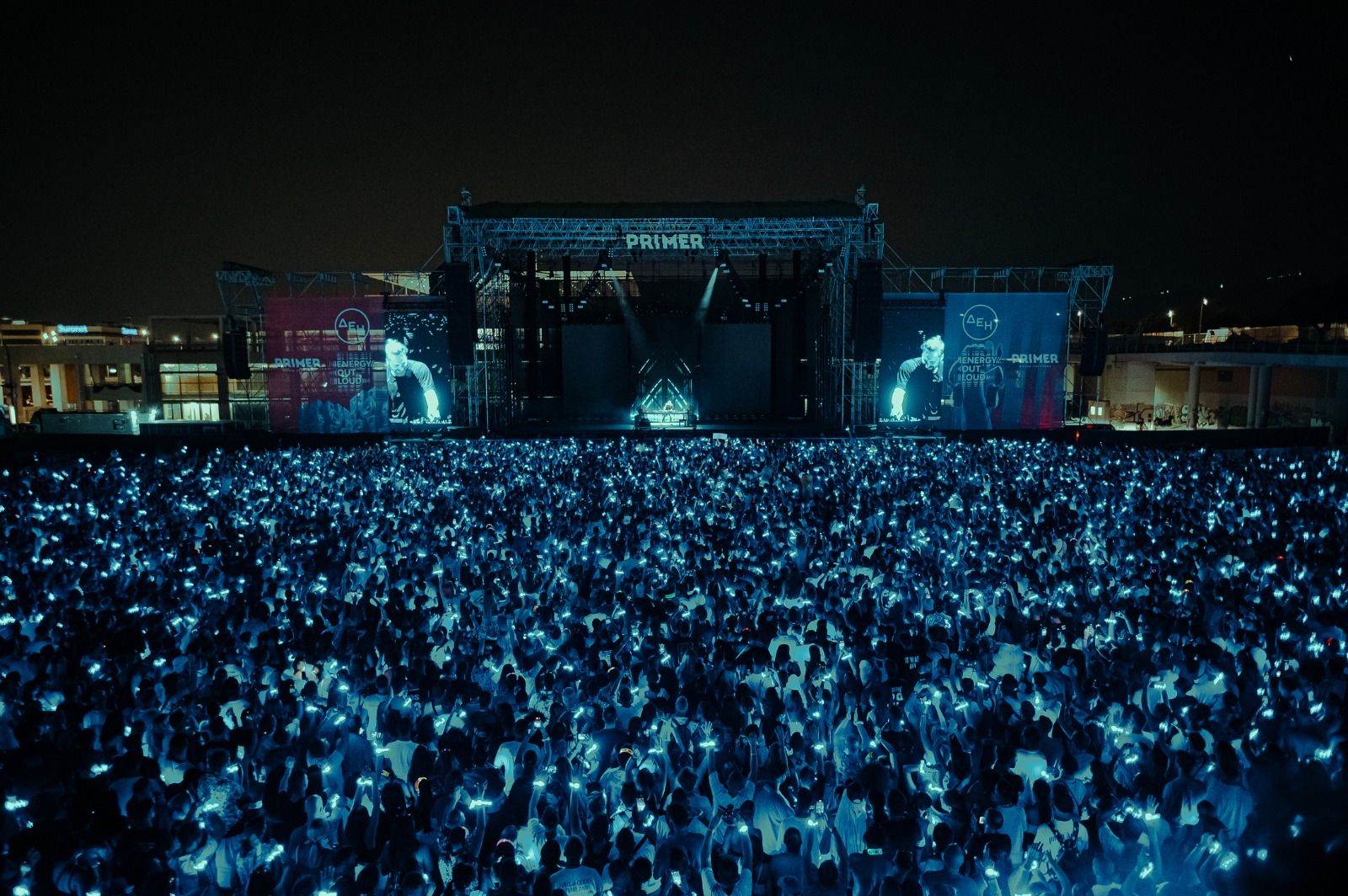
For any global tour, festival, or major brand activation, the movement of equipment is as critical as the creative vision itself. At Xylobands, we’ve spent over a decade navigating this complex terrain, deploying more than ten million pieces of wearable LED technology to over 70 countries. From lighting up festival fields in Greece for Primer Music Festival to supporting brand activations for global names like Formula One and Audi, we’ve built a deep body of knowledge around what it takes to deliver on time, every time, anywhere in the world.
The Unseen Science of Global Freight
Touring on a global scale is a testament to human ingenuity. It involves moving everything from intricate sound desks and stage sets to specialized equipment like our own radio-controlled LED wristbands. The choice between sea and air freight is one of the first and most critical decisions a production manager makes.
Sea Freight: The workhorse of global logistics, sea freight is the go-to for its cost-effectiveness, especially for large, non-urgent shipments. Planning a multi-leg stadium tour? The bulk of the staging, barriers, and non-critical infrastructure often travels by sea, planned months in advance to align with the tour schedule. It’s a game of long-term strategy, requiring meticulous inventory management and a deep understanding of global shipping lanes.
Air Freight: When time is the most valuable commodity, air freight is the only answer. This is the domain of high-value, time-sensitive technology. For a show like Maluma’s historic concert in Medellín, which was broadcast live to over 240 countries, ensuring that every piece of tech, including the thousands of Xylobands that made the crowd a part of the spectacle, arrived ready for the broadcast window was non-negotiable. Air freight provides the speed and reliability necessary for these high-stakes, just-in-time scenarios, making it indispensable for delivering cutting-edge immersive event technology.
For a global production, your logistics partner is as crucial as your lighting designer. One cannot function without the other. The flow of goods is the lifeblood of the show.
Navigating the Customs Labyrinth
Getting your equipment onto a plane or a ship is only the first step. Getting it off and into the venue is another challenge entirely. Every country has its own unique set of customs regulations, tariffs, and import duties. A misplaced document or an incorrect classification can lead to costly delays, with sensitive equipment held in a bonded warehouse while the clock ticks down to showtime.
This is where the ATA Carnet becomes a tour manager’s most trusted document. Often referred to as a "passport for goods," the Carnet is an international customs document that permits the temporary, tax-free, and duty-free importation of goods for up to one year. It simplifies the customs process by providing a single, unified document that is accepted in over 80 countries. For a touring production carrying millions of dollars’ worth of equipment, the Carnet system is not just a convenience; it’s the essential framework that makes a global tour financially and logistically viable.
Successfully managing a Carnet involves:
- Meticulous Accuracy: Every item must be listed with a precise description, weight, value, and country of origin. A discrepancy can invalidate the entire document.
- Strategic Planning: Understanding which countries are part of the Carnet system and planning the tour route accordingly can save thousands in potential duties and bonds.
- On-the-Ground Expertise: Working with local customs brokers who understand the nuances of their specific ports and airports is invaluable. They are the ones who can troubleshoot in the local language and navigate the final, critical mile.
The Final Mile: From Dock to Dancefloor
The journey doesn’t end when the container is unloaded. The final-mile logistics—getting the equipment from the port or airport to the venue and into the hands of the crew—is a discipline in itself. This stage is about precision, security, and integration with the production schedule.
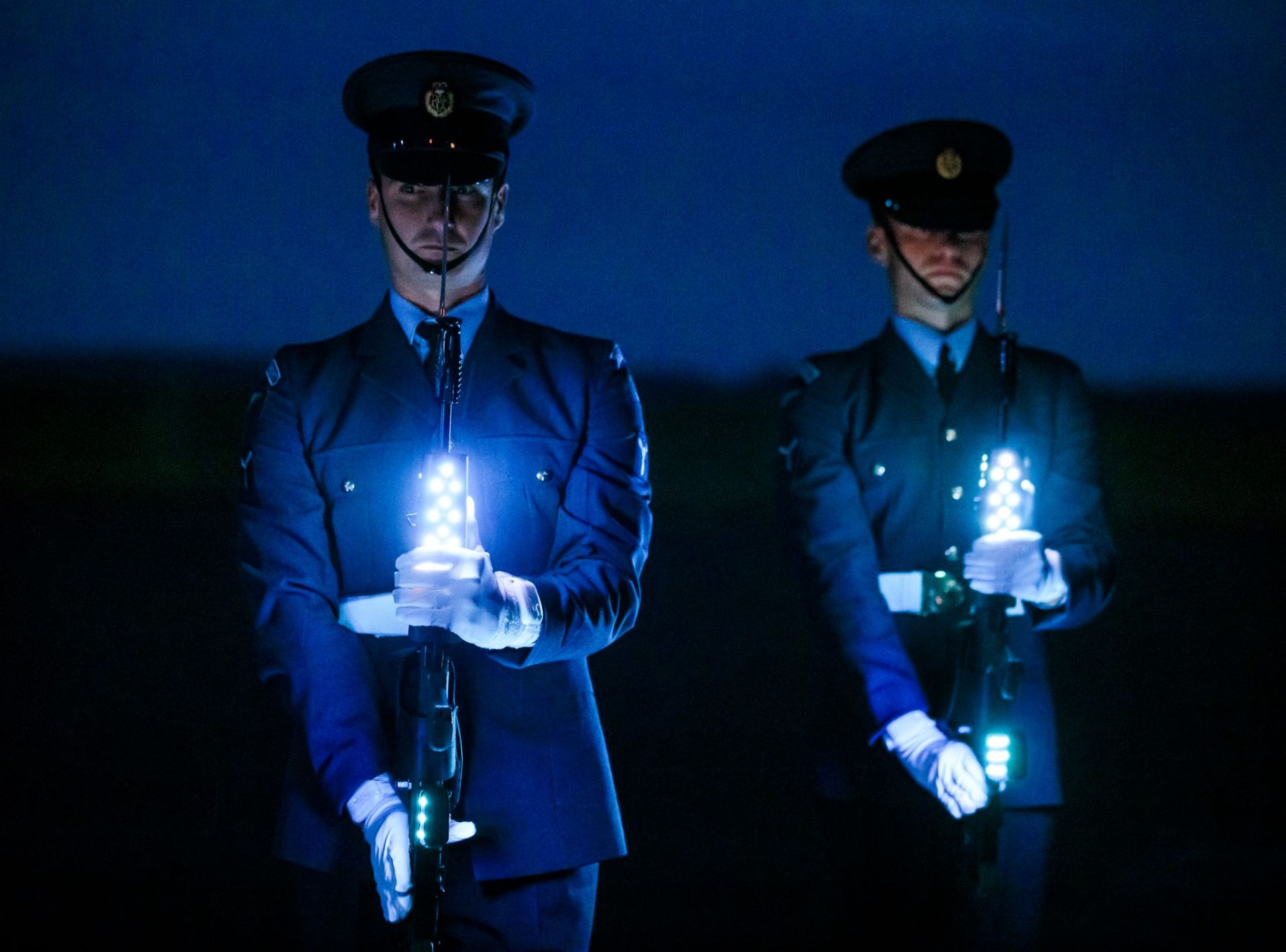
For an event like the Formula One 75th-anniversary show in London, our team didn’t just deliver 13,000 custom LED Lanyards; we executed a detailed distribution plan. Our Distro team positioned every Xylo Pendant around The O2 Arena based on specific creative cues, ensuring that when the lights went down, the dynamic effects flowed seamlessly through the audience. This level of coordination, where logistics and creative intent merge, transforms a collection of individual lights into a single, breathtaking canvas.
From Wizkid selling out three nights at the O2 to the global spectacle of the Davis Cup, the success of these large-scale immersive events hinges on this unseen, highly coordinated network. The audience experiences the magic, but producers, tour managers, and brand leaders know the truth: the most spectacular moments are built on a foundation of flawless, meticulously planned global logistics. The show, after all, must go on.