The Creative Spark: How Neurodiversity is Reshaping the Modern Events Industry
The Unseen Blueprint
In the world of live events, the most powerful moments are born from a single, audacious idea. A spark that redefines the relationship between artist and audience, sound and light, individual and collective. These ideas rarely emerge from conventional thinking. They are often the product of a mind that sees the world through a different lens—one that connects disparate concepts, visualizes complex systems, and perceives patterns invisible to others.
This is the world of the neurodivergent creator, the entrepreneur whose unique cognitive wiring becomes the blueprint for innovation. For too long, conditions like dyslexia have been framed by their challenges. But in the high-stakes, creatively demanding field of event production and technology, this different way of thinking is not a bug; it’s a feature. It’s a competitive advantage. It’s the source of the spark.
A Field of Light, A Moment of Revelation
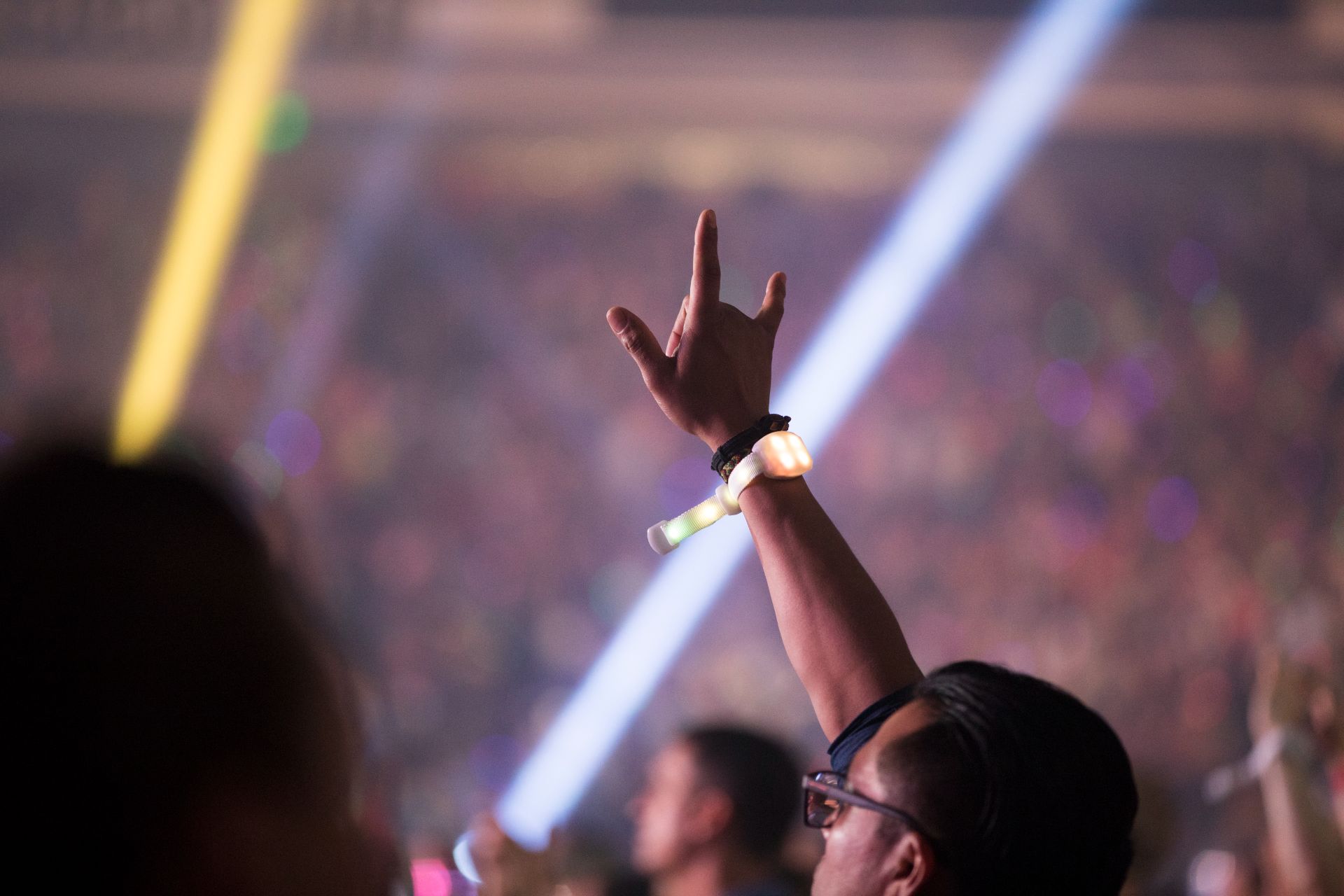
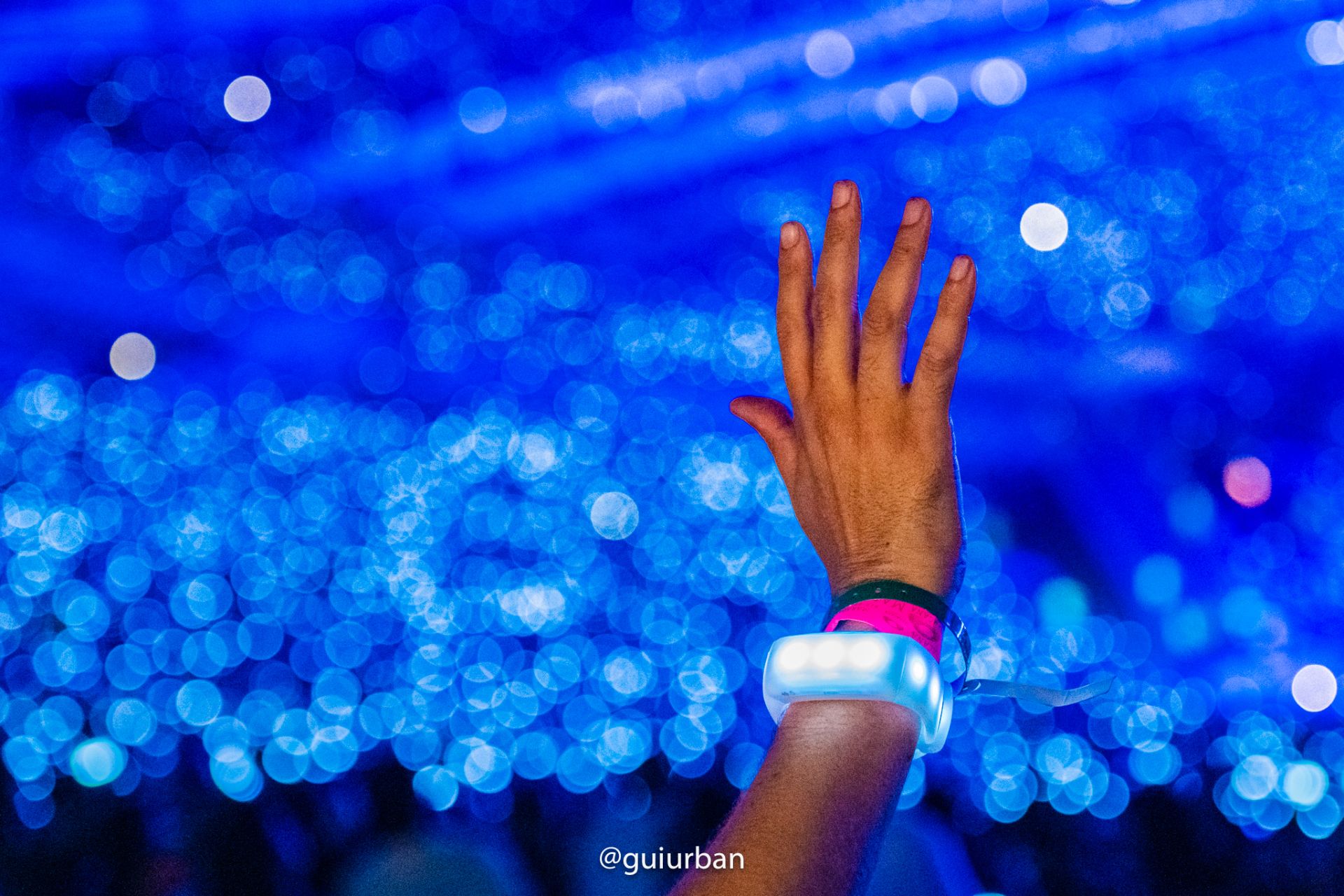
The story of Xylobands, the company that pioneered radio controlled LED wristbands, begins with exactly such a moment. It was 2005, and our founder, Jason Regler, was standing in a field at the Glastonbury Festival. Coldplay was on stage, and as the opening chords of “Fix You” filled the air, the iconic lyric—"Lights will guide you home"—resonated with him. But Jason, who is dyslexic, didn’t just hear the words. He saw them. He envisioned a sea of people, not just listening to the music, but becoming part of it. He saw the entire crowd transformed into a vast, synchronized canvas of light.
Where others saw a passive audience, he saw a potential instrument. This wasn’t just a fleeting thought; it was a fully-formed, three-dimensional concept. This ability to make startling connections and visualize complex, dynamic systems is a hallmark of dyslexic thinking. It’s a cognitive profile that excels at big-picture strategy, narrative thinking, and multi-sensory design. It’s the perfect mindset for architecting the future of immersive events.
The idea for what would become the Coldplay Xylo Band phenomenon wasn’t born in a boardroom or a focus group. It was a creative epiphany, sparked by a unique mind interpreting an emotional moment and instantly engineering a technical solution. It was the dyslexic advantage in action.
The Cognitive Advantage in a Creative-Technical World
Dyslexia is often misunderstood as a simple reading difficulty, but modern research paints a far richer picture. It’s a different pattern of information processing. While it can present challenges with linear, text-based tasks, it often corresponds with heightened abilities in other areas. These include:
- Exceptional 3D and Spatial Reasoning: The ability to mentally manipulate objects and visualize complex, moving systems is fundamental to designing everything from stadium-scale light shows to intricate corporate event activations. It’s about seeing how every piece—every light, every screen, every person—fits into the grander scheme.
- Big-Picture Thinking: Neurodivergent entrepreneurs often excel at seeing the entire forest, not just the individual trees. They can grasp the overarching vision and the emotional core of an experience, a vital skill for anyone building a global brand or a new category of immersive event technology.
- Novel Problem-Solving: By not being bound to conventional, step-by-step thinking, dyslexic individuals frequently arrive at innovative solutions to complex problems. Building a company that could reliably deploy millions of pieces of wearable LED technology across dozens of countries required a complete rethink of logistics, radio-frequency engineering, and on-site execution.
These are not just “soft skills.” In the modern experience economy, they are critical business assets. They are the engine behind creating the kind of groundbreaking LED crowd experiences that audiences remember for a lifetime.
From Spark to Spectacle: Building a New Reality
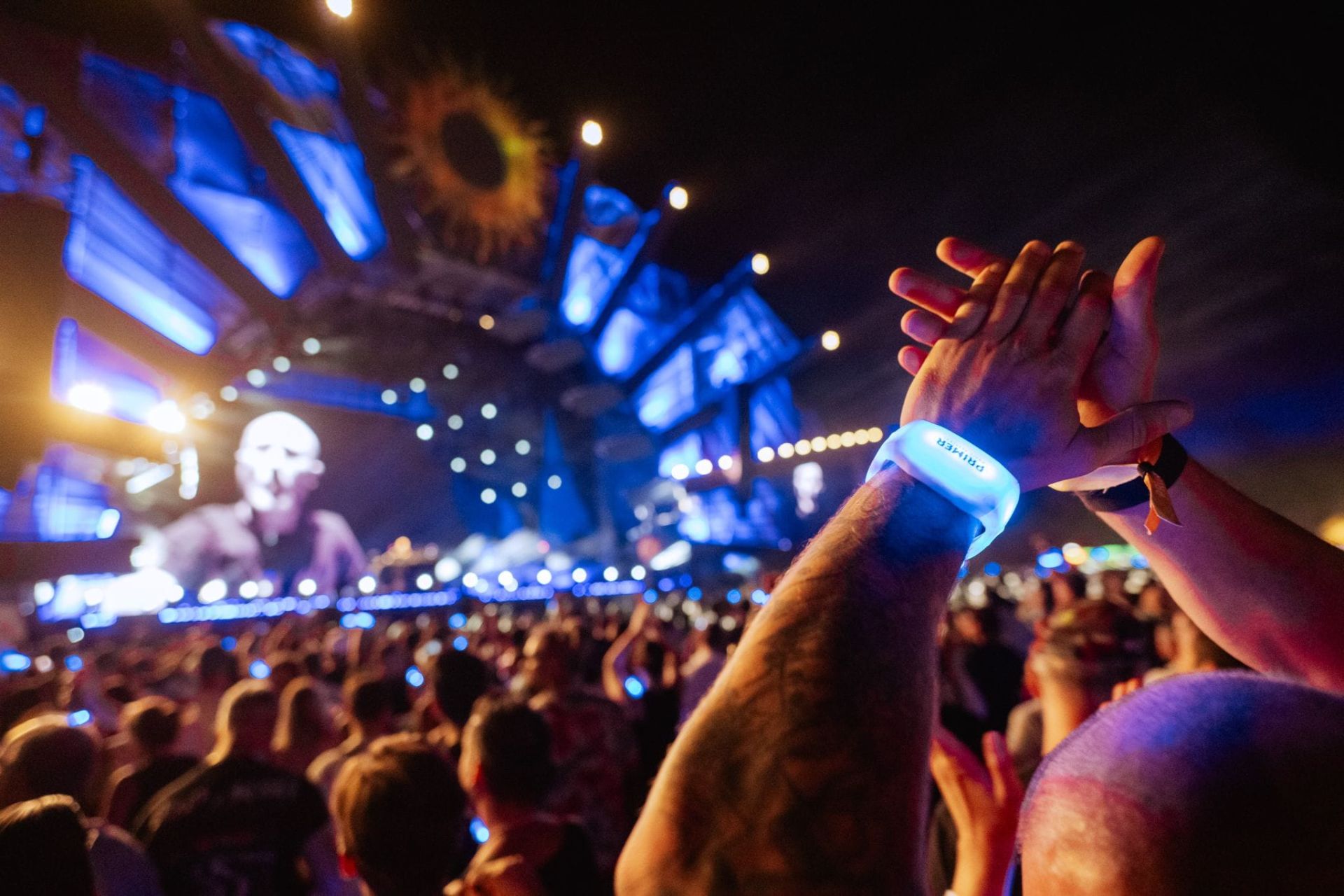
Having a brilliant idea is one thing. Translating it into a global standard is another. The journey from that Glastonbury field to illuminating over ten million people at more than 10,000 events is a testament to the resilience and unique problem-solving that often accompanies neurodiversity. Jason met with Coldplay, shared his vision, and they embraced it, launching Xylobands on their 2012 Mylo Xyloto Tour.
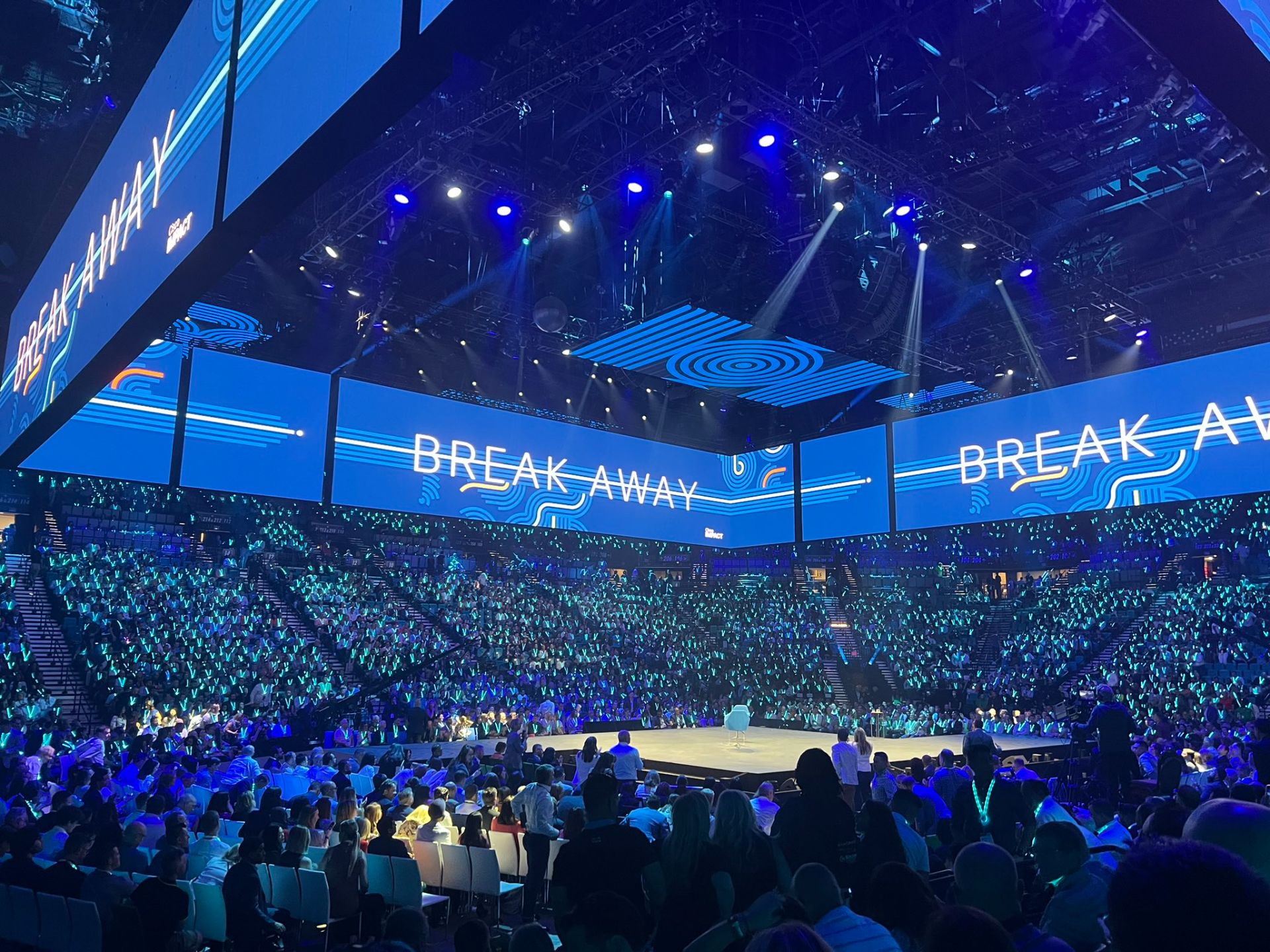
This wasn’t just about creating a product; it was about building a system. It involved pioneering the underlying RF technology to control tens of thousands of individual LED bands in perfect synchrony, crafting a global supply chain, and developing the on-site expertise to execute flawlessly in the world’s most demanding environments—from sold-out arenas for artists like Wizkid and Maluma to major sporting events like the Davis Cup and Formula One.
This process of building a new category of LED event technology required a leader who could hold the entire complex, global picture in their mind at once—a natural strength for a big-picture thinker. It required a relentless drive to solve problems that had no existing playbook.
The Industry Transformed: A Call for Different Thinkers
The success of technologies like concert wristbands and LED lanyards is more than a business story; it’s a paradigm shift. It proves that the audience can be more than a collection of spectators. They can be the canvas, the instrument, and the core of the spectacle itself. This empathetic, human-centric approach to technology is a direct result of seeing the world from a different perspective.
As the live events industry continues to evolve, our greatest innovations will come from the margins, from the minds that don’t fit the traditional mold. We need the spatial reasoners, the narrative dreamers, and the unconventional problem-solvers. We need leaders who understand that an immersive experience is not just about technology, but about human connection—a principle that inspired the first Xylo Bands.
The creative spark that illuminates a stadium is the same spark that drives entrepreneurship and rewrites the rules of an industry. By embracing neurodiversity, we don’t just open doors for more people; we open our industry to a new universe of ideas. We empower the very minds that are uniquely equipped to design the future of shared human experience.