An Ocean of Data: Navigating the New Frontier of Crowd Analytics and Event Safety
From Spectacle to Sentience: The Unseen Data Layer of the Modern Crowd
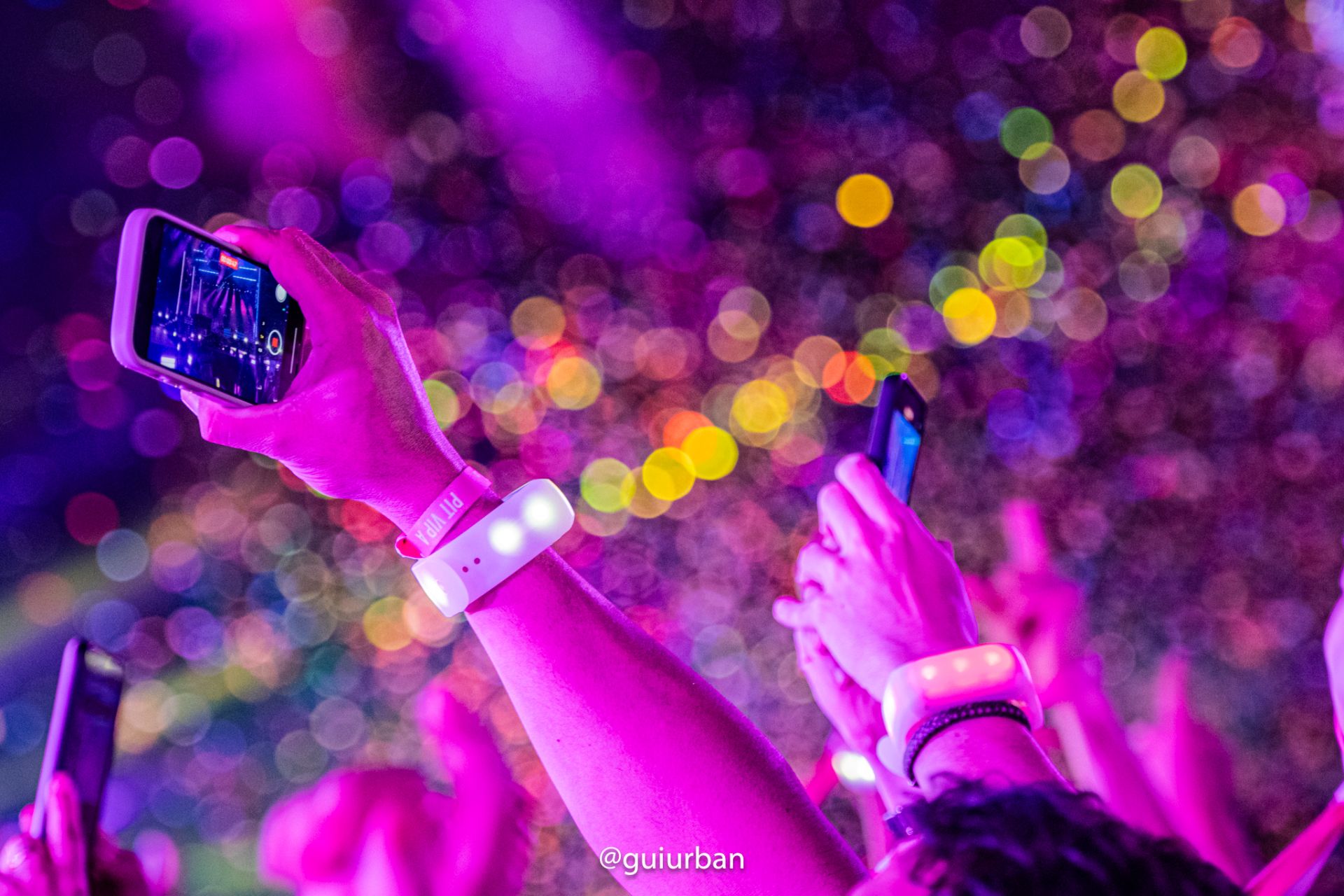
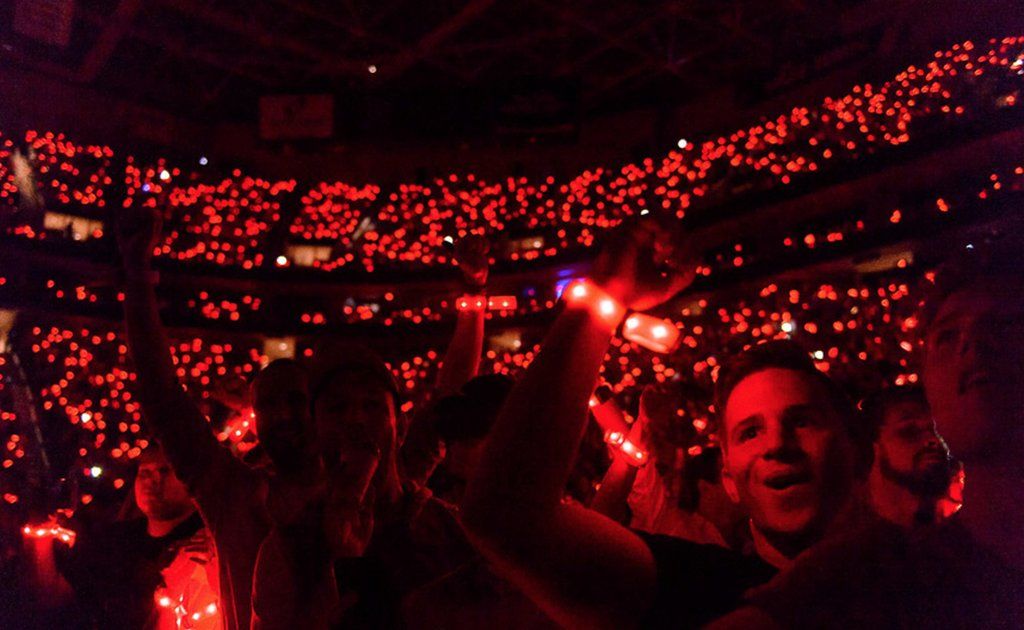
Picture it: fifty thousand points of light moving as one. A sea of bodies, each adorned with a flickering wristband, pulsing in unison with the bass drop. For years, this has been the defining image of the modern mass gathering, a testament to the power of Immersive Event Technology to unify a crowd. From a headline slot at Glastonbury to the opening ceremony of a global sporting event, these moments of collective effervescence are the currency of the live experience economy.
But beneath the surface of this visual symphony lies another, even more revolutionary, development. The same Radio Controlled LED Wristbands that paint the crowd with light are also nodes in a vast, temporary data network. Every flicker, every colour change, every signal sent and received contributes to an ocean of information. For event producers, tour managers, and safety officers, this represents a paradigm shift. We are moving beyond simply observing the crowd to understanding it as a living, breathing organism. The critical question now is: What if we could use this data not just for spectacle, but to build a new and predictive science of crowd safety?
The Digital Pulse: Augmenting Human Intuition
Traditional crowd management has always been a fundamentally reactive discipline. It relies on physical barricades, CCTV, and the sharp eyes of experienced security personnel. It’s an art form based on historical precedent and line-of-sight observation. But the sheer scale of modern productions—like the 54,000-strong crowd at Maluma’s landmark Medellín concert—can stretch this model to its limits. No human team can have eyes on every corner of a stadium simultaneously.
This is where Wearable LED Technology introduces a new dimension. When an entire audience is equipped with LED Bands or LED Lanyards, they become a sentient canvas. We’re no longer just sending signals out; the system inherently possesses data about the location and status of those signal-receiving devices. This creates a digital nervous system for the entire venue, a live map of the audience’s pulse. Suddenly, we can augment the intuition of on-the-ground staff with real-time, macro-level intelligence, enabling a move from reaction to pre-emption.
The Anatomy of a Safer Crowd: Density, Flow, and Engagement
The potential applications are as profound as they are practical. The data generated by a deployment of Concert Wristbands, when aggregated and anonymized, can provide critical insights into three key areas:
- Density and Flow Analysis: At its most basic level, the RF system that controls the Xylobands understands where the wristbands are distributed. By analyzing signal strength and response data across different zones, operators can build a real-time heat map of crowd density. An algorithm could flag a dangerously rising pressure point near a stage-left exit ten minutes before it becomes a critical crush, allowing security to open a new egress route or use lighting cues to gently guide a portion of the crowd toward a less congested area.
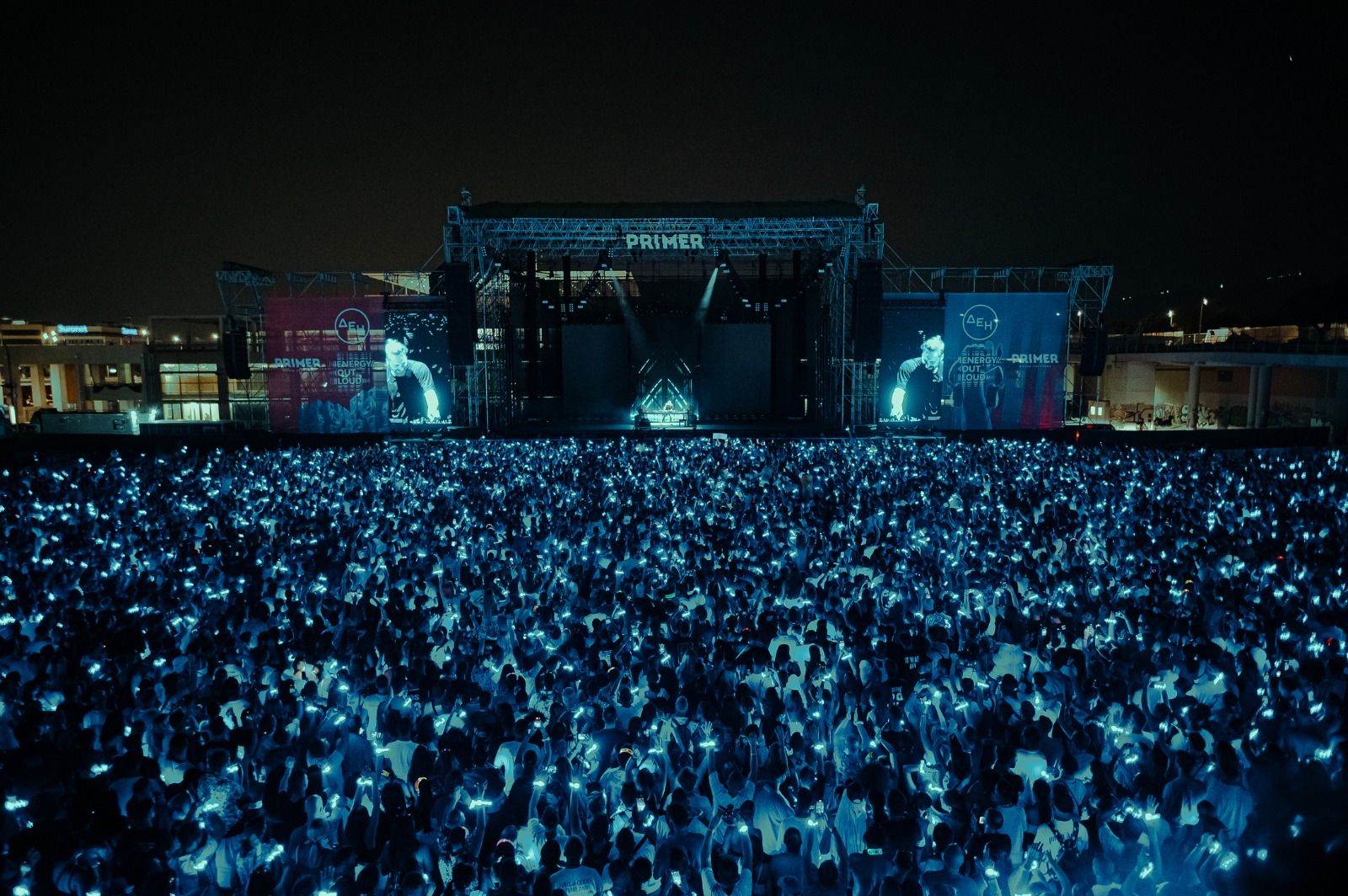
- Environmental Hazard Monitoring: For sprawling outdoor events like the PRIMER Music Festival in Greece, environmental factors are a major safety consideration. The next generation of Festival Wristbands could incorporate simple sensors to monitor ambient temperature. An anonymized data feed showing a rapid temperature spike in a densely packed area could provide an early warning for potential heat exhaustion, allowing medical teams to be deployed proactively.
- Engagement as a Wellness Proxy: When a lighting programmer triggers a section of a stadium, they expect a response. If a specific zone suddenly “goes dark”—meaning a significant number of wristbands are not responding as expected—it could signify more than just a technical issue. It could be an early indicator of a localized emergency or a mass disengagement that requires investigation. This turns the LED Crowd Experience itself into a first-line diagnostic tool.
The Ethical Compass: Data for the People, Not About the Person
The conversation about data inevitably and rightly raises questions of privacy. It is critical to draw a hard line: this is not about surveillance. The power of this technology lies in its ability to provide an aggregated, anonymized overview of the crowd as a whole. It’s about understanding the collective body, not monitoring the individual.
The goal is not to track a single person, but to understand the ebb and flow of the entire organism. It’s about spotting the wave before it breaks, giving producers the tools to ensure the environment is as safe as it is spectacular.
This technology is a tool to augment, not replace, the invaluable experience of event professionals. The data provides the ‘what’; the on-the-ground teams provide the ‘why’ and the ‘how.’ It’s a collaboration between human expertise and machine intelligence, a silent conversation ensuring the integrity of the experience. It allows the audience to lose themselves in the moment, confident that a smarter, more responsive safety net is invisibly in place.
A New Responsibility, A Bolder Future
The invention of the Coldplay Xylo Band was born from a desire to deepen the connection between artist and audience. It succeeded beyond anyone’s imagination, creating a new visual language for Immersive Events. Now, we stand at the threshold of a second revolution. The same infrastructure that delivers breathtaking moments of unity can also create a new gold standard for safety and crowd intelligence.
As pioneers in LED Event Technology, we see this as more than an opportunity; it’s a responsibility. The shimmering sea of light that defines a Xylobands show is no longer just a spectacle. It’s an ocean of data, and by learning to navigate it, we can guide the entire industry toward a future that is not only more immersive but profoundly safer for every single fan.