Orchestrating the Unforgettable: A Leadership Guide to Collaborative Event Production
The Unseen Conductor
In the charged quiet of a stadium, seconds before the house lights drop, a unique silence falls. The roar of the crowd becomes a low hum of anticipation. For the tens of thousands of fans, the show is about to begin. But for one individual—the tour manager, the production lead, the creative director—the most critical part of their work is already done. This moment is not a beginning; it’s the culmination of months, sometimes years, of relentless planning, negotiation, and decision-making.
Leadership in the world of major tours, festivals, and global brand activations is a unique discipline. It operates at the intersection of logistical precision, creative ambition, and human psychology. It’s about more than gantt charts and budget lines; it's the art of orchestrating a symphony of specialized talents, from lighting designers and audio engineers to pyrotechnic experts and technology partners. The final spectacle is the visible crescendo, but the masterpiece is the unseen architecture of collaboration that makes it possible.
The Architect of Collaboration
Modern live productions are staggeringly complex ecosystems. A single event can involve hundreds of crew members across dozens of departments, each with their own highly specialized language and objectives. The leader's primary function is to act as the central node, translating creative vision into technical reality and ensuring every department is not just coexisting, but collaborating towards a single, unified goal.
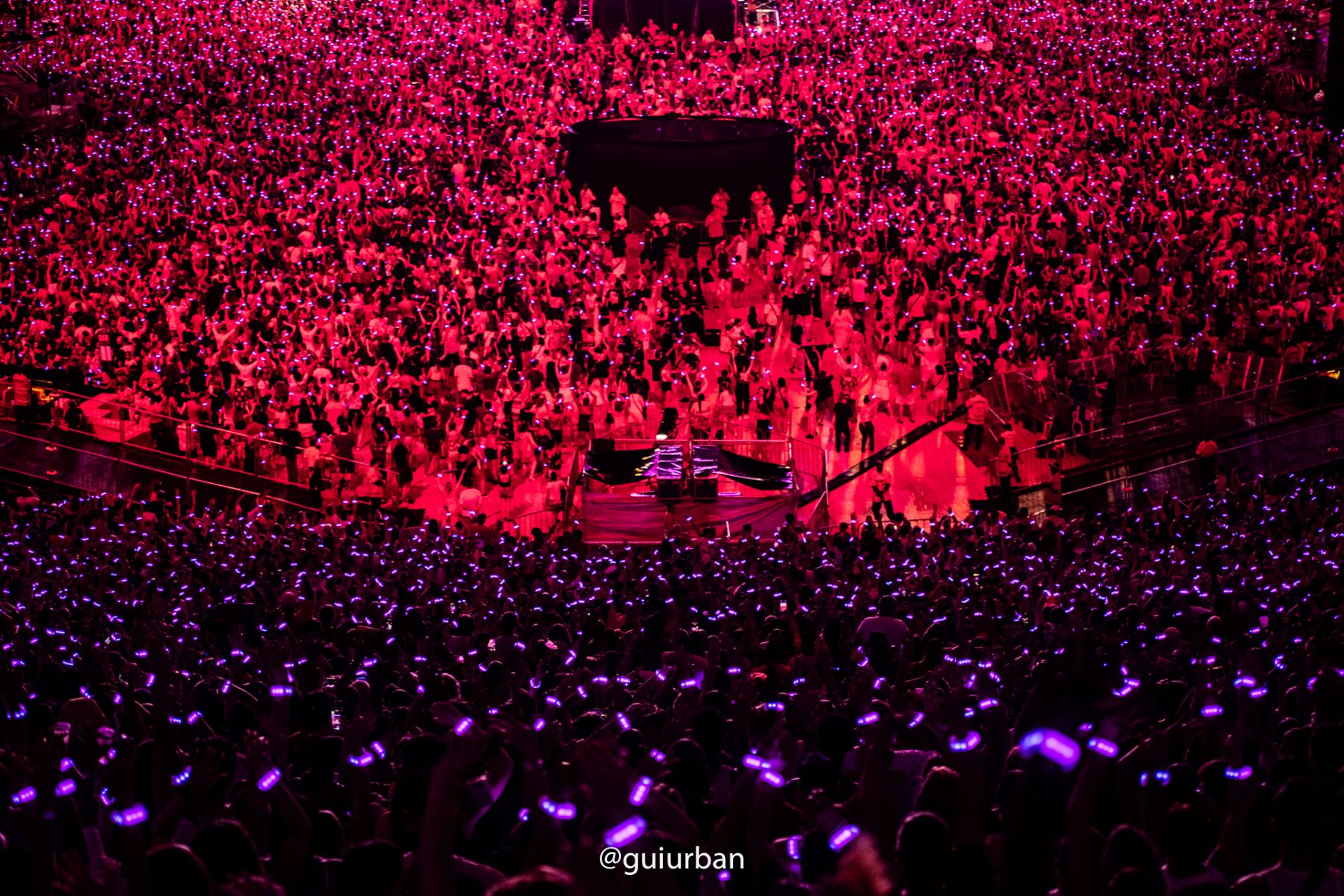
Consider the recent 75th-anniversary celebration for Formula One at The O2 Arena. The brief was immense: a live broadcast event featuring all 10 teams, 20 drivers, musical performances, and the grand reveal of new liveries. The production lead was tasked with uniting the distinct worlds of motorsport, live music, and broadcast television. When Xylobands was brought in to create custom LED Lanyards for the 13,000-strong audience, the challenge wasn’t just technical; it was deeply collaborative. The creative team envisioned specific lighting effects mapped to different sections of the arena—hospitality, general admission, and team-specific zones. This required our distro team to work in lockstep with the event’s creative directors and venue management, pre-placing every device to ensure the visual design was executed flawlessly. The leader’s role was to provide the blueprint and the authority for this intricate, cross-discipline execution to occur.
Creating the Possibility Space
Every groundbreaking moment in live event history began with a "what if" question. What if the audience could become part of the light show? What if a corporate product launch felt like a headliner concert? These questions often push the boundaries of what is technically, logistically, and financially feasible. A great leader’s responsibility is not to shrink from these questions, but to create a "possibility space" where they can be safely explored.
"The leader's job is to shoulder the risk, to pressure-test the concept, and then, at the critical moment, to make the decisive 'go' call that empowers their team to innovate."
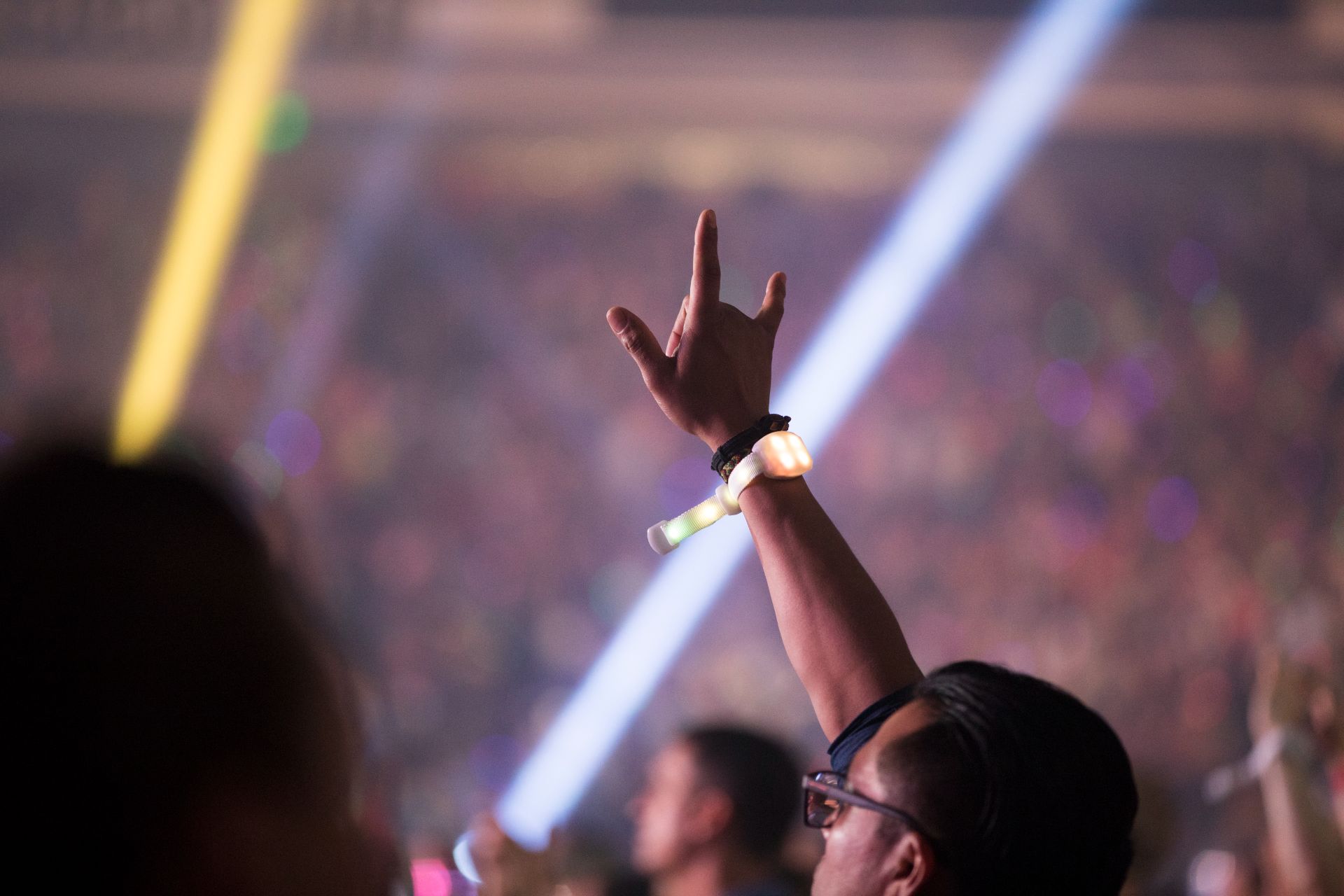
This is a foundational principle at Xylobands. Our own origin story is one of a leader—Coldplay—backing a radical "what if" idea from an inventor. They created the possibility space for Coldplay Xylobands to be developed and deployed on a global tour, changing the landscape of LED Crowd Experiences forever. This principle holds true for every client we partner with. The producers and tour managers who deliver the most memorable shows are those who foster a culture of creative courage. They build a framework of trust and technical excellence that allows their teams—and partners like us—to turn ambitious concepts into breathtaking reality.
The Currency of Trust
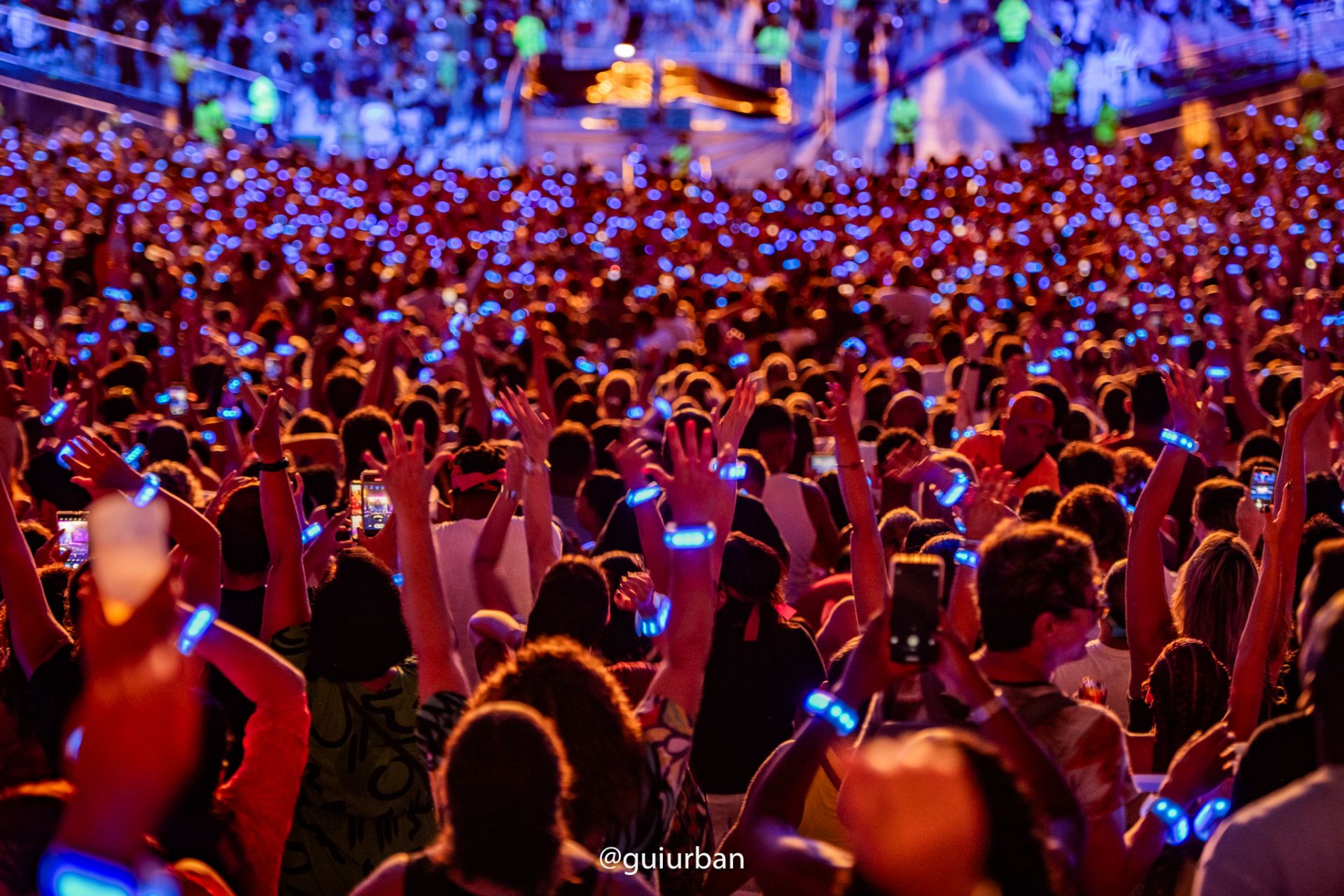
In the high-stakes, time-compressed environment of a live event, trust is the most valuable currency. When an artist like Wizkid sells out The O2 Arena for three consecutive nights, his production team operates under immense pressure. Integrating a new piece of Immersive Event Technology, like the 32,000 LED Bracelets used on his Made in Lagos tour, is not a casual decision. It’s an act of trust.
That trust is earned, not given. It’s earned through a history of flawless execution, transparent communication, and a shared commitment to the artist's vision. The tour manager must trust that the Radio Controlled LED Wristbands will deploy seamlessly, trigger without fail, and enhance the already electric atmosphere. For a global megastar like Maluma, performing to 54,000 people in his hometown of Medellín for a show streamed in 240 countries, there is no margin for error. The decision to make Xylo Bands part of that historic concert is a testament to the trust built between a production’s leadership and its technical partners. They are not just procuring a product; they are onboarding a collaborator sworn to uphold the integrity of the show.
Leading Beyond the Load-Out
The final encore and the roar of the crowd are not the end of the leader's work. True leadership extends beyond the load-out. It’s about building a legacy of excellence and a culture of continuous improvement. The most effective leaders are relentless in their pursuit of data, feedback, and refinement. What worked? What could be smoother? How can we push the experience further next time?
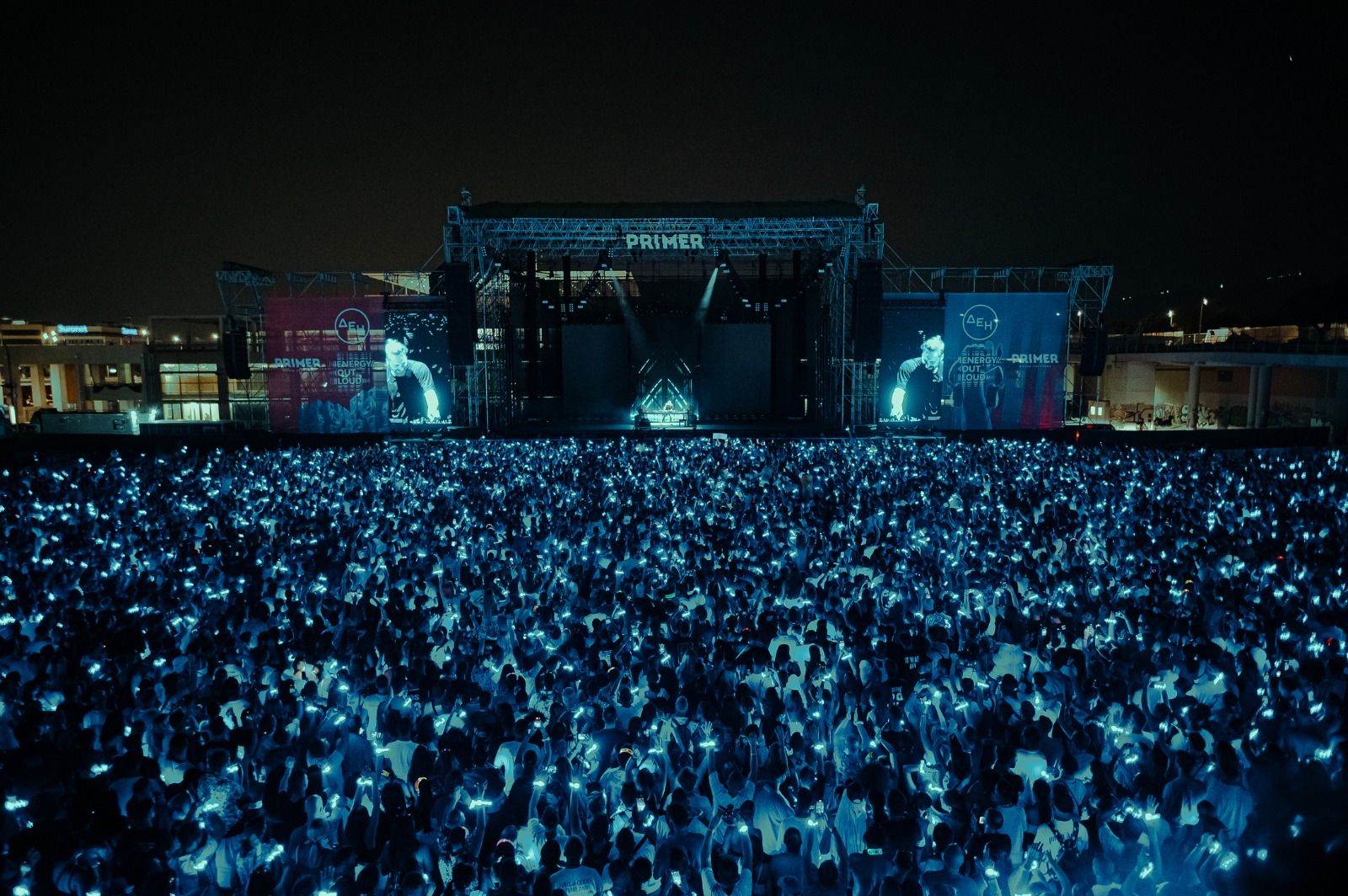
This long-term vision is what transforms a series of individual events into a legendary tour or a benchmark annual festival. It’s why we value long-term partnerships, like our multi-year collaboration with Greece’s PRIMER Music Festival. Working with the festival’s leadership year after year allows for a deeper integration of our Wearable LED Technology, evolving the fan experience with each edition. It’s also about leading the charge on industry-wide imperatives, like sustainability. The decision by Wizkid’s team to reuse and recycle our wristbands across all three of his London dates was a leadership choice—a conscious effort to balance a spectacular fan experience with responsible production practices.
Ultimately, the leader in this field is the conductor of an orchestra of innovators. They may not play every instrument, but they set the tempo, shape the dynamics, and unite every player in service of a single, unforgettable composition. They carry the weight of the final moment so that everyone else—from the artist on stage to the fans in the furthest seat—can be lost in it.