The Psychology of the Shared Moment: Why We Crave Connection in Crowds
From Spectator to Participant: The Innate Human Need for Collective Experience
Why do we seek out crowds? In an age of on-demand entertainment and digital solitude, what compels hundreds of thousands of people to gather in stadiums, arenas, and festival fields? The answer lies in a deep-seated psychological phenomenon: the pursuit of the shared experience. Humans are fundamentally social creatures, wired for connection. While a solo experience can be profound, there is a unique and powerful energy that arises only when we share a moment simultaneously with thousands of others. This is the concept of “collective effervescence,” a term coined by sociologist Émile Durkheim to describe the perceived energy and harmony felt by a group when they engage in a shared action.
At its core, a large-scale live event is a modern-day ritual. It’s a space where individual identity temporarily merges with the collective, creating a feeling of unity and belonging. This sense of togetherness doesn't just happen; it is carefully orchestrated. Event producers, artists, and technologists are, in essence, architects of emotion. They understand that turning a passive audience into an active, engaged entity requires tapping into these primal needs for connection and participation.
The Limbic System on a Grand Scale: Triggering Emotion and Memory
Our brains are wired to react to sensory input. Light, sound, and movement trigger emotional responses processed in the limbic system, the part of the brain responsible for memory and feeling. A sudden blackout followed by a burst of strobing lights, the sub-bass of a kick drum, or a wave of colour washing over a stadium—these are not just decorative elements. They are precise triggers designed to elicit a collective emotional response: surprise, anticipation, euphoria.
When an entire crowd experiences these triggers in unison, the effect is magnified exponentially. A shared gasp, a collective cheer, or a moment of unified silence creates a powerful feedback loop. Each individual’s emotional response is amplified by the visible and audible reactions of those around them. This is where immersive event technology plays a crucial role. By creating sensory experiences that every single person can see and feel, technology can unify the emotional journey of an entire audience.
“The goal is to dissolve the barrier between the performance and the audience. When a person feels they are part of the show, not just watching it, they transition from passive spectator to active co-creator. Their engagement becomes total.”
Light as a Language: The Unifying Power of Synchronised Illumination
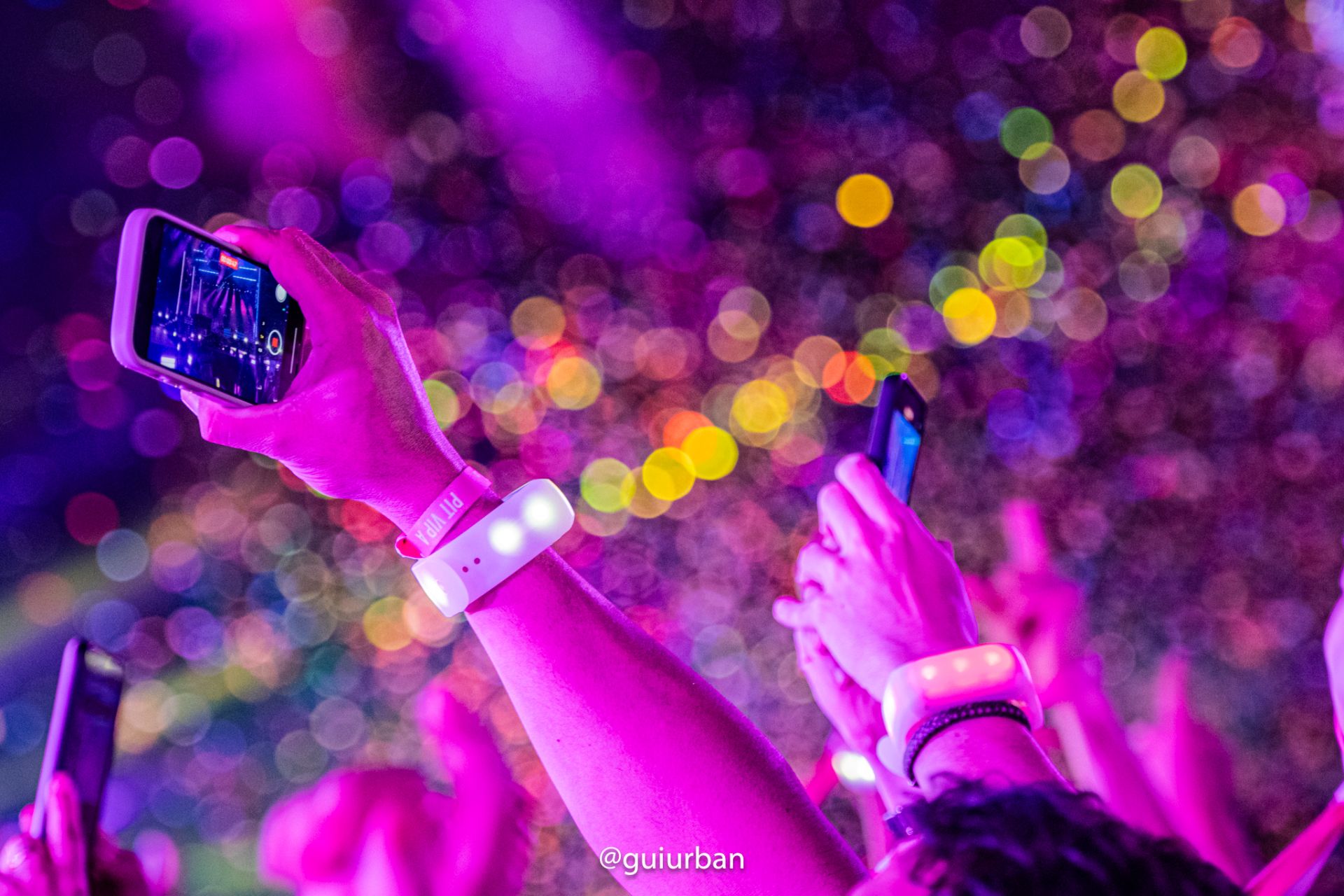
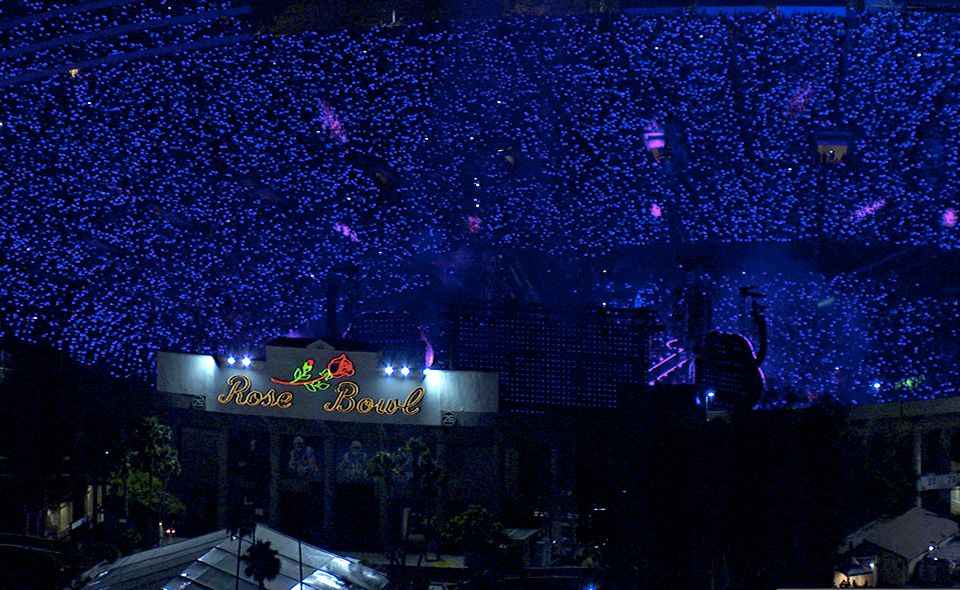
Light is one of the most powerful and primitive tools for communication and mood-setting. In the context of a live event, it can be the single most effective medium for unifying a crowd. Technologies like radio controlled LED wristbands transform this principle into a tangible, shared experience. When tens of thousands of individual lights pulse in perfect synchrony, the psychological effect is profound.
This isn't just a visual spectacle; it's a form of non-verbal communication. It signals to every person in the audience: “You are part of this. We are all connected.” This is a core principle behind the design of Xylobands. Seeing your own wristband—and thousands of others—light up in time with a soaring chorus or a critical moment in a sports match creates an undeniable sense of participation. It makes the individual a visible, integral part of a much larger organism. We’ve seen this power unify crowds everywhere, from massive music festivals like PRIMER in Greece to the globally broadcasted 75th-anniversary celebration for Formula One.
This technology gives creative directors a new canvas: the crowd itself. Specific sections of an arena can be painted with light, creating dynamic visuals that flow across the audience, making them a living, breathing part of the stage design. This elevates corporate event activations and concerts from a one-way broadcast to a two-way, interactive dialogue.
The Psychology of Agency in Large-Scale Events
A key element of deep engagement is agency—the feeling that you have a role to play in the unfolding event. Even a small sense of control or participation can dramatically increase a person's investment in the experience. Wearable LED technology provides this by responding to the musical and dramatic cues of the show, making the attendee an active component of the spectacle. Their physical presence contributes to the ocean of light, giving them a role in the visual symphony.
- Inclusion: Every person wearing an LED device is automatically part of the show. There is no barrier to entry.
- Synchronicity: The shared, timed pulses of light create a powerful sense of unity and shared rhythm.
- Visibility: The technology makes each person’s participation visible, reinforcing their connection to the whole.
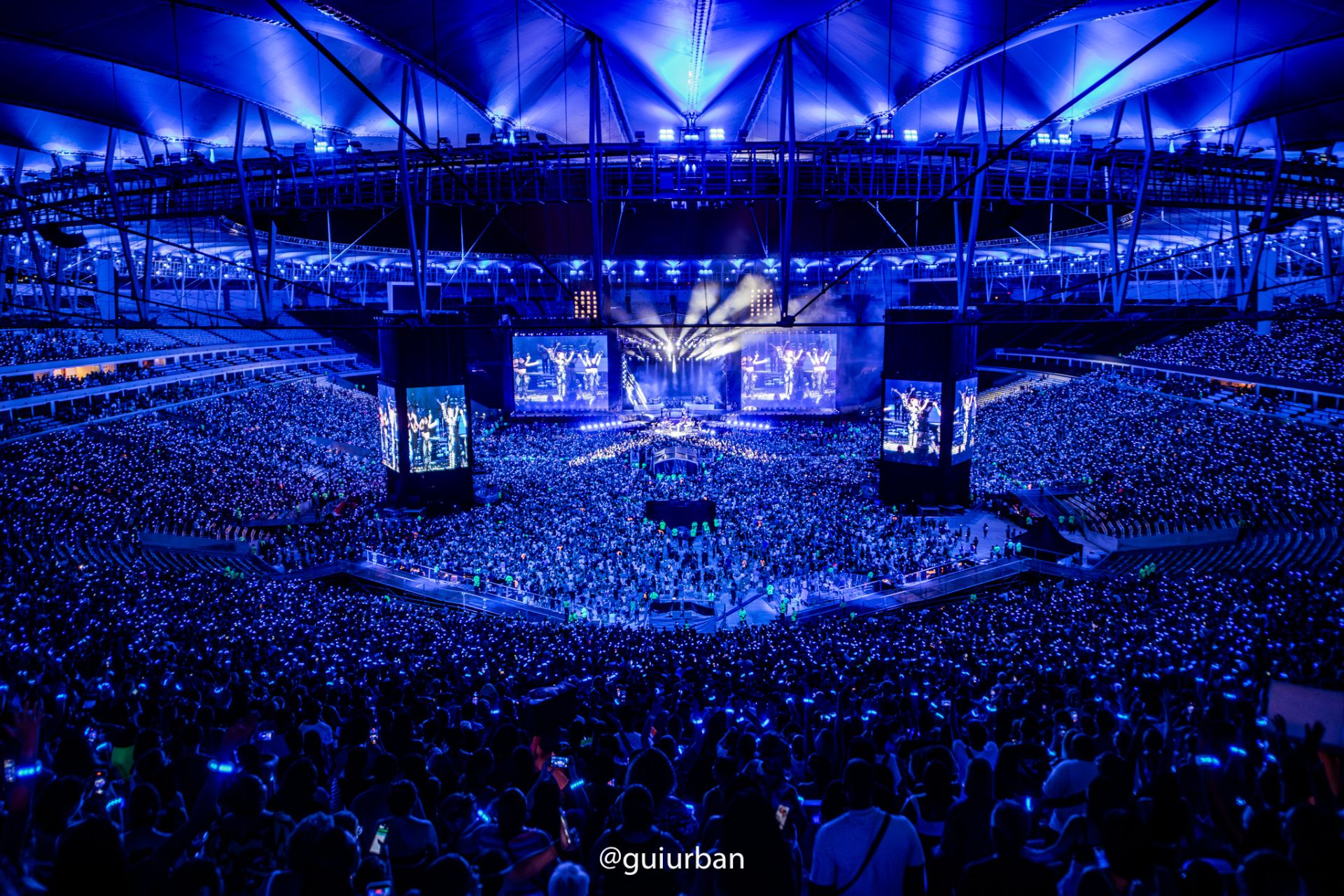
This principle was powerfully demonstrated during Maluma's historic 2022 concert in his hometown of Medellín, where a crowd of 54,000 became a single, pulsating canvas of light, an experience streamed live to millions more. The LED bands didn't just light up the stadium; they amplified the collective pride and energy of a milestone cultural moment.
The Future of Audience Engagement: Deeper Immersion, Stronger Connection
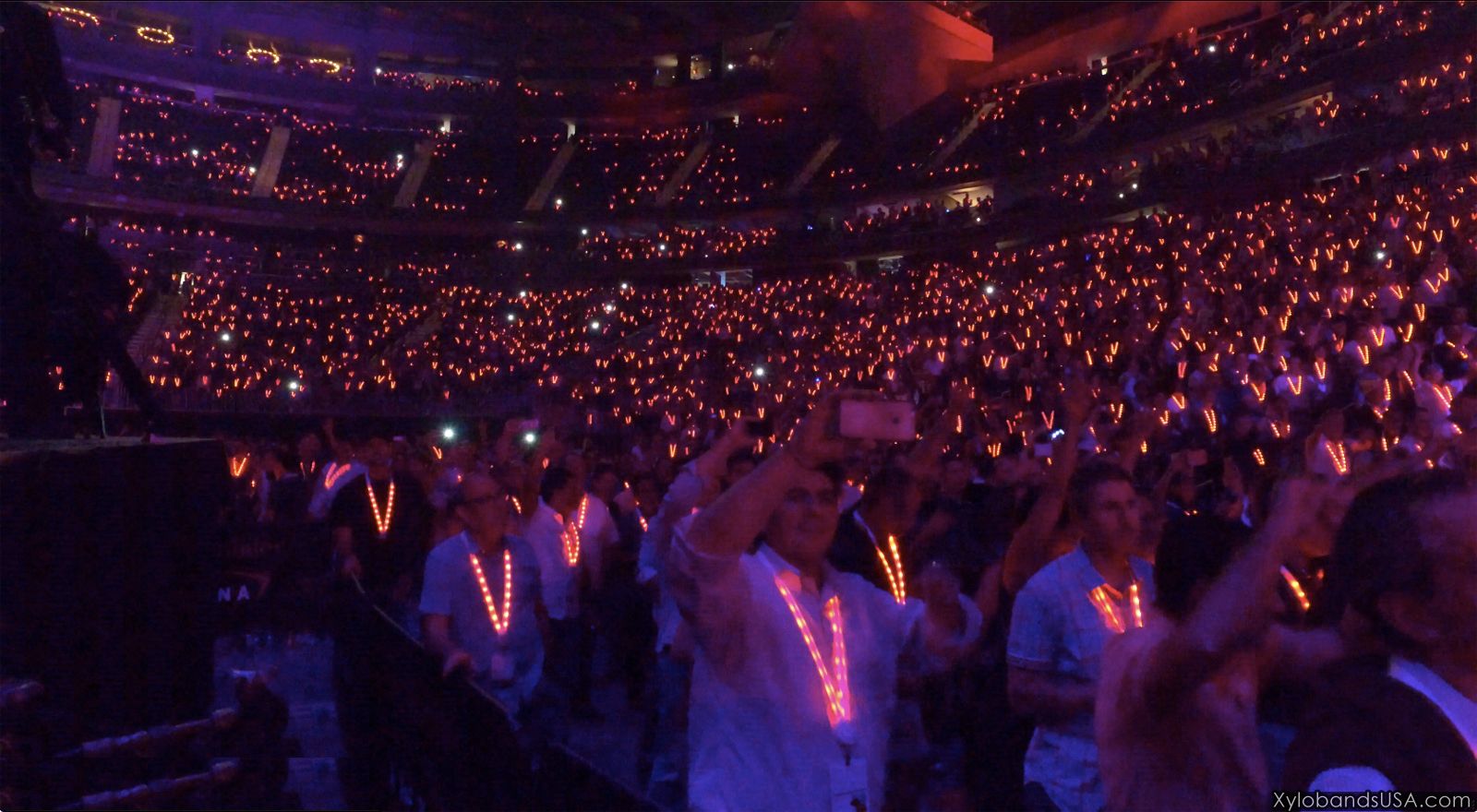
The quest for deeper audience engagement is a constant evolution. As technology becomes more sophisticated, so do the opportunities to craft more profound shared experiences. The future lies in creating multi-sensory environments that are even more responsive and personalized, while still retaining the power of the collective. From custom LED wristbands that reflect team colours at a sporting event to LED lanyards that guide attendees through a corporate conference, the tools for building connection are becoming more integrated and intuitive.
Ultimately, the psychology of audience engagement is the psychology of human connection itself. The technologies and techniques that succeed are those that tap into our innate desire to belong, to share, and to be part of something larger than ourselves. By understanding and embracing these drivers, event producers can move beyond simply entertaining a crowd and begin to create true moments of collective transcendence, leaving attendees with memories that are not only spectacular but also deeply meaningful.