The Sensory Shift: Redefining Event Accessibility with Light and Tech
The Widening Spectrum of Accessibility
For decades, the conversation around accessibility in live entertainment has been narrowly, if necessarily, focused on the physical. Ramps, accessible seating, and clear pathways were the primary metrics of an inclusive venue. These are, and will always be, critically important. But they represent the baseline, not the ceiling. True inclusivity requires a deeper, more nuanced understanding of the human experience—one that accounts for the vast spectrum of sensory and cognitive needs within any large audience.
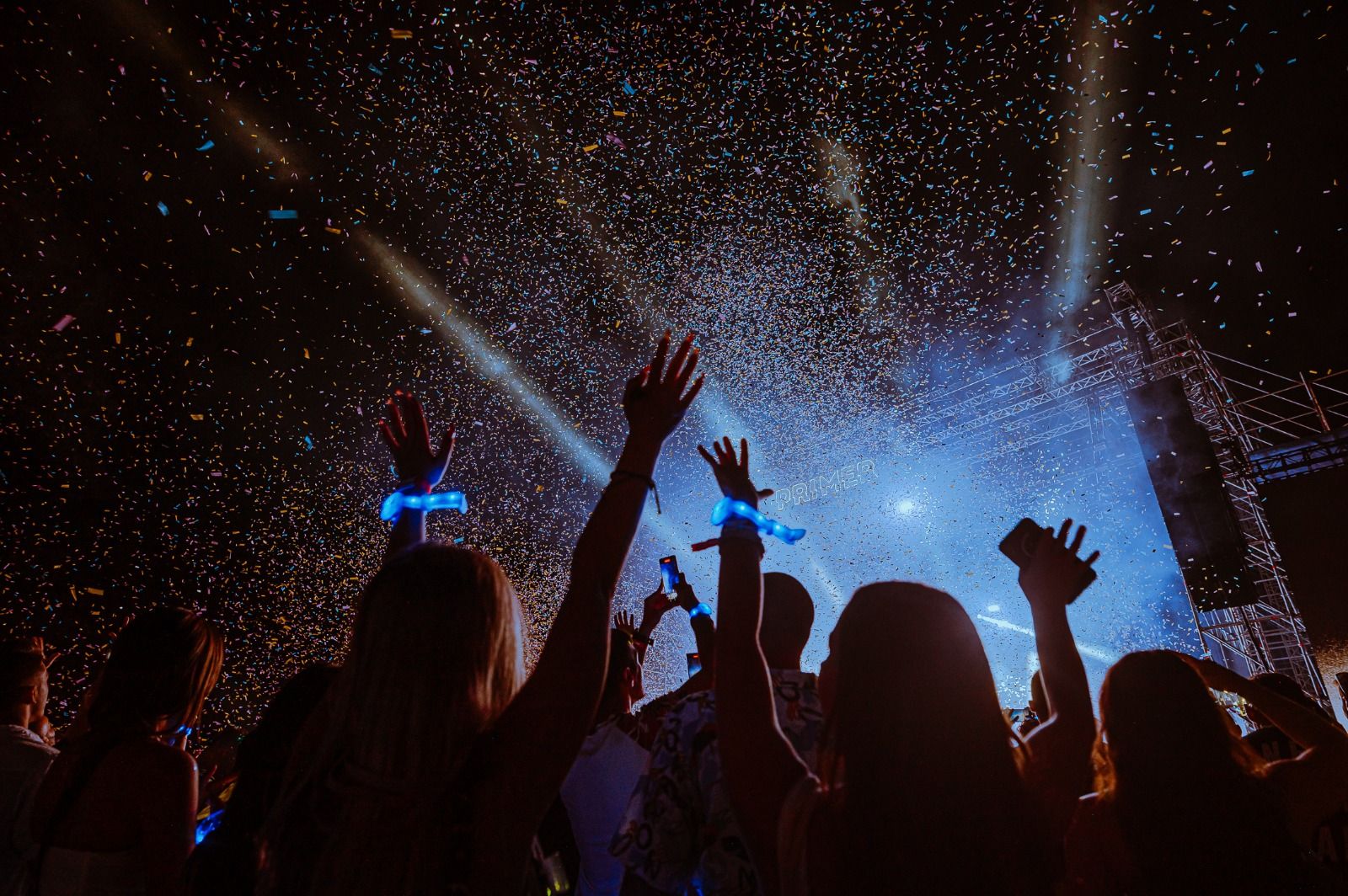
The modern live event is a full-scale sensory assault. It’s a carefully orchestrated barrage of light, sound, and visual data designed to overwhelm and immerse. For many, this is the magic. But for a significant portion of the audience—including individuals with sensory processing disorders, autism, PTSD, or anxiety—this same immersive environment can be a barrier to entry. The very elements designed to create excitement can inadvertently foster exclusion.
As event producers and creative directors, we have a responsibility to design experiences that don’t just accommodate, but actively welcome, these diverse audiences. This isn't about diluting the spectacle; it's about making it smarter, more dynamic, and more human-centric. It requires a shift in perspective: from designing for the "average" attendee to architecting a flexible environment that can adapt to the needs of the individual.
Light as a Communicative, Calming Force
Light is the most powerful tool in our arsenal. We wield it to direct attention, build energy, and score emotional arcs. But we often overlook its potential to communicate and to create zones of sensory comfort. With modern Immersive Event Technology, we can move beyond the monolithic, one-size-fits-all light show and toward a more granular, responsive, and empathetic model.
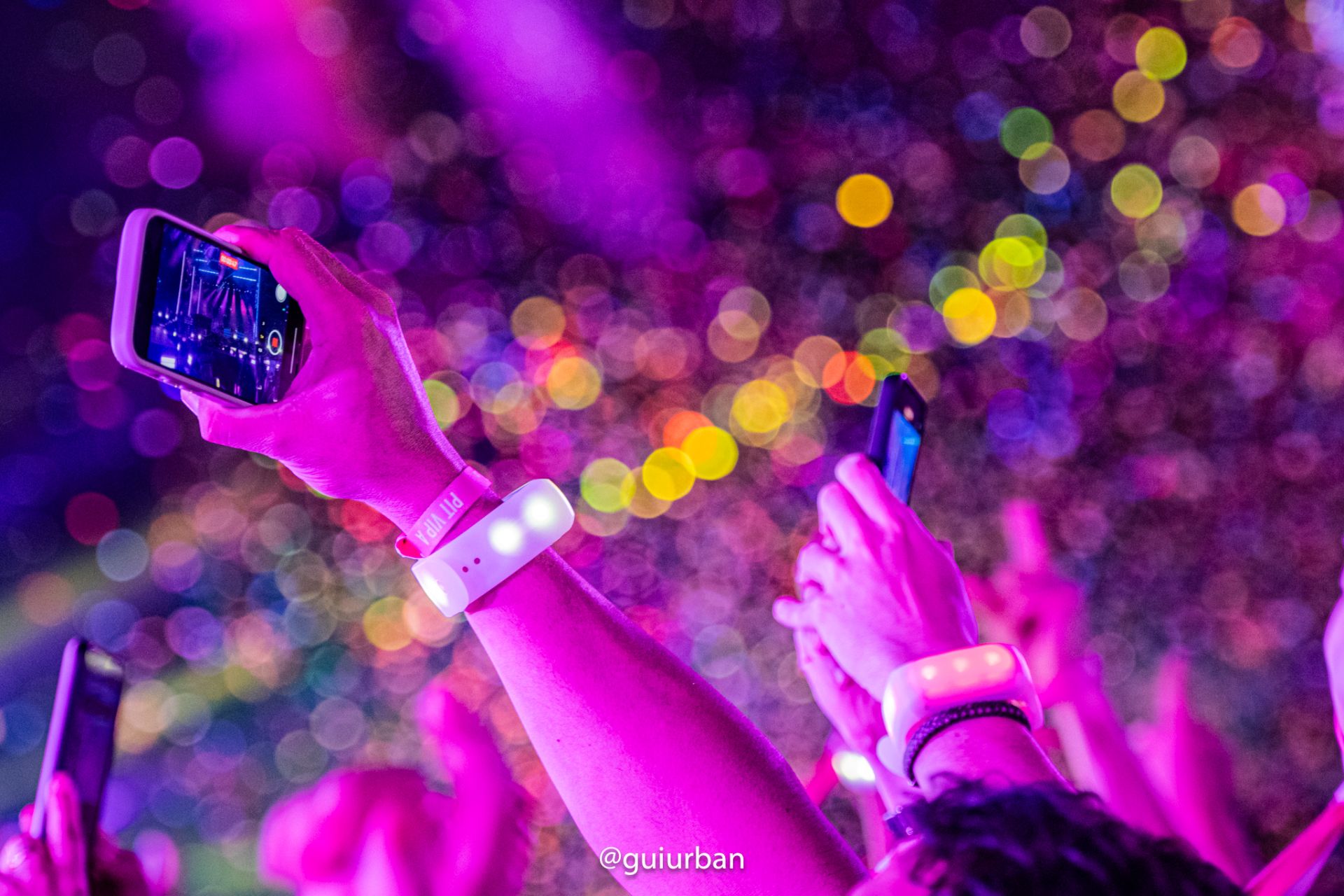
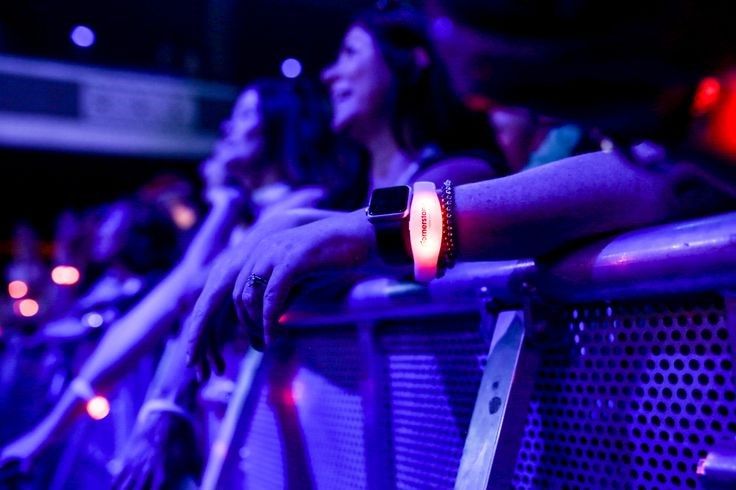
Imagine a large-scale festival. The main stage is a riot of strobes and high-impact video. But in a designated quiet zone, attendees wearing LED Lanyards or wristbands experience a different reality. Here, the light pulses gently, in a slow, calming rhythm, using a soothing color palette. This isn’t a lesser experience; it’s a parallel one, synchronised with the main show but translated into a different sensory language. The technology to achieve this exists now. Using zoned RF control, we can create distinct atmospheres within the same venue, all controlled from a single console.
Key Principles for Sensory-Inclusive Lighting Design:
- Zoning for Experience: Segment your audience space not just by ticket tier, but by desired sensory experience. Create dedicated ‘low-sensory’ zones where lighting and audio are less intense.
- Rethinking Strobe Effects: The intense, unpredictable flash of a strobe can be highly disruptive for many. Consider replacing them with rapid, fluid pulses of light or using them more sparingly and with clear advance notice where possible.
- Communicative Color Palettes: Use color to signal changes in intensity. A gradual shift from cool blues and greens to warmer reds and oranges can mentally prepare an audience for a high-energy moment, giving them time to adapt or move to a calmer space.
- Personalized Control: The ultimate frontier is individual control. While not yet feasible for every person in a stadium, the concept of allowing audience members to opt-in or opt-out of certain effects via an app connected to their Wearable LED Technology is on the horizon.
Beyond the Visual: Integrating Cross-Sensory Cues
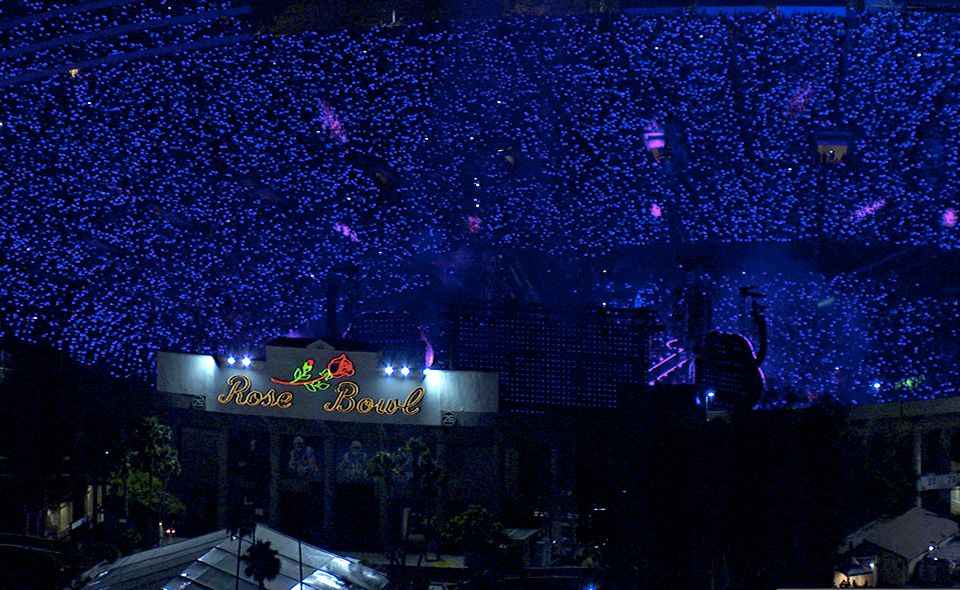
Inclusive design also means providing multiple ways for the audience to connect with the performance. Light can be a powerful tool for visualising sound, making the experience more accessible to guests who are D/deaf or hard of hearing. When the kick drum hits and 50,000 Xylobands flash in perfect sync, it’s a deeply visceral experience that transcends the auditory. It translates rhythm into a shared, physical pulse that everyone can feel.
This principle is powerful in any setting, from a stadium tour for an artist like Wizkid or Maluma to a corporate keynote. We’ve seen it deployed in broadcast environments for shows on networks like ITV, where the visible energy of the studio audience, unified by light, becomes a key part of the narrative for the millions watching at home. Every flash of a wristband is a piece of data, a signifier of engagement that can be understood by anyone, regardless of their hearing ability.
A New Metric for Success
The success of a live event has long been measured in tickets sold, decibels reached, and social media impressions. It’s time to add a new metric: the breadth of participation. A truly successful event is one where every single person feels they have a place, where they can engage on their own terms without feeling overwhelmed or excluded.
This isn’t a niche concern; it’s a fundamental aspect of good design. By embracing the principles of sensory inclusivity, we’re not just catering to a specific demographic; we are making the experience better for everyone. A show that offers moments of sensory rest is more sustainable for the entire audience. A lighting scheme that communicates intent is more artful and effective. An experience that provides multiple points of entry becomes richer and more layered.
The technology, from Radio Controlled LED Wristbands to sophisticated control systems, provides the tools. Xylobands are proud to be part of this evolution, offering a platform that turns a crowd of individuals into a unified, living canvas. The creative vision and the ethical commitment must come from us—the producers, designers, and artists. By designing with empathy, we can build the next generation of Immersive Events that are not only spectacular but also profoundly and universally human.