The New Playbook: Reimagining the Modern Sports Spectacle
From Intermission to Main Event
For decades, the halftime show was a pleasant diversion—a marching band, a local celebrity, a quick snack break. It was the space between the main event. Now, it *is* a main event. The modern sports spectacle has evolved into a high-stakes production, a meticulously choreographed fusion of athletic prowess, musical performance, and groundbreaking visual technology. The goal is no longer just to entertain the fans in their seats, but to create a cultural moment that dominates broadcast television, social media, and global conversation.
This shift demands a new playbook, one where event producers, choreographers, and creative directors think less about filling time and more about engineering awe. It’s a world where the audience is not a passive observer, but an active participant, and the stadium itself becomes a dynamic, responsive canvas.
The Stadium as a Living Organism
The core challenge in modern sports entertainment is one of scale and intimacy. How do you create a moment of genuine connection in a venue built for 80,000 people? How do you ensure the fan in the highest tier feels as engaged as the one sitting courtside? The answer lies in transforming the entire stadium into a single, cohesive environment. This is where immersive event technology comes into play.
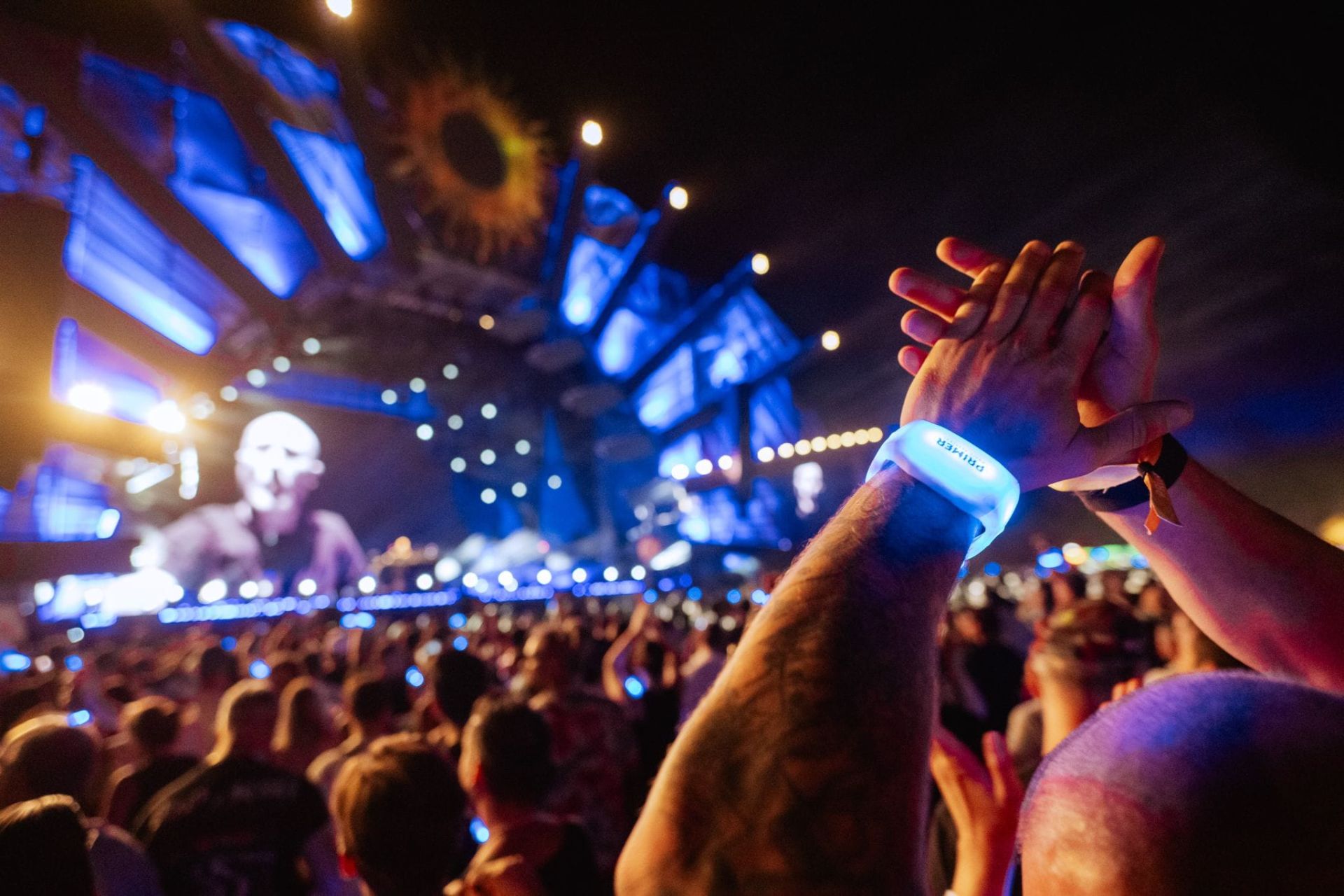
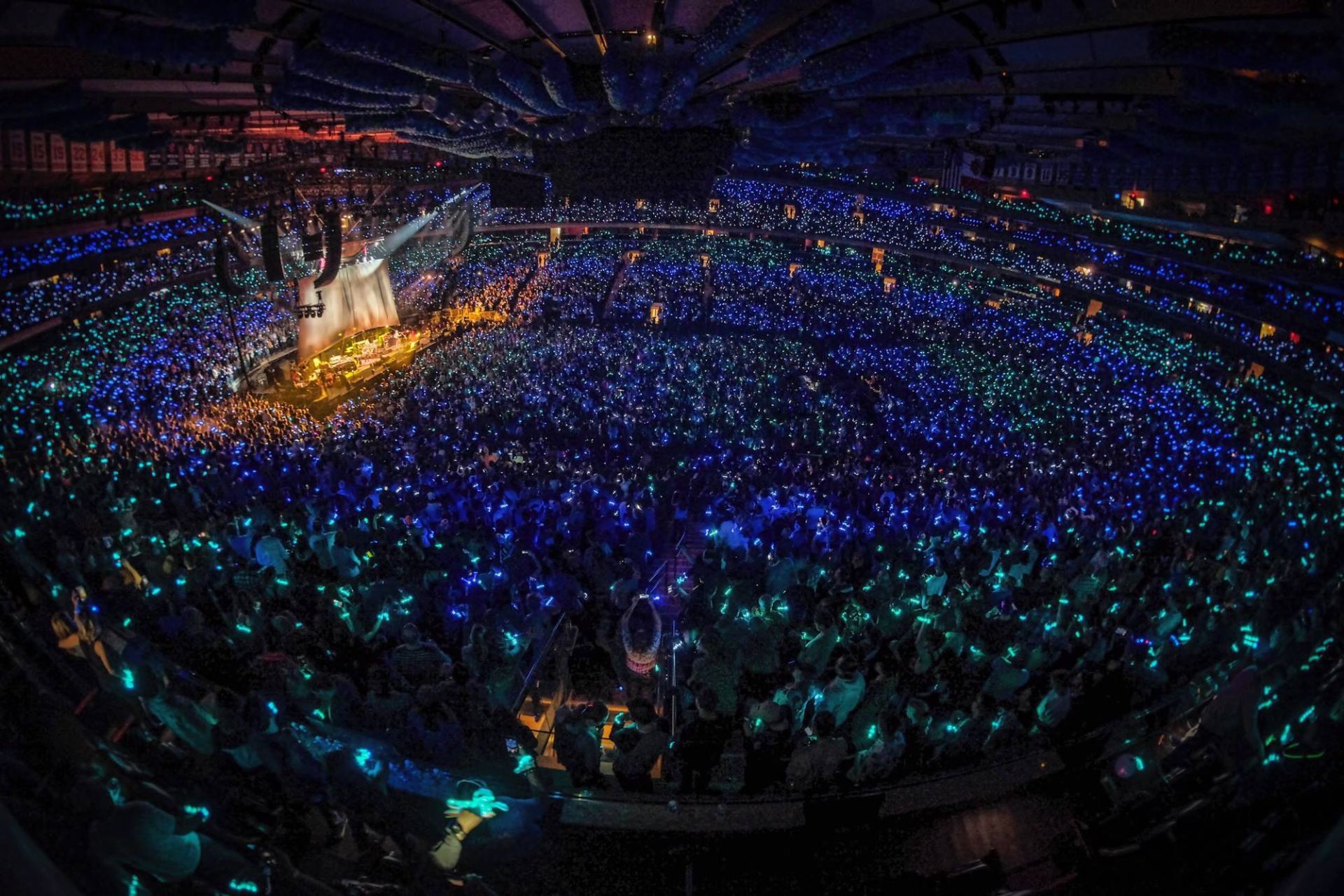
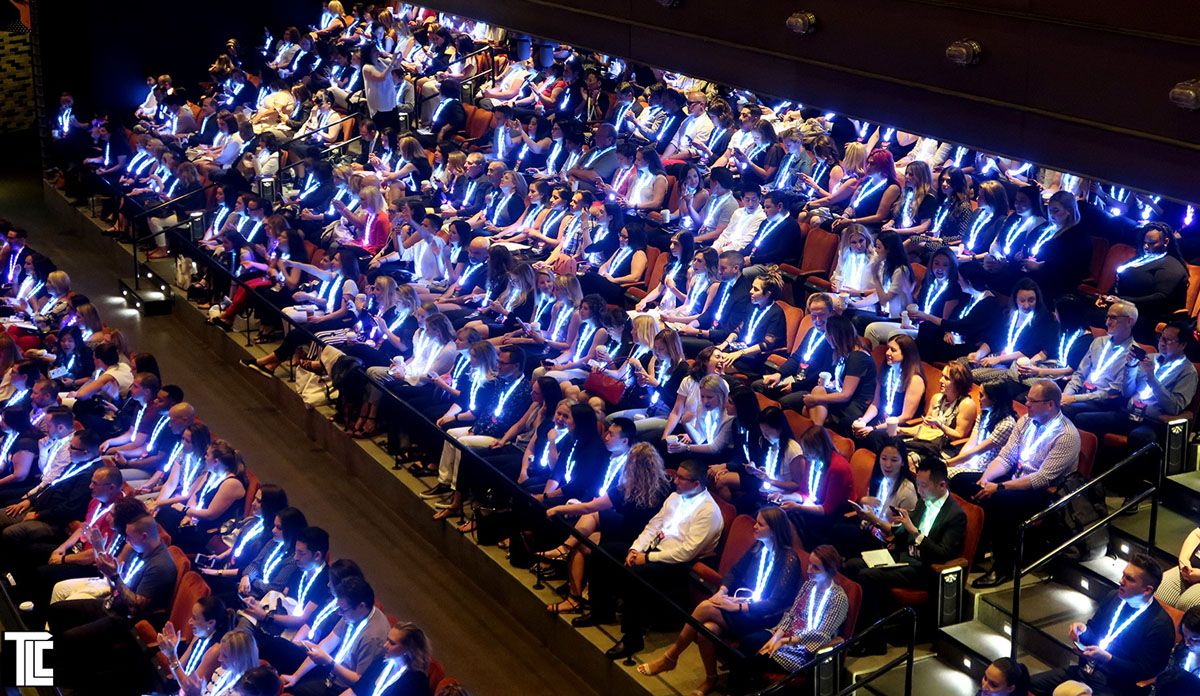
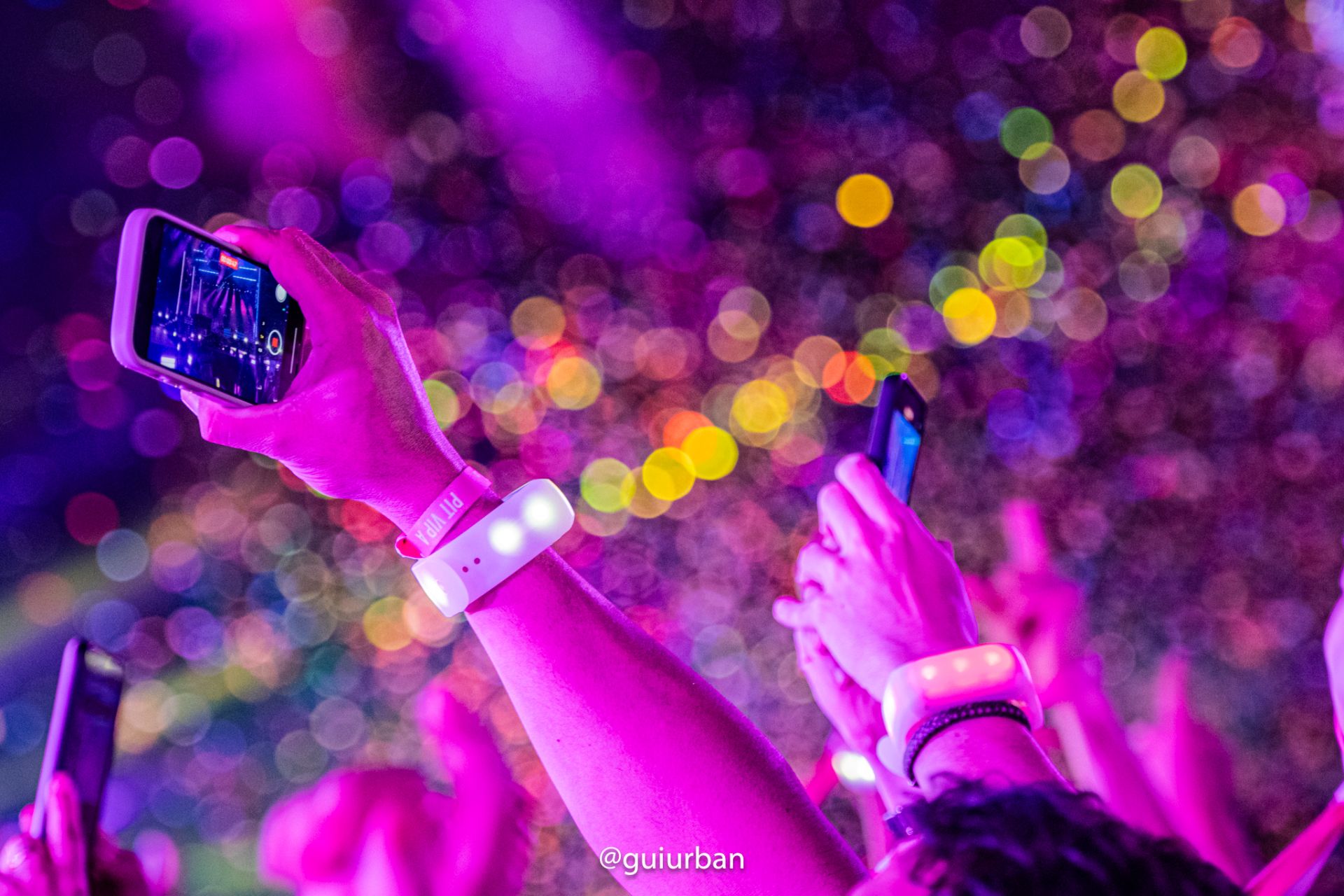
Lighting is no longer confined to the stage or the field. With technologies like radio-controlled LED wristbands, every single fan becomes a pixel in a vast, moving light show. Suddenly, the entire bowl of the stadium can be painted with light, pulsing in time with the music, reflecting the colours of the home team after a stunning play, or creating waves of energy that ripple through the crowd. This isn’t just a visual effect; it’s a psychological one. It breaks down the barriers between individuals and fosters a powerful sense of collective identity.
When choreographing these moments, the crowd becomes an extension of the performance. We’ve seen this in action at global events like the Davis Cup and Formula One, where the energy of the sport is amplified by turning the spectators into a key part of the visual narrative. The same technology that lights up music festivals like Primer or concerts for artists like Maluma and Wizkid can be adapted to respond to the unique drama of a live sporting contest.
Choreographing Light, Sound, and Emotion
The modern halftime show is a symphony of moving parts, and its success hinges on flawless synchronization. The lighting cues must align perfectly with the music, the on-field performers, and the broadcast cameras. This requires a new level of collaboration between choreographers and technology providers.
Choreographers are no longer just planning dance moves; they are designing emotional arcs that unfold across light, sound, and human performance.
The process often begins months in advance, with creative teams mapping out key moments in the show. Where should the energy peak? Where is there a moment for quiet awe? How can we use light to guide the audience’s attention? LED bands and other forms of wearable LED technology offer an unparalleled toolkit for this.
Key Choreographic Considerations:
- Dynamic Team Colors: Imagine a stadium instantly washed in a team’s colors after a touchdown, or pulsing with the national flag during an opening ceremony. This creates an immediate, visceral connection for fans.
- Audience Segmentation: With precise control systems, it’s possible to create complex patterns by lighting up different sections of the crowd. This allows for stunning visual effects, like spelling out team names or creating massive, animated graphics that are legible from every angle, including aerial broadcast shots.
- Musical Synchronization: The ability to sync light with every beat and crescendo of a musical performance transforms a concert into a multi-sensory experience. For a halftime show, this means the headlining artist’s set feels bigger, more immersive, and more emotionally resonant.
- Broadcast Integration: A great halftime show must look as good on television as it does in person. Productions for clients like ITV and the BBC have taught us the importance of lighting for the lens. Well-designed LED crowd experiences are inherently camera-friendly, providing the dynamic, large-scale visuals that broadcast directors love.
The Future of Fan Engagement
As we look to the future, the integration of technology and live performance will only deepen. We’re moving beyond simple synchronized flashing to more interactive and personalized experiences. Imagine custom LED wristbands that react to the noise level in the stadium, or that allow fans to vote on the next song in a post-game concert. The possibilities are limited only by our creative imagination.
From the high-octane world of Formula One to the iconic grass courts of the Davis Cup, the playbook for sports entertainment is being rewritten. The intermission has been replaced by a fully immersive spectacle. By embracing immersive events and seeing the crowd as the most powerful asset, teams, leagues, and sponsors can create legendary moments that build unbreakable bonds with fans and echo long after the final whistle has blown.