Rethinking the Footprint: A New Era of Sustainable Event Production
The End of the Throwaway Experience
For decades, the live event industry has been a machine of the ephemeral. We build worlds for a night, create moments that last a lifetime, and then, when the lights come up, it all disappears. But where, exactly, does it go? The carbon cost of touring, the single-use materials, the mountains of waste left behind in festival fields — these are the inconvenient truths of our industry. The conversation around sustainability is no longer a fringe movement; it is a core operational imperative for event producers, tour managers, and brand marketers who understand that the future of live experiences must be a responsible one.
The challenge is monumental: how do we deliver the spectacle, the immersion, and the unforgettable brand activations our audiences demand without leaving a trail of environmental debt? The answer lies not in scaling back the experience, but in redesigning the components that bring it to life. It requires a shift from a linear "make, use, dispose" model to a circular one: "make, use, reuse, and recycle."
Designing for a Circular Economy: The Tech Chapter
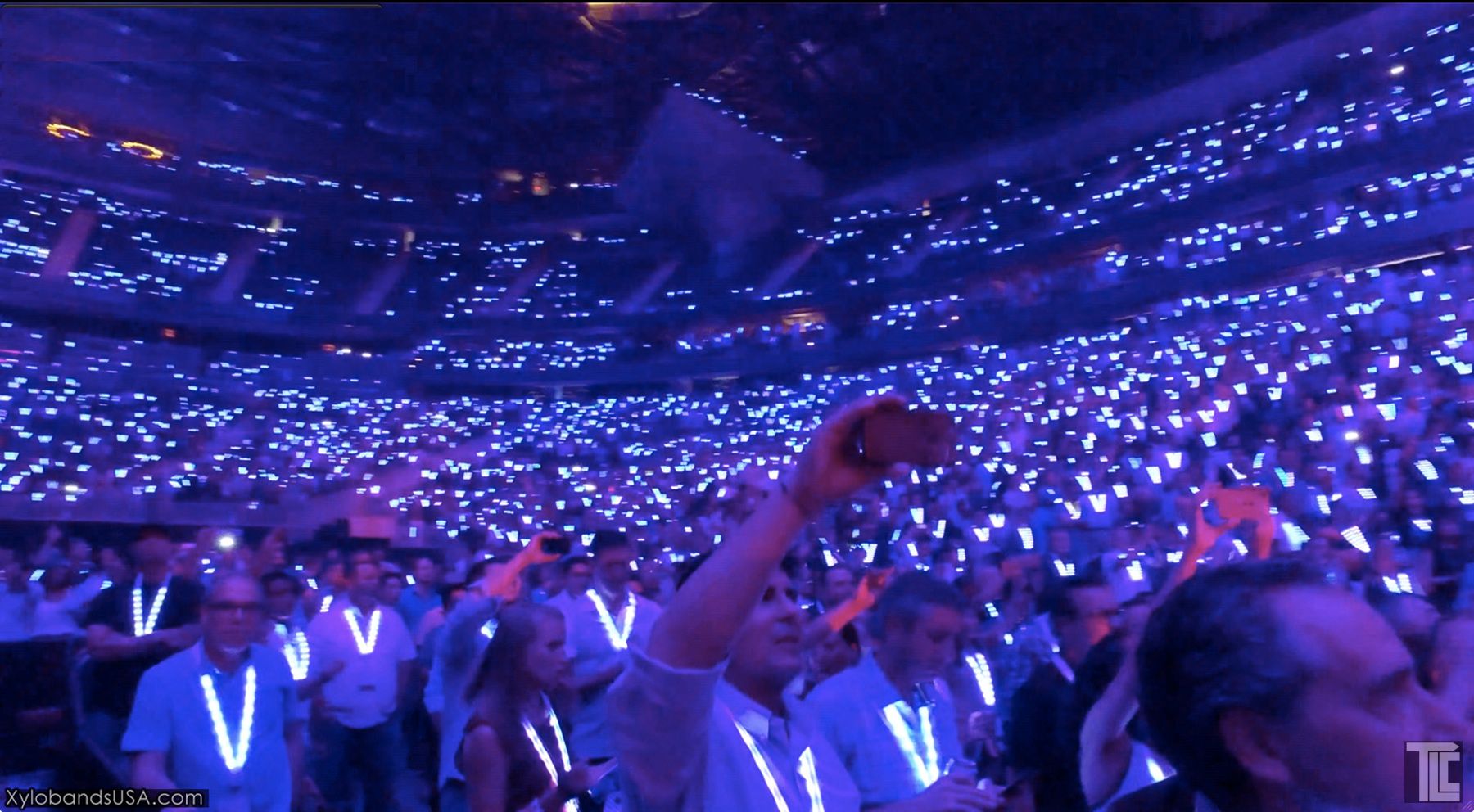
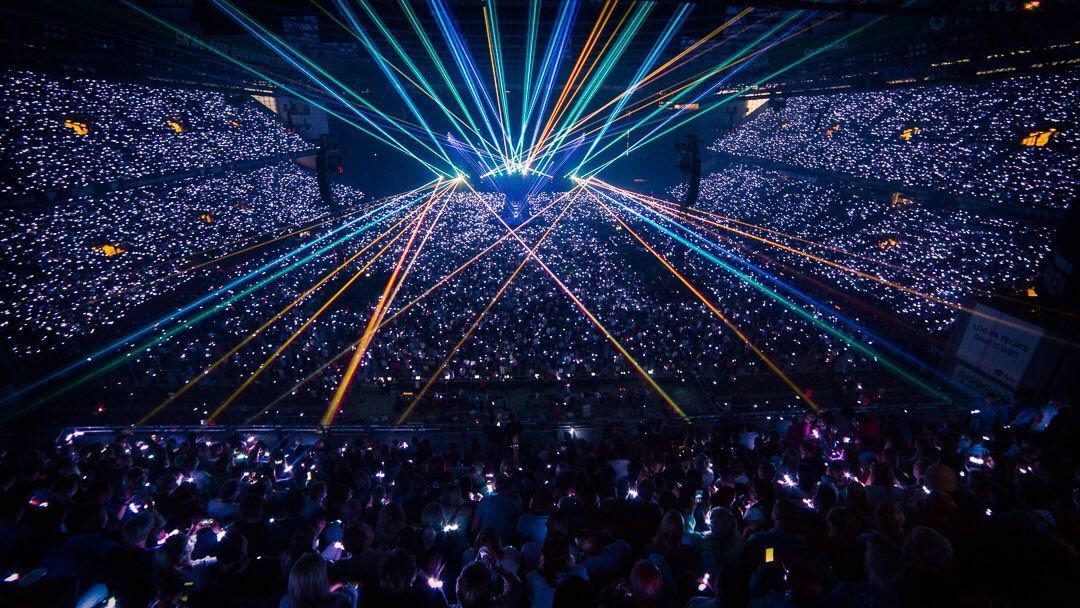
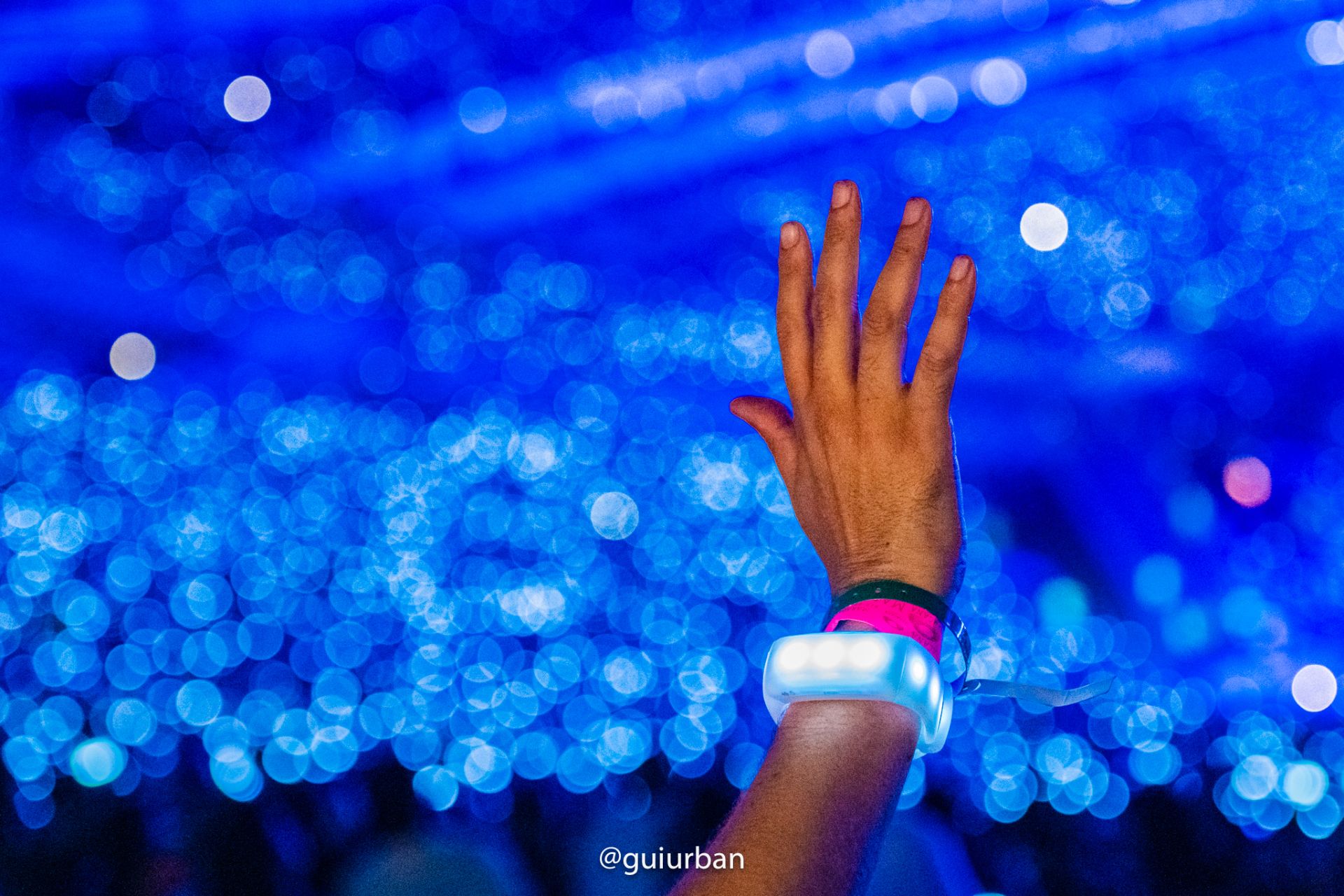
Technology, particularly the kind of immersive event technology that defines modern productions, sits at a critical junction in this conversation. When an artist’s vision calls for tens of thousands of points of light, turning the audience into a living, breathing canvas, the material footprint can be significant. The default assumption for many years was that items like LED wristbands or LED lanyards were single-use swag — a memento for the fan, but a logistical and environmental challenge for the producer.
At Xylobands, we’ve pioneered a different approach. Our system was engineered from the ground up to be robust, reliable, and, crucially, reusable. This isn’t a reactive bolt-on to our business model; it’s a foundational principle that has allowed us to power some of the world’s biggest and most complex productions with a clear conscience.
Take our work with the artist Wizkid for his historic, three-night sell-out run at London’s O2 Arena. Over three consecutive nights, the LED bands were collected, sanitised, and redeployed, ready for the next capacity crowd. This wasn't a compromise on the experience — it was a smarter, more efficient, and more sustainable way to deliver the same stunning visual impact night after night. By topping up quantities as needed and managing a rigorous collection and recycling program for any units that reached their end-of-life, we delivered a world-class production with a fraction of the environmental impact.
The New Logistics: Collection, Reprocessing, and Redeployment
A successful reusable model is about more than just durable hardware. It’s about world-class, reverse logistics. It requires a bulletproof system for:
- Strategic Distribution and Collection: Designing entry and exit flows that make wristband collection intuitive and efficient. This involves clear signage, dedicated collection bins, and staff trained to communicate the sustainability mission to attendees.
- Sanitisation and Reprocessing: Once collected, every unit undergoes a rigorous process of cleaning, battery testing, and functional checks to ensure it’s ready for the next show. Our internal systems are honed to process tens of thousands of units with near-zero failure rates.
- Responsible End-of-Life Recycling: No product lasts forever. The final, critical piece of the circular model is a partnership with certified electronics recyclers to ensure that when a Xyloband does reach the end of its operational life, its components are broken down and re-enter the supply chain, not the landfill.
This model is not just theoretical. We’ve executed it at scale for global brands and tours. At major sporting events like the Davis Cup and corporate event activations for clients like Formula One, where custom LED lanyards were deployed, the principle remains the same: deliver maximum impact with minimal waste. It’s a system that proves sustainability and spectacle are not mutually exclusive.
Beyond Wristbands: A Philosophy for the Future
This circular philosophy extends beyond our core products. It’s a mindset that should permeate every facet of event production. Are the stage materials reusable? Can digital signage replace printed banners? Can we partner with venues that have robust recycling programs and green energy sources? It’s about asking the hard questions at every stage of the planning process.
As artists, brands, and producers, we have a unique opportunity to model responsible behaviour to a massive audience. When a fan participates in a collection program, they are not just returning a piece of tech; they are participating in a larger story about sustainability. They become active stakeholders in a more responsible event ecosystem.
The era of disposable spectacle is over. The future of immersive events will be defined by those who can engineer breathtaking moments while honouring their responsibility to the planet. It is a future built on innovation, efficiency, and a commitment to ensuring the only thing we leave behind are the memories.