The Science of Belonging: Deconstructing Audience Engagement at Scale
From Crowd to Community: The Transformation of the Live Audience
An arena pulses with 20,000 individuals. A festival field holds 50,000 souls. A stadium roars with 80,000 voices. At what point does a collection of strangers become a unified entity, a living, breathing extension of the performance itself? This transformation is not accidental; it is the result of a carefully orchestrated interplay of psychology, technology, and sensory stimulation. For event producers, tour managers, and brand marketers, understanding the mechanics of audience engagement is the key to creating not just a show, but a genuine spectacle.
The fundamental human need to belong is the bedrock of any large-scale shared experience. Psychologically, being part of a group that is focused on a single stimulus—be it a headlining artist, a championship game, or a keynote address—diminishes self-consciousness and enhances a sense of collective identity. This phenomenon, known as "deindividuation," allows attendees to shed their personal inhibitions and become part of something larger than themselves. They are no longer just an individual in a seat; they are a voice in the choir, a face in the roaring crowd.
The Sensory Architecture of Connection
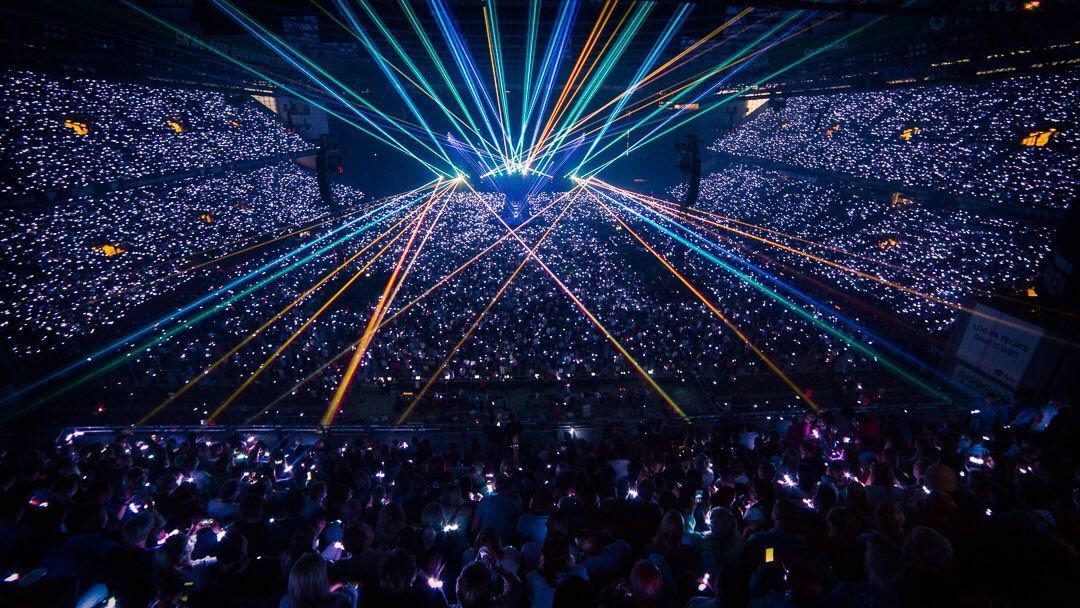
To achieve this state of collective consciousness, we must engage the senses on a massive scale. Sound and sight are the primary tools. A powerful sound system delivering pristine audio ensures every person across a vast space hears the same note at the same instant. But it is light that often provides the most profound and visible manifestation of unity.
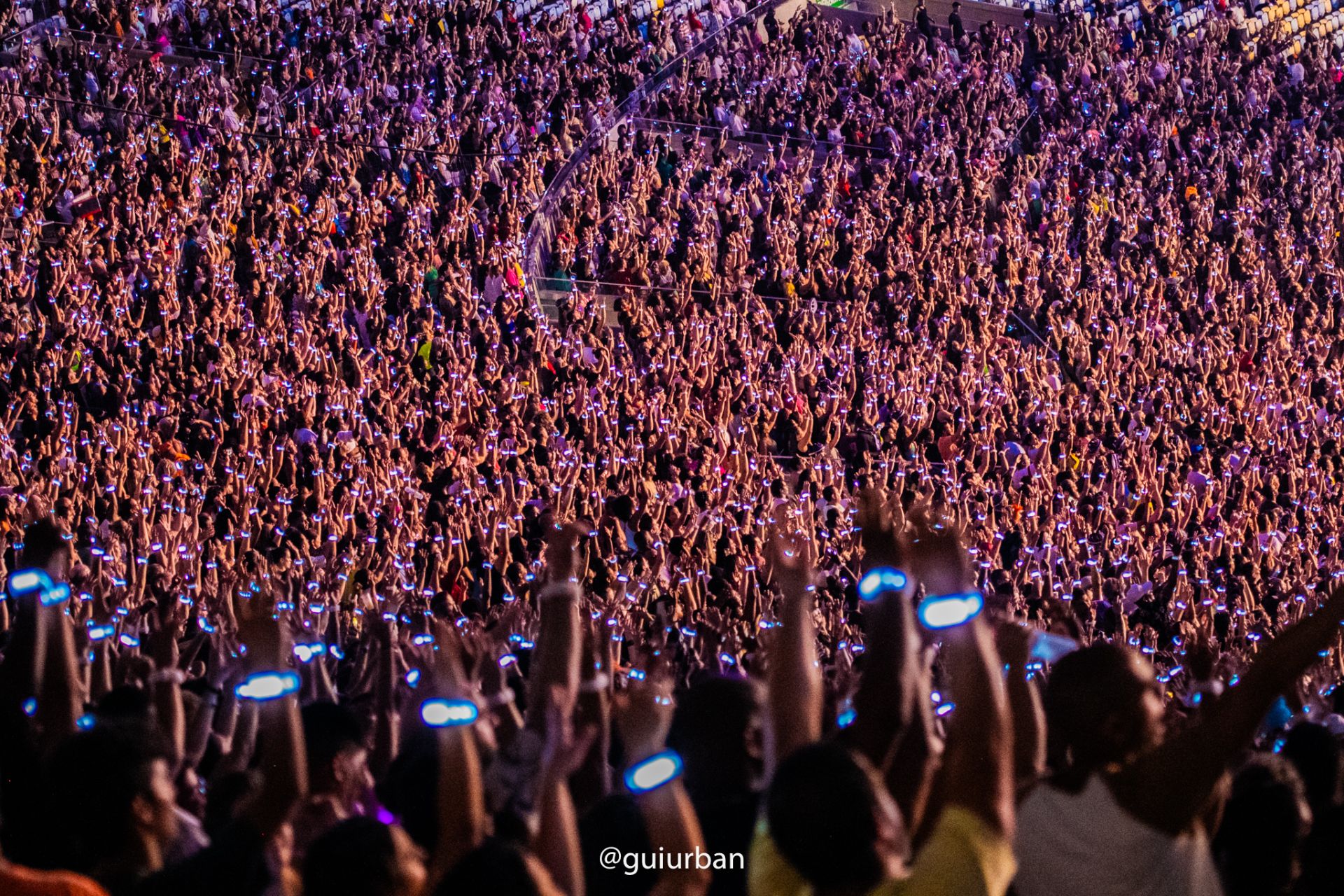
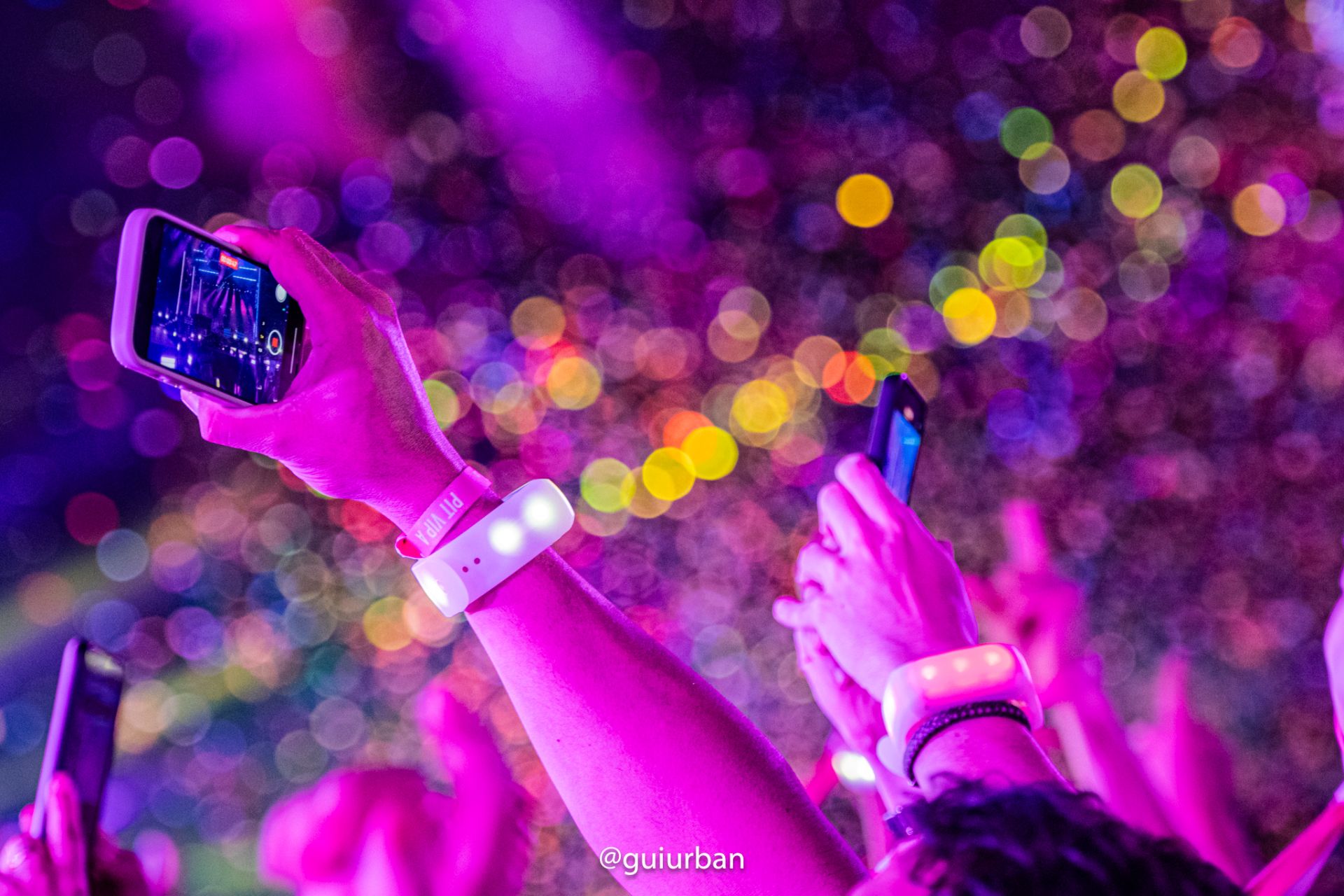
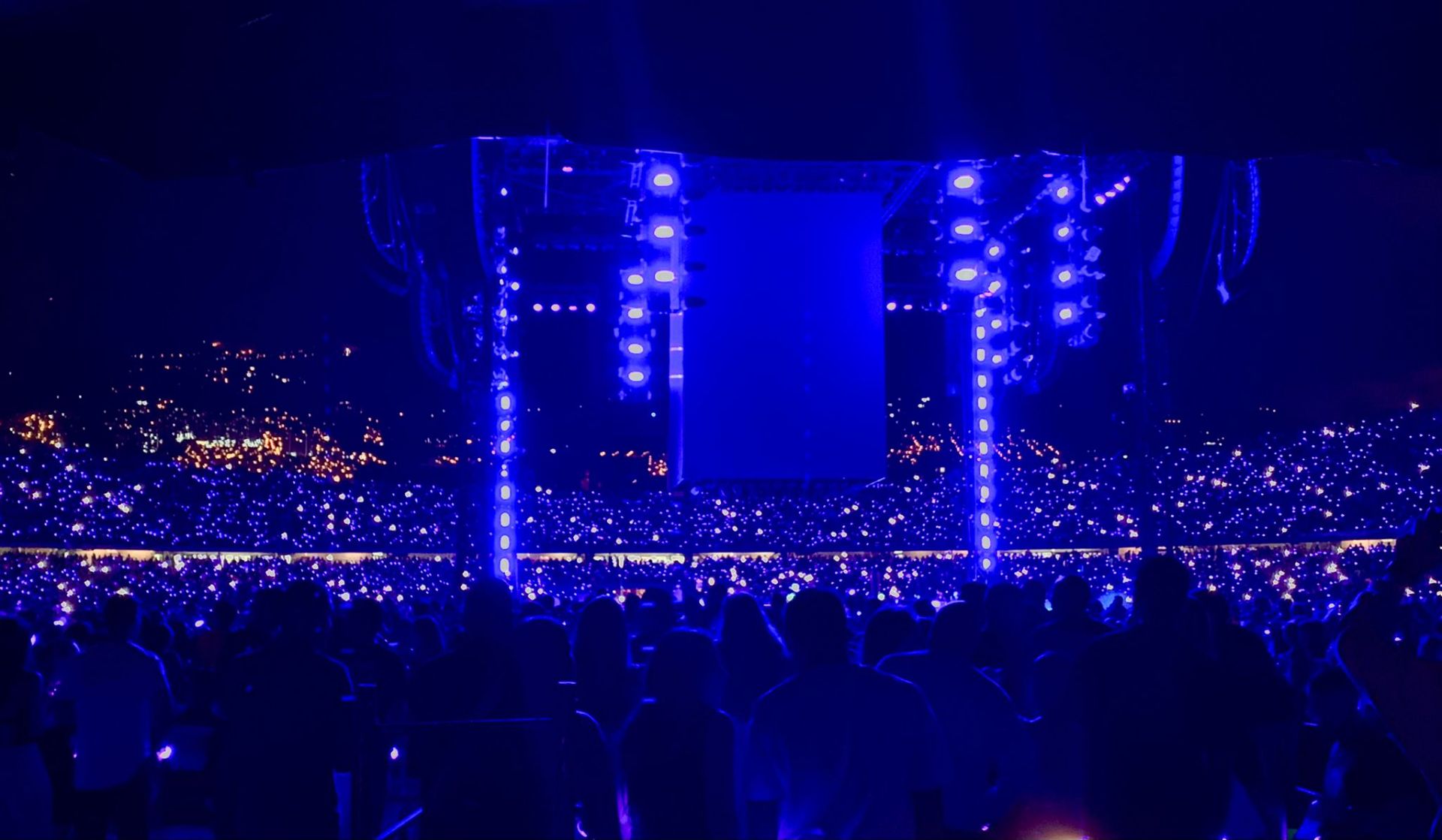
Think of the iconic image of lighters held aloft during a ballad. This was the earliest form of audience-driven light spectacle, a spontaneous gesture of shared emotion. Today, that impulse has been amplified and refined through immersive event technology. When thousands of LED wristbands or LED lanyards ignite in perfect synchrony, the effect is transformative. It is a visual confirmation that everyone present is part of the same moment. This shared visual stimulus reinforces the feeling of unity, turning a passive audience into an active, illuminated part of the show’s design.
"The moment the entire stadium lights up in unison, you are no longer a spectator. You are part of the canvas, a pixel in a grand, moving image. That feeling of being seen and being part of the spectacle is incredibly powerful."
Choreographing Unity with Light
The true art of large-scale engagement lies in choreographing these moments of unity. It’s not simply about turning lights on and off. It’s about creating a dynamic narrative that mirrors the emotional arc of the performance. A slow, gentle pulse of warm light during a quiet moment fosters intimacy, even in a stadium. A rapid-fire strobe of vibrant color during a high-energy anthem fuels excitement and collective euphoria.
This is where radio controlled LED wristbands become an essential tool for show designers. They allow for the precise, real-time control of light across the entire audience, enabling dynamic effects that can:
- Segment the crowd: Imagine creating a visual rivalry between stadium sections during a sports event like the Davis Cup, flashing team colors back and forth across the arena.
- Create waves of light: Mimic the flow of energy moving through the crowd, enhancing the feeling of a living, breathing entity.
- Spotlight individual moments: Instantly illuminate a section of the audience or create a path of light, drawing tens of thousands of eyes to a single point of focus.
- Broadcast readiness: As seen in broadcast-centric events like those for ITV or the Formula One 75th anniversary celebration, a crowd illuminated with Xylobands becomes a stunning, camera-ready backdrop, enhancing the viewing experience for millions at home.
The Psychology of Participation and Memory
When an attendee becomes an active participant in the spectacle, their psychological investment deepens. By wearing a piece of wearable LED technology that responds to the show, they are given a role to play. This active participation heightens emotional engagement and, crucially, enhances memory encoding. We don’t just remember the things we see; we remember the things we *do*. Being part of a massive, synchronized light show is a powerful kinetic and visual memory.
This principle is fundamental to successful corporate event activations. A brand doesn’t just want an attendee to watch a presentation; it wants them to feel part of the brand’s story. By turning the audience into an immersive light show, companies can create a powerful, non-verbal message of unity and innovation, leaving a lasting impression far more potent than a simple logo on a screen.
Beyond the Event: The Lingering Glow
The experience doesn’t end when the house lights come up. The psychological impact of being part of a deeply connected, large-scale event lingers. Attendees leave with a strengthened sense of community and a powerful memory of collective effervescence. The concert wristbands they take home become tangible souvenirs of that feeling of belonging.
In an increasingly digital world, the visceral, communal nature of live events is more vital than ever. The ability to master the psychology of the crowd, to transform thousands of individuals into a unified, illuminated whole, is the future of live experiences. It’s not just about creating a show; it’s about architecting belonging, one moment and one point of light at a time.