Seeing the Unseen: Using Light and Data to Enhance Crowd Safety and Flow
The New Science of Crowd Dynamics
For decades, managing mass gatherings was an imprecise art, a matter of ticket scans, turnstile clicks, and observational guesswork. Event producers and security personnel relied on experience and intuition to predict crowd behaviour, identify potential bottlenecks, and respond to incidents. But in an era of ever-larger and more complex live events, from sprawling music festivals like Glastonbury to high-stakes sporting events like the Davis Cup, intuition is no longer enough. The industry needs a more granular, real-time understanding of how crowds move, coalesce, and react. We need, in short, to see the unseen.
The challenge has always been one of data. How do you accurately map the fluid, often chaotic movement of tens of thousands of individuals without being intrusive or compromising the very experience they came to enjoy? The answer, surprisingly, may lie in the same technology that has been lighting up those experiences for years.
From Illumination to Information
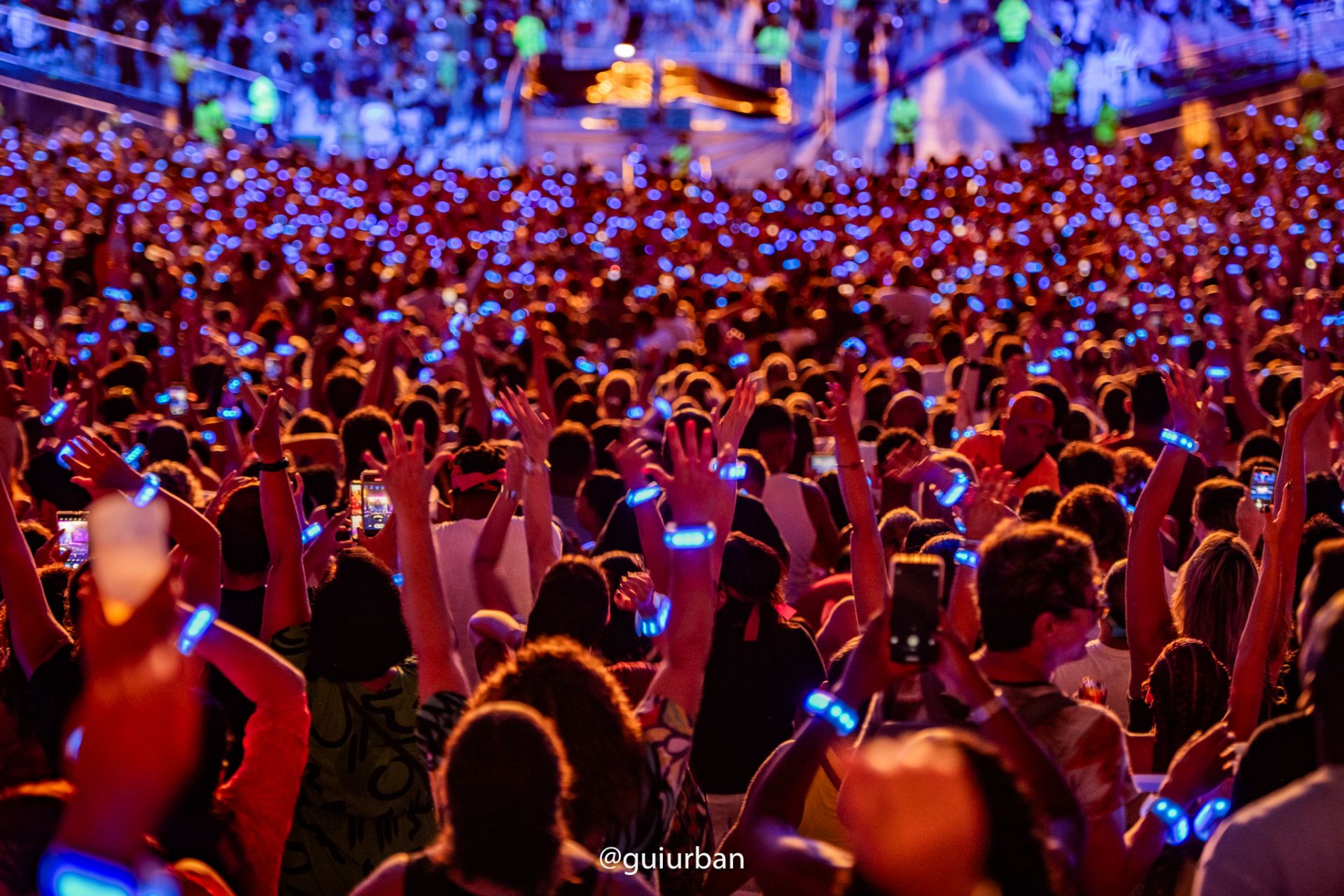
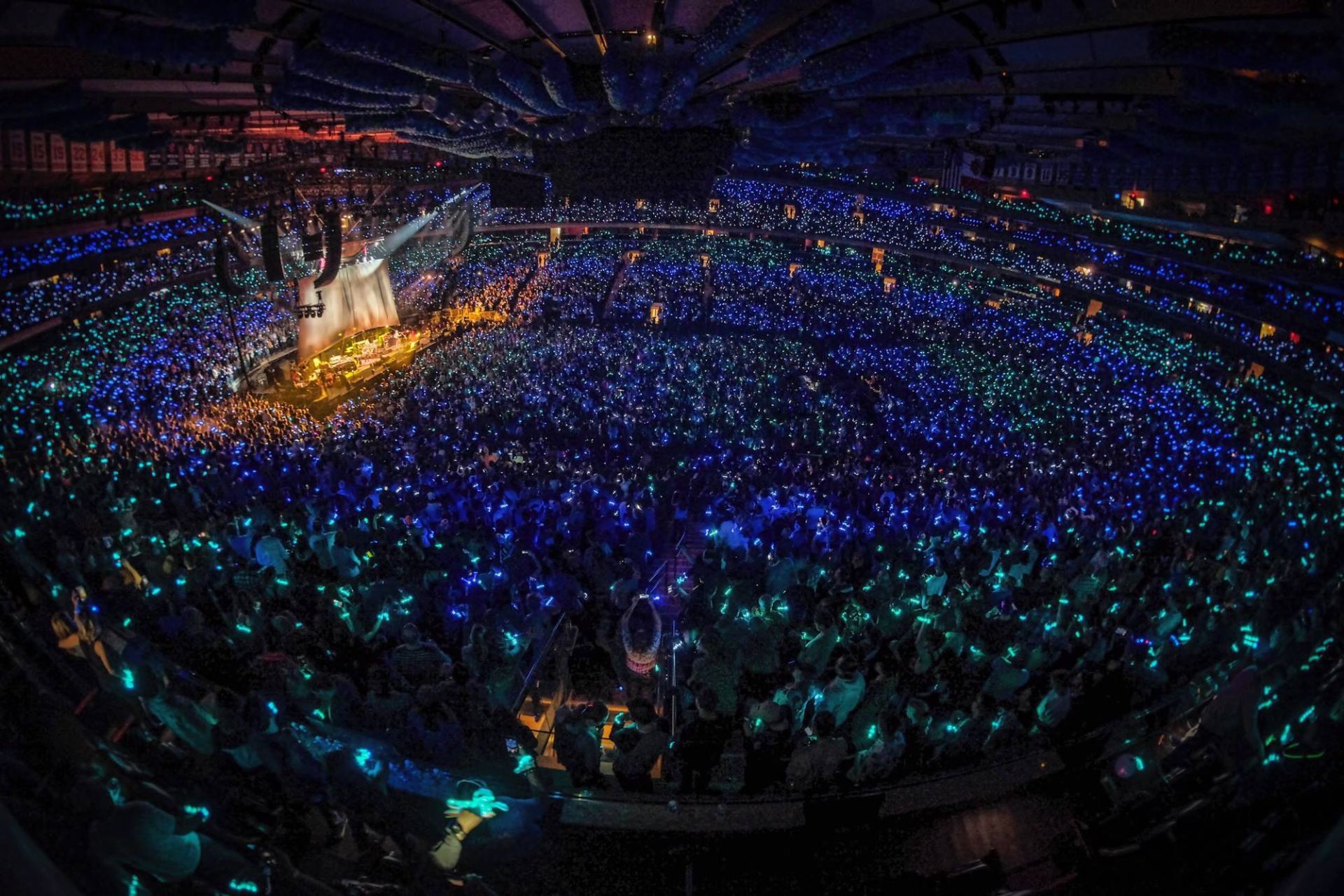
At Xylobands, our journey began with a creative vision: to turn a passive audience into an active, illuminated canvas. The debut of our LED bracelets on Coldplay’s Mylo Xyloto tour transformed the concert experience, creating a visual dialogue between the artist and the audience. What started as a tool for artistic expression, however, has evolved into something with far broader implications. The same radio-controlled and infrared networks that trigger a million points of light in perfect sync can also serve as a powerful data-gathering infrastructure.
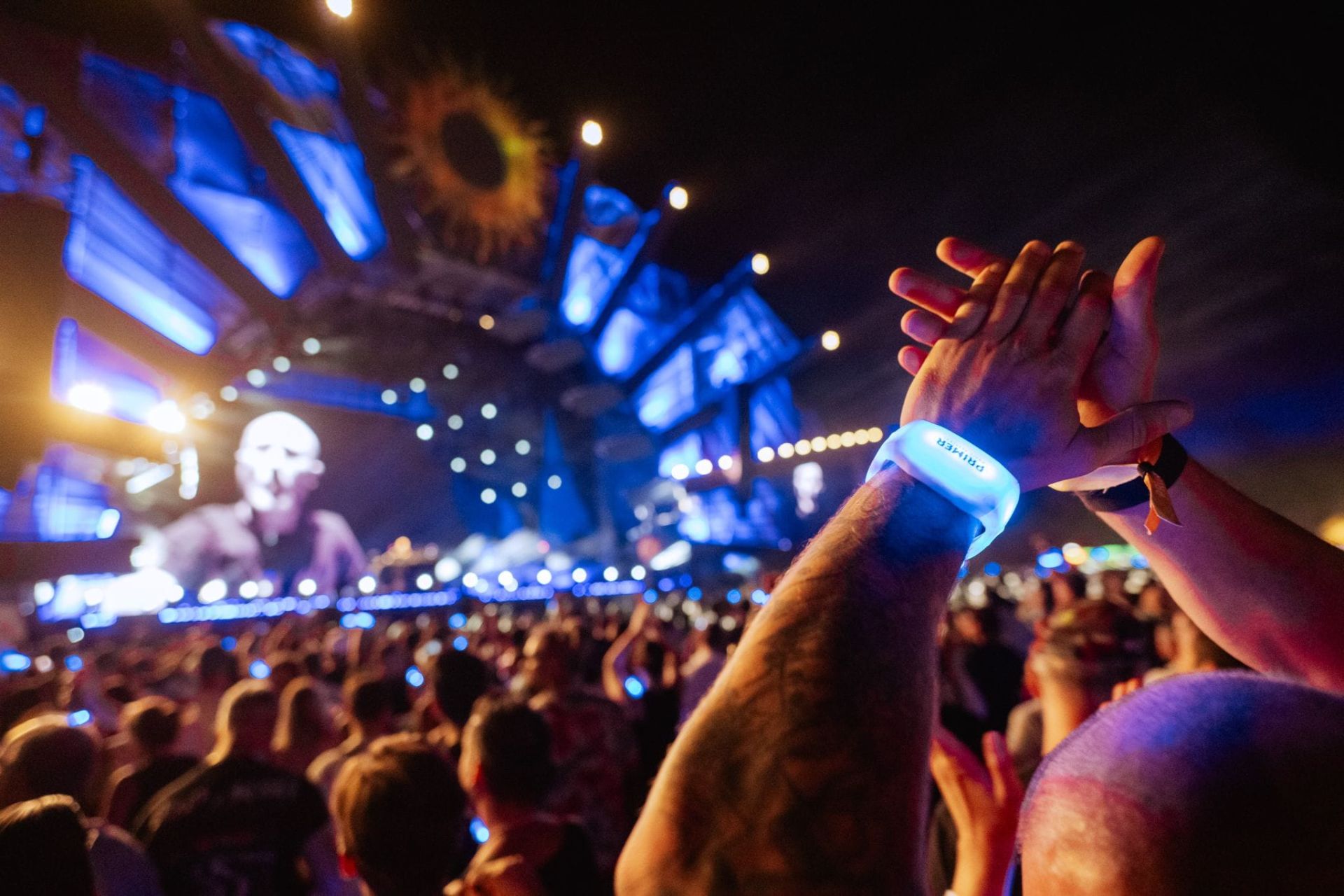
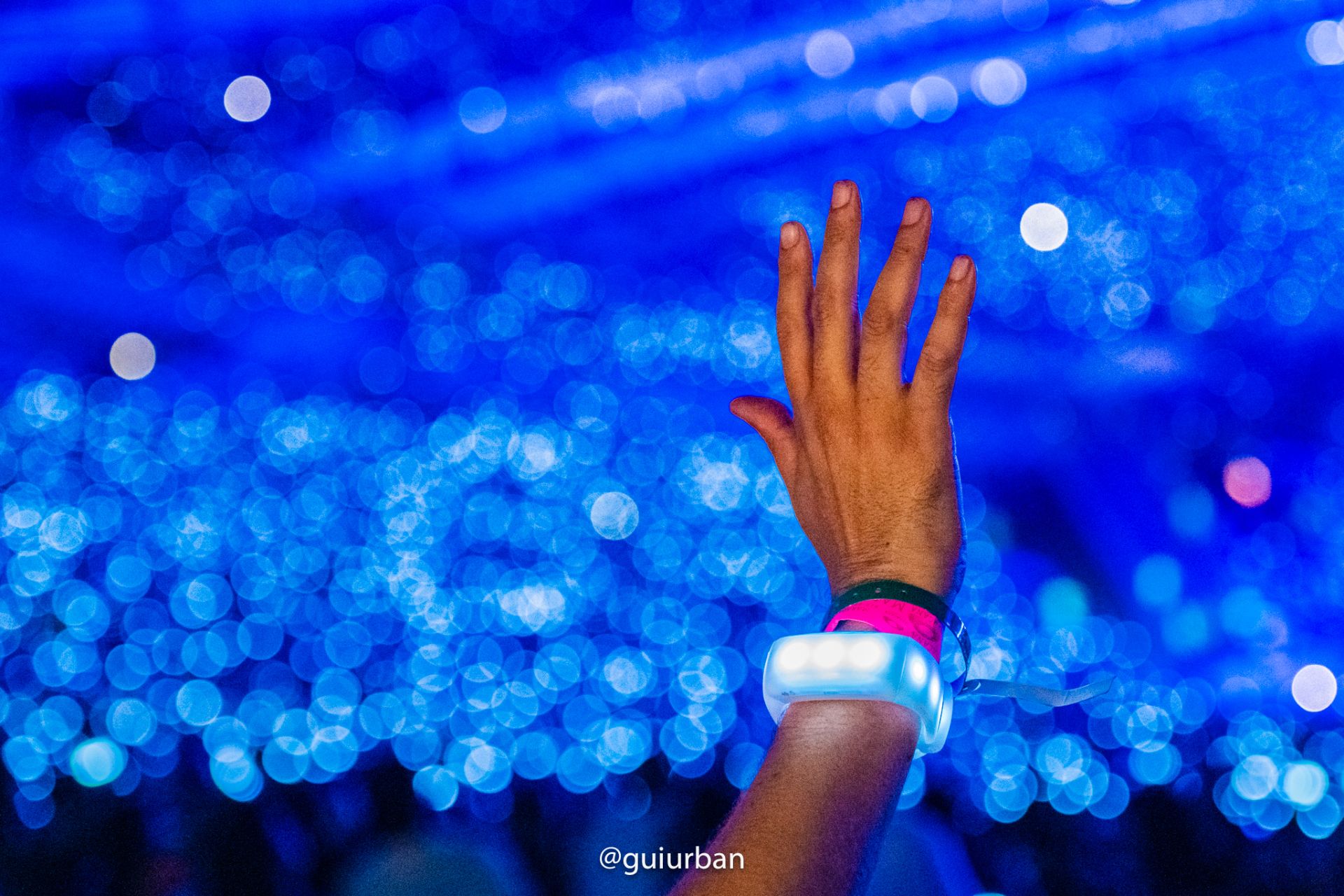
Each wristband, lanyard, or LED wearable is more than just a light source; it's a mobile, geo-locatable node in a dynamic network. This opens up a new frontier in crowd analytics. Instead of relying on static overhead cameras or delayed cell phone data, event organisers can now gain a real-time, anonymised view of crowd density, flow, and behaviour. This is the core of modern immersive event technology: systems that enhance the experience while simultaneously providing actionable intelligence.
Mapping the Human Terrain: Analytics in Action
Imagine a major music festival. The headliner is about to take the main stage, and a massive influx of people is moving from secondary stages and vendor areas. Traditionally, managing this surge is reactive. Staff might notice a bottleneck forming and try to redirect foot traffic, but by then, congestion and safety risks are already elevated.
Now, picture the same scenario with a crowd equipped with wearable LED technology. The event’s central control system isn't just thinking about the light show; it’s processing location data from every active wristband. The system visualises this data as a real-time heat map, showing precisely where crowd density is increasing. Algorithms can detect the rate of movement slowing in a specific corridor, flagging a potential bottleneck long before it becomes critical.
The system could then trigger a series of automated or human-directed responses:
- Dynamic Signage: Digital signs are automatically updated to reroute attendees to less congested pathways.
- Targeted Lighting Cues: The LED bands themselves can be used to guide people. For instance, wristbands in a specific zone might pulse with a gentle blue light, subtly nudging that group toward an alternate exit or service area.
- Staff Allocation: Security and event staff can be dispatched with surgical precision to the exact location where they are needed most, rather than patrolling aimlessly.
This data-driven approach enhances safety and improves the overall attendee experience. Less time spent in queues and crushes means more time enjoying the event, which is the ultimate goal for any producer. We've seen the power of transforming a space at massive events for clients like Formula One and Maluma, where managing tens of thousands of people is paramount.
Beyond Safety: Operational Efficiency and Experiential ROI
The applications for this data extend far beyond emergency preparedness. For corporate event activations and brand marketers, this analytical layer offers an unprecedented return on investment.
By understanding how attendees move through a space, sponsors can make data-backed decisions about booth placement. Concessionaires can anticipate demand and manage inventory more effectively. Event producers can optimise the physical layout of future events, removing friction and enhancing flow based on historical data.
This shifts immersive events from being purely about the ‘wow’ factor to being a source of deep, actionable business intelligence. The same custom LED wristbands that create a stunning visual moment during a product launch can also tell you which activation points were most popular, how long attendees lingered, and which pathways they took through the venue.
The Ethical Data Point
The conversation around data and analytics naturally brings up important questions about privacy. This is a responsibility we take seriously. The power of a system like this lies in its aggregation of anonymous data. It’s not about tracking individuals; it’s about understanding the collective pulse of the crowd. The "human sensor" is the group, not the person. The data points are randomised, anonymised, and focused solely on location and density to identify trends and patterns, ensuring personal privacy is never compromised. The goal is to make the environment safer and more efficient for everyone within it.
The future of event management is one where creativity and data science converge. As pioneers in radio controlled LED wristbands, we are excited to be at the forefront of this evolution. The light show has become smarter. It can create moments of breathtaking beauty, unify a crowd of 50,000, and, at the same time, provide the invisible network of data that makes the entire experience safer, smoother, and more intelligent. We are no longer just illuminating the crowd; we are helping to understand it.