The Sensory Bridge: Crafting Truly Inclusive Live Events
The Universal Roar
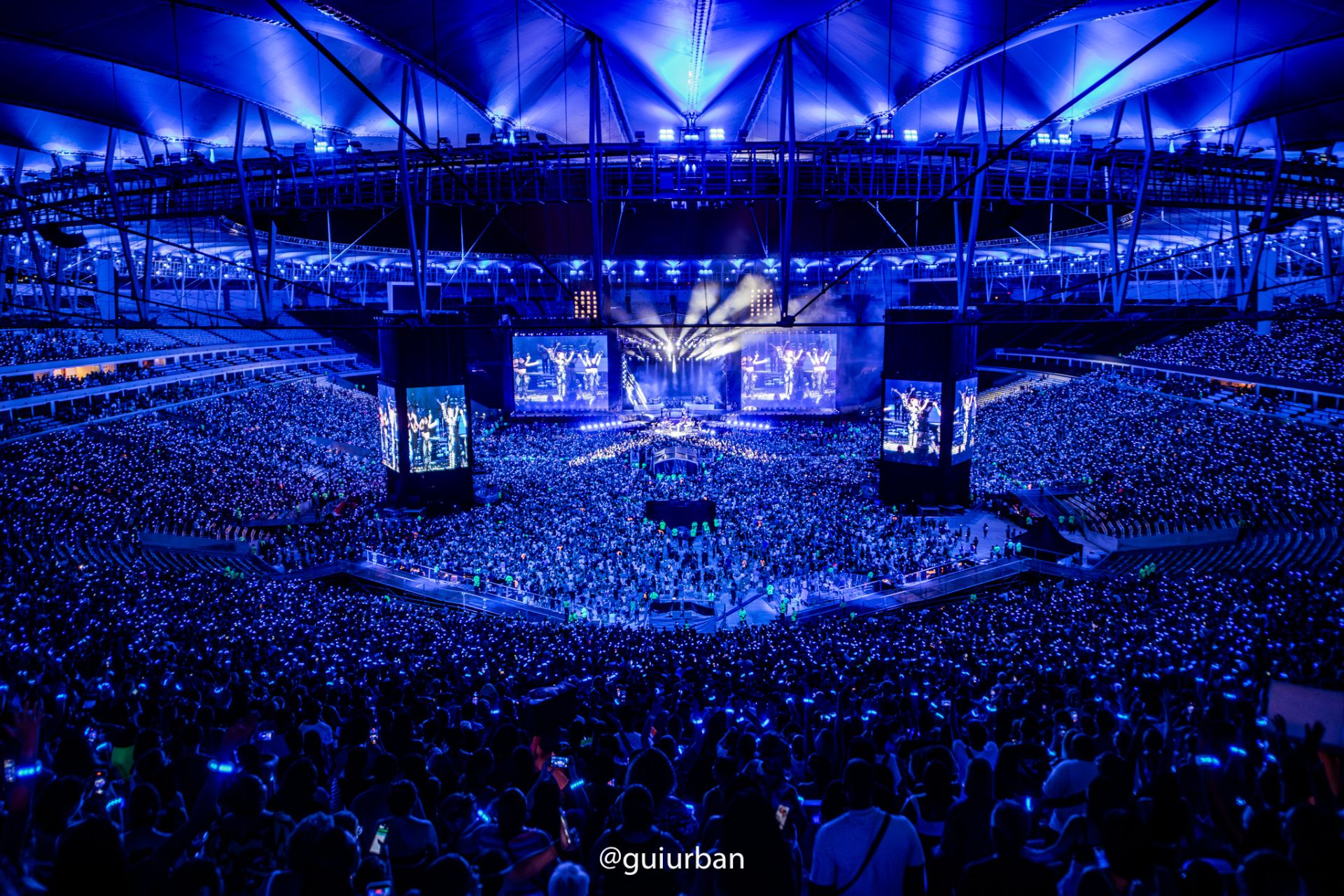
The house lights dim. A roar builds from ten, fifty, eighty thousand people, becoming a single, physical force. It’s the foundational moment of any live event—a collective intake of breath before the spectacle begins. For decades, we’ve designed experiences around this crescendo of sound and sight. But as we engineer ever-more breathtaking moments, we must ask a critical question: is the roar truly universal? Is the spectacle accessible to every single person in the crowd?
For a fan with a hearing impairment, the sonic landscape is fundamentally different. For someone with a visual impairment, the intricate lighting design may be lost. For an individual with sensory processing sensitivities, the sheer volume of stimuli can be overwhelming rather than exhilarating. The future of live entertainment, from global concert tours to corporate event activations, hinges not on making experiences louder or brighter, but on making them deeper, richer, and more inclusive. This requires moving beyond compliance—beyond ramps and designated seating—and into the realm of truly inclusive sensory design.
Beyond the Ramp: A New Philosophy of Access
Traditional accessibility has focused, rightly, on the physical logistics of navigating a venue. But for live entertainment to evolve, our definition of access must expand to encompass the sensory experience itself. How can we ensure the emotional arc of a performance is felt by someone who cannot hear the music? How can the unity of a crowd be experienced by someone who cannot see the thousands of other faces?
The answer lies in creating multi-sensory touchpoints—translating the core emotional and narrative beats of an event into a language that everyone can understand. Light, when wielded with intention and precision, becomes one of the most powerful tools in this new toolkit. It is a silent, visceral language capable of conveying rhythm, emotion, and connection across an entire stadium.
Light as a Universal Language
This philosophy has been at the core of Xylobands since the very beginning. The idea was born from a moment of profound sensory connection at a Coldplay performance during Glastonbury Festival. Watching the band play “Fix You,” our founder Jason Regler was struck by a line: “Lights will guide you home.” It sparked a revolutionary thought: what if the lights didn’t just emanate from the stage, but from the audience itself? What if every single fan could become a part of the show, a pixel in a vast, living canvas of light?
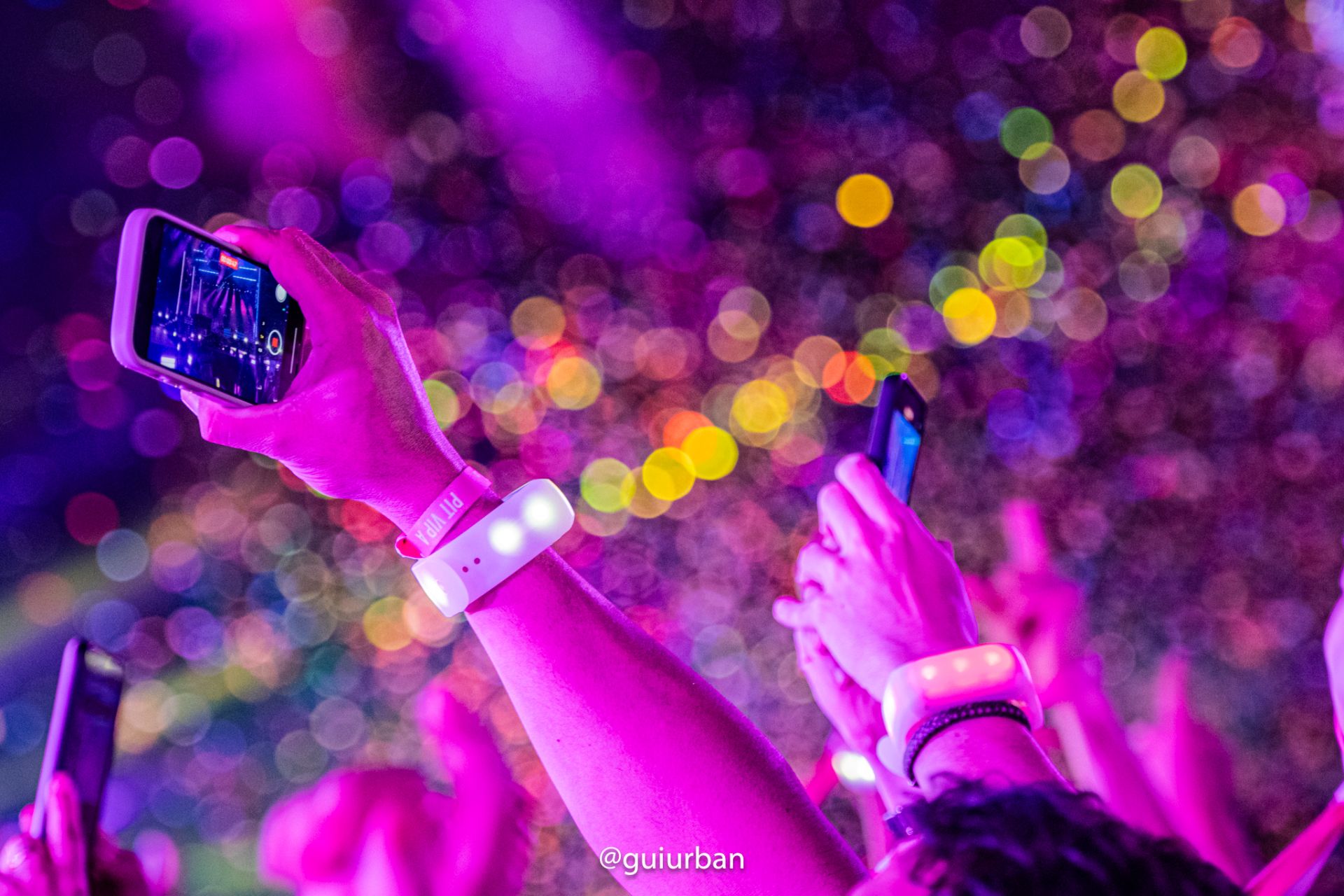
This question led to a close collaboration with Coldplay for their Mylo Xyloto tour. The vision was not merely to augment the show, but to create a new layer of communication that unified every person in the arena. The result was the birth of the Coldplay Xylo Band, a technology designed to make the audience the spectacle. Today, these radio controlled LED wristbands are an iconic part of the Coldplay experience, but their origin is a powerful lesson in inclusive design. The goal was to ensure that no one was left in the dark; that every individual, regardless of their position or how they experienced the world, was an equal participant in the magic.
The Technology of Togetherness
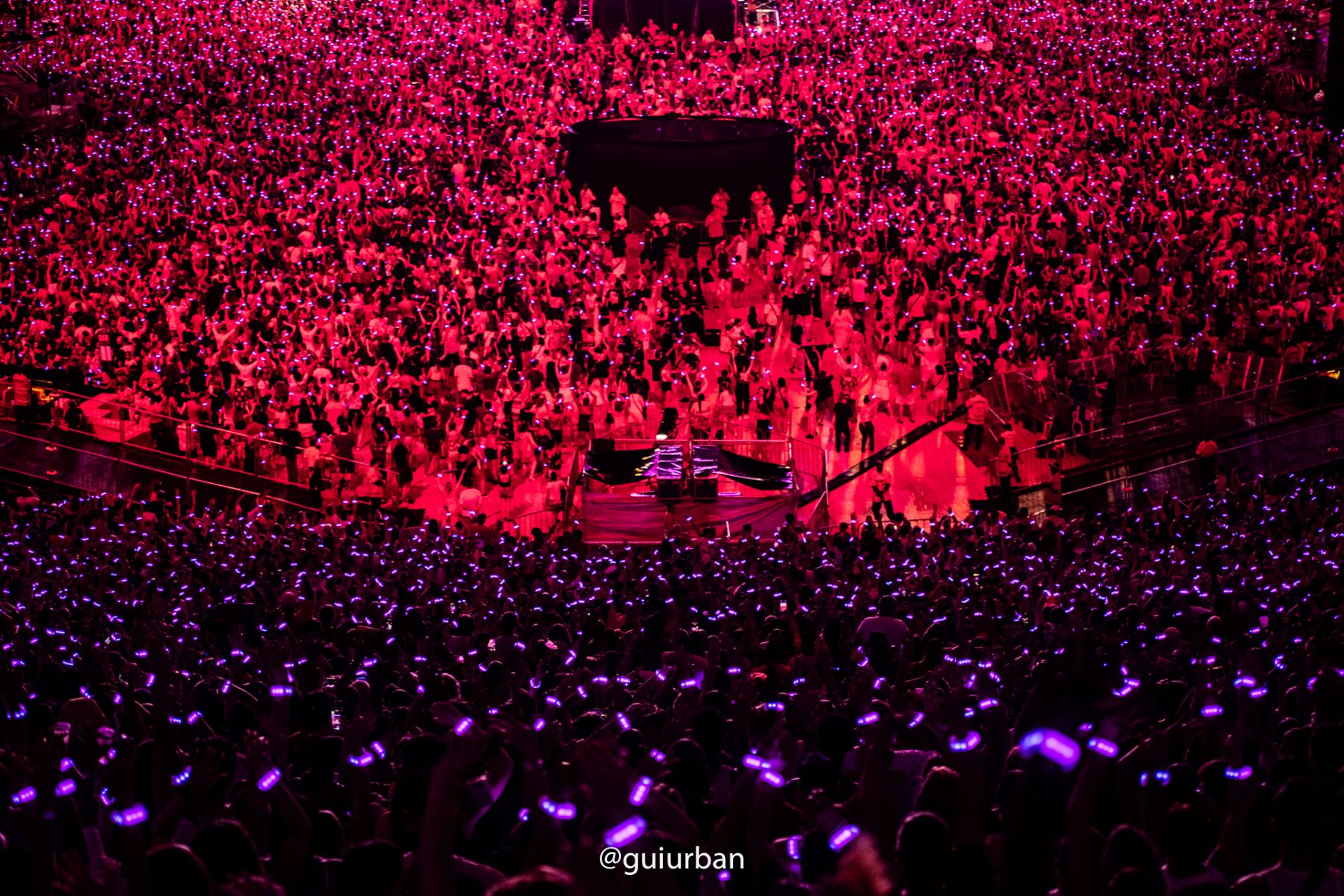
This is not about random flashing lights. True immersive event technology is about choreographed, meaningful communication. The technology allows a single lighting designer to become a conductor, orchestrating the emotional journey of an entire audience. A sudden drop in a song becomes a unified pulse of red light across the stadium. A soaring chorus can be a wave of brilliant white that seems to make the entire venue levitate. For an audience member with a hearing impairment, this transforms the experience; the rhythm is no longer just heard, it’s felt and seen. The music becomes a physical, visual phenomenon shared with everyone in the room.
This synchronized experience, powered by wearable LED technology, creates a profound sense of unity. It breaks down the barrier between the artist and the audience, and between individual audience members. You are no longer just watching a show; you are part of the circuitry. This choreographed approach can also create a more structured and predictable sensory environment, which can be a more comfortable and engaging experience for those with sensory sensitivities than chaotic, unpredictable strobing.
From Stadiums to Festivals: Scaling Inclusivity
The power of light as a unifying, accessible language extends far beyond a single concert tour. It is a tool for building connection at any scale. At sporting events like the Davis Cup, synchronized light shows can channel the passion of rival fans into a single, electrifying atmosphere, visualizing the energy of the game in real-time. For massive electronic music gatherings like PRIMER Festival, where the beat is everything, festival wristbands translate the DJ’s set into a visual spectacle, ensuring the rhythm is a shared experience for every attendee.
This approach to creating powerful LED crowd experiences is as effective for corporate events as it is for global tours. For a brand, ensuring that every attendee at a product launch or conference feels included and engaged is paramount. Whether using custom LED wristbands or LED lanyards, the technology provides a new channel to communicate key moments, energize the room, and create a lasting, shared memory. It’s about ensuring the message and the feeling are received by all.
Designing the Future of Shared Experience
The next frontier in live events will be defined by our ability to design for everyone. Inclusive design isn’t a constraint; it’s a catalyst for the kind of innovation that pushes the entire industry forward. By asking how we can create a more powerful experience for a fan with a hearing or visual impairment, we discover new ways to deepen the experience for everyone. We invent new tools, new techniques, and new forms of artistry.
Building a sensory bridge—using tools like light, haptics, and other forms of sensory input—is the critical work of the next decade. The mission is to ensure that the fundamental magic of live events—the feeling of connection, of being part of something bigger than yourself—is never lost in translation. It’s about engineering a universal language of light, sound, and feeling, so that every fan, everywhere, is guided home.