Beyond The Ramp: A New Mandate for Sensory-Inclusive Events
The Limits of the Obvious
For too long, the events industry has defined "accessibility" in the narrowest possible terms. We built ramps, installed accessible restrooms, and designated specific seating areas. These are crucial, foundational elements of physical access, but they represent the bare minimum. They address the mechanics of getting a body into a space, but they do little to address the quality of the experience for that person once they are there.
The true frontier of inclusive design lies beyond the physical. It lies in the sensory realm: the strategic and empathetic use of light, sound, and space to create experiences that are not just tolerable, but actively welcoming for everyone, including those with sensory sensitivities, neurodiverse conditions like autism, or those managing anxiety or PTSD. It’s a paradigm shift from asking "can they get in?" to "how can we ensure they want to stay, and feel part of the moment?"
Light as a Universal Language
Light is perhaps the most powerful and often overlooked tool in this new, more inclusive playbook. Traditionally, event lighting has been about spectacle and intensity—blinding flashes, chaotic strobes, and overwhelming visual noise. While exhilarating for some, this approach can be exclusionary and distressing for others, creating a sensory barrier that is just as prohibitive as a flight of stairs.
But it doesn’t have to be this way. Modern LED event technology, like the systems pioneered by Xylobands, offers a level of granular control that can transform light from a potential stressor into a powerful tool for inclusion. Instead of a blunt instrument of overwhelming brightness, light can become a nuanced language.
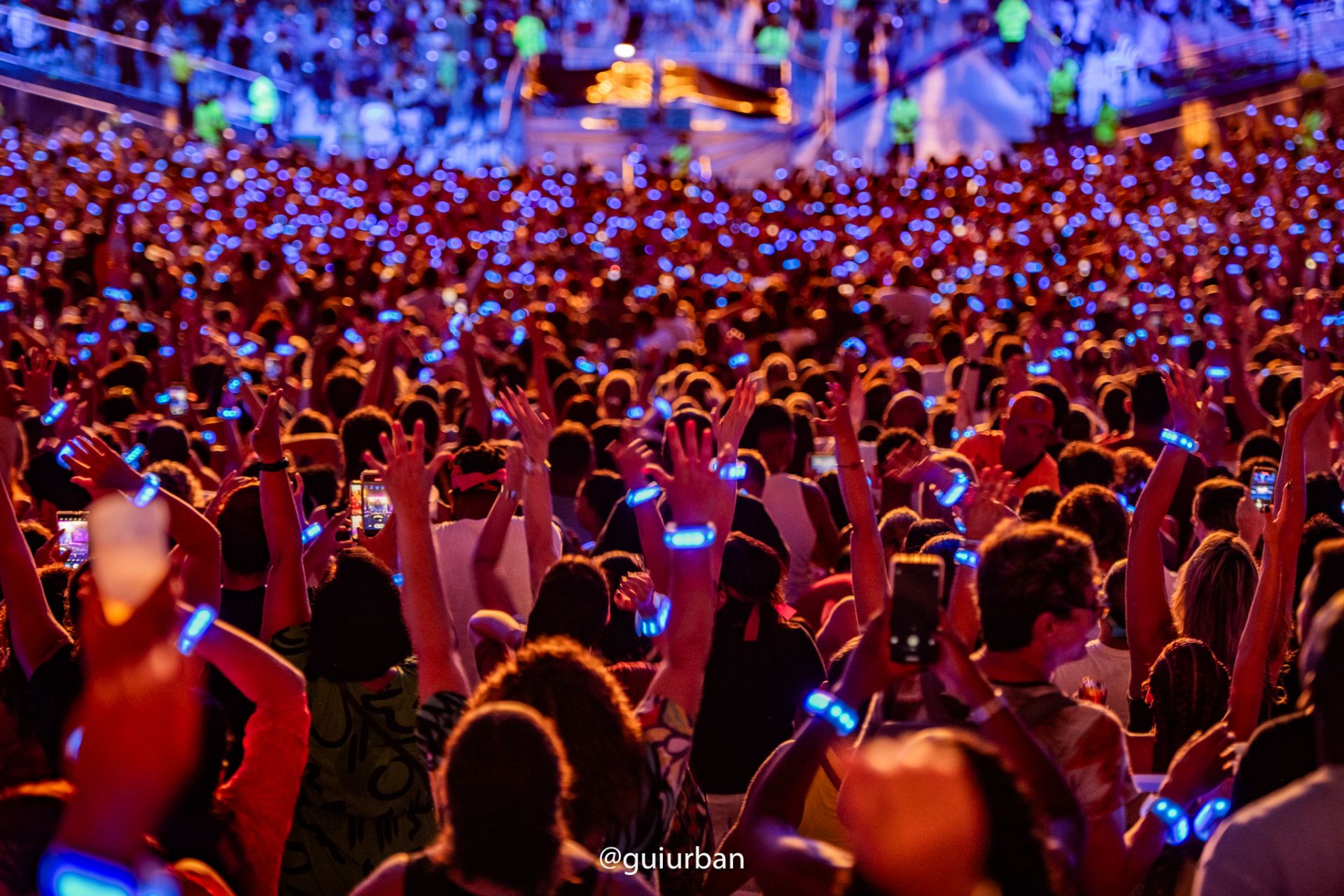
Consider the possibilities. Gentle, flowing pulses of color can create a calming, immersive atmosphere without overwhelming the senses. By syncing wearable LED technology, like our wristbands or LED lanyards, to the emotional arc of a performance, we can guide the audience's experience, building a sense of connection and shared feeling. For guests who might find direct eye contact with performers or even fellow audience members challenging, these points of light offer a comfortable and engaging focal point, allowing them to participate in the collective experience on their own terms. It’s a way of choreographing a shared emotion without forcing a uniform response.
Designing for a Spectrum of Experience
True sensory-inclusive design acknowledges that there is no one-size-fits-all experience. It’s about providing choice and control. For a corporate conference, this might mean designing a main stage with dynamic, high-energy lighting, while also providing designated "sensory-calm" zones where the lighting is softer, the audio is lower, and attendees can decompress.
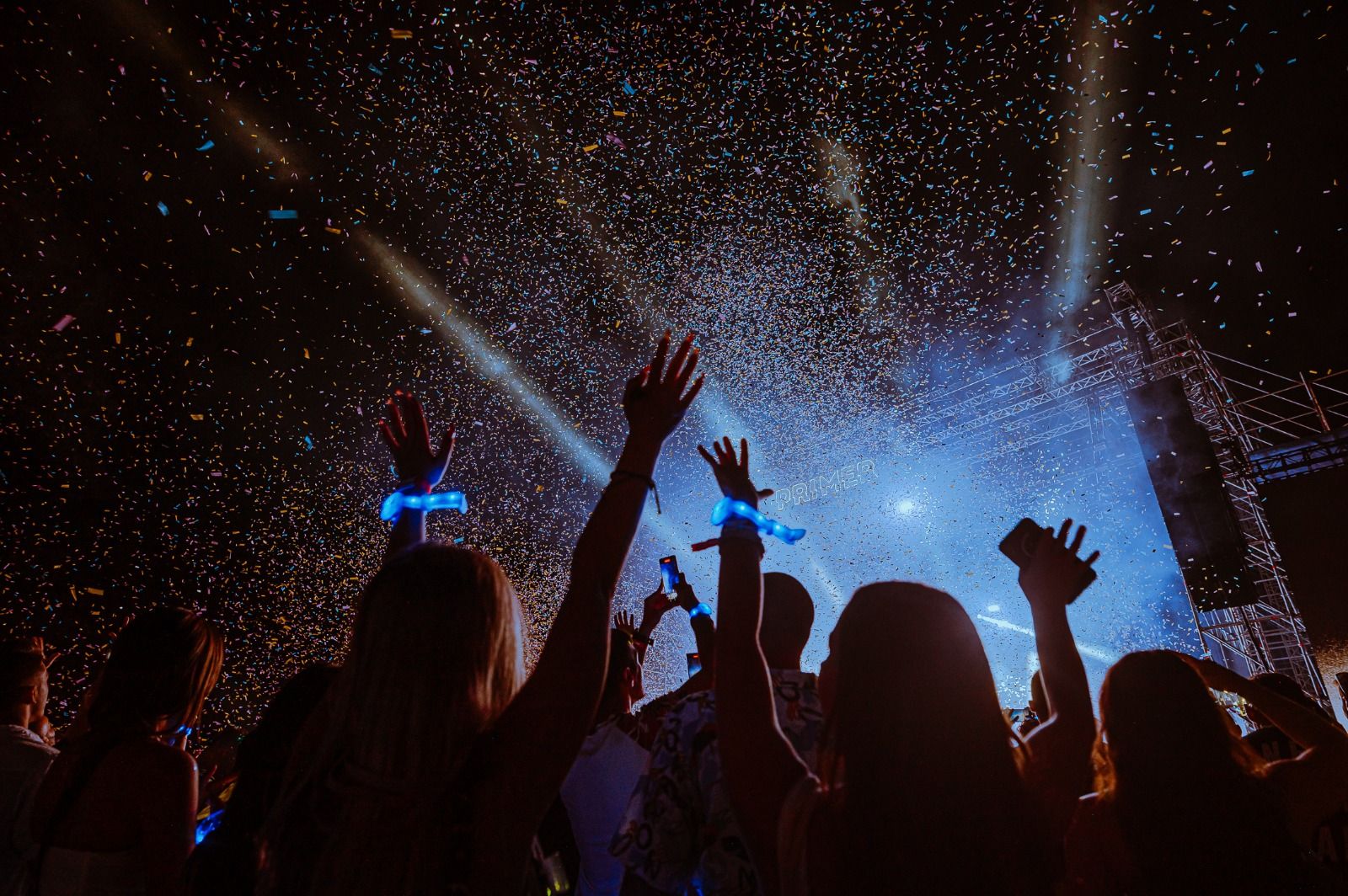
This is where immersive event technology becomes a game-changer. Imagine a festival environment where attendees can opt-in to different levels of sensory experience via an app. Their custom LED wristbands could respond with high-intensity strobing in the main dance area or shift to a slow, ambient glow in a chill-out zone. This empowers attendees to curate their own experience in real-time, ensuring their comfort and maximizing their engagement.
This principle extends beyond just light. It’s about creating a holistic sensory environment. It’s about considering the volume and frequency of audio, managing crowd flow to avoid overwhelming density, and providing clear, visual communication to reduce anxiety. It is a fundamental shift in design philosophy, moving from a single, monolithic production to a flexible, responsive ecosystem.
The Economic and Ethical Imperative
Embracing sensory-inclusive design isn’t just an ethical choice; it’s a strategic one. The audience for live events is not a monolith. By designing for the edges, we create a better, more comfortable, and more engaging experience for everyone in the middle. A parent of an autistic child, a veteran managing PTSD, or simply an individual who finds large, chaotic crowds draining—these are not niche demographics. They represent a significant, and growing, portion of the potential audience.
By ignoring their needs, we are not only failing them ethically, but we are also leaving a significant amount of engagement and revenue on the table. Events that earn a reputation for being truly inclusive and comfortable will cultivate a deeper loyalty and attract a wider audience than those that cater only to the most neuro-typical, sensory-seeking individuals.
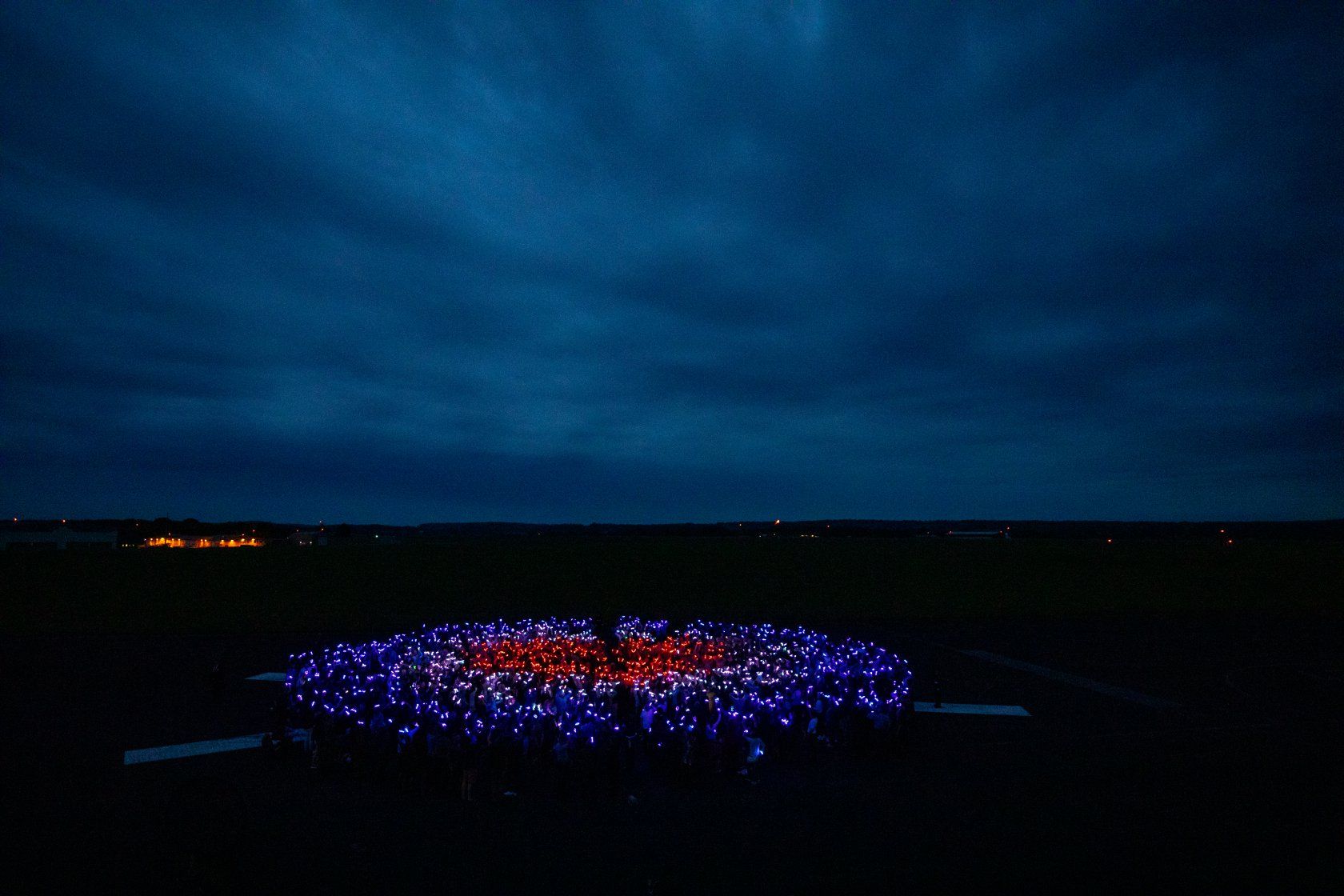
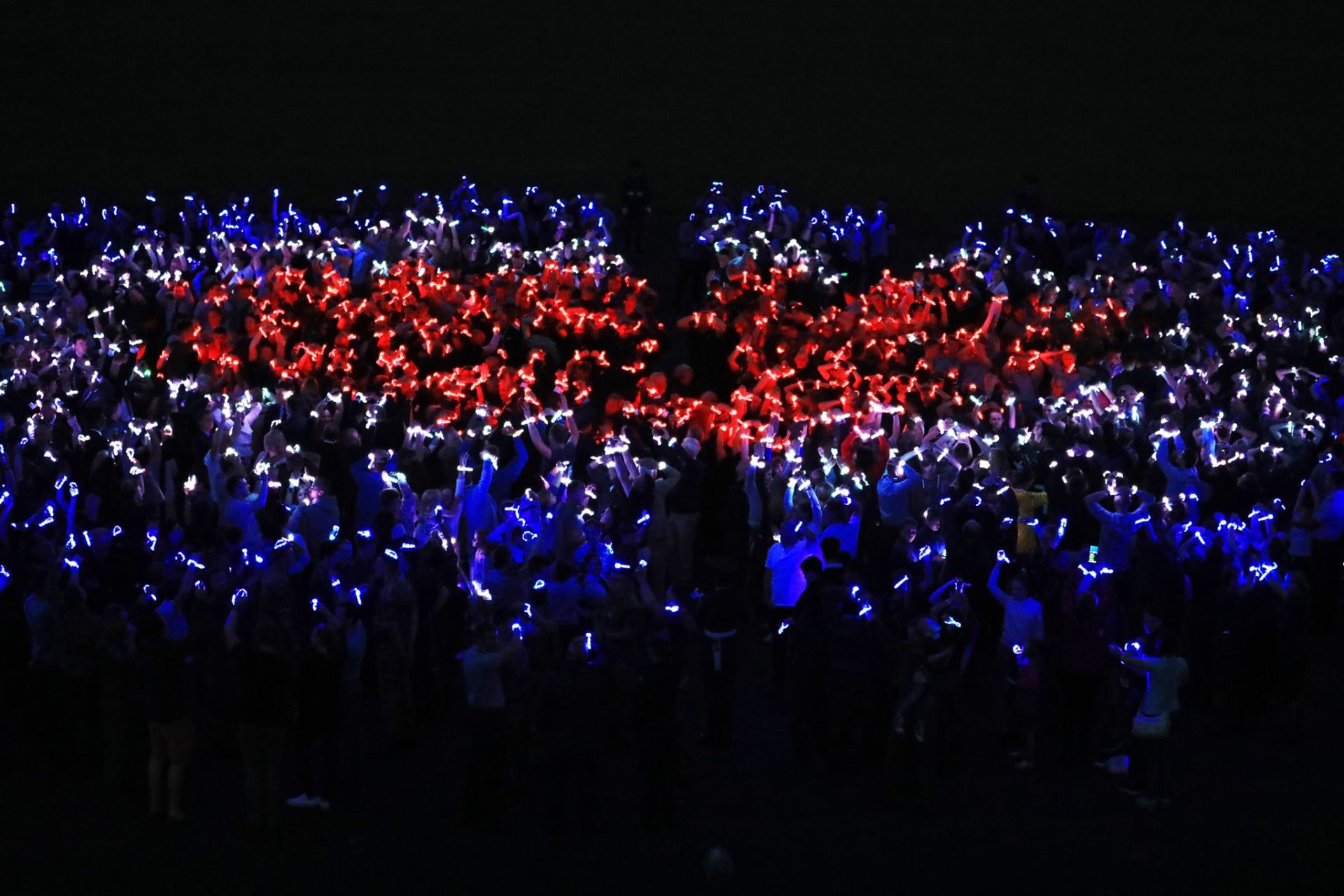
The work we have done with major broadcasters like ITV on shows such as Beat the Chasers has reinforced this lesson. In a studio environment, where the pressure of a live broadcast is immense, managing the audience's energy and comfort is paramount. Controlled, synchronized light transforms a group of individuals into a cohesive visual element, making them part of the show without causing sensory overload. It demonstrates that you can create a powerful spectacle that is both visually stunning for the cameras and comfortable for the people in the room.
The Future is Empathetic
The future of live events will be defined by empathy. It will be built by producers, designers, and technologists who understand that a truly "immersive event" is one that welcomes the full spectrum of human experience. It requires us to move beyond the physical checklist of accessibility and into the more complex, nuanced work of sensory design.
The tools are already here. Radio controlled LED wristbands and other forms of wearable LED technology give us an unprecedented ability to choreograph light and emotion. The challenge now is one of imagination and will. We must have the courage to ask not just who can we get into our venues, but who are we leaving out? And what can we do, with light, sound, and space, to finally guide them home?