The Sentient Crowd: Using Light and Data to Enhance Event Safety
The Unseen Data Layer of Live Events
In the world of large-scale live events, the crowd is the central nervous system. Its energy is the product, its engagement the metric of success. But at the scale of a modern festival or stadium tour, where tens of thousands of individuals converge, that collective energy can be as volatile as it is euphoric. For decades, event producers and security teams have relied on a combination of static CCTV, radio communication, and personnel on the ground to manage the flow, mood, and safety of these temporary cities. It’s a proven model, but one that largely reacts rather than anticipates.
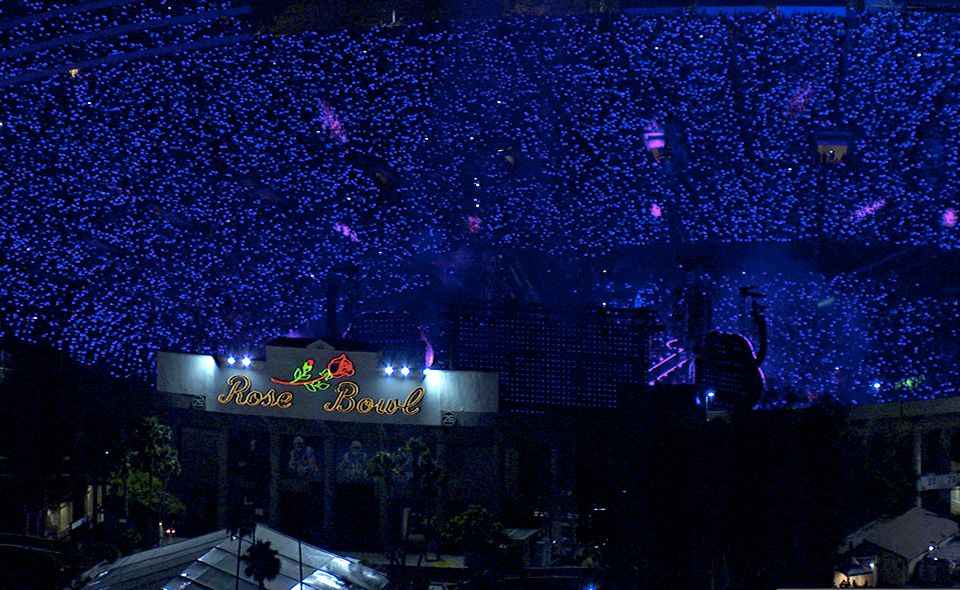
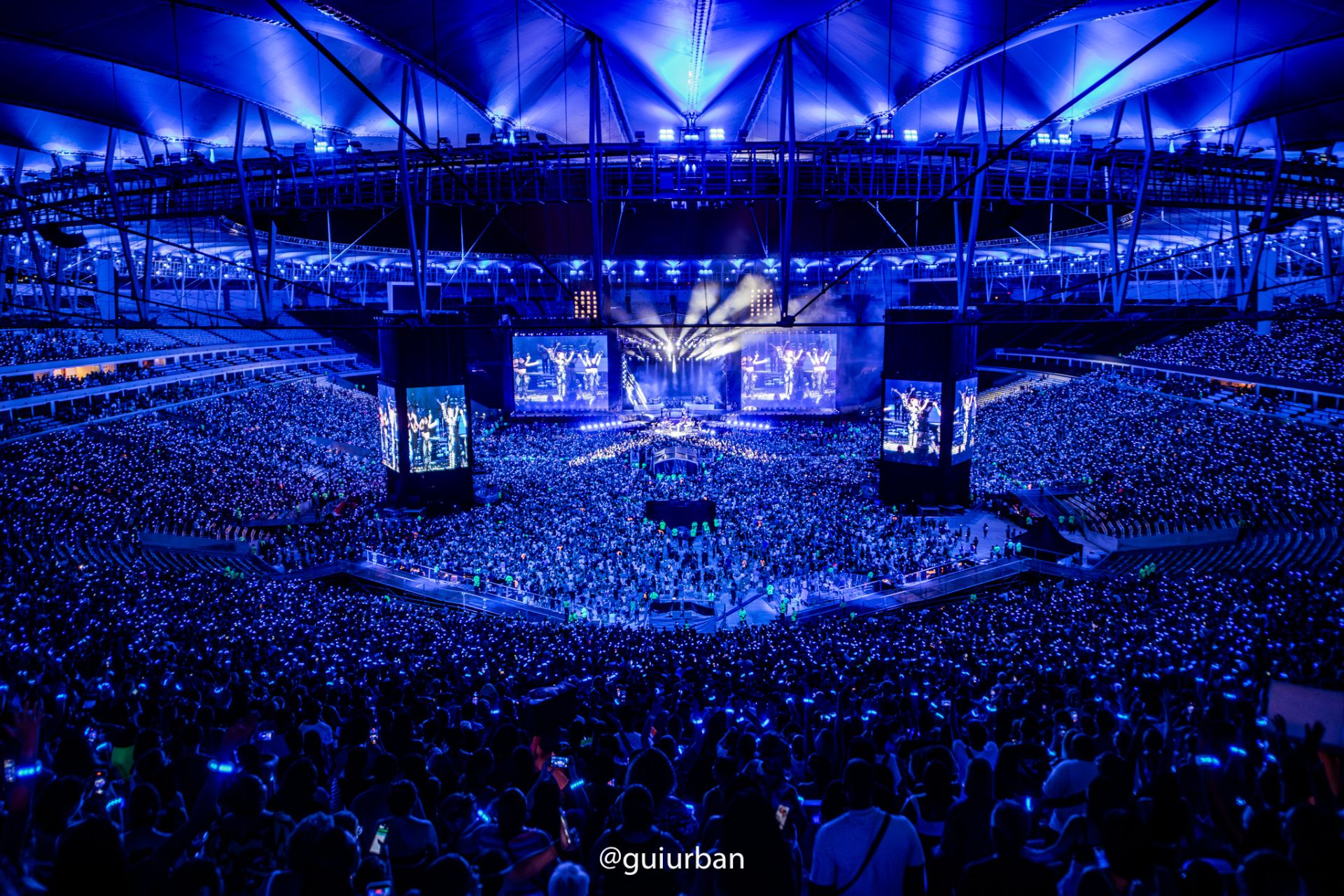
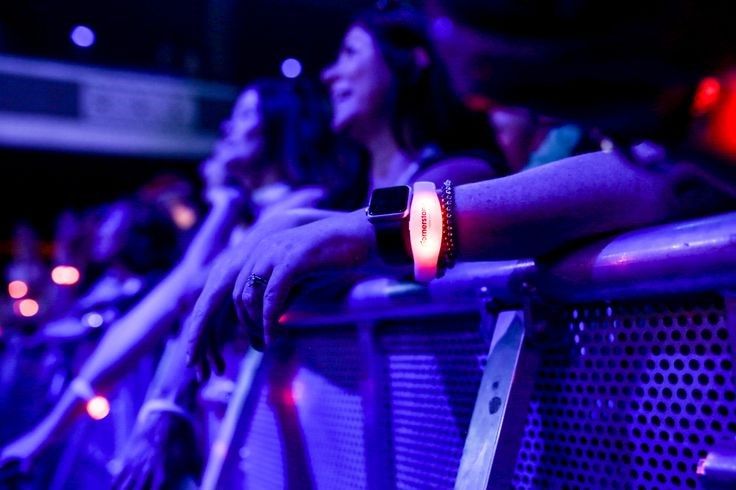
Now, a new, largely invisible layer of data is emerging, one that promises to shift event safety from a reactive to a predictive discipline. The same Immersive Event Technology designed to create stunning visual spectacles is now being repurposed to provide real-time, actionable intelligence on crowd dynamics. The LED wristbands and lanyards that light up a stadium are no longer just tools for spectacle; they are becoming sensors in a vast, living network.
From Spectacle to Sensor: The Dual Role of Wearable Tech
The core function of systems like Xylobands is to place a pixel of light on every person in the audience. Through our proprietary radio-frequency technology, we can control tens of thousands of individual devices, synchronising them to music, video, and lighting cues to create a truly immersive canvas. It’s a system we’ve deployed for artists like Coldplay and Wizkid, and at massive events like the Formula One 75th Anniversary show.
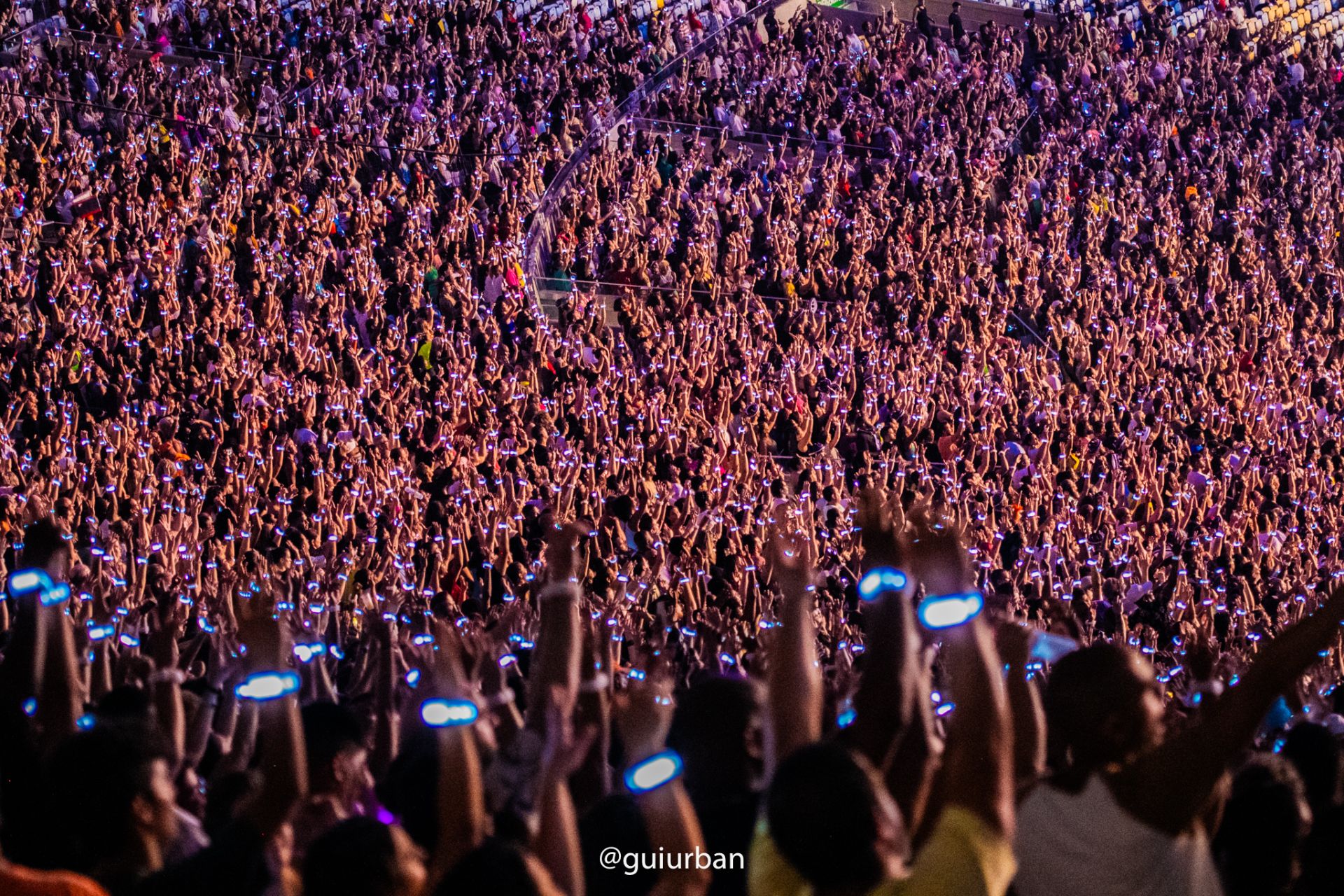
However, the technical infrastructure required to achieve this creative control has a powerful secondary capability. Each wristband is a node in a network, and the network itself can be mapped. Our system architecture allows us to understand the density and distribution of our devices throughout a venue in real time. This isn’t about tracking individuals; it’s about understanding the macro dynamics of the crowd as a single, fluid entity. It’s about seeing the pressure points, the bottlenecks, and the areas of concerningly low or high density before they become critical incidents.
Key Data Points Unlocked by an LED Network:
- Crowd Density and Flow: By analysing signal strength and device distribution, operators can identify dangerous crushing at the front of a stage, or under-utilised zones that could be opened to alleviate pressure. This was a key consideration in multi-stage environments like the PRIMER Music Festival, where understanding audience migration between stages is vital.
- Egress and Ingress Monitoring: The speed at which an area fills up or empties out can be monitored with far greater precision than traditional methods. During an emergency evacuation, this data becomes invaluable, allowing security to direct people towards the most efficient exits and away from new bottlenecks.
- Zone-Specific Communication: A responsive LED network allows for targeted visual communication. In a safety scenario, specific sections of the crowd can be alerted with color-coded warnings. A flashing red pattern in one zone could signal a medical emergency, guiding first responders, while a pulsing green in another could indicate a clear exit path.
The Ethics of Crowd Analytics
It’s crucial to draw a sharp line between anonymous crowd analytics and individual surveillance. The power of this technology lies in its ability to see the crowd as a whole, not to track the movements of any single person. At Xylobands, our system is designed for anonymity. The data is aggregated and used to generate a macro-level view of crowd behaviour, ensuring that the privacy of the individual attendee is never compromised. The goal is not to watch people, but to watch over them.
This approach transforms wearable LED technology from a simple engagement tool into a sophisticated safety instrument. It’s a silent guardian, operating in the background to provide a layer of intelligence that was previously unattainable at this scale. For tour managers, festival organisers, and venue operators, this represents a paradigm shift. The ability to anticipate crowd movements and proactively manage density can prevent incidents before they occur, protecting attendees, staff, and artists.
A Future of Safer Gatherings
The application of this technology extends far beyond music concerts. Consider the logistical complexity of sporting events like the Davis Cup or the Formula One Grand Prix. Tens of thousands of fans moving between grandstands, hospitality suites, and fan zones create a fluid, ever-changing landscape. Using LED lanyards or wristbands not only enhances the fan experience during key moments but also provides the operational team with a live map of crowd distribution, optimising everything from security deployment to vendor staffing.
“We are only scratching the surface of what’s possible when you combine immersive lighting with real-time data. We’ve moved beyond simply making the crowd part of the show; we’re now enabling the crowd to tell us how to keep it safe.”
As event producers continue to push the boundaries of the live experience, the tools they use must evolve. The future of event safety won’t be about more cameras or more guards; it will be about smarter, more responsive environments. By integrating data analytics into the very fabric of the event experience, we can create gatherings that are not only more spectacular but also fundamentally safer for everyone. The light show has a new, unseen purpose: to guide, to protect, and to ensure that the only thing spreading through the crowd is euphoria.