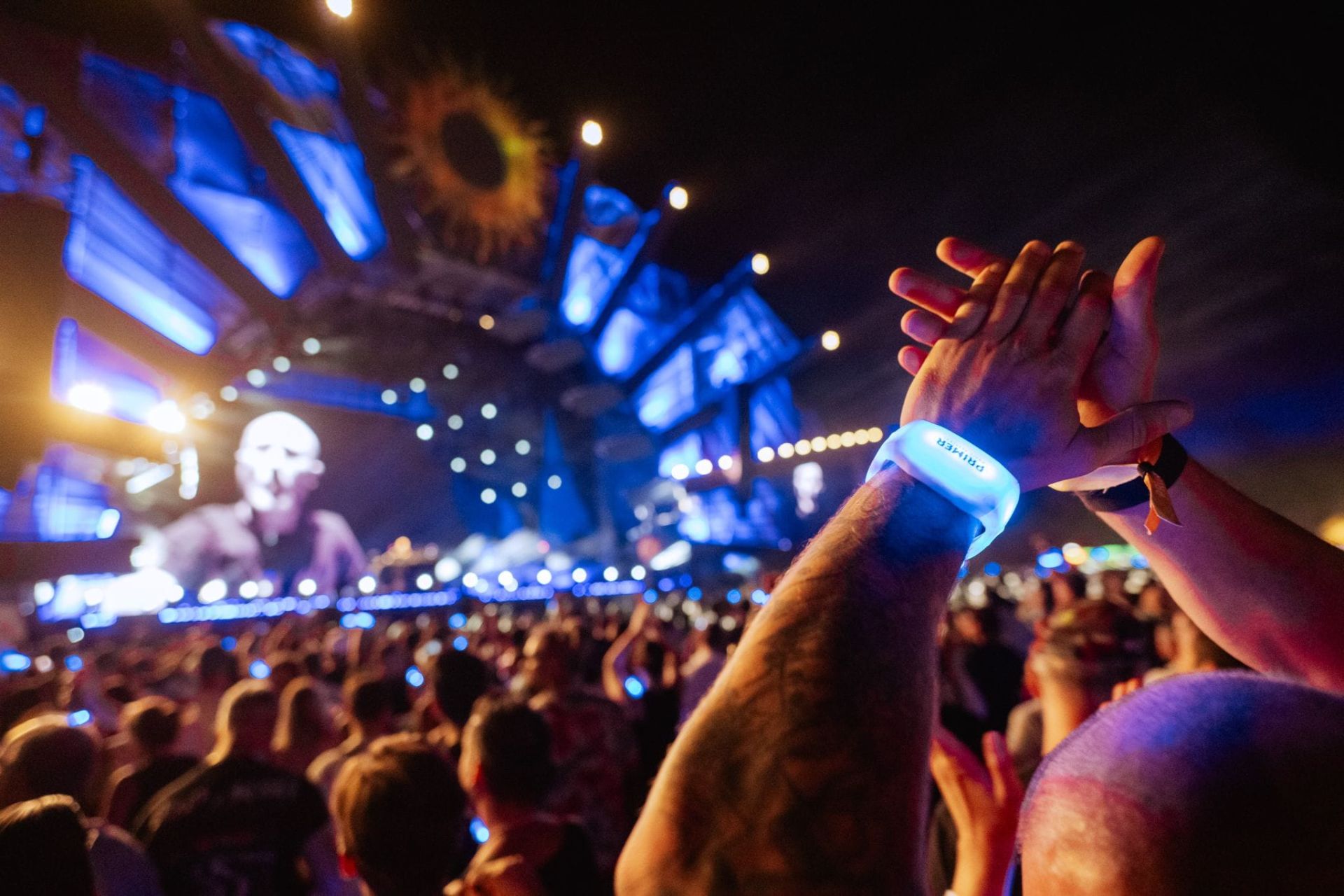
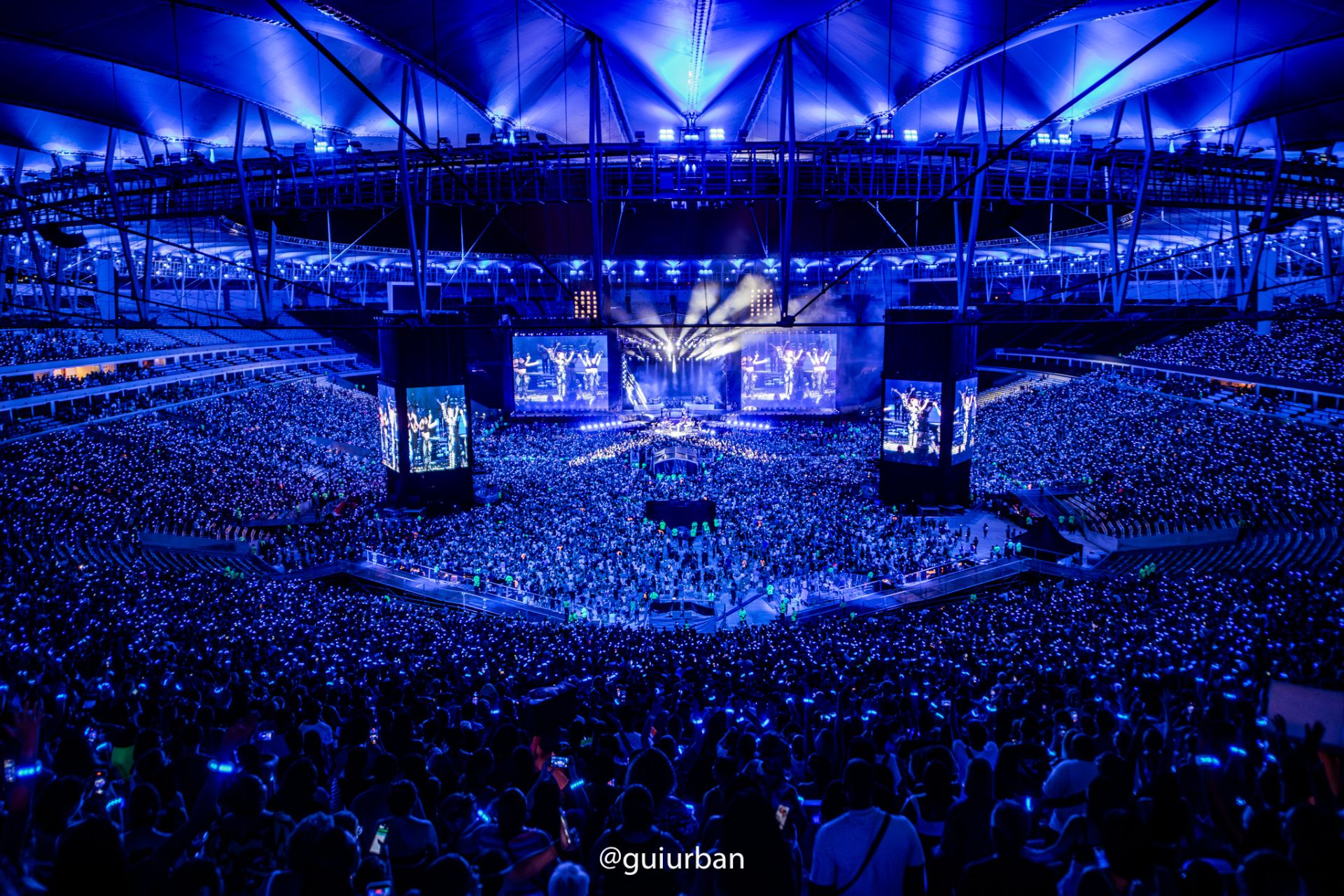
The Sentient Sea: Navigating Crowd Dynamics with Immersive Event Technology
The Living Algorithm of the Crowd
A crowd is more than a collection of individuals; it's a living, breathing organism. It has a pulse, a flow, a collective mood that can shift in an instant. For decades, managing the dynamics of mass gatherings—from music festivals like PRIMER Music Festival to global sporting events like the Davis Cup—has been a blend of art and science, relying on static infrastructure, historical data, and the sharp instincts of security personnel. But what if we could give that organism a voice? What if we could read its signals in real time, not just to react, but to anticipate?
This is the new frontier of crowd analytics, a domain where immersive event technology is quietly ushering in a revolution. The same LED wristbands and LED lanyards that create stunning visual spectacles are becoming powerful data points in a dynamic, sentient network. By understanding the movement, density, and engagement of a crowd on a granular level, event producers are unlocking unprecedented opportunities to enhance safety, optimize flow, and deepen the attendee experience.
From Spectacle to Safety: The Unseen Data Layer
At its core, the technology behind radio-controlled LED wristbands is a two-way street. A central system sends signals to create synchronized light shows, turning tens of thousands of people into a single canvas of light, as seen with artists like Maluma and Wizkid. However, the wristbands themselves can be engineered to transmit data back—anonymized, aggregated information about their status and location within a defined space.
This creates an unseen data layer across the event footprint. Instead of relying solely on fixed cameras or security patrols, event managers can visualize the entire crowd as a real-time heat map. This capability is transformative for crowd management:
- Density Monitoring: Identify potential bottlenecks and overcrowding in real time. Are certain pathways becoming congested? Is the area in front of a specific stage reaching a critical density? This allows for proactive intervention, such as rerouting foot traffic or dispatching stewards before a dangerous crush can form.
- Flow Analysis: Understand how attendees move through a venue. Which entrances and exits are most popular? How long does it take for people to move between stages or zones? This data is invaluable for optimizing venue layout, signage, and staffing for future events, minimizing friction and improving the overall experience.
- Dead Zone Identification: Discover areas of the venue that are underutilized. This insight can inform the placement of concessions, activations, or art installations to distribute the crowd more evenly and create a more engaging environment for everyone.
“We’ve moved from a model of reaction to one of anticipation. When you can see the pressure building in a specific sector before it becomes critical, you’re not just managing a crowd; you’re conducting an orchestra of movement.”
The Ethics of the Eye in the Sky
The conversation around crowd analytics naturally raises important questions about privacy. The key lies in responsible implementation. The data gathered from wearable LED technology is typically aggregated and anonymized. The system doesn’t know *who* an individual is, only *where* a device is located within a network of sensors. It’s about tracking patterns, not people.
This distinction is crucial. The goal is not surveillance, but stewardship. By understanding the collective behavior of the audience, organizers can create a safer, more enjoyable environment for all. It allows for a level of care and responsiveness that was previously impossible at scale. For massive, multi-day events like Glastonbury, or city-wide celebrations, this layer of intelligence is not just a value-add; it’s becoming an essential component of the operational playbook.
Beyond Safety: Weaving a Smarter Experience
The applications of this real-time data extend far beyond safety and logistics. They open up a new realm of creative and commercial possibilities for corporate event activations and large-scale public spectacles.
Dynamic Content Delivery
Imagine a scenario where the show itself responds to the crowd. If a particular zone is showing high levels of energy and engagement, a lighting designer could trigger unique effects just for that section. During a corporate event, breakout sessions could be dynamically adjusted based on real-time attendance, ensuring resources are allocated effectively. At a festival, brands could push targeted offers or content to screens nearest to the most engaged crowds, creating a more relevant and valuable interaction.
Gamification and Interactivity
LED wearables, like the custom pendants created for the Formula One 75th-anniversary show, can become part of a venue-wide game. Attendees could be prompted to move to different locations to "unlock" rewards or trigger special light sequences. This not only enhances engagement but also serves a practical purpose, encouraging the crowd to distribute itself more evenly across the event space.
The Sentient Venue: A Glimpse into the Future
The technology is here. Companies like Xylobands are not just providing the tools for spectacular LED crowd experiences; they are building the infrastructure for the sentient venue. As radio-controlled technology becomes more sophisticated, integrating with other data sources like ticketing, POS systems, and social media sentiment, the picture becomes even clearer.
We are on the cusp of an era where an event space is no longer a static container, but a responsive ecosystem. It’s a future where the safety of every attendee is enhanced by an invisible network of data, where the flow of people is as choreographed as the performers on stage, and where the boundary between the audience and the experience dissolves completely. The crowd is no longer just watching the show; it is an integral, intelligent part of it.