The Sentient Stadium: Using Data to Predict and Prevent Crowd-Flow Catastrophe
The Unseen Pulse of the Crowd
An arena filled with 50,000 people is not just a collection of individuals; it's a living organism. It breathes, moves, and reacts. It has a pulse. For decades, event producers and security teams have relied on experience, intuition, and traditional surveillance to manage the ebb and flow of these human tides. But in an era of unprecedented event scale and complexity, these analogue methods are reaching their limits. What if we could not only see the crowd, but understand its collective state of mind? What if we could predict a surge before it happens, or identify a safety issue in a dense festival field in real-time?
This is the new frontier of event management—one where data and light converge to create not just a more spectacular show, but a fundamentally safer environment. By harnessing the power of Immersive Event Technology, we are moving from reactive crowd control to proactive crowd choreography, turning potential points of friction into moments of connection.
From Analogue Observation to Digital Insight
Traditionally, crowd management has been an exercise in observation and reaction. Security personnel watch for signs of distress, overcrowding, or dangerous behaviour from elevated platforms or through fixed CCTV cameras. While essential, this approach has inherent limitations. It’s prone to human error, blind spots, and the simple fact that by the time a problem is visible, it may already be escalating.
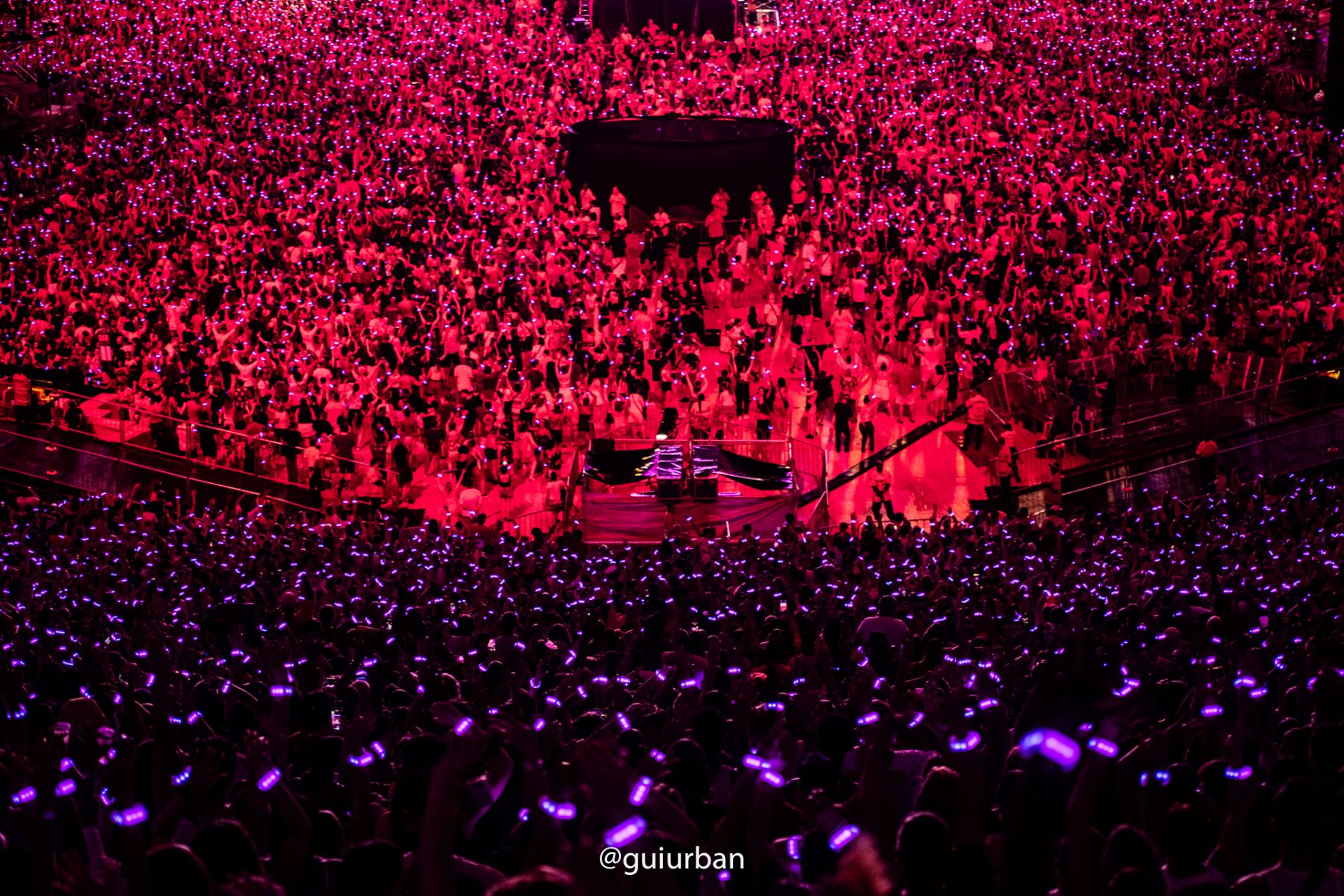
Consider the complex logistics of a major international music festival like Greece's PRIMER Music Festival, or a globally broadcasted concert like Maluma’s historic Medellín show, which drew over 54,000 fans. The sheer density of the crowd makes it impossible to monitor every individual. Ingress and egress points, concession stands, and restroom areas become natural bottlenecks. In these high-density zones, a small, localized issue can cascade into a serious incident in minutes.
"The core challenge is shifting from a macro view to a micro understanding," explains a leading event safety strategist. "A camera can show you a dense crowd, but it can't easily tell you the emotional temperature of that crowd. It can't tell you if people are excited-dense or distressed-dense. That's where modern data-driven technology becomes a game-changer."
Wearable Technology as a Data-Rich Sentinel
This is where Wearable LED Technology, like the kind pioneered by Xylobands, transcends its role as a lighting effect and becomes a powerful data-gathering tool. While audiences see a stunning light show perfectly synchronized to the music, the underlying system is a sophisticated network capable of generating invaluable, real-time analytics.
Each of our Radio Controlled LED Wristbands acts as a node in a dynamic, event-wide network. The same RF technology that tells a wristband to light up in a specific colour can also be used to understand crowd density, movement patterns, and flow dynamics. By analysing signal strength and response times across different zones, event managers can build a living, breathing map of the audience.
Key Data Points Unlocked by LED Wristbands:
- Crowd Density and Distribution: By segmenting the venue into zones, the system can identify areas where crowd density is approaching or exceeding safe limits. An operator can see that Zone C is at 95% capacity while Zone F is only at 60%, allowing for proactive measures like redirecting foot traffic or opening new access routes.
- Flow and Movement Analytics: During ingress and egress, the system can track the flow of people, highlighting bottlenecks in real-time. This data is crucial for optimising staffing, signage, and barrier placement for future events, creating a safer and more efficient experience.
- Dwell Time and Engagement: Understanding how long attendees spend in certain areas offers vital insights for both safety and commercial operations. High dwell times near an exit could indicate a blockage, while long queues at a concession stand can be alleviated by dispatching mobile vendor units.
Proactive Safety: From Prediction to Prevention
The true power of this data lies in its predictive capabilities. Rather than waiting for a security guard to report a crush barrier breach, this technology allows organisers to see the pressure building and act before it reaches a critical point. If the data shows a sudden, anomalous surge of movement in a specific sector of a stadium, it could be an early indicator of a medical emergency or a security threat, allowing responders to be dispatched with precise location information long before a call comes through.
At large-scale sporting events, like the Davis Cup or a Formula One celebration, the emotional energy is immense. A thrilling victory or a controversial call can cause sudden, unified movements. Our LED Experiences can be programmed to respond to these moments, not just with light, but by feeding data back to the control centre. A rapid increase in density in the front rows can trigger an alert for the floor security team to subtly reinforce their positions.
This transforms event safety from a series of educated guesses into a data-driven science. It augments the invaluable experience of human personnel with the unerring accuracy of real-time analytics, creating a powerful partnership that enhances the safety of every single attendee.
The Future is a Sentient Environment
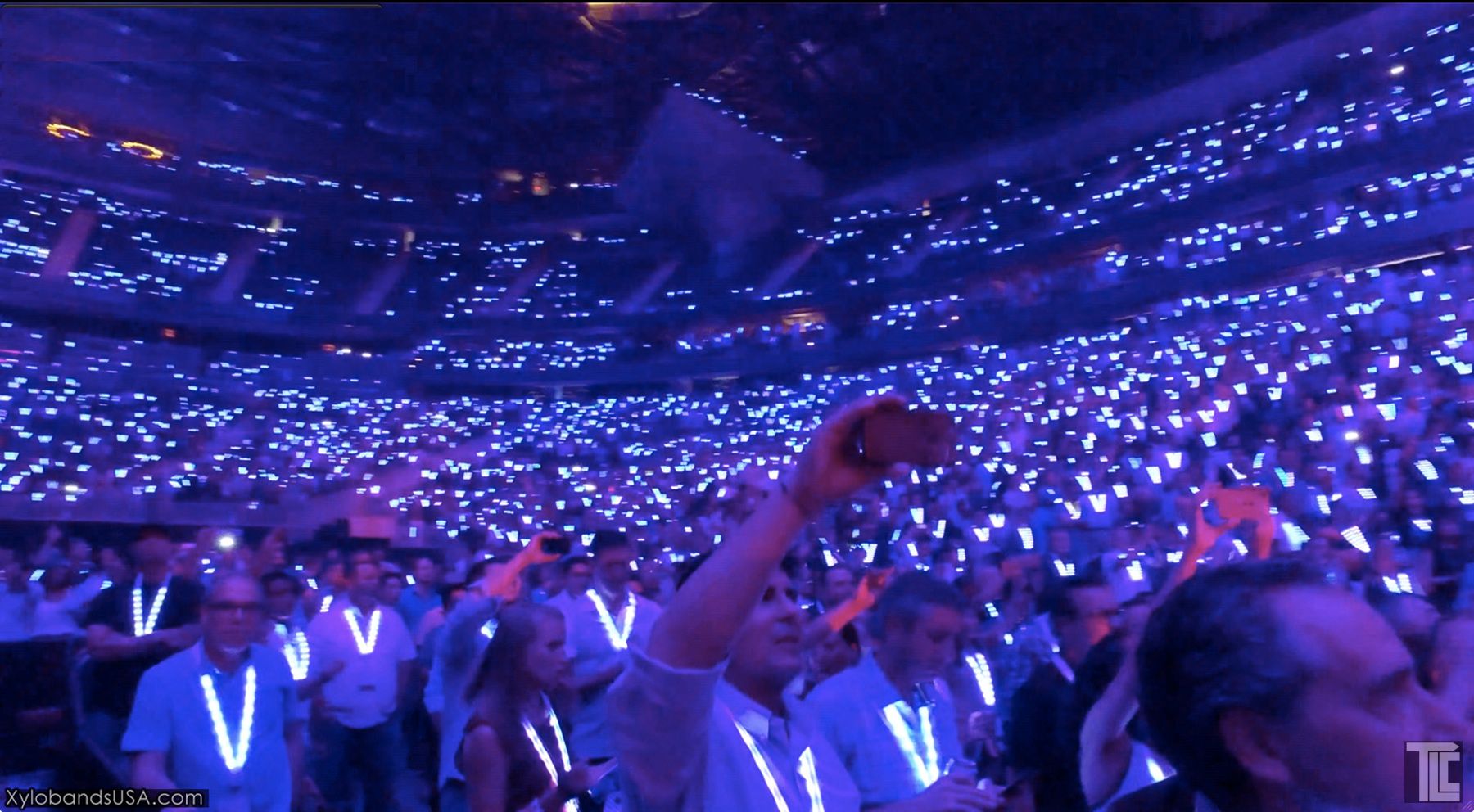
As this technology evolves, the line between a live show and a responsive environment will blur completely. Imagine a festival where your LED Lanyard doesn’t just light up, but subtly vibrates to guide you towards a less crowded exit path. Picture a stadium where the lighting system not only creates a spectacular show but also dynamically brightens areas where the crowd is thinning, encouraging people to spread out naturally.
This isn't science fiction; it's the logical evolution of the technology already being deployed at thousands of events worldwide. By integrating data from LED Bands, ticketing scans, and other event sensors, producers can create a holistic, 360-degree view of the event ecosystem. They can choreograph the audience experience with the same precision they choreograph the lighting and sound.
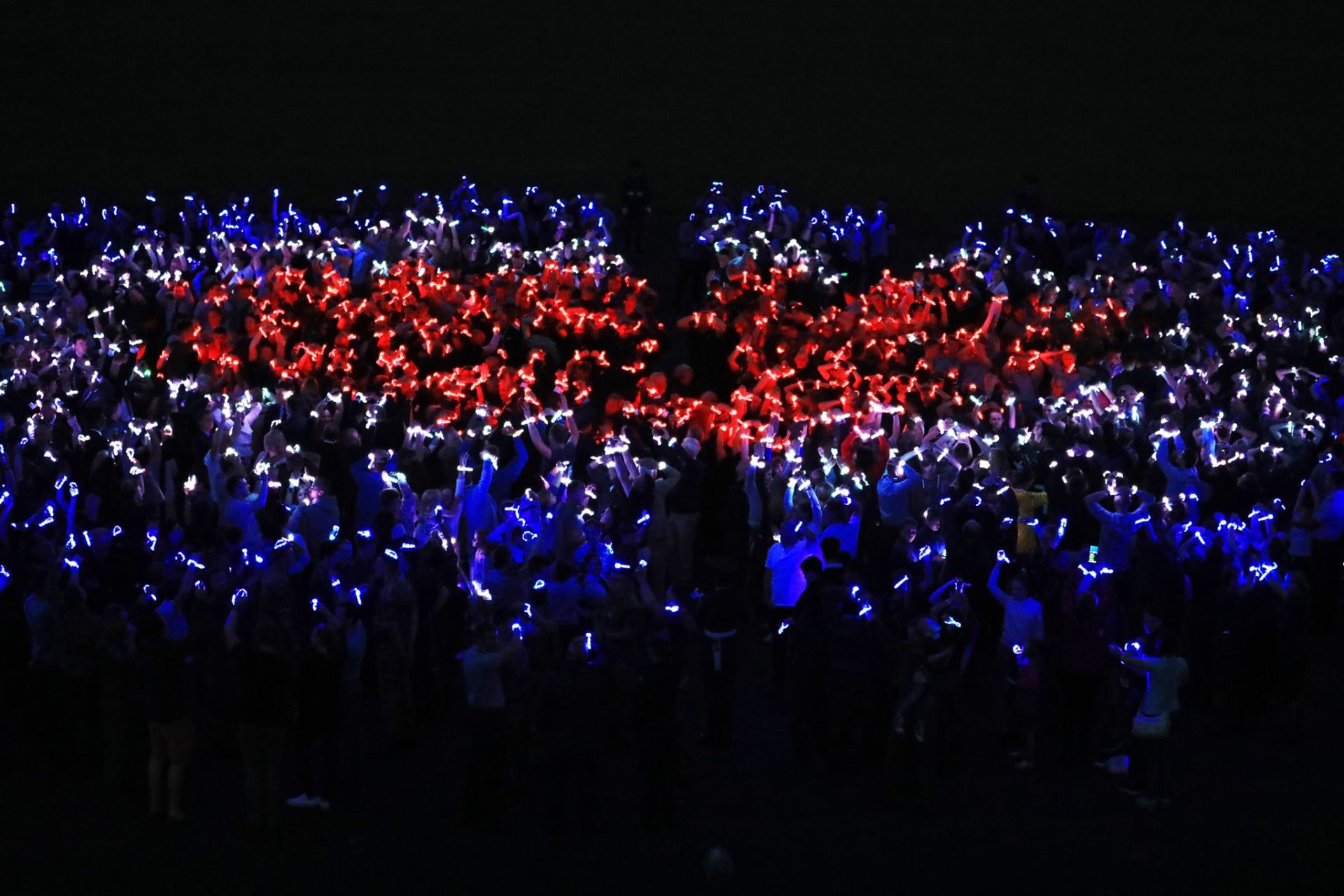
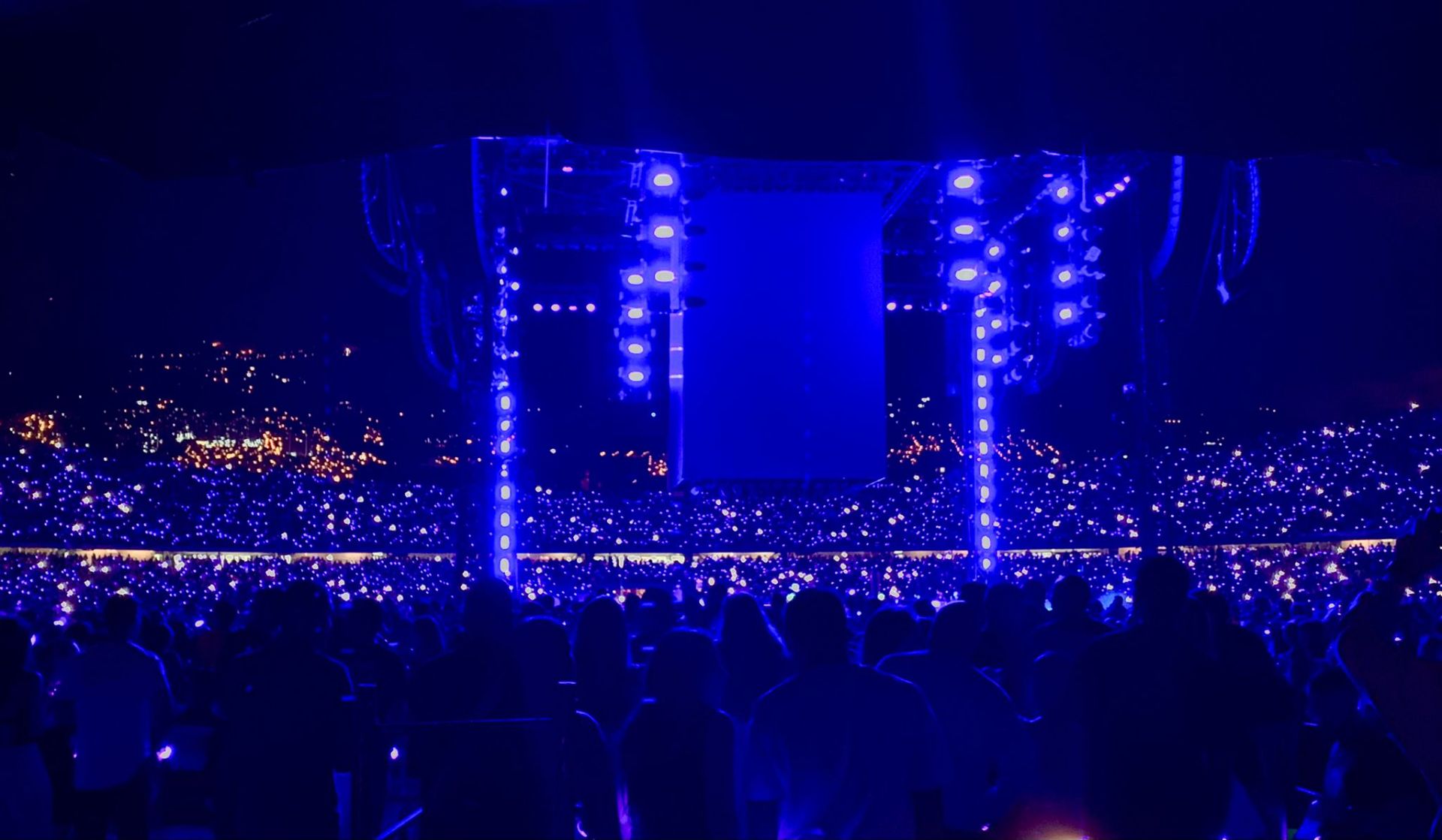
The result is a safer, more immersive, and more enjoyable experience for everyone. The audience at a Coldplay concert, lit by a sea of Xylo Bands, feels a profound sense of connection and unity. They become part of the spectacle. Behind the scenes, that same technology is working silently, tirelessly, to ensure that the environment they are in is as safe as it is spectacular. The sentient stadium is here, and it’s powered by light and data.